
In recent years, as Chinese antique ceramics have continued to attract attention in the international…
Chinese Antiques: Cultural Memory in the Long River of History
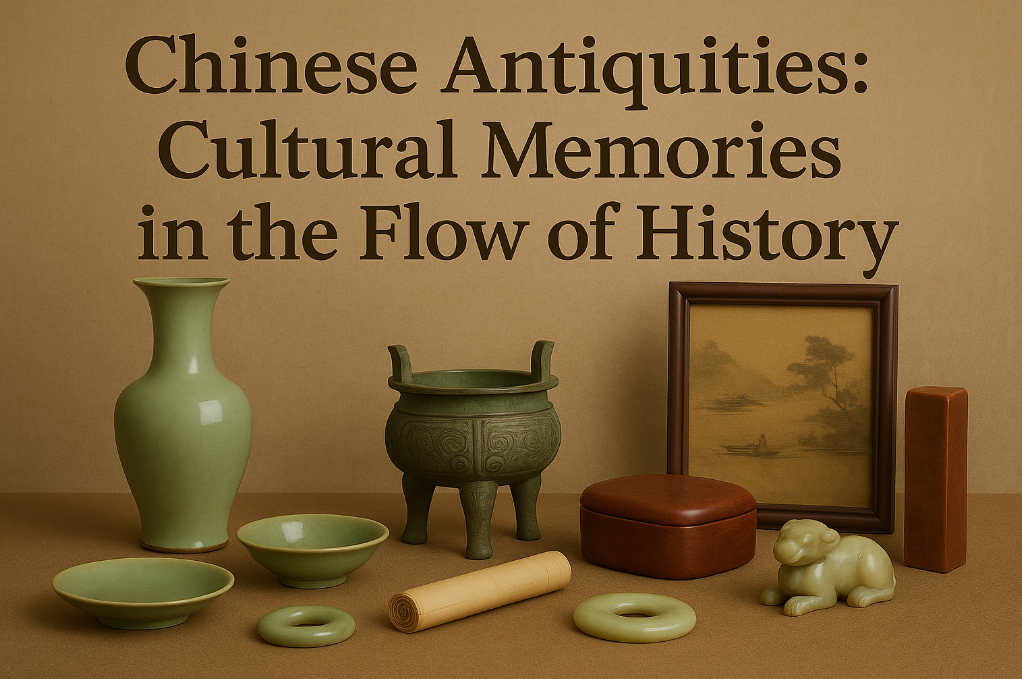
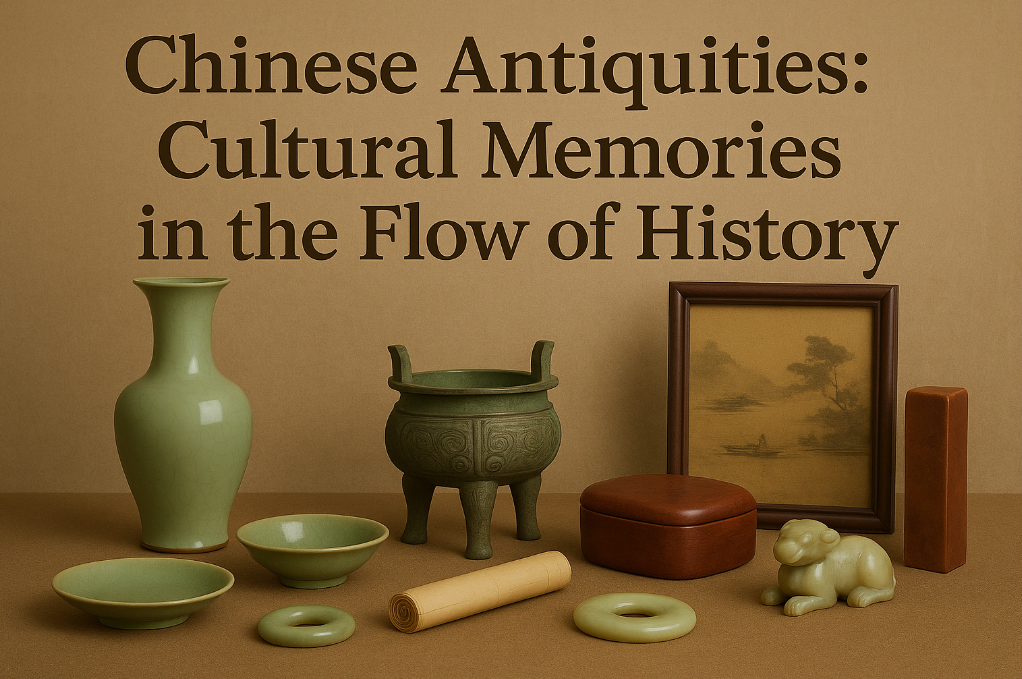
Throughout China’s 5,000-year history, antiques have always held a crucial position as witnesses of history and bearers of culture. They are not only physical works of art but also intangible spiritual symbols. Today, the term “antiques” generally refers to historical artifacts of collectible and aesthetic value, including porcelain, jade, calligraphy and painting, bronzes, the “four treasures of the study,” and furniture. Through each antique, people gain a glimpse into the social landscape, aesthetic tastes, and craftsmanship of yesteryear.
1. The Cultural Value of Antiques
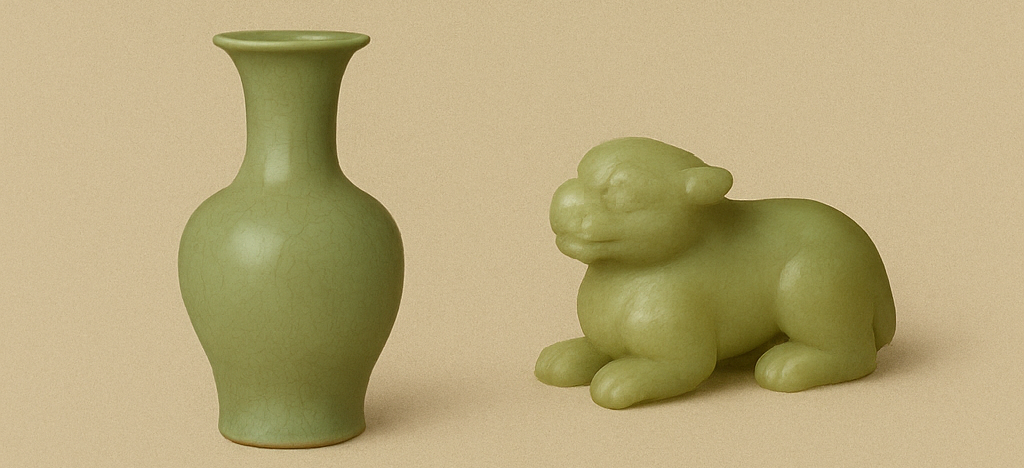
The core value of antiques lies in the historical and cultural heritage they carry. For example, a piece of Ru kiln porcelain from the Song Dynasty is not only a magnificent work of art but also reflects the aesthetic ideal pursued by the literati of the time: “blue as jade, smooth as fat.” Similarly, Qing Dynasty imperial jades are often engraved with auspicious motifs, reflecting the feudal dynasty’s aspirations for prosperity and lasting peace. It can be said that antiques are frozen historical texts and microcosms of a living civilization.
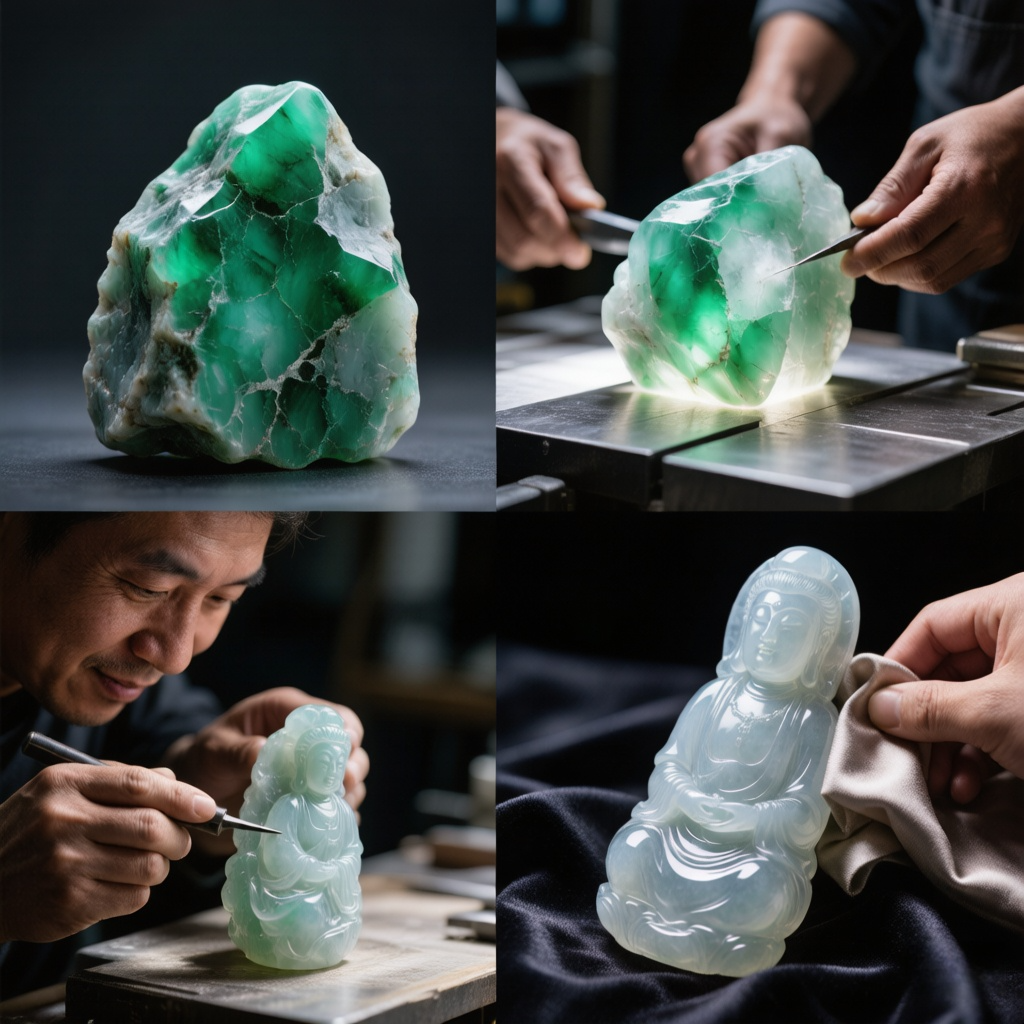
Furthermore, antiques embody the essence of traditional Chinese craftsmanship. From the throwing, glazing, and kiln firing of porcelain, to the selection, carving, and polishing of jade carving, to the brushwork, coloring, and mounting of calligraphy and painting, every step embodies the wisdom and aesthetic sophistication of the artisans. These techniques have not only produced countless masterpieces that have been passed down through the ages, but have also become a vital component of today’s intangible cultural heritage.
2. The Collectible Value of Antiques
Collecting antiques has existed since ancient times. During the Ming and Qing dynasties, with the economic boom, the collection of antiques became a trend among scholars and wealthy merchants. Emperor Qianlong was a renowned “super collector.” He was not only obsessed with porcelain, jade, calligraphy, and paintings, but he also often inscribed poems and postscripts, imbuing the artifacts with his own personal aesthetic.
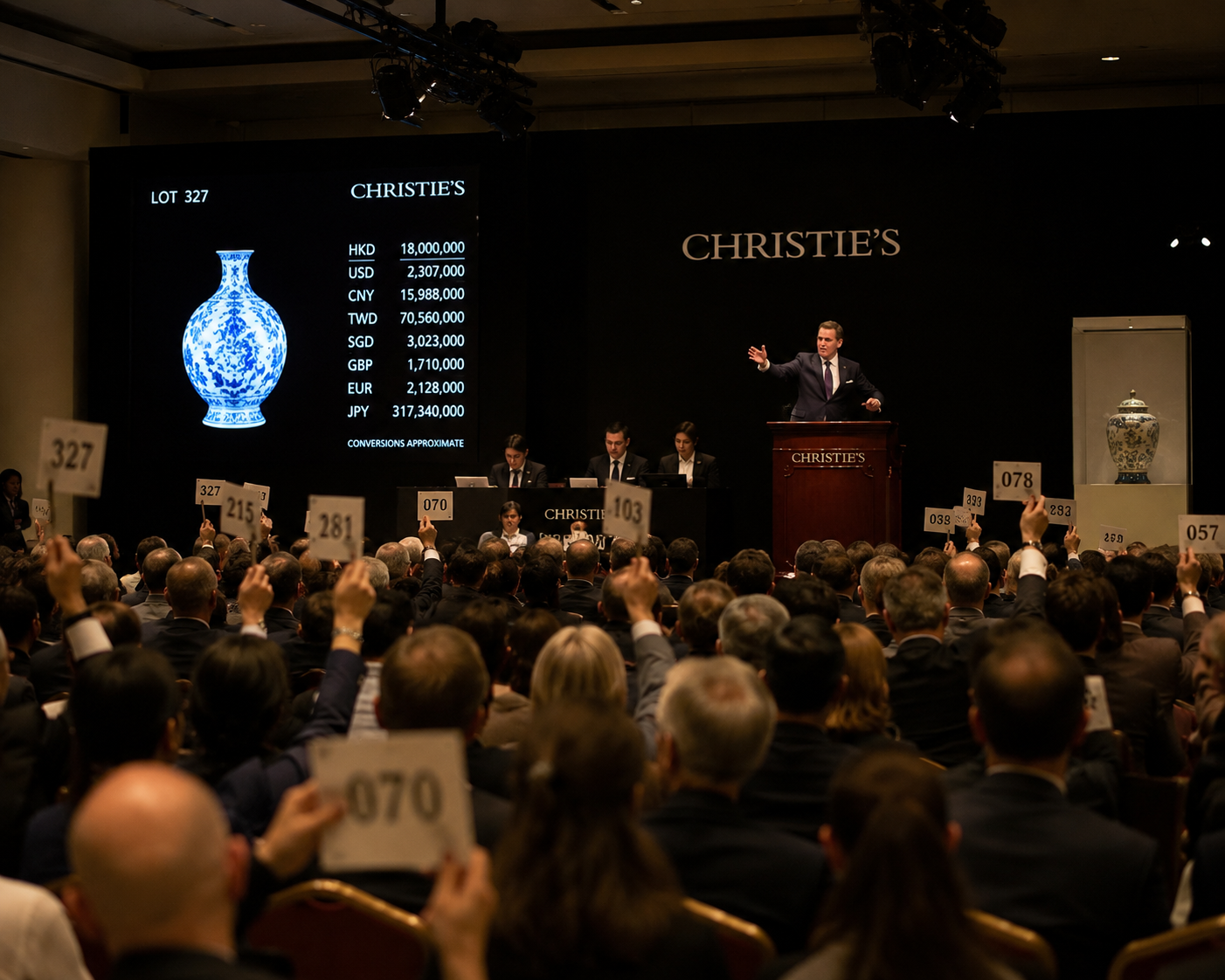
In modern times, collecting antiques has become a dual vehicle for academic research and financial investment. On the one hand, cultural relics scholars use antiques to examine history, promoting the development of archaeology, history, and art history. On the other hand, with the development of the market economy, antiques have also acquired financial attributes, with auctions frequently seeing “sky-high” prices, attracting widespread public attention.
However, it’s important to emphasize that the collectible value of antiques isn’t measured solely by price. A piece of calligraphy or painting passed down through a family for centuries, or an inkstone bearing the marks of time, may not be expensive in the market, but it carries personal and family memories, and its value cannot be simply measured in monetary terms.
3. Appreciation and Authenticity of Antiques
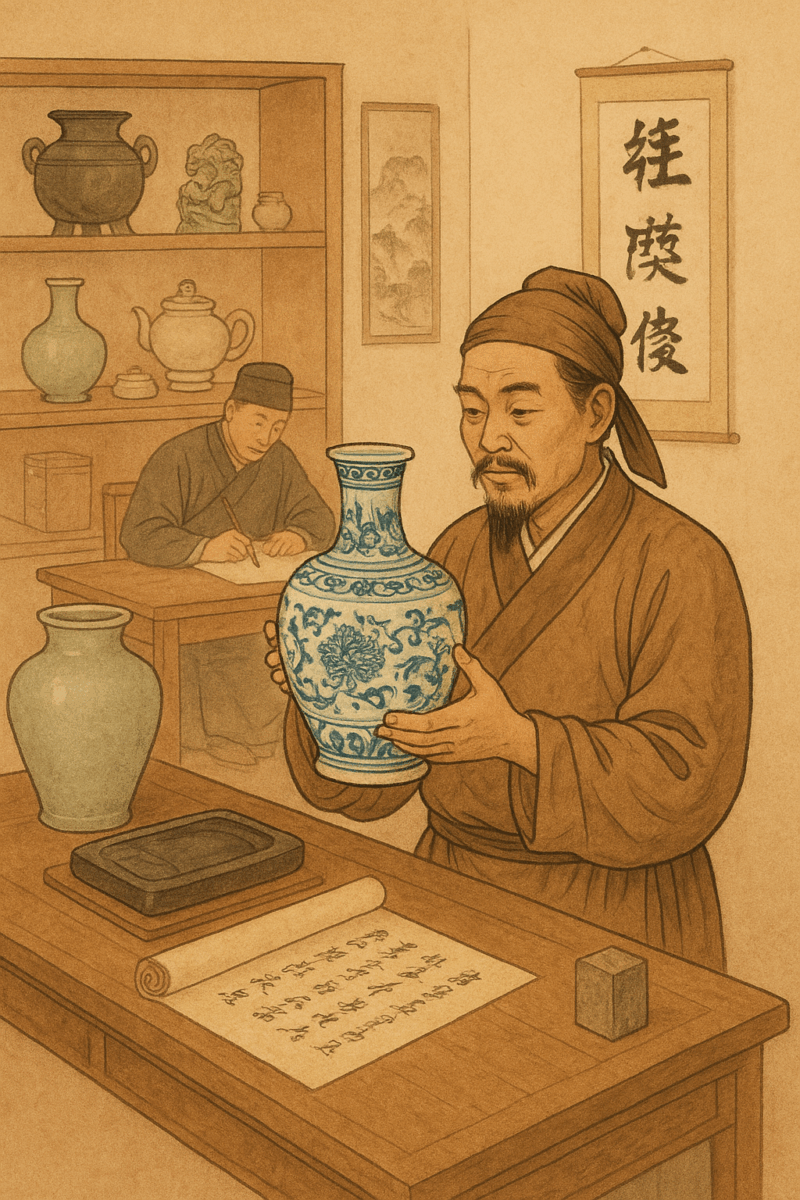
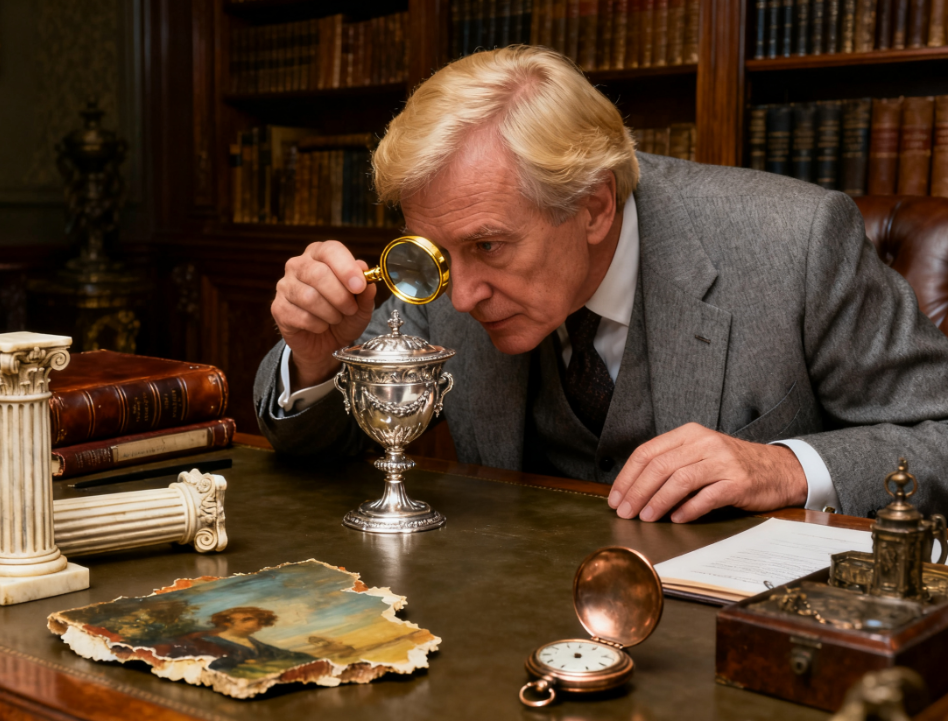
The charm of antiques lies in appreciation, but appreciation often comes with considerations of authenticity. The so-called “eye study” is what collectors often refer to as skill. Learning to appreciate antiques requires both a familiarity with history and craftsmanship, as well as repeated observation of authentic pieces to cultivate a discerning eye.
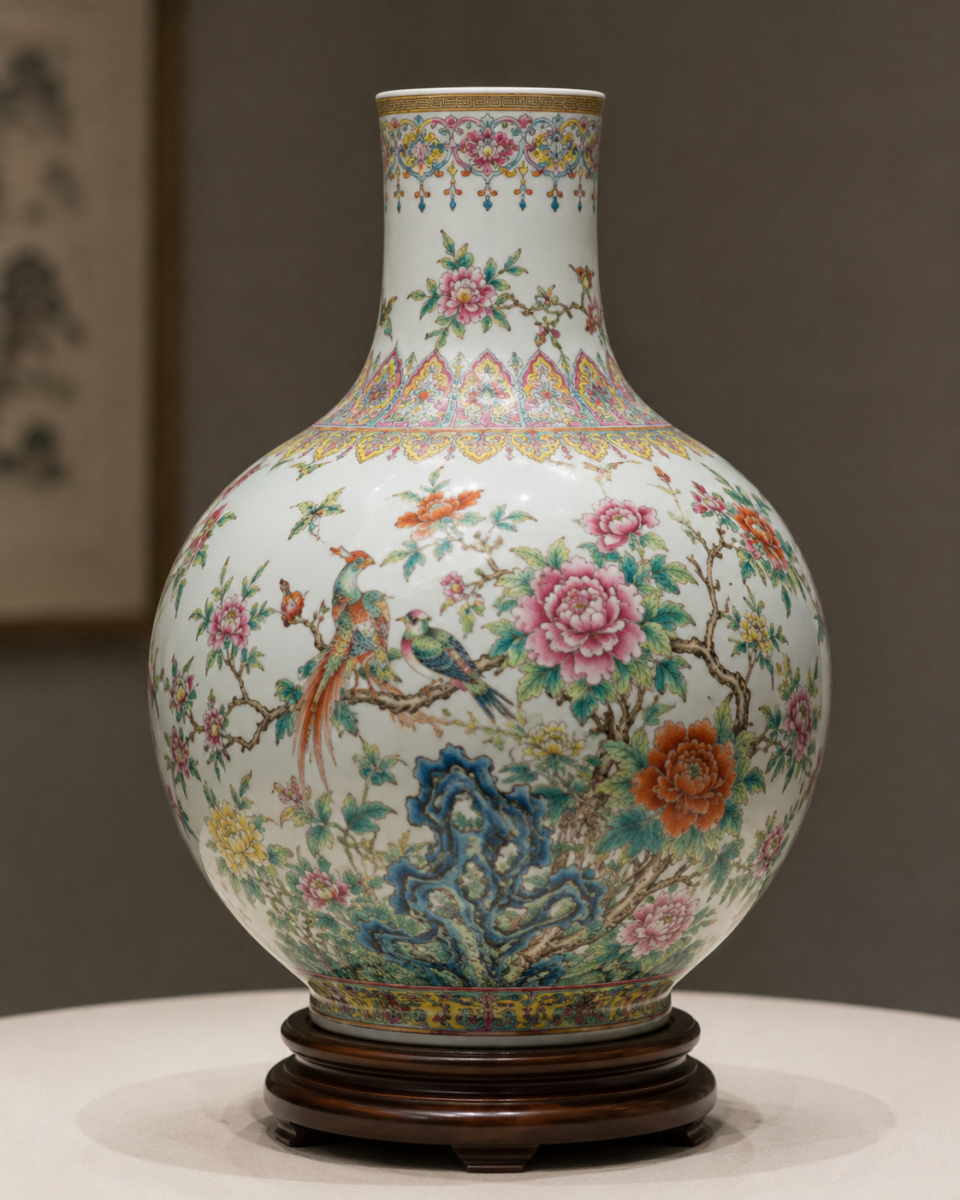
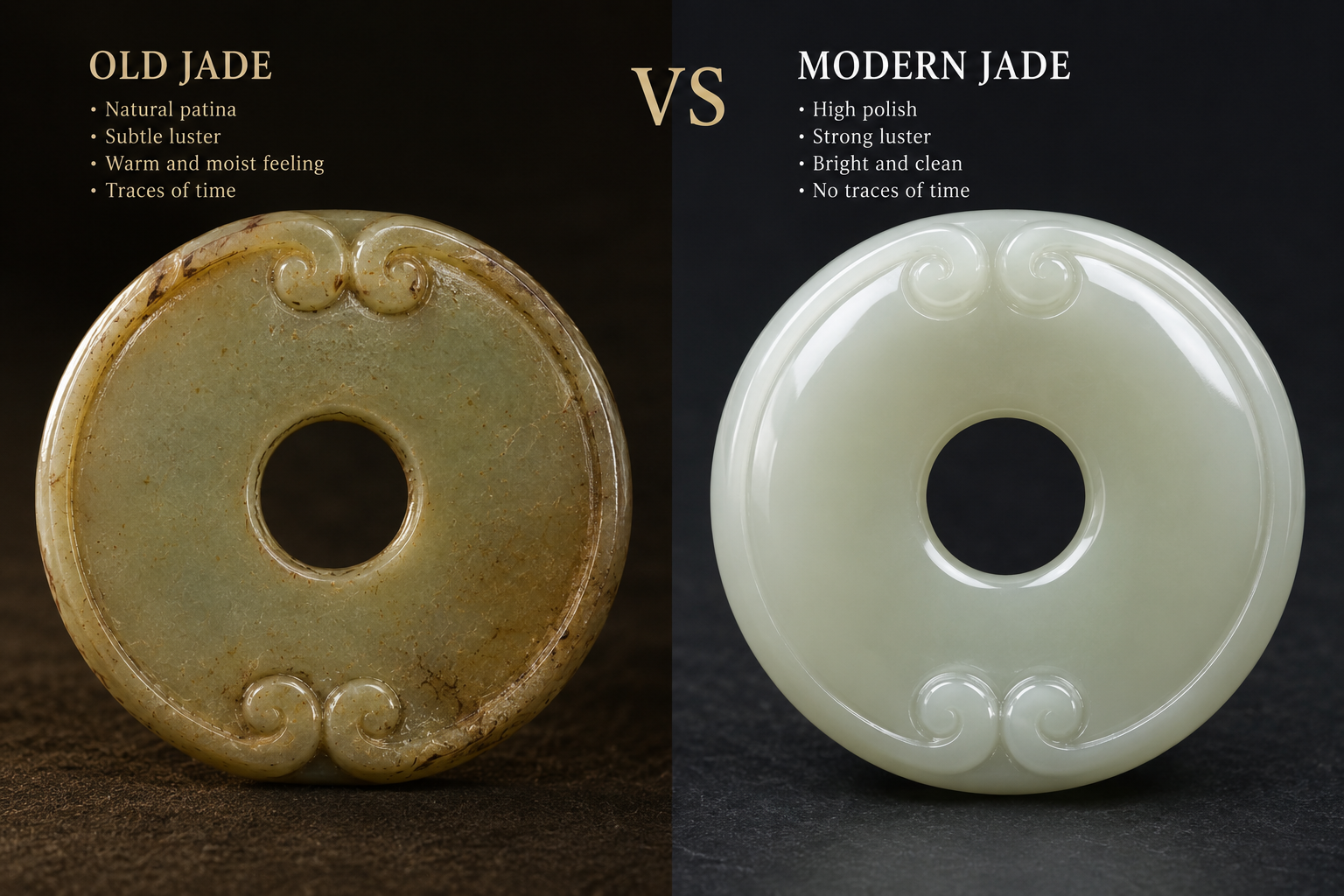
For example, identifying porcelain requires observing whether the glaze is naturally warm, the body is delicate, and whether the decorative patterns reflect the characteristics of the era. Identifying jade requires observing the warmth of the jade, the intricacy of the carving, and the naturalness of the patina. Authenticating calligraphy and painting requires a more comprehensive approach, requiring not only a mastery of brushwork techniques but also a study of inscriptions, postscripts, and mounting.
However, the antique market has always been characterized by both genuine and counterfeit goods. Counterfeiting methods are constantly evolving with technological advancements. From “distressed” treatments to high-quality replicas, beginners can easily misjudge an item. Therefore, a rational approach to collecting, careful consideration, and reliance on expert advice are crucial prerequisites for protecting collectors’ interests.
IV. The Modern Significance of Antiques
Today, antiques are no longer the exclusive preserve of royalty and literati, but are gradually entering the public eye. Museums, art galleries, auctions, documentaries, and variety shows all offer the public the opportunity to get up close and personal with antiques and understand their cultural value. This is both a form of cultural literacy and a means of cultural preservation.
More importantly, antiques allow us to rethink the relationship between humans and history. When we touch a piece of centuries-old porcelain or admire a piece of ancient calligraphy, the dialogue that transcends time and space resonates deeply with people. Antiques remind us that every step forward in modern civilization is built on the rich legacy of history.
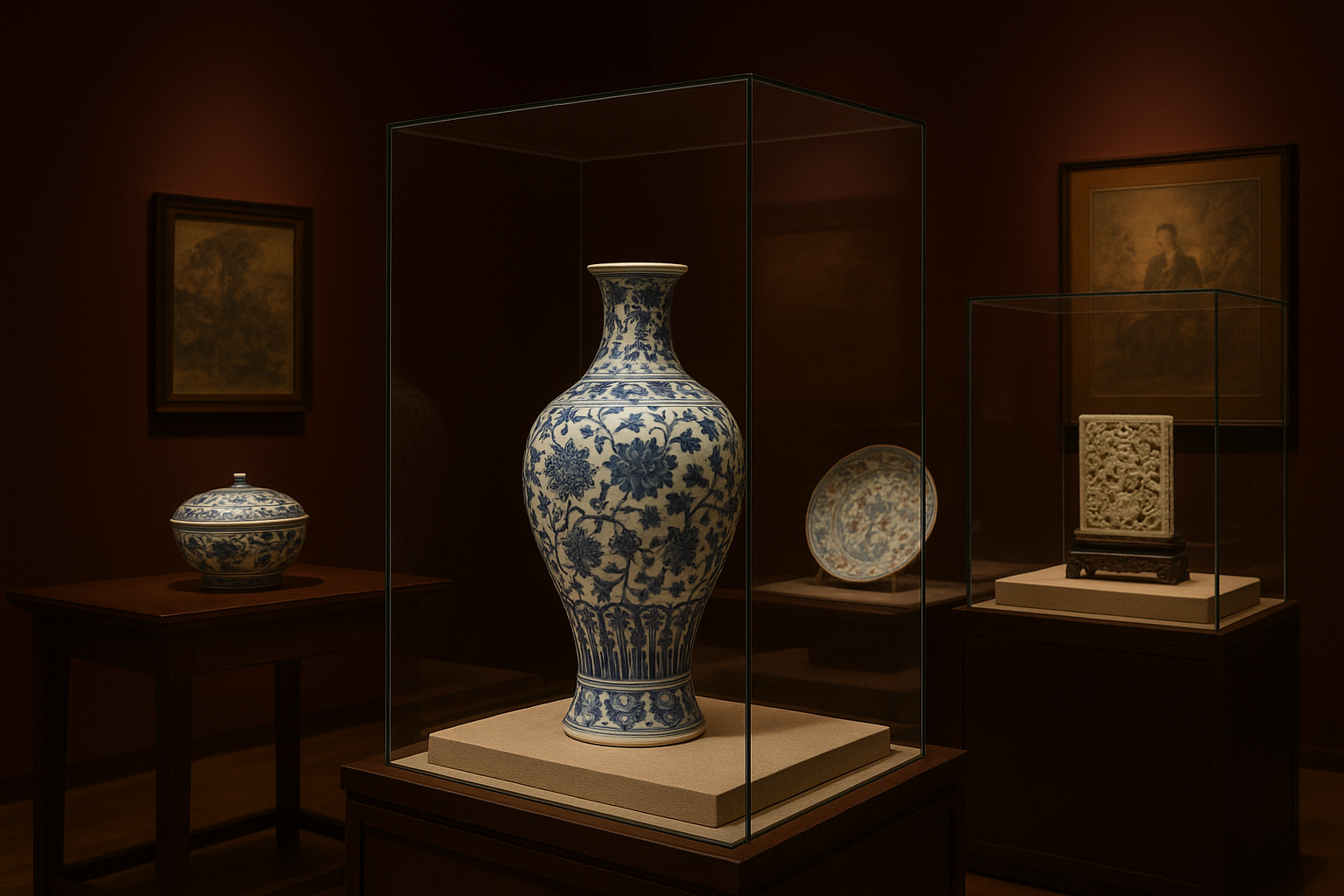
Chinese antiques bear witness to history, are the crystallization of art, and are a vital part of national memory. Across millennia, they remain radiant, telling stories of civilization, craftsmanship, and beauty. For contemporary people, appreciating antiques is more than just savoring exquisite artifacts; it’s a spiritual and cultural journey. Perhaps this is the enduring allure of antiques.
Related Posts