In recent years, as Chinese antique ceramics have continued to attract attention in the international…
Why Are “Japanese Private Collection Buddhist Statues” Becoming Increasingly Expensive in the Western Market? The Multiple Forces of Aesthetics, Capital, and Cultural Identity
I. Introduction: How a Buddhist Statue Became a Global “Hard Asset”
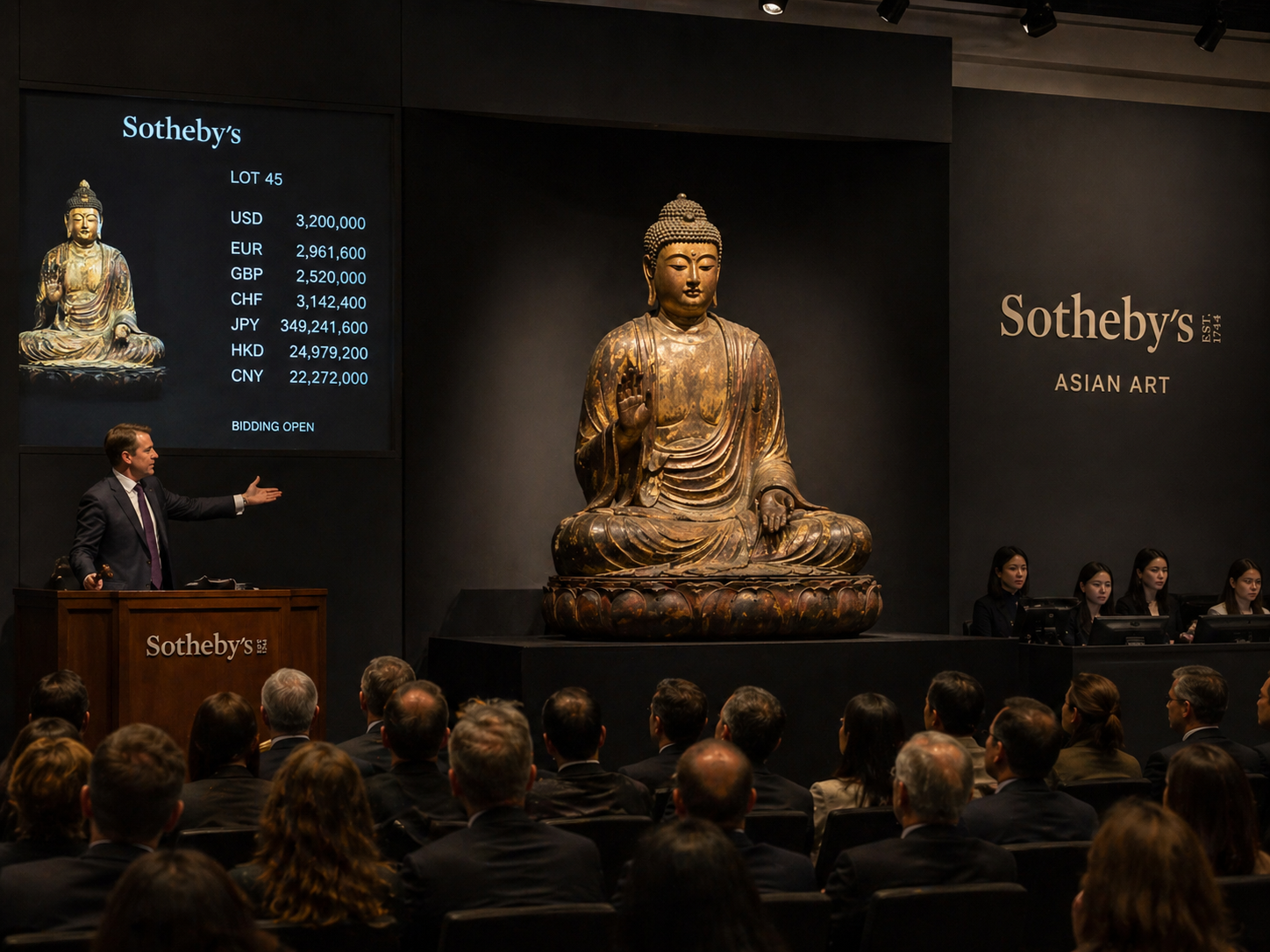
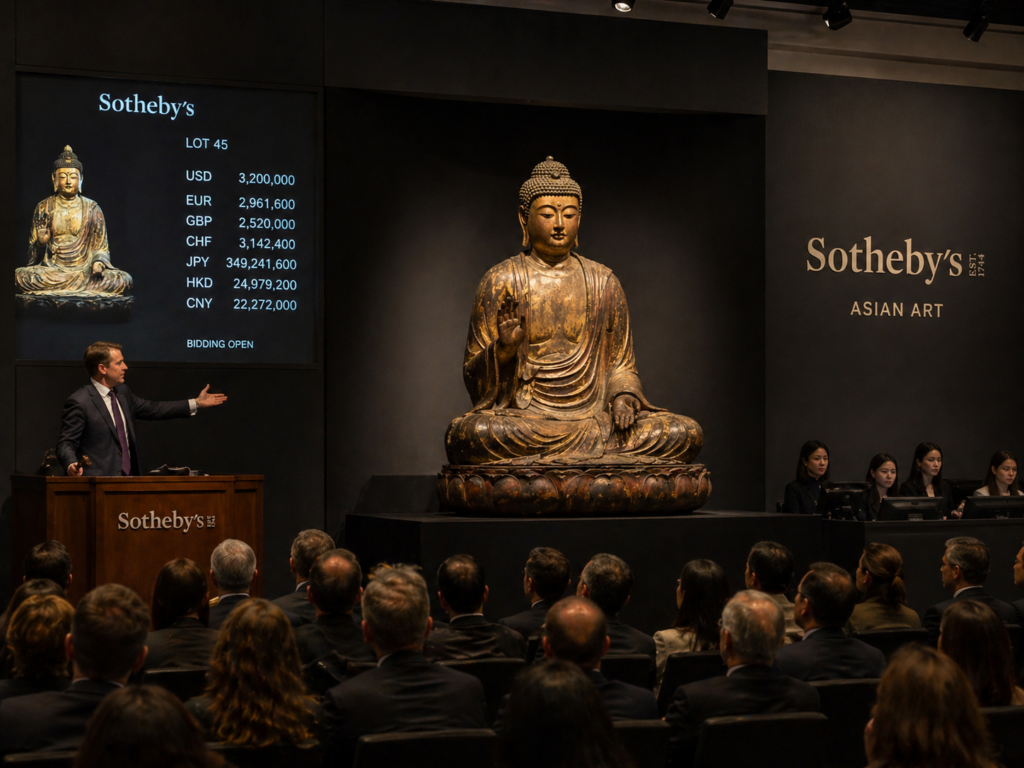
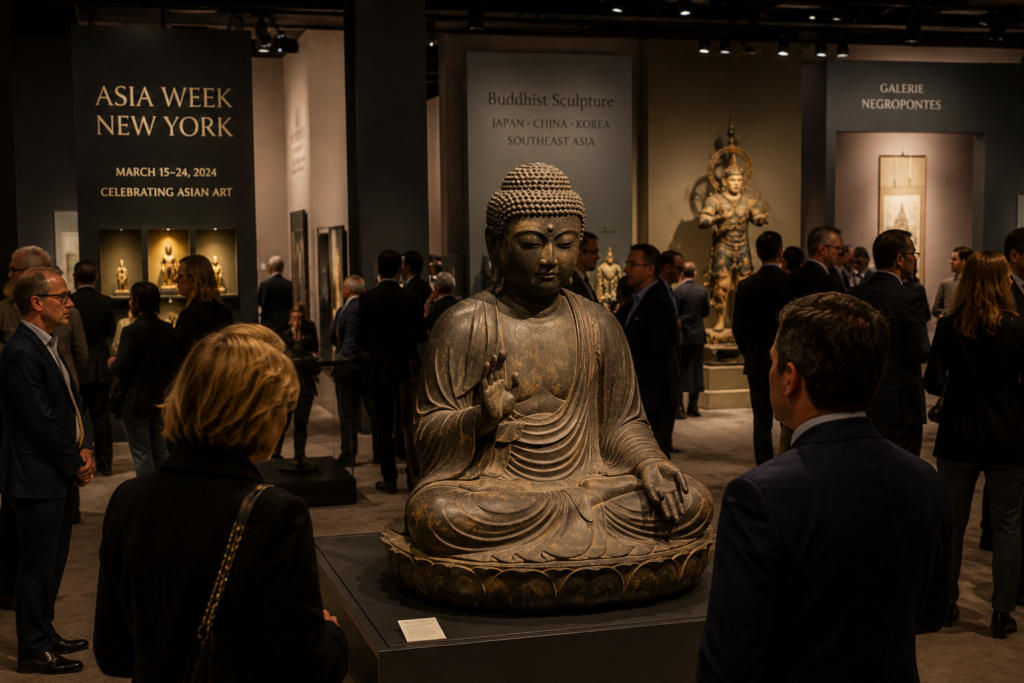
In recent years, “Japanese private collection Buddhist statues” have repeatedly achieved remarkable prices in Western auction houses and gallery systems. Whether during Asian Art Week in New York or at antique auctions in London, Buddhist sculptures with Japanese provenance often attract stronger demand than comparable Asian works.
In some major auctions, the turnover of Asian religious art has continued to rise steadily, with top-tier Buddhist sculptures reaching multimillion-dollar levels. This phenomenon is not accidental, but rather the result of several structural forces working together.
So the question is:
Why is it specifically “Japanese private collection” Buddhist art that is becoming increasingly valuable in the West?
II. Core Reason One: Japanese Provenance Equals “Trusted Origin”
In the art market, there is one keyword even more important than age:
👉 Provenance.
From the late 19th century to the early 20th century, Japan served as a major hub for the circulation of Asian artworks. Large numbers of Chinese, Korean, and Southeast Asian Buddhist sculptures entered the market through Japanese collectors, dealers, and temple networks, eventually forming well-documented chains of ownership and preservation.
This creates three major advantages:
Clear ownership history — Japanese private collections often retain detailed records
Higher legal credibility — reducing concerns over illicit excavation or cultural property disputes
Strong academic backing — Japan has a long-established scholarly tradition in Buddhist art history
By contrast, Asian Buddhist sculptures with unclear provenance may be heavily discounted — or even fail to sell — despite their age and quality, due to legal and ethical concerns.
👉 In simple terms:
“Japanese private collection” does not merely mean “old.”
It means “credible, documented, and historically narratable.”
IV. Core Reason Three: The Market Underestimates Their Scarcity
Many people assume Japanese Buddhist statues are abundant.
In reality, the opposite is true.
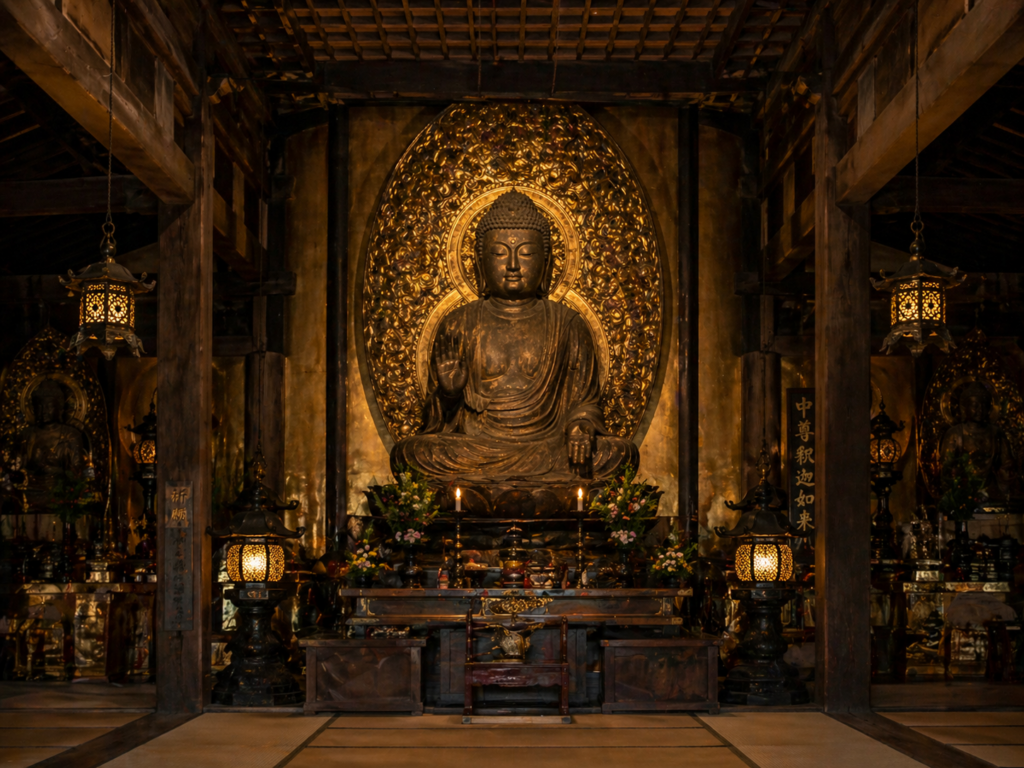
Japanese temple systems are highly restrictive
Important statues rarely leave institutional collections
Private collections are gradually disappearing through sales and inheritance
Especially for high-quality works carrying a respected “Japanese private collection” label, supply is fundamentally non-renewable.
Current market ranges roughly show:
Ordinary antique Buddhist statues: approximately $500–$2,000
Mid-level historical works: $5,000–$20,000
Top-tier masterpieces: $100,000 and far beyond
The combination of:
👉 Japanese provenance + superior craftsmanship + documented history
has become exceptionally rare.
At its core:
Supply is shrinking while global demand continues to expand.
V. Core Reason Four: The Hidden Premium of Craftsmanship and Materials
Many Western buyers are not religious collectors.
What they are truly purchasing includes:
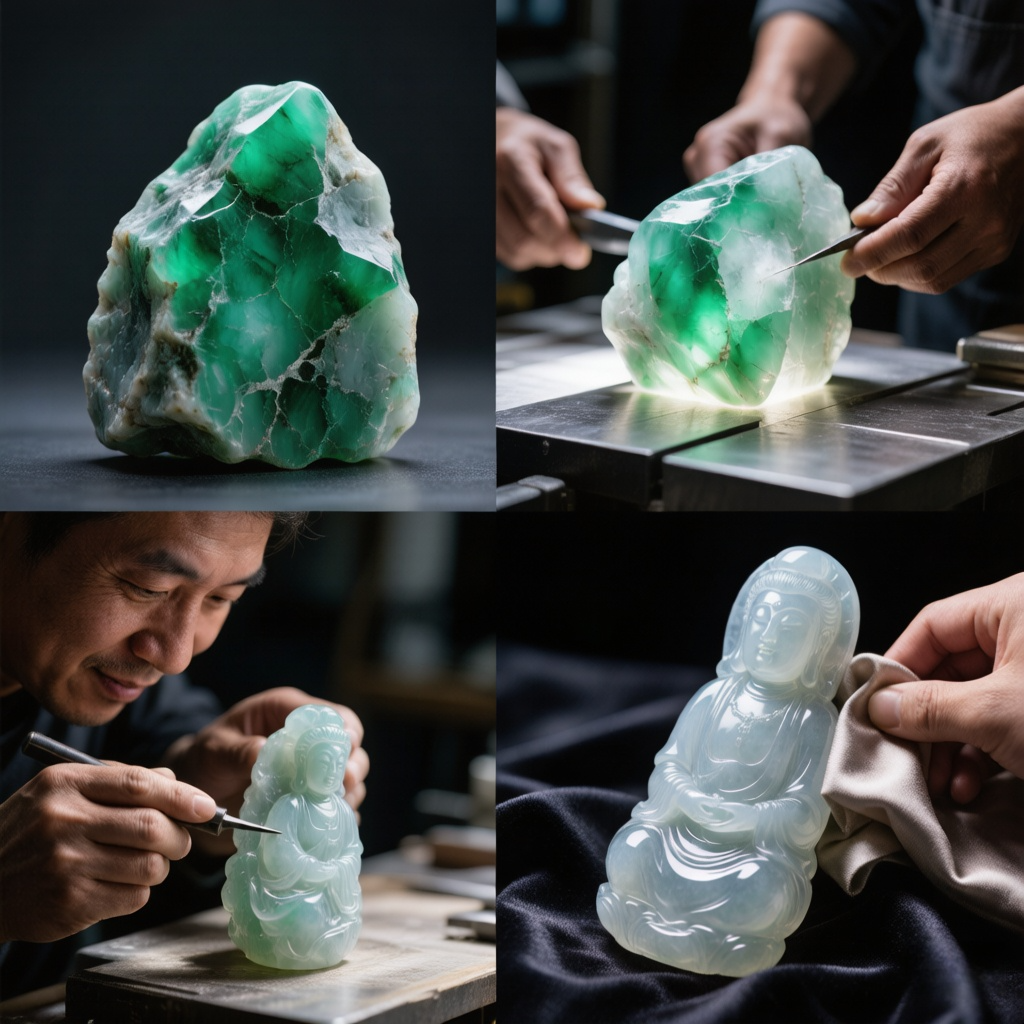
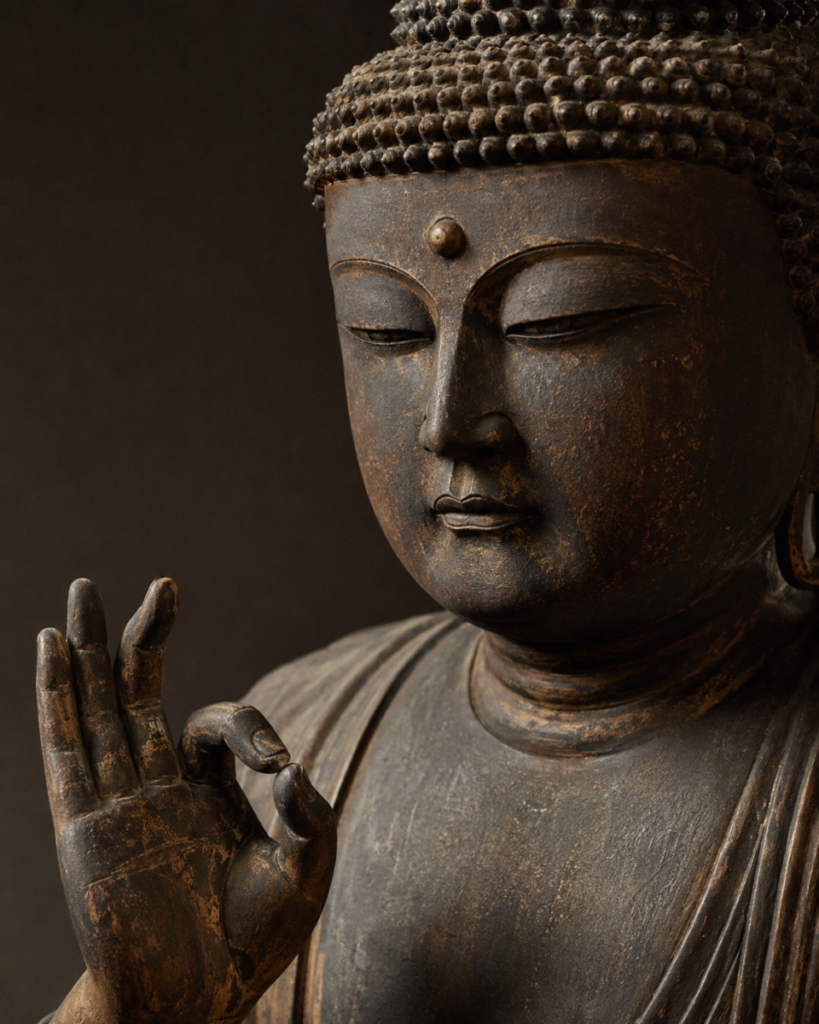
Hand carving craftsmanship
Lacquer and gilding techniques
Traditional sculptural proportion systems
The real value behind high-end Buddhist sculptures often lies in:
Time-intensive handmade production
Premium materials such as wood, bronze, and gilt surfaces
Sophisticated detail and expression
For example:
A hand-carved sculpture may be worth ten times more than an industrial cast reproduction
Accuracy in mudras (hand gestures) and iconographic proportions directly affects valuation
👉 In other words:
Collectors are not simply buying a Buddhist image.
They are buying “condensed human craftsmanship and time.”
VI. Core Reason Five: Asian Art Has Been Upgraded Within the Western Art Market
Over the past several decades, Asian art has undergone a major transformation in the West:
From:
“Exotic collectible”
➡ To:
“A core asset category”
This shift has been driven by several factors:
The rise of Asian economies and collecting power
Increased museum exhibitions dedicated to Asian art
Deeper academic research and institutional recognition
Platforms such as New York Asian Art Week consistently demonstrate:
Strong sell-through rates
Growing participation from elite international buyers
As a result, Buddhist sculpture is no longer viewed merely as a religious object.
It is increasingly seen as:
👉 A cross-cultural capital asset and investment-grade artwork.
VII. Core Reason Six: The Rediscovery of Spiritual and Cultural Meaning
Another often-overlooked factor is this:
👉 Western society is increasingly rediscovering Eastern spirituality.
In an era shaped by stress, anxiety, and information overload, concepts such as:
Meditation
Zen culture
Eastern philosophy
have become integrated into contemporary lifestyles.
Buddhist statues function as powerful visual symbols of this spiritual culture.
This transforms their role from:
“Decorative object”
➡ Into:
“Symbol of inner calm and cultural depth”
And once cultural meaning deepens, market value often follows.
VIII. Conclusion: Why Prices May Continue Rising
Taken together, the rise in value of Japanese private collection Buddhist sculptures is driven by six overlapping structural forces:
Provenance credibility
Compatibility with Western aesthetics
Increasing scarcity
Exceptional craftsmanship value
Upgrading of Asian art within global markets
Growing demand for spiritual and cultural symbolism
👉 This is not merely speculative hype.
It reflects a long-term structural trend in the global art market.
IX. Future Outlook
Over the next decade, this sector will likely continue appreciating — but the market will become increasingly selective.
Works Most Likely to Rise:
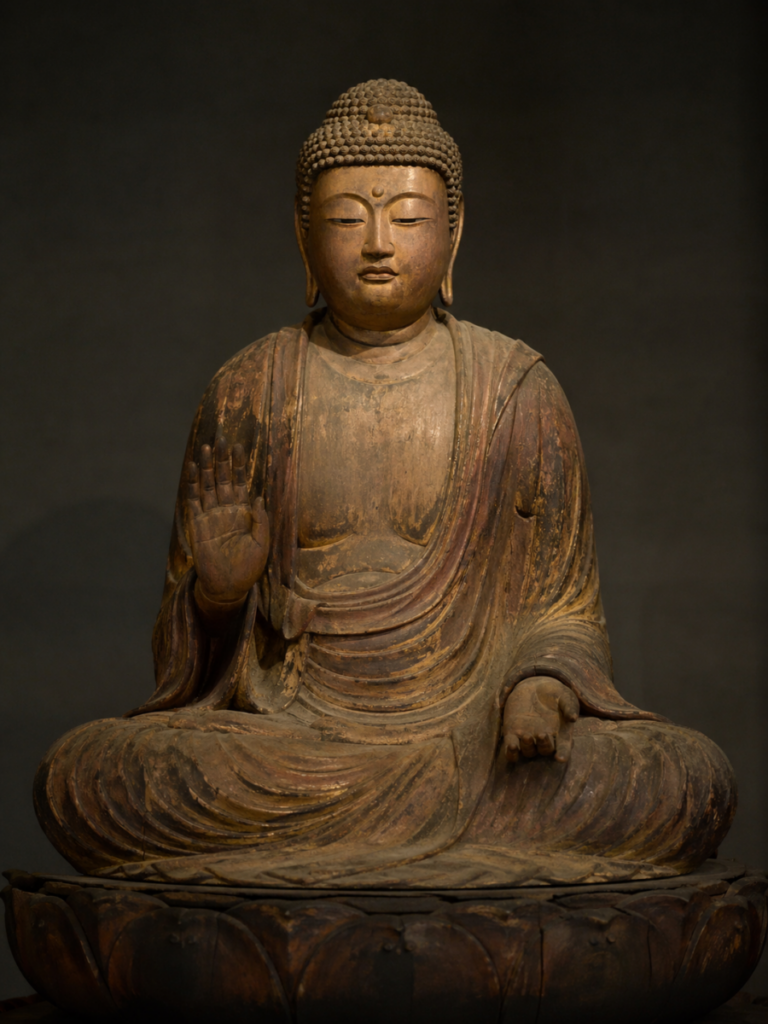
Clear Japanese provenance
Superior craftsmanship (especially wood carving and gilding)
Excellent preservation condition
Works Likely to Be Eliminated by the Market:
Unclear ownership history
Industrial reproductions
Over-restored pieces
In the future, the market will pay not only for age, but for:
👉 authenticity, rarity, craftsmanship, and cultural narrative.
Related Posts