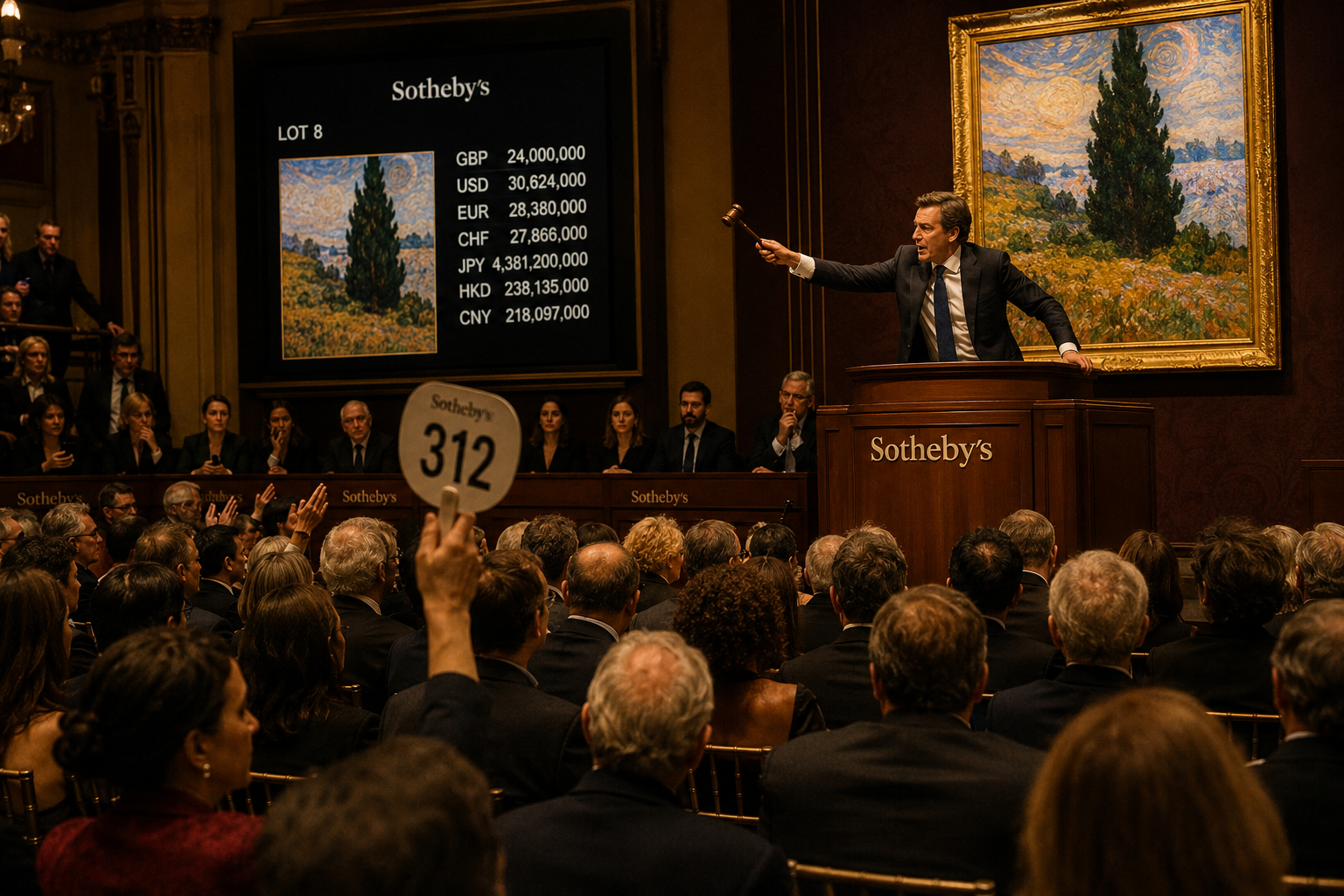
In recent years, those following the international auction market may have noticed an interesting phenomenon:…
The Sydney Opera House and the Poetic Revolution of Modern Architecture
I | A Architectural Manifesto Above the Harbour
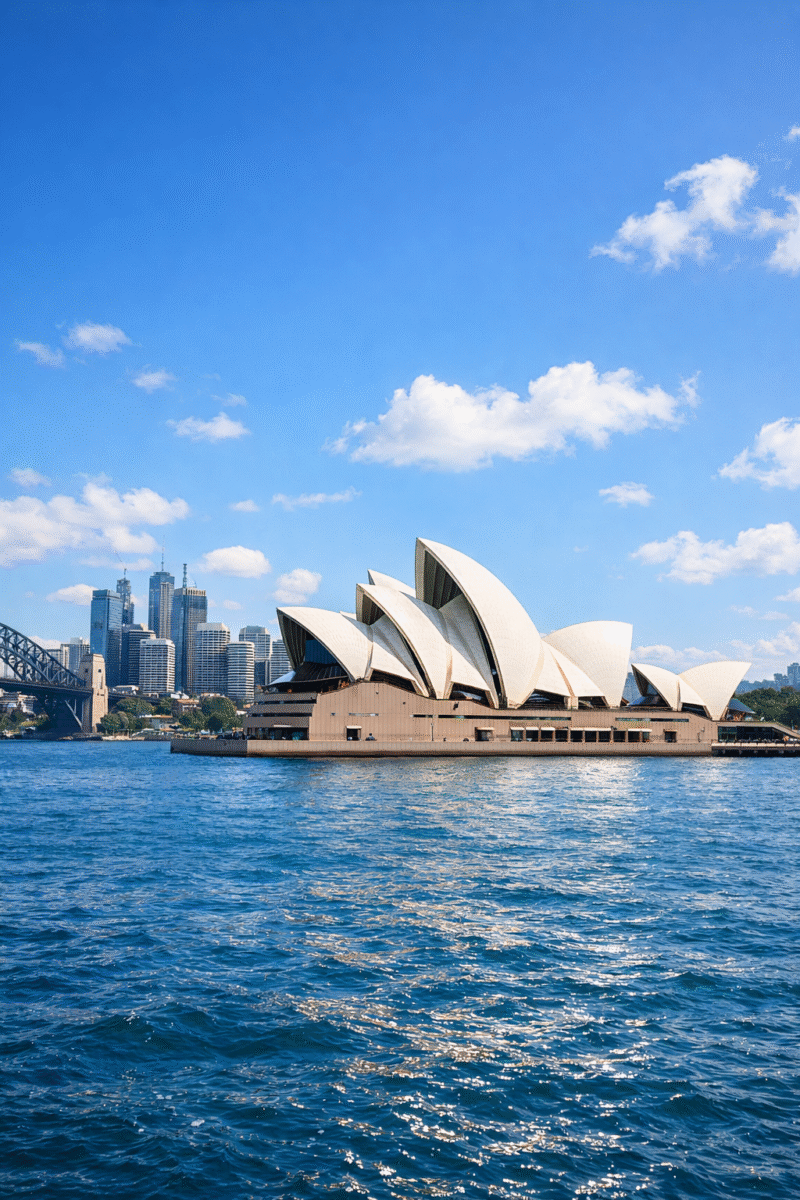
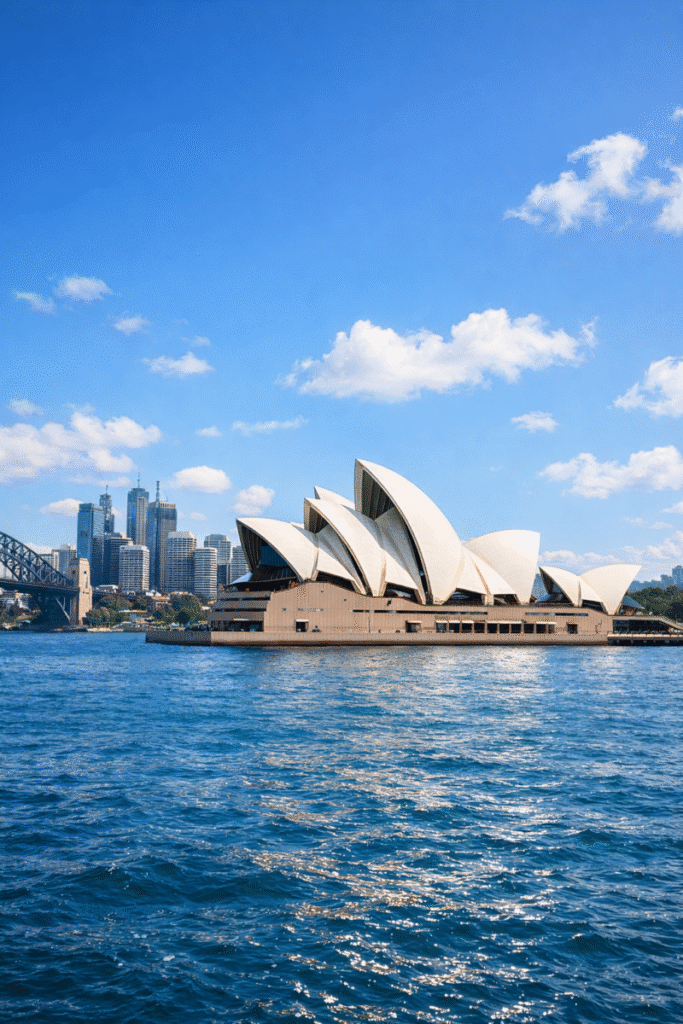
Between the deep blue waters of Sydney Harbour and the vast expanse of sky rises a cluster of white forms that resemble sails caught in the wind—the Sydney Opera House. It does not dominate through height, nor overwhelm through mass. Instead, with an unmistakably poetic gesture, it has become one of the most iconic buildings of the 20th century. Since its official completion in 1973, the Sydney Opera House has long transcended its identity as a “theatre,” standing today as a cultural symbol of Australia and an indispensable landmark in the history of modern architecture.
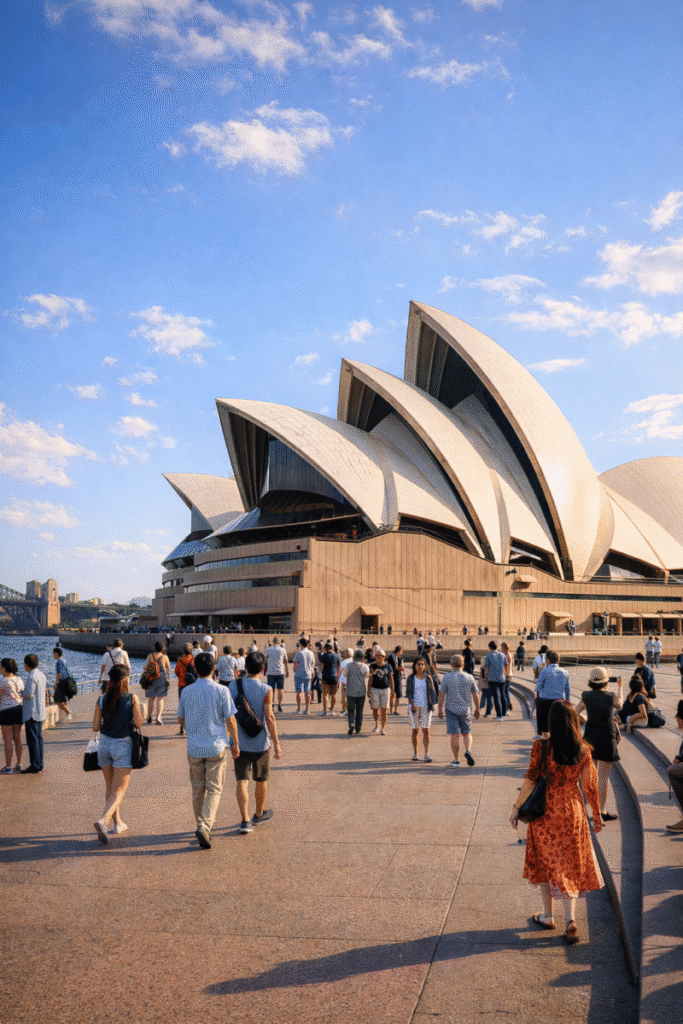
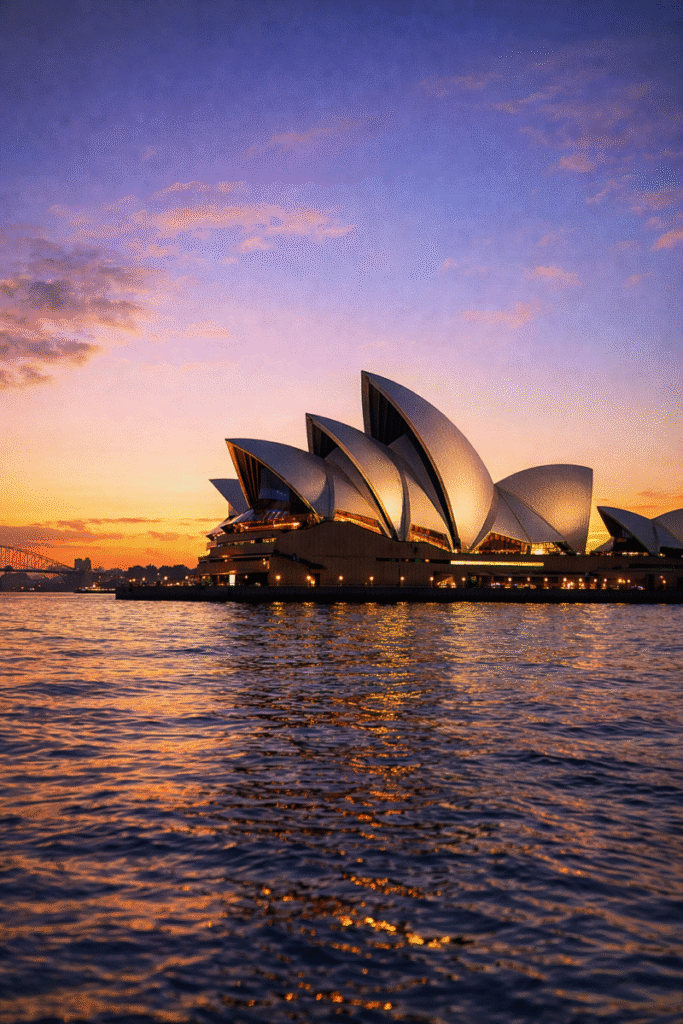
Situated on Bennelong Point, the Opera House forms a harmonious spatial relationship with the harbour, the city, and the sky. It is not an isolated object, but an integral part of the urban landscape. The water mirrors the curves of its white roofs, while shifting daylight gives the building dramatically different expressions throughout the day. This philosophy of coexistence with nature transforms the Opera House into a work of art meant to be viewed, experienced, and contemplated.
II | A Bold and Risk-Filled Beginning
The birth of the Sydney Opera House was, in itself, a daring architectural gamble. In 1957, a then 38-year-old Danish architect, Jørn Utzon, won the international design competition with a proposal that was technically unresolved yet artistically irresistible. Its expressive power captivated the jury despite the uncertainties it posed.
Utzon drew inspiration from nature—ocean waves, seashells, sails, even slices of an orange. Rather than forcing the building to submit to the city, he envisioned architecture as an extension of natural forms. This non-rational, non-function-first approach was radically avant-garde in the context of the prevailing modernist ideology of the time.
Yet this very boldness foreshadowed the immense challenges to come. The complex shell structures and unprecedented engineering demands turned the Sydney Opera House into one of the most technically difficult construction projects of its era.
III | Structural Aesthetics: When Engineering Becomes Art
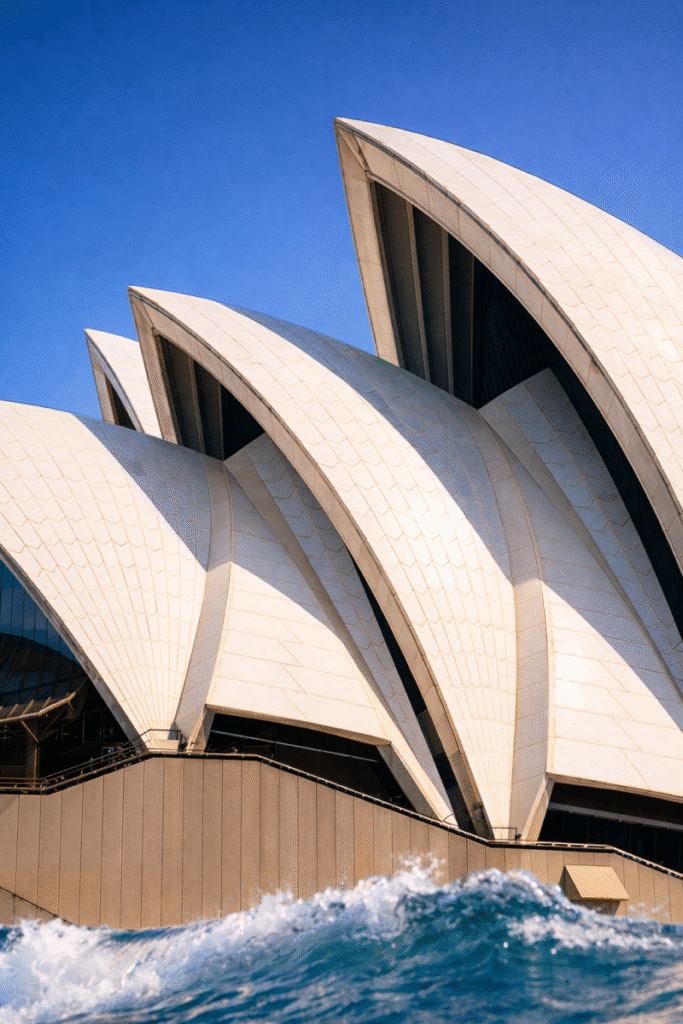
The most striking feature of the Sydney Opera House is its layered shell roofs. Though they appear to grow freely and organically, these curves are governed by a rigorous geometric system. Engineers ultimately resolved the structural challenge by deriving all shells from sections of a single sphere—a solution that unified form, logic, and constructability.
This breakthrough not only enabled construction but also endowed the building with a strong visual rhythm and coherence. The white ceramic tiles shimmer under sunlight, while shadows and curves intertwine, giving the static structure a sense of movement.
Here, structure is no longer concealed, and engineering is no longer merely technical—it becomes an integral part of aesthetic expression. The Sydney Opera House demonstrated to the world that reason and emotion, technology and poetry, can coexist within architecture.
IV | Resonance Between Space and Art
As a performing arts center, the interior of the Sydney Opera House accommodates a rich range of cultural functions. Opera halls, concert halls, and theatres are carefully embedded within the shells. Although early acoustic issues sparked criticism, continuous adjustments and renovations eventually elevated the building into a world-class performance venue.
More importantly, the Opera House reshaped our understanding of artistic space. Art is no longer confined to interior stages—it extends into the architecture itself, into the plazas, and out toward the harbour’s edge. Even visitors who never step inside can feel its artistic presence from the surrounding public spaces.
The Sydney Opera House is a building completed simultaneously through observation and use, allowing art to merge seamlessly with everyday urban life.
V | Controversy, Regret, and Historical Legacy
The construction of the Sydney Opera House was far from romantic. Severe budget overruns and repeated delays ultimately led to Jørn Utzon’s departure from the project in 1966, leaving him unable to witness its completion. This remains one of the most poignant chapters in modern architectural history.
Yet time has softened the controversies. In 2007, the Sydney Opera House was inscribed on the UNESCO World Heritage List, becoming one of the youngest buildings ever to receive the honor. It was acclaimed as “one of the great architectural masterpieces of the 20th century.”
From initial misunderstanding to global recognition, the fate of the Sydney Opera House reflects a truth often seen in great art: genuine innovation is rarely embraced without struggle.
Conclusion | A Building That Belongs to the Future
The Sydney Opera House is not without flaws, but its irreplaceable creativity forever altered the relationship between architecture and the city, art and the public. It reminds us that buildings are not merely functional containers—they are cultural expressions that shape both the present and the future.
As the sun sets and the white “sails” gradually turn golden along the harbour, the Opera House continues to speak to the world:
true art is always worth the risk.
Related Posts