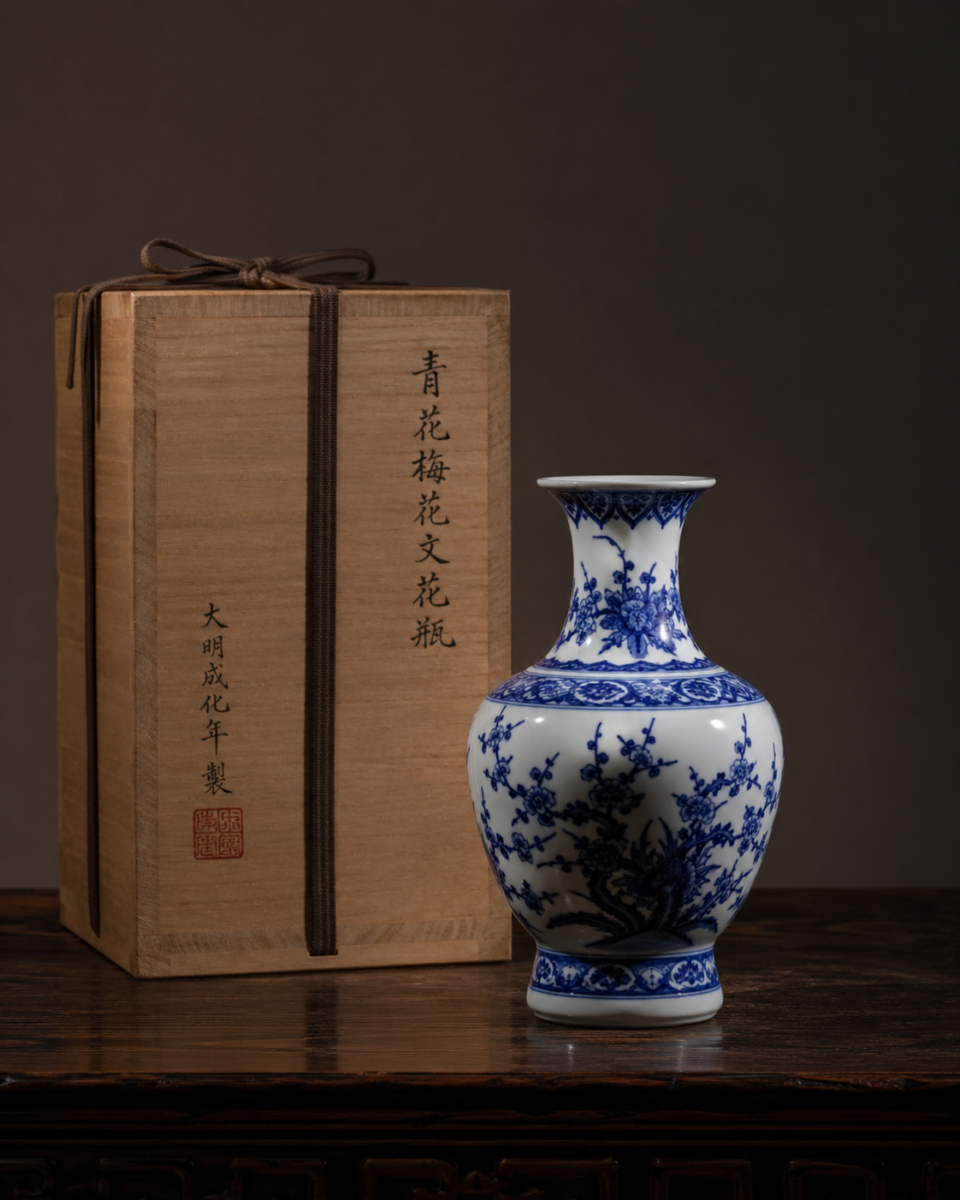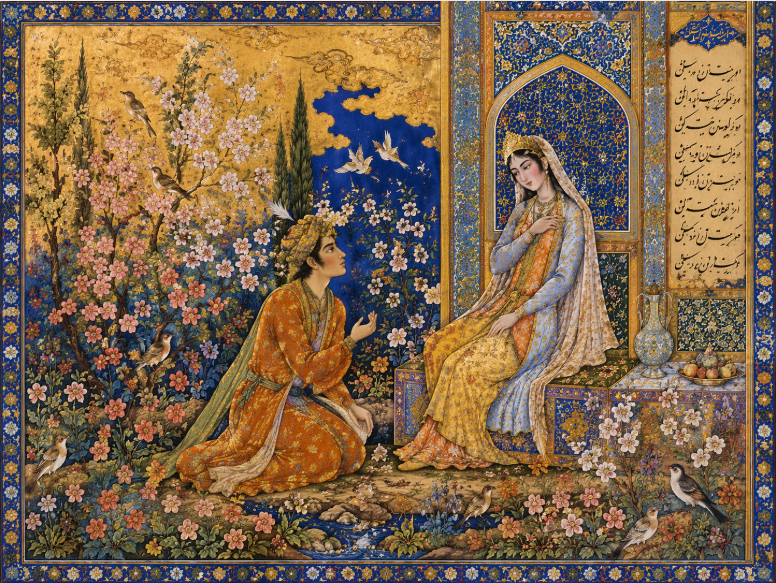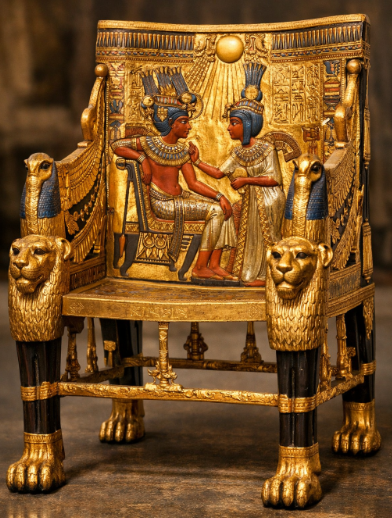
In the world of art and antique auctions, the phrase “formerly collected in Japan” (or…
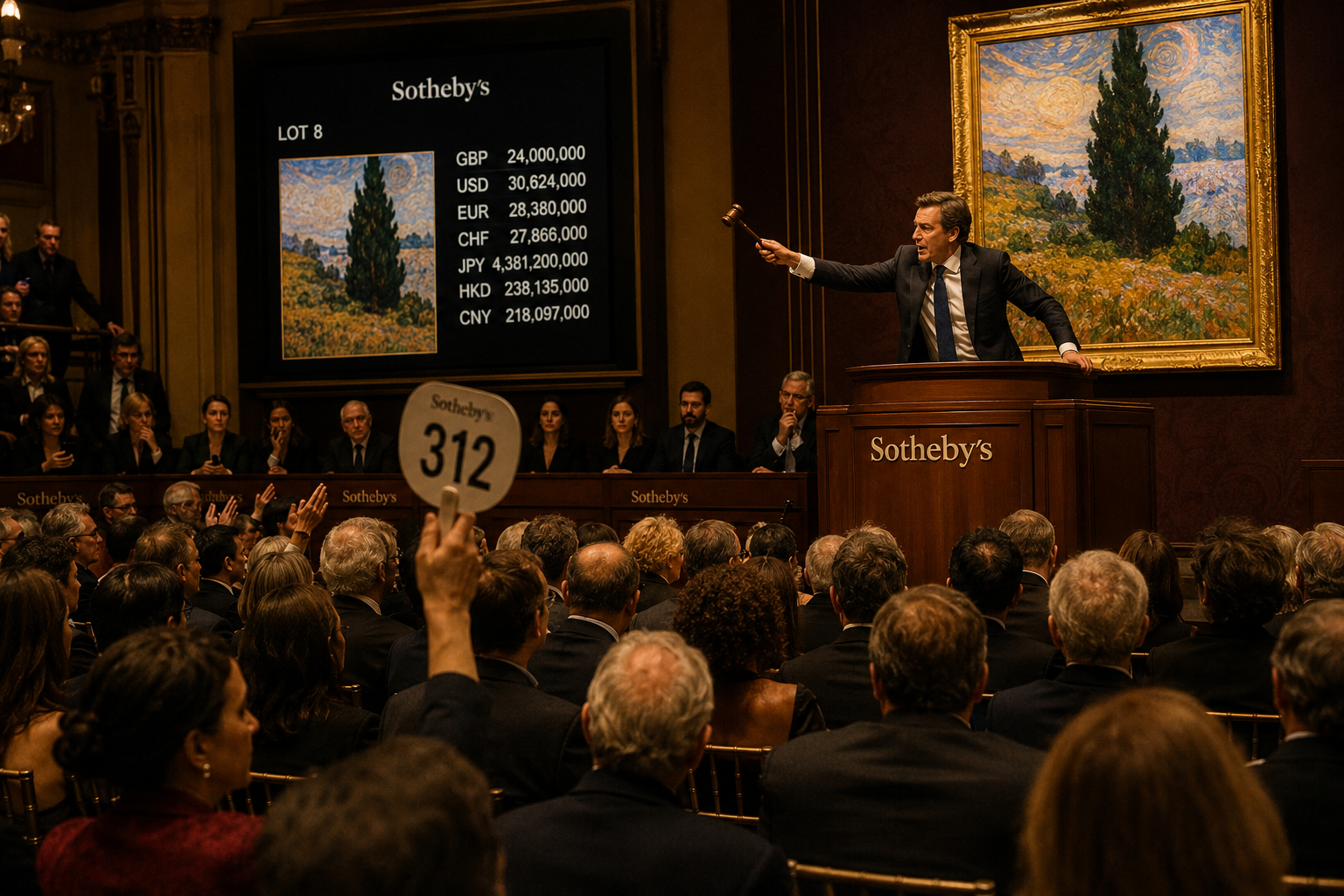
Oriental Treasures, Western Battles: Why Are Chinese Antiques Becoming a Global Safe-Haven Asset?
In recent years, those following the international auction market may have noticed an interesting phenomenon: in the top auction houses of London, Paris, and New York, despite the turbulent global economic landscape, high-fired ceramics, Ming and Qing furniture, and ancient bronze vessels have not only failed to cool down but have repeatedly fetched record-breaking prices.
Auction data from 2025 into early 2026 tells us one thing: the global of Chinese antique art hasn’t declined — instead, it has become a safe haven for capital in a downturn.
Why, in this uncertain world, are Western collectors and capital frantically “hoarding” Chinese antiques? Behind this is not merely a convergence of aesthetics, but a profound game involving capital, cultural discourse power, and generational change.
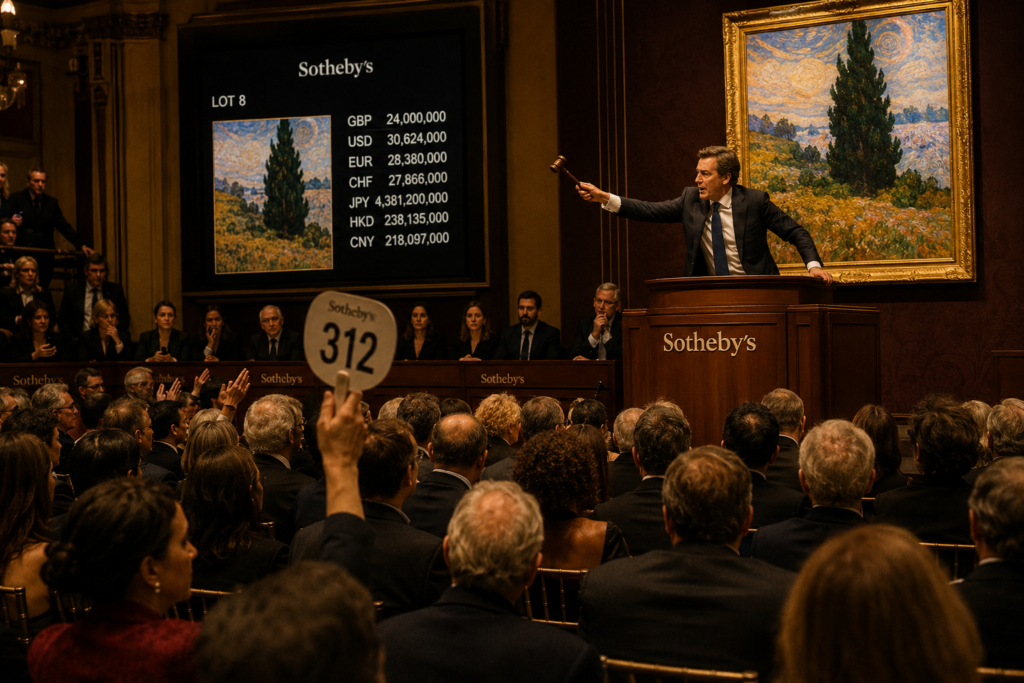
1. A “Safe Haven” for Global Assets: The Ark Against Uncertainty
This is the most realistic and core logic.
Since 2025, the global political and economic landscape has continued to shift, with rising trade barriers and volatility in stock and crypto markets. For ultra-high-net-worth individuals, finding a “hard asset” that is not influenced by any single country’s economic policies and can preserve value over the long term has become urgent.
Top-tier Chinese artworks are playing this role.
As a senior expert at Bonhams noted, a piece of Qianlong imperial porcelain or a Ming-dynasty Huanghuali furniture item with clear provenance is globally recognized for its scarcity. In the past, people bought stocks and real estate. Now, top tycoons are turning their gaze to non-renewable cultural assets. In 2025, a pair of Qianlong bronze bixie creatures sold for €4.06 million in Paris, exceeding estimates 13 times over — that’s capital searching for certainty.
In the context of global asset shrinkage, ancient Chinese artworks have become a Noah’s Ark that transcends geographical and political-economic risks.
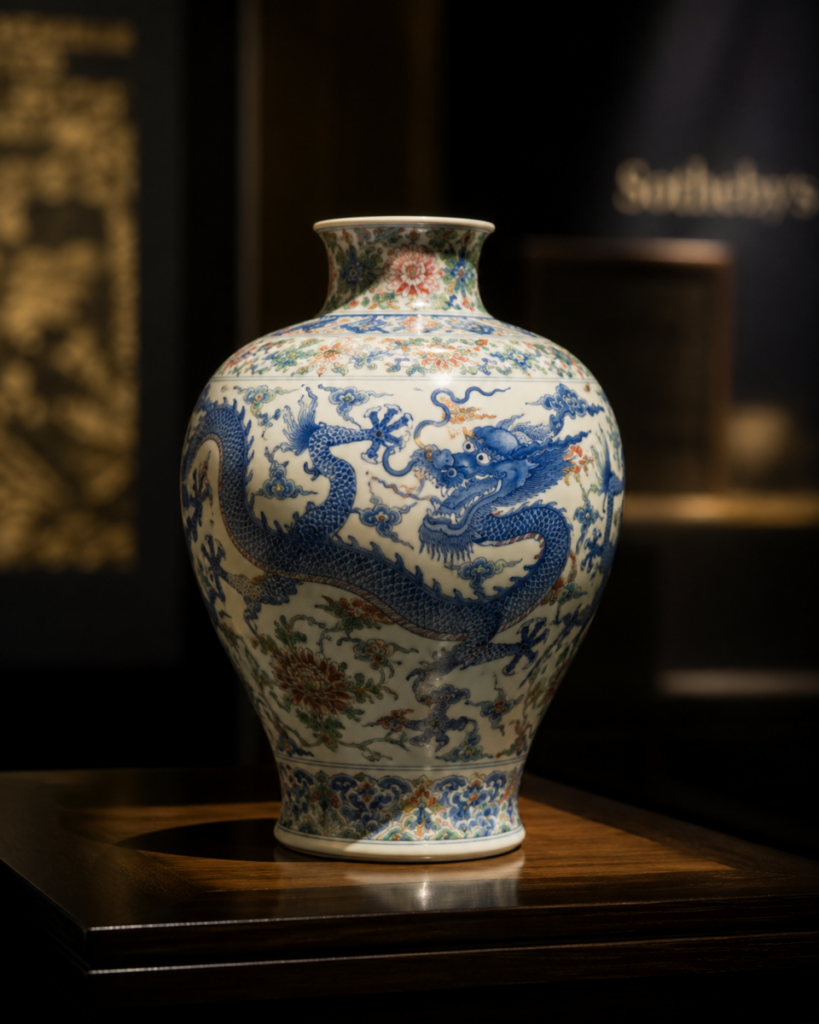
2. From “Oriental Exoticism” to “Scholarly Consensus”: The Evolution of Western Taste
Decades ago, Westerners often viewed Chinese antiques through a lens of exotic “Orientalism.” But that has completely changed.
This is thanks to decades of deep cultivation by Western museums and academia. Take “Chinese scholar’s rocks” as an example. Westerners used to be unable to understand those jagged stones. But after academic exhibitions and catalog publications by institutions like the Metropolitan Museum of Art and Harvard University, the scholar’s rock — as the spiritual totem of ancient Chinese intellectuals — has been deeply decoded by Western elites.
Similarly, regarding the minimalist aesthetics of Song dynasty ceramics — “the blue of sky after rain” — Western collectors can now eloquently analyze their philosophical connotations. This academic promotion has freed Chinese antiques from the label of mere “old objects,” elevating them to top-tier aesthetic symbols of human civilization. When masks from Sanxingdui or jade cong from Liangzhu appear at major international auctions, they represent the depth of Chinese civilization, which collectors worldwide find irresistible.

3. The Buyer Profile Has Changed: When Millennials Meet Eastern Aesthetics
Who’s buying? This is key to observing the market.
You might be surprised to learn that those raising paddles at Chinese antique auctions now include not only the expected erudite older gentlemen but also a large number of “millennials” and “educated new elites.”
According to data from Christie’s and other auction houses, in recent significant sales of Chinese furniture and works of art, more than a quarter of buyers were millennials (under 40), and nearly 15% were new to the category.
This generation has distinct characteristics:
First, they have strong aesthetic sense, having received excellent international education, enabling them to appreciate pure beauty across cultural barriers.
Second, they heavily rely on provenance. They buy antiques not only because they love them but also to display cultural taste in their social circles. A painting or calligraphy recorded in the Shiqu Baoji (Imperial Treasuries Catalogue), or a piece from a renowned American private furniture collection, becomes the most valuable “social currency.”
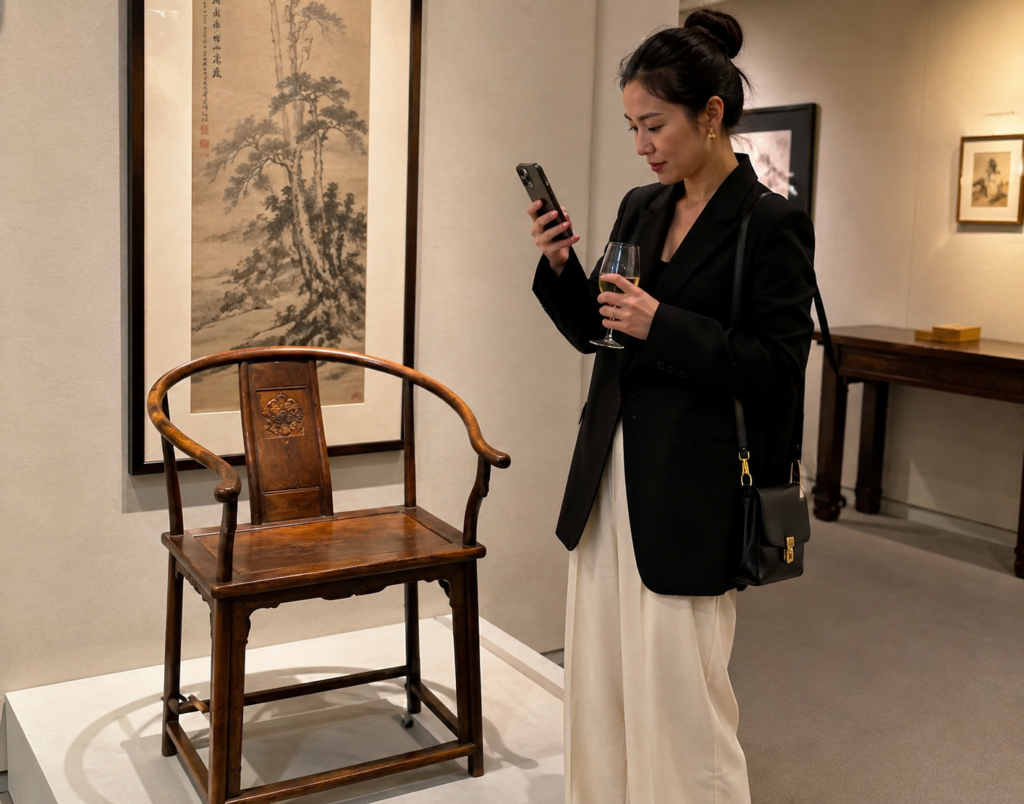
4. An “Accidental” Geopolitical Boost: Rebalancing “European Heat” and “American Cold”
There’s an interesting ebb and flow here.
In the past, New York was the center for Chinese artworks in the West. But due to recent tariff policies and trade restrictions, the cost of moving artworks in and out of the US has skyrocketed, hindering transactions. So where has the capital flowed? Paris.
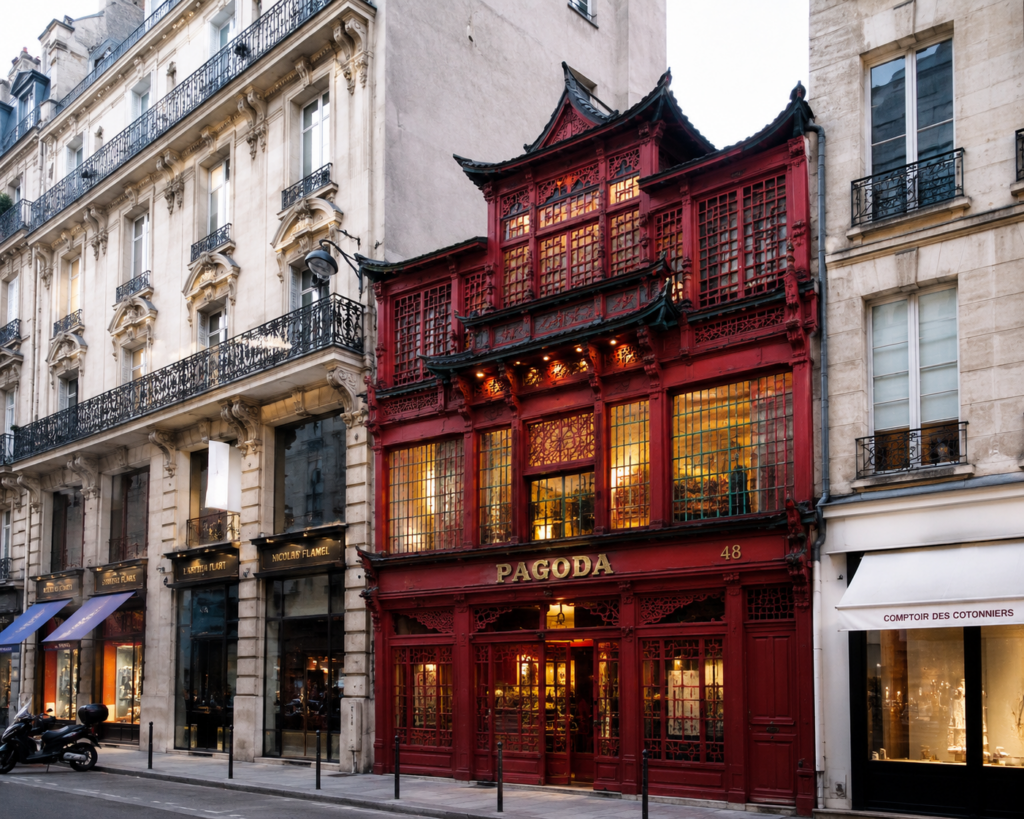
In 2025, post-Brexit Britain faced bottlenecks, while Paris emerged as a new hub for Chinese artworks in Europe. The legendary Pagoda Paris has been revitalized, and collectors from Hong Kong and New York have started frequently flying to Paris on treasure hunts. This geopolitical shift has activated the excavation and trading of Chinese antiques in continental Europe, pushing the market’s enthusiasm to a new peak.
5. Ancestral Aesthetics Are “Coming Home”
The final reason is filled with emotion and a sense of belonging.
Behind this wave of enthusiasm is a powerful group of buyers: collectors from China and Asia.
Although this article focuses on the “European and American market heat,” experts observe that the most important buyers often come from Asia. With China’s growing comprehensive national power, overseas Chinese and Asian collectors have the financial strength to repurchase treasures that were lost overseas over the years. This is a “cultural repatriation.” Bringing national treasures back into Chinese hands is not only an asset allocation strategy but also a demonstration of cultural confidence.
Conclusion
This “Renaissance” of Chinese antiques in Europe and America is not an accidental hype, but a long-term trend driven by capital’s search for safety, backed by academic research, and carried forward by a new generation of global collectors.
As a seasoned collector once said: “You might not understand contemporary art graffiti, but you cannot deny the exquisite craftsmanship of imperial porcelain from the Kangxi, Yongzheng, and Qianlong reigns. That represented the world’s greatest productive power of its time, and today, it remains a top-tier human treasure.”
Whether for wealth preservation or the continuation of civilization, when the traces left by the Eastern dragon throughout history become treasures jointly protected by people worldwide, it precisely demonstrates the powerful vitality and universal value of Chinese culture.
Related Posts