In recent years, those following the international auction market may have noticed an interesting phenomenon:…
Miniature Painting: A Vast World Within a Tiny Space
In the long river of art, there is a form of painting that reveals the “grand” through the “small,” carrying infinite imagination within a limited frame — this is miniature painting.
What is Miniature Painting?
Miniature painting, as the name suggests, is an art form characterized by its small scale and extraordinarily meticulous execution. It typically appears in book illustrations, manuscript decorations, miniature portraits, or jewelry inlays. Unlike large-scale murals or oil paintings, miniature painting requires the viewer to draw near, to gaze closely, and sometimes even to use a magnifying glass to fully appreciate its exquisite details.
A Historical Journey Across Millennia
The origins of miniature painting can be traced back to the illustrations in ancient Egyptian Book of the Dead and the decorative elements in Greco-Roman scrolls. However, it was in the courts of medieval Persia, the Mughal Empire of India, and the Ottoman Empire that miniature painting truly flourished.
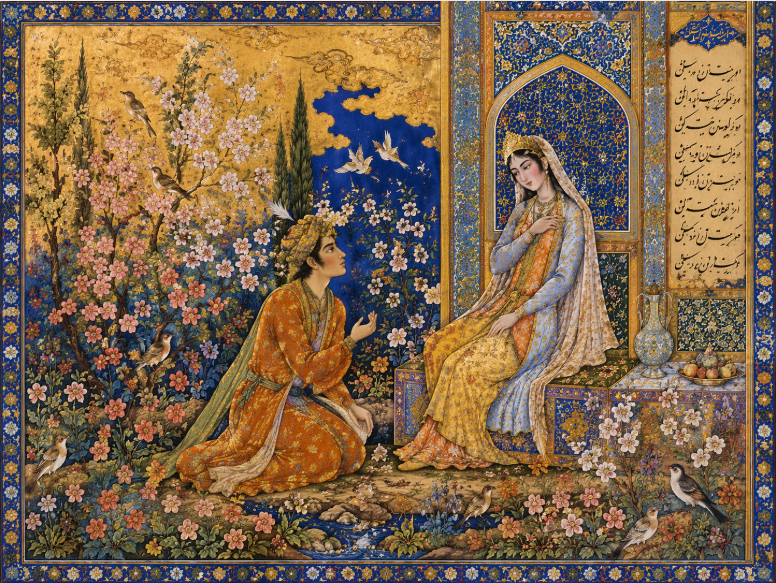
Persian Miniature Painting: Renowned for its poetic compositions, brilliant colors, and idealized figures. The most famous works are often illustrations for Ferdowsi’s Shahnameh (The Book of Kings) and the lyrical poems of Hafez. With delicate brushstrokes, artists would depict gardens, nightingales, lovers, and battles — condensing an entire world of Persian literature onto a surface no larger than the palm of a hand.
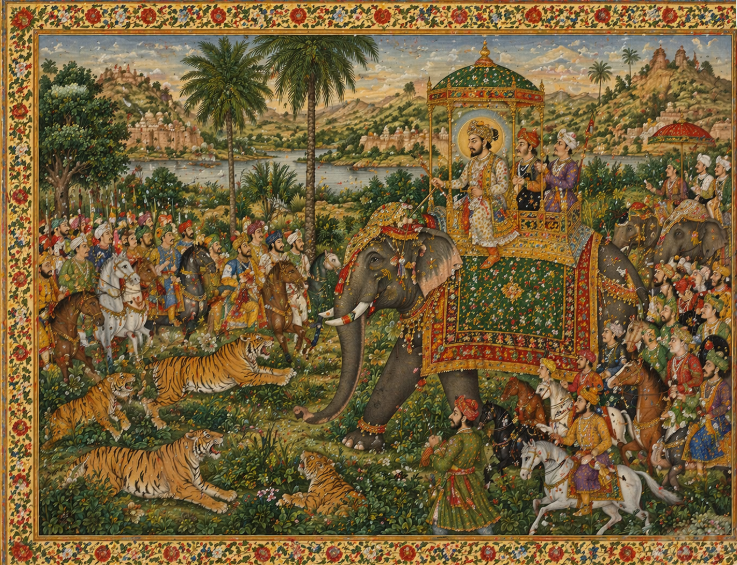
Mughal Miniature Painting: Blending Persian traditions with indigenous Indian elements, this style placed greater emphasis on realism. During the reign of Emperor Akbar, court artists documented hunting scenes, grand court assemblies, flora and fauna, and even painted “portraits” of each royal elephant.
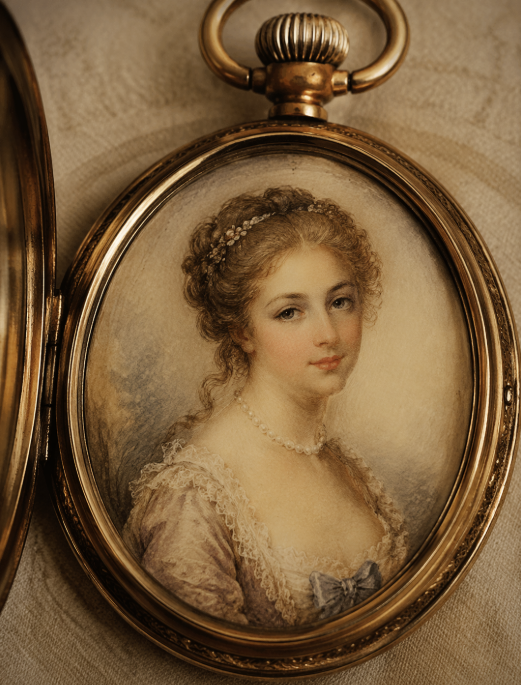
European Miniature Painting: Before the invention of photography, miniature portraits were an important way for the nobility to convey emotions and commemorate loved ones. A small portrait hanging from a pocket watch chain might conceal a love story.
Why is miniature painting so captivating?
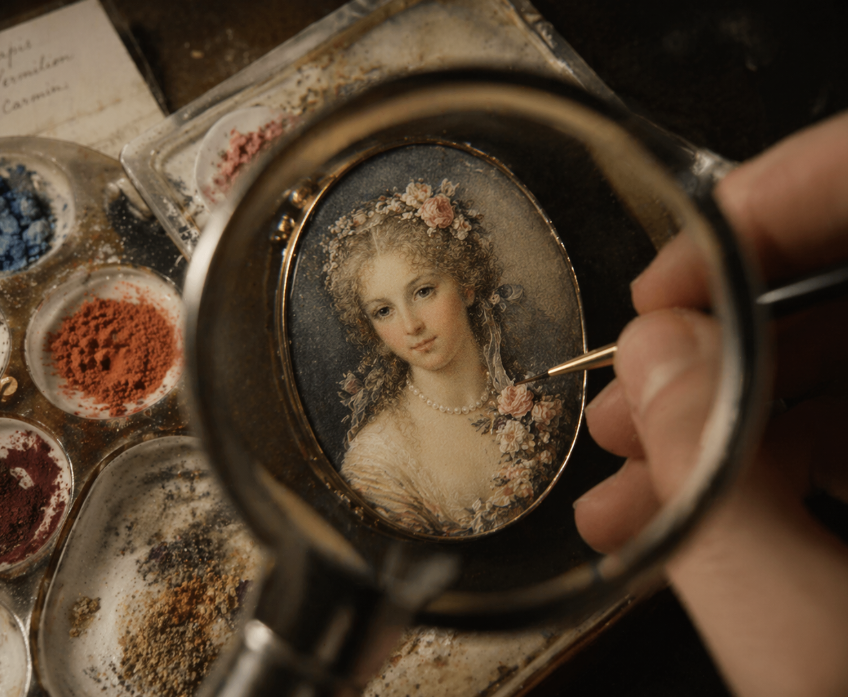
The ultimate technical challenge: Miniature painting often employs a single brush made from squirrel hair, with pigments derived from minerals (lapis lazuli, cinnabar), plants, or even crushed insects. The artist works under a magnifying glass; a single petal might be built from a dozen or more thin glazes of color, and a single piece could take months or even years to complete.
A cosmic view within the microcosm: In Persian miniature painting, there is no linear perspective, but rather a “god’s-eye view of the world” — figures near and far are rendered in the same scale, and different moments in time can be depicted simultaneously (for example, seeing both the interior and exterior of a palace in the same image). This is a poetic truth that transcends physical reality.
The power of the margins: Miniature painting has often been regarded as a “minor art” because it serves books and decoration. Yet, precisely for this reason, it has escaped the grand narratives of mainstream art history, preserving more intimate and delicate emotions and aesthetics.
Miniature Painting Today
Today, miniature painting is far from extinct. In Iran, India, and Turkey, many family-run workshops continue to thrive across generations. Contemporary artists are also exploring new possibilities: some are merging miniature painting with street art; others are depicting themes of war and refugees on tiny surfaces; and some are using the techniques of miniature painting to portray science fiction scenes.
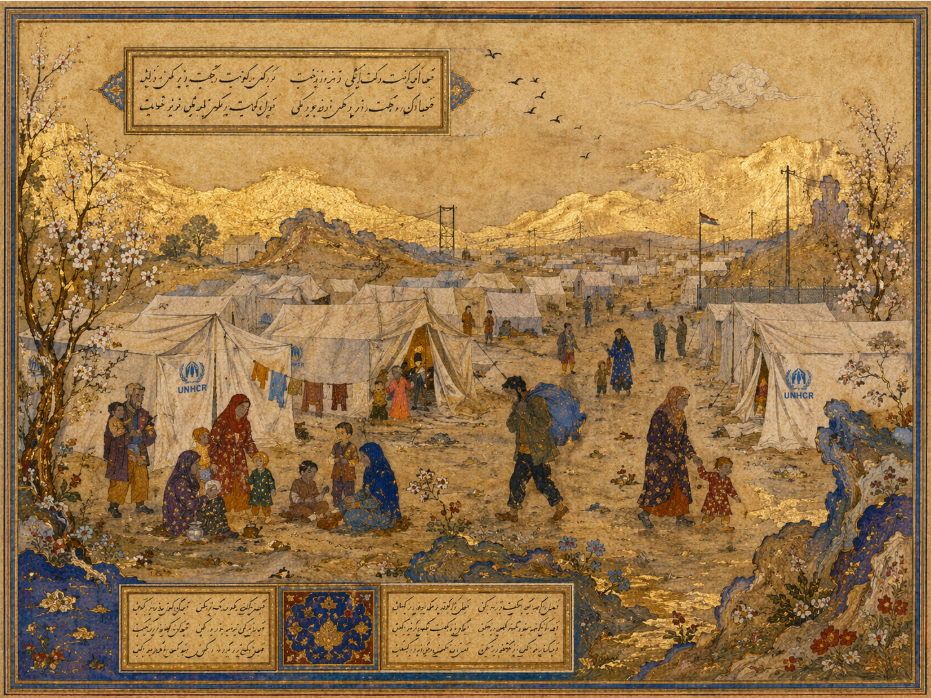
In 2019, Afghan-born artist Khadim Ali used miniature painting to depict daily life under Taliban rule—the resistance and resilience captured within those tiny frames introduced the world anew to the power of this ancient art form.
Related Posts