In recent years, those following the international auction market may have noticed an interesting phenomenon:…
The Origin of Furniture: From Shelter from Wind and Rain to the Art of Living
Furniture, our ever-present companion — where did it come from? Its history is nearly as old as human civilization itself.
Ancient Times: The Sprouts of Utilitarianism
In primitive societies, humans had no concept of “furniture” at first. Caves and tree shades were natural dwellings; the ground and stones were natural “seats.” As lifestyles shifted from nomadic hunting to settled living, people began to transform their living environments.
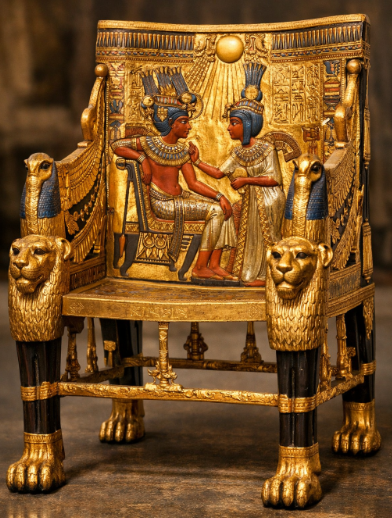
Around 3000 BCE, the ancient Egyptians were the first to truly create furniture. The Nile Valley lacked timber, so they used precious woods such as ebony and blackwood, adorned with gold and ivory. The folding beds, thrones, and storage chests unearthed from Tutankhamun’s tomb are astonishing in their craftsmanship — folding designs, mortise-and-tenon structures — these later-celebrated techniques appeared over four thousand years ago.
Ancient Egyptian furniture had several distinct characteristics: high legs — to prevent moisture and insects; sloping backrests — enhancing comfort; animal-shaped legs — both decorative and symbolic of the worship of strength.
Ancient Civilizations: Distinctive Developments
The ancient Greeks pursued harmony and order. Their klismos chair featured an elegant curved backrest and outward-curving legs, becoming a source of inspiration for later Neoclassical furniture. However, the Greeks valued public life more, so their furniture was relatively simple, primarily used for feasting and conversation.
The ancient Romans, in contrast, turned furniture into symbols of power and wealth. They used marble, bronze, and precious woods extensively, creating massive dining tables and ornate couches (lectus). The Romans invented the earliest “wardrobes” (armarium) and widely used metal hinges and locks.
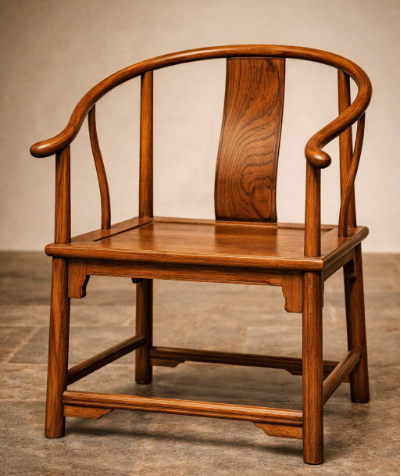
Ancient China saw a unique development path. During the Shang and Zhou dynasties, bronze vessels served both as ritual objects and “furniture” — people knelt on mats with low tables and stands before them. The Han dynasty saw the emergence of the ta, a low platform for sitting or lying. During the Wei, Jin, and Northern and Southern Dynasties, influenced by nomadic peoples, the “barbarian bed” (a folding stool) was introduced, changing the Chinese habit of sitting on the floor. By the Tang and Song dynasties, high-style furniture gradually became widespread, and sitting with legs hanging down became the norm. The Ming and Qing dynasties pushed furniture craftsmanship to its peak — mortise-and-tenon joints without a single nail or rivet, flowing lines, and jade-like patina — still admired worldwide today.
The Middle Ages to the Renaissance: The Fusion of Function and Aesthetics
In medieval Europe, furniture served primarily castles and cathedrals. Gothic architectural styles influenced furniture design, with pointed arches and openwork carvings becoming common elements. Furniture from this period was heavy, sturdy, and often combined seating with storage — a bench could seat people, and lifting the lid revealed storage space.
During the Renaissance, humanist values permeated furniture design. Italy, France, Germany, and other regions saw the emergence of exquisite carving and inlay techniques. Furniture was no longer purely utilitarian but became an art form showcasing status. Louis XIV’s Baroque style pursued grandeur and movement; the 18th-century Rococo style turned to delicacy and grace, using floral and shell motifs extensively.
The Industrial Revolution: The Democratization of Furniture
This was the most significant turning point in furniture history. From the late 18th to the 19th century, machine production replaced manual craftsmanship, and furniture was no longer a luxury for the few.
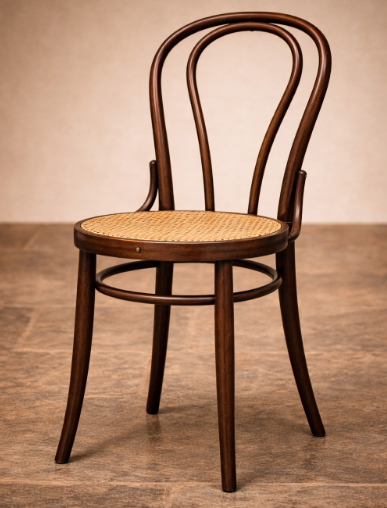
New materials emerged: cast iron, plywood, and bentwood techniques (Michael Thonet invented steam bending, producing light, elegant bentwood chairs that became ubiquitous in cafes).
Mass production drove prices down significantly, allowing ordinary households to own comfortable beds, dining tables, and wardrobes.
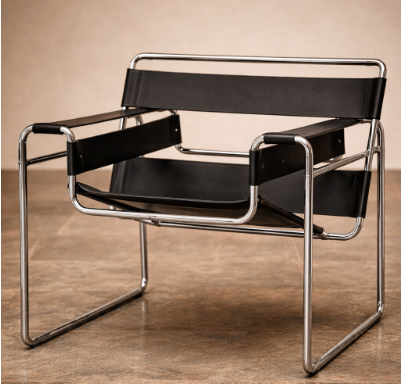
Design movements arose: In the latter half of the 19th century, William Morris launched the Arts and Crafts Movement, reflecting on the crudeness of industrialization and advocating a return to handcraftsmanship. Subsequently, Art Nouveau and the Bauhaus school emerged, establishing the fundamental principle of modern furniture: “form follows function.”
Modern and Contemporary: Infinite Possibilities
From the 20th century to the present, furniture design has entered an era of diversity.
Modernist masters created countless classics: Le Corbusier’s steel tube chairs, Mies van der Rohe’s Barcelona Chair, Alvar Aalto’s bentwood furniture… They pursued simplicity, rationality, stripping away all superfluous ornamentation.
The post-war boom saw new materials like plastics, fiberglass, and plywood grant designers unprecedented freedom. Verner Panton’s cantilever chair, Eero Saarinen’s Tulip Chair — their forms had never been seen before.
Contemporary furniture presents an even richer tapestry: ergonomics and health considerations, sustainability and eco-friendliness, smart furniture and IoT technology, modularity and personalized customization… You can choose the Eastern elegance of a Ming-style yoke-back chair, the minimalist warmth of Nordic design, or a smart bed with sensors, an electrically height-adjustable desk.

The Story of Furniture is the Story of Humanity
Looking back at the evolution of furniture, we see a clear trajectory: from the basic need for shelter, to the pursuit of comfort and health, to aesthetic expression and status symbol, and finally returning to a balance of function, aesthetics, and humanistic care.
Every piece of furniture is a slice of its time. The ancient Egyptian folding bed bears witness to the glory of pharaonic power; the Ming-style yoke-back chair embodies the spiritual pursuit of the literati; the Bauhaus steel tube chair echoes the rational spirit of the industrial age; and the cozy sofa in your home today represents the simple, modern desire for quality of life.
The origin of furniture, at its core, is humanity’s ongoing effort to improve its own living conditions. It is both material and spiritual; both technical and artistic. The next time you sit in a chair, take a moment to consider — this chair’s form may have originated from a flash of inspiration from a craftsman thousands of years ago.
Related Posts