In recent years, those following the international auction market may have noticed an interesting phenomenon:…
“Palms Holding the Light of Millennia: The Fiery Origins and Civilizing Path of Glassware”
Sunlight streams through a clear drinking glass, casting a rainbow-hued spot on the table—a commonplace moment for modern people, yet one that spans a journey of fifty centuries. From the mysterious, lustrous beads discovered by chance in the desert to the indispensable transparent vessels on our dining tables today, the story of glass is an epic of fire and light in the history of civilization.
🔥 Tempered by Celestial Fire: Divine Serendipity in the Desert
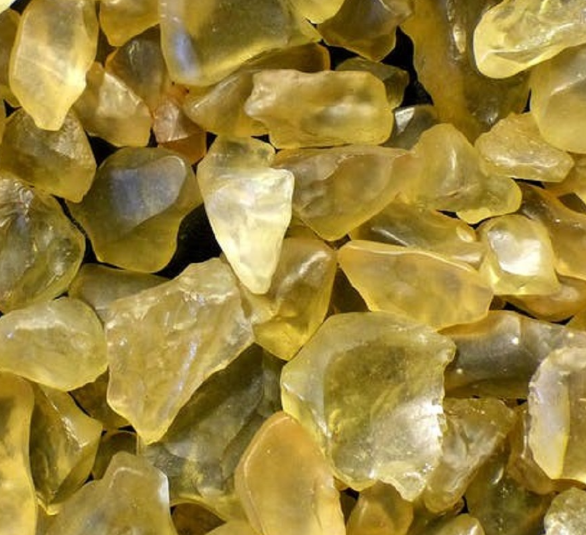
The earliest glass was not made by human hands, but a generous gift of nature. Around 3500 BCE, travelers in ancient Egypt and Mesopotamia, crossing the deserts of what is now Syria or Egypt, happened upon scattered, colorful “gems” in the sand—these were, in fact, natural glass formed when lightning struck quartz-rich sand, melting it instantly at high temperatures before it cooled and solidified.
This marvel inspired the earliest artisans. Around 1600 BCE, the ancient Egyptians mastered the art of “turning sand into gold.” They packed quartz sand mixed with plant ash (natron) around clay molds and fired them in high-temperature kilns, creating the first glass paste. They wrapped this paste around stone or ceramic cores like colored clay, and once cooled, removed the core to produce the earliest small vessels and ornaments. Crude as it was, this process kindled the first man-made light of transparency for civilization.
👑 The Light of Empires: Phoenician Breakthroughs and Roman Radiance
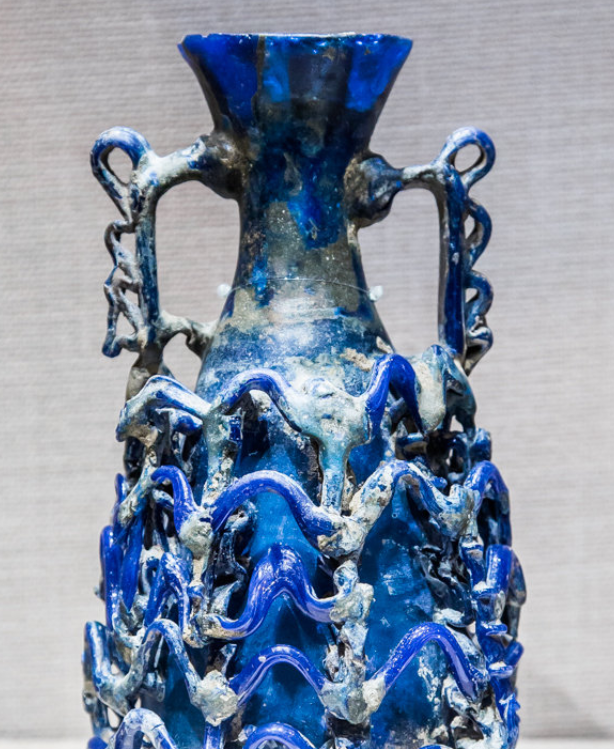
The true technological leap took place on the eastern shores of the Mediterranean. In the 1st century BCE, Phoenician craftsmen—or, according to some accounts, Syrian artisans working at the crossroads of civilizations—invented the iron blowpipe for glassblowing. This innovation was nothing short of miraculous: the craftsman would gather molten glass on one end of the pipe and blow into it as if inflating a balloon, harnessing the plasticity of the material. With nothing more than breath and a turn of the wrist, vessels of countless forms could be shaped.
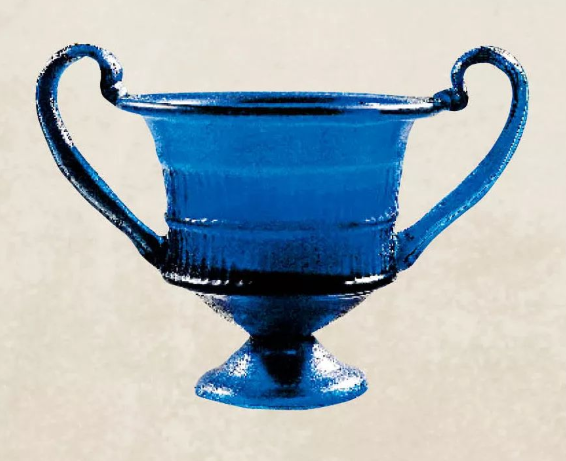
The Roman Empire embraced this invention with fervor, elevating the craft to its pinnacle—both in utility and artistry. They not only established mass production but also developed sophisticated techniques such as Murano mosaic glass and millefiori. Glass thus descended from the realm of the divine, evolving from a costly luxury into everyday storage jars, drinking vessels, and window panes accessible to ordinary citizens. The first true “glass factories” emerged. Pliny the Elder wrote in his Natural History: “Glass has become so common that even the humblest household can enjoy the blessing of light.”
🏰 Stained Glass Sanctity: Medieval Vessels of Faith
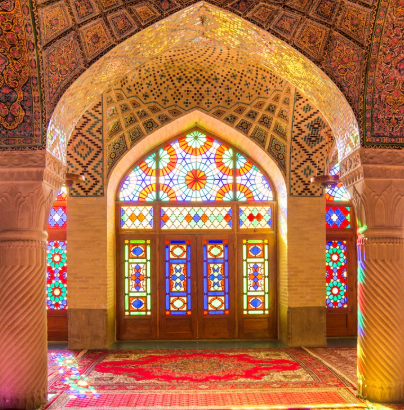
The Western Roman Empire fell, yet the flame of glassmaking did not die—it found new refuge within the walls of monasteries. In medieval Europe, the craft of glass served almost exclusively the Christian church. Artisans added metallic oxides to molten glass, creating hues as fervent as rubies and as deep as emeralds.
In France’s Chartres Cathedral and England’s Canterbury Cathedral, vast stained-glass windows replaced heavy stone walls. As sunlight streamed through, sacred narratives were cast in light and shadow upon the faithful. Though the production of glass vessels declined during this era, glass itself—as a “vessel of light”—underwent a transformation from everyday object to spiritual symbol. Beneath the spires of Gothic architecture, it composed a hymn of stone and light.
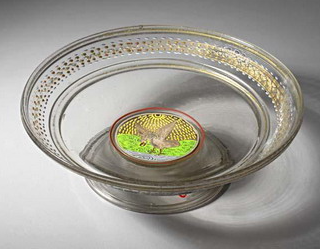
The democratization of the technology had to await the Industrial Revolution in the 19th century. In 1887, British inventor Ashley developed a semi-automatic bottle-blowing machine; in the early 20th century, American engineer Michael Owens’s fully automatic bottle-making machine revolutionized the industry. In 1903, the Belgian Émile Fourcault invented a mechanical sheet-drawing process, making flat glass cheaply and abundantly available. At last, glass moved from palaces and cathedrals into the cabinets and onto the tables of households around the world.
💎 A Universe in the Hand: A Transparent Legacy
Today, glassware is part of our “transparent everyday life.” Yet, at the end of the assembly line, there are still craftsmen who take up the blowpipe, and before the flame of 1400°C, breathe their own breath into molten silica—continuing the ancient magic that began in the desert five thousand years ago.
Every drinking glass is a time capsule. It holds the wonder of the first Egyptian artisan who witnessed sand fused into shimmer; the sweat of a Roman glassblower on his glowing iron rod; the reverie of a medieval glazier painting with sacred light; and the Industrial Age’s pursuit of a world made more accessible, more equal.
When we raise a glass of clear water, light bends and dances within it—what we hold is not merely a vessel for drink, but a transparent epic of human curiosity, creation, and the quest for light. This legacy is utterly clear, yet immeasurably profound.
Related Posts