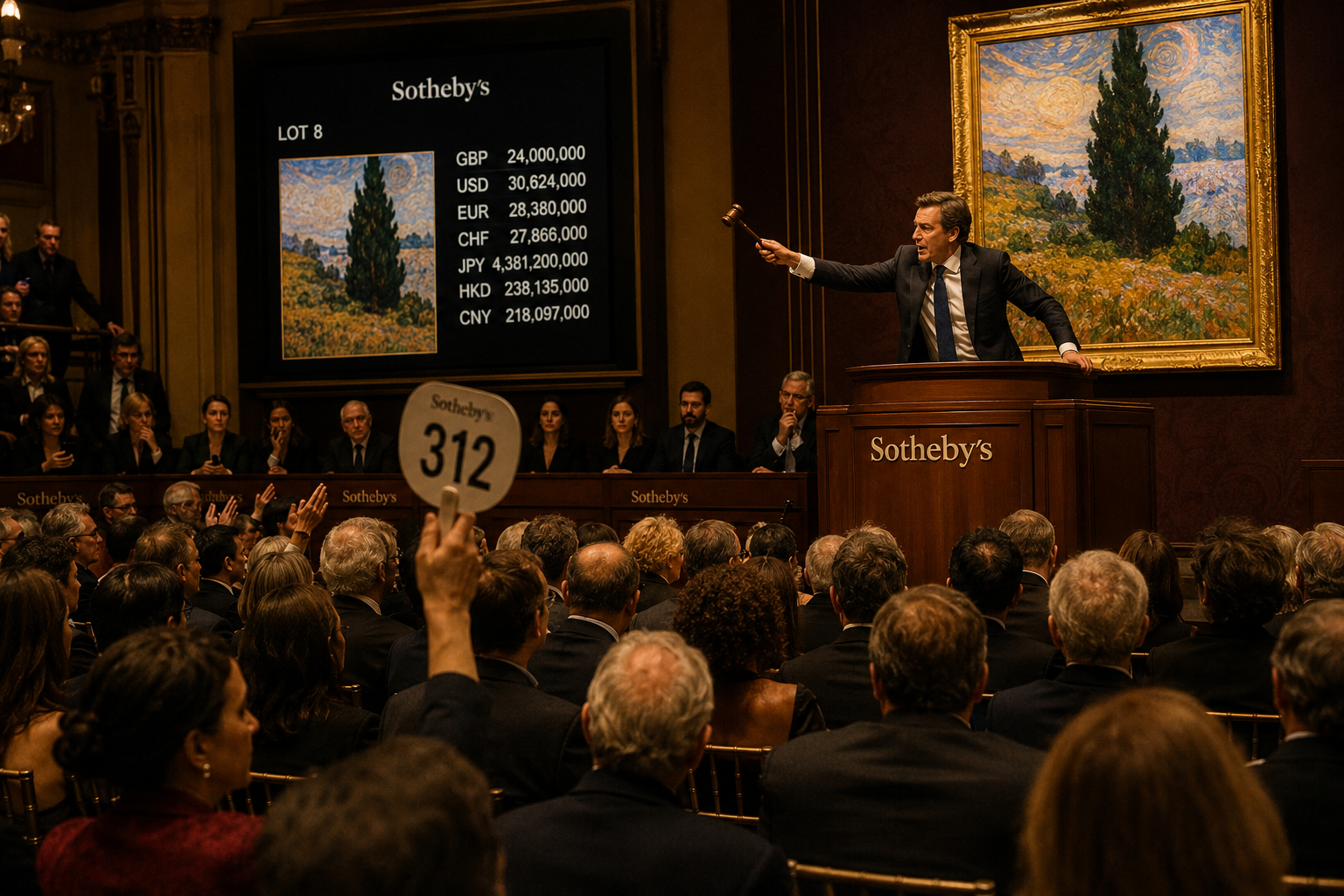
In recent years, those following the international auction market may have noticed an interesting phenomenon:…
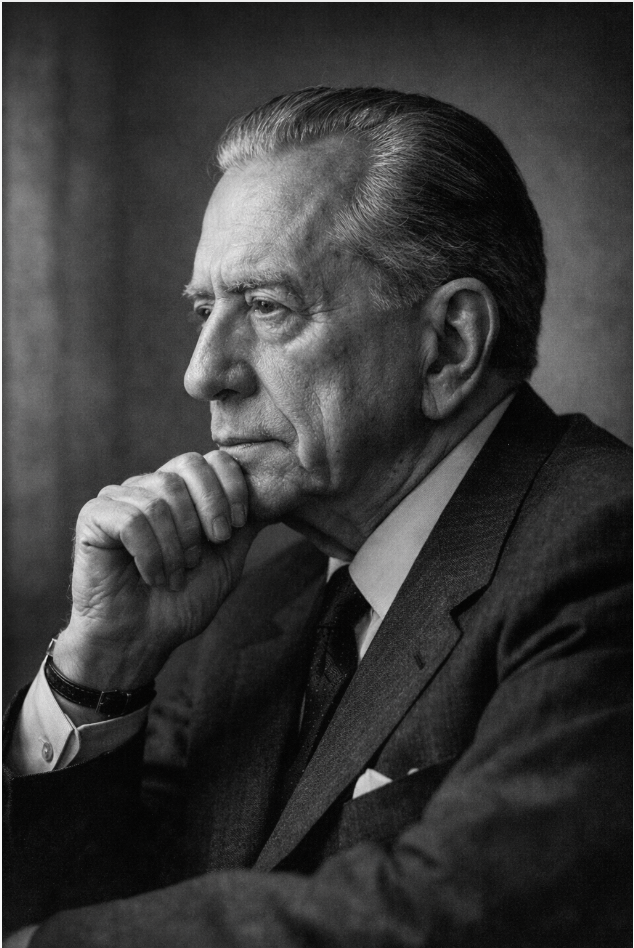
John Paul Getty: The Man Who Entrusted His Private Collection to Time
In the history of collecting, John Paul Getty is not the most romantic of names, yet he is undoubtedly one of the most consequential. He was not known for passion or legend, but rather for a nearly cold rationality that redefined what “collecting” could mean.
For Getty, collecting was not a display of personal taste, but an act meant to be tested by time—one that would ultimately enter the realm of public culture.
I. From Wealth to Collecting: A Rational Point of Departure
As one of the wealthiest individuals of the twentieth century, Getty possessed resources sufficient to sustain any life of luxury. Yet he showed little interest in consumption itself. What truly fascinated him was the creation of order.
Art and antiquities became an extension of this impulse toward order.
Getty was not an impulsive collector. He studied art history systematically, consulted specialists, and applied almost exacting standards to each object’s provenance, historical context, and state of preservation. Within his logic of collecting, visual appeal was never the primary criterion; the decisive question was always whether an object possessed enduring cultural value.
II. Less but Better: Getty’s Discipline of Collecting
What earned Getty the greatest respect was his restraint.
At a time when the art market was highly active, he neither chased trends nor allowed himself to be swayed by emotion. When confronted with price, reputation, and rarity, he adhered to a single principle:
if an object was not the finest of its kind, it was not worth collecting.
As a result, his collection was not large in quantity, but exceptional in quality. From ancient Greek and Roman sculpture to European painting and decorative arts, his holdings formed a coherent and stable scholarly system.
For Getty, collecting was not about filling space, but about building structure.
III. Collecting as Responsibility, Not a Final Destination
Getty came to understand early on that collections of true value should not remain forever in private hands.
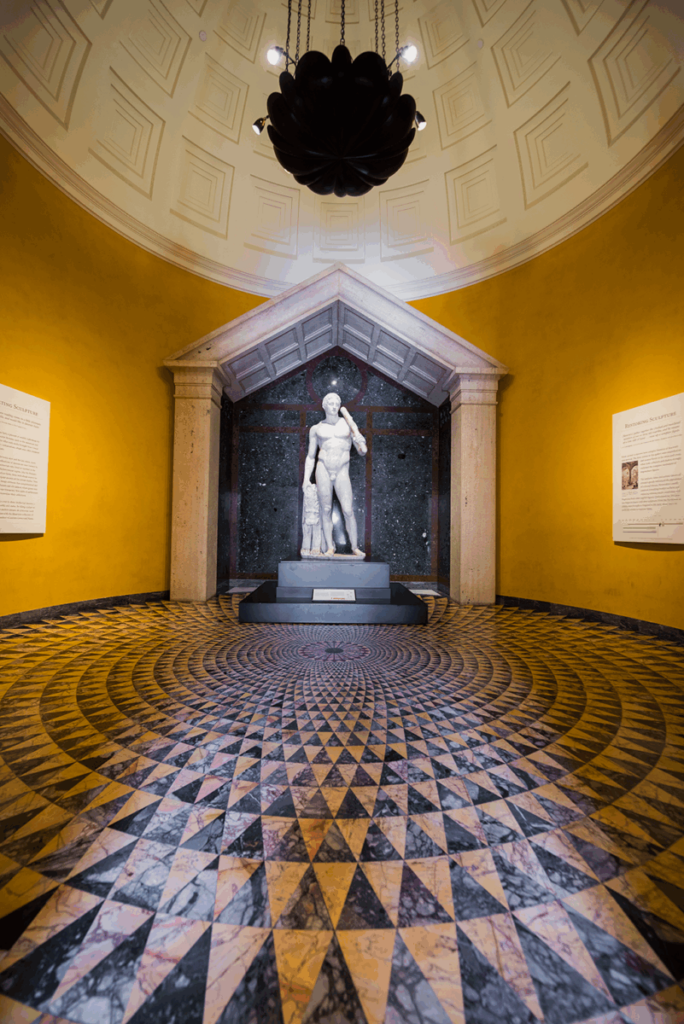
He devoted significant effort to the creation of a museum system, hoping that his collection would be studied, viewed, and understood. The Getty Museum he founded was not a “billionaire’s gallery,” but a cultural institution centered on scholarship and public education.
Here, collecting ceased to be a symbol of personal identity and became part of public knowledge.
This shift marked a transformation of collecting—from ownership to stewardship.

IV. A Philosophy of Collecting in Accord with Time
Getty’s approach to collecting was always guided by a profound sense of time.
He did not expect every object to be immediately understood, nor did he concern himself with short-term judgment. What mattered to him was this:
would these works still hold their ground fifty or a hundred years from now?
For this reason, he favored classical traditions that had already been tested by history, rather than expressions driven by yet-unsettled trends. In his view, true collecting must reach an accord with time.
Not to conquer time, but to submit to its selection.
V. Cultural Ambition Behind Restraint
On the surface, Getty appeared calm, even distant. Yet behind this restraint lay a powerful cultural ambition.
He was not content with the completion of a personal aesthetic. Instead, he sought—through collecting—to establish standards that future generations could consult and measure against. He believed that art was not entirely subjective, but something that could be studied, compared, and judged.
This conviction gave his collection immense educational value and profoundly influenced the practices of countless museums and collecting institutions that followed.
VI. The Legacy Getty Left to the World of Collecting
In an age driven by speed and capital, Getty’s approach to collecting feels especially valuable.
He reminds us that
collecting is not the same as market success,
nor is it merely an extension of personal taste.
True collecting is a commitment to the long term—
a discipline of judgment,
and a willingness to take responsibility for the future of objects.
Conclusion: Entrusting Collecting to Time
John Paul Getty was not a figure wrapped in legend, yet over the course of his life he proved one essential truth:
When collecting rises above personal desire,
when choices can withstand the judgment of time,
private collections can truly enter cultural history.

Related Posts