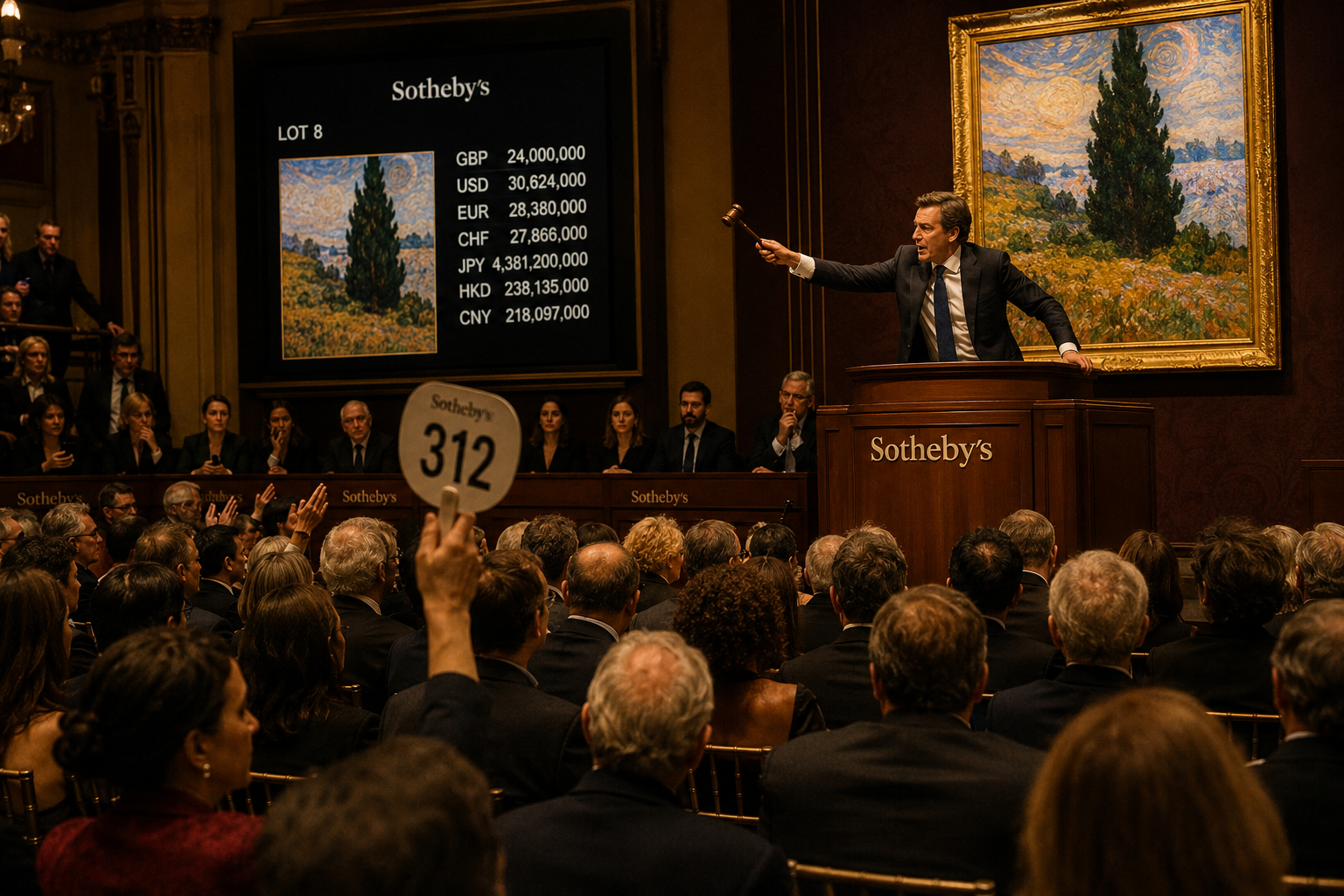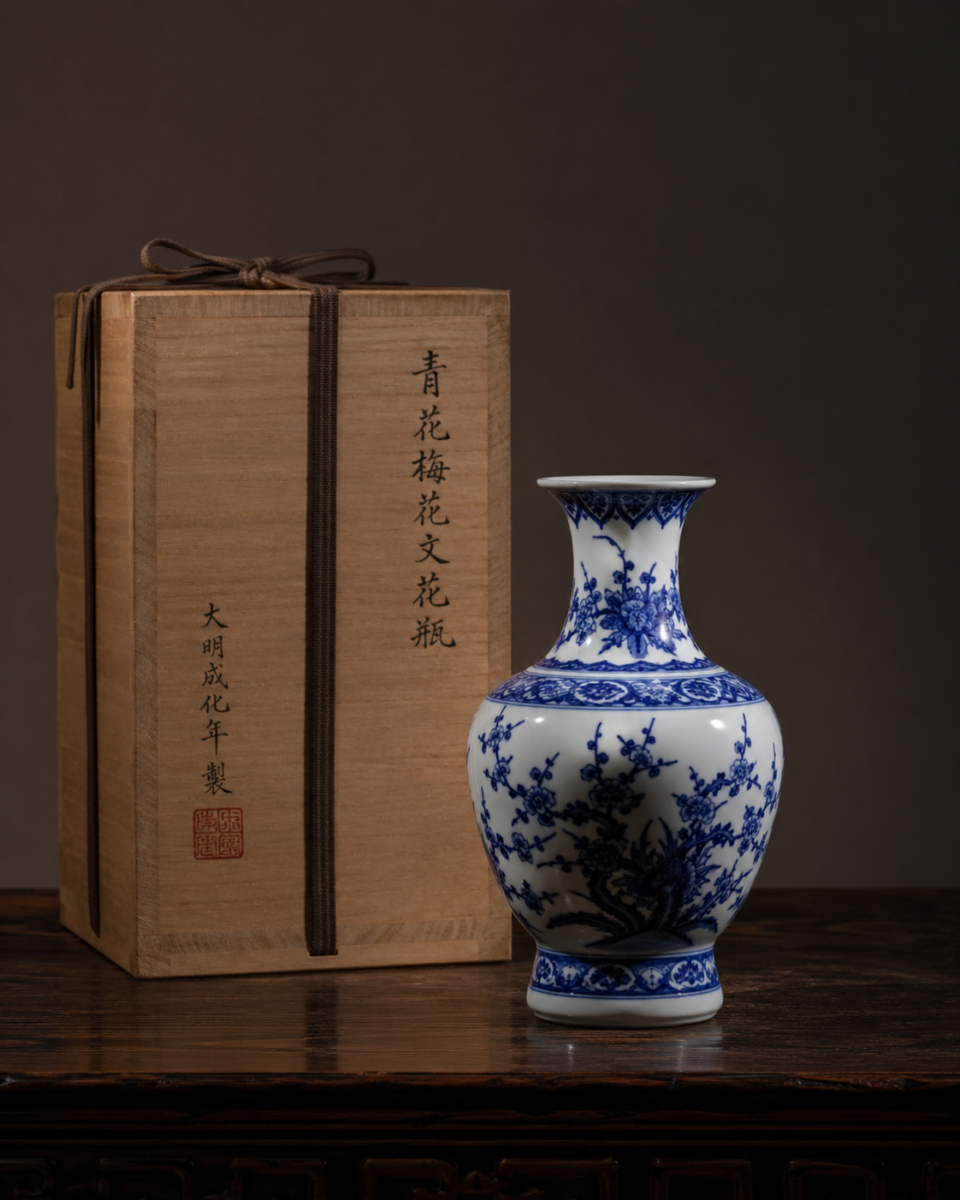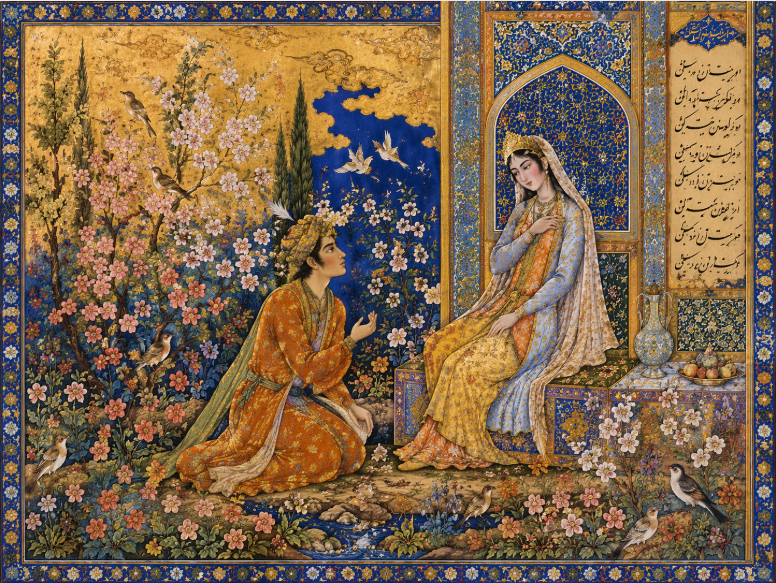
In recent years, those following the international auction market may have noticed an interesting phenomenon:…
The Heart of Old Things: Antique Collecting and the Whisper of Time
Among the countless objects created and used by humans, only a rare few are preserved by time and reemerge into our view after long periods of silence. They no longer serve their original function, yet they acquire a new identity—antique. Collecting antiques is not merely a nostalgic gaze toward the past; it is a way of conversing with time. When we face an object that has endured a hundred or even a thousand years, what we sense is not its “oldness,” but the accumulation of time upon its material.
I. What Is an Antique: Time’s Second Life
An object becomes an antique not simply because of its age. What truly determines its value is whether time has left clear and authentic traces upon it. The wear on an object, the change of glaze, the patina on metal, the cracks in wood—all are results of time’s participation in creation. Collecting antiques is, at its core, an acknowledgment that time itself is an author. It allows objects to break free from present-day utility and enter the realm of history and culture.
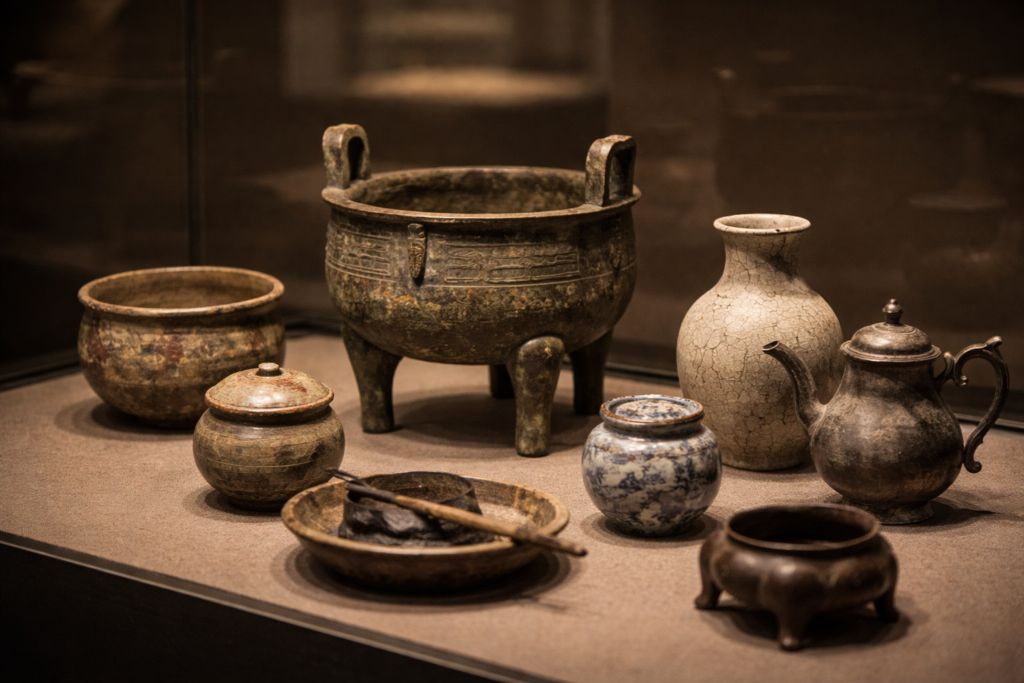
II. Objects and Civilization: History That Has Been Used
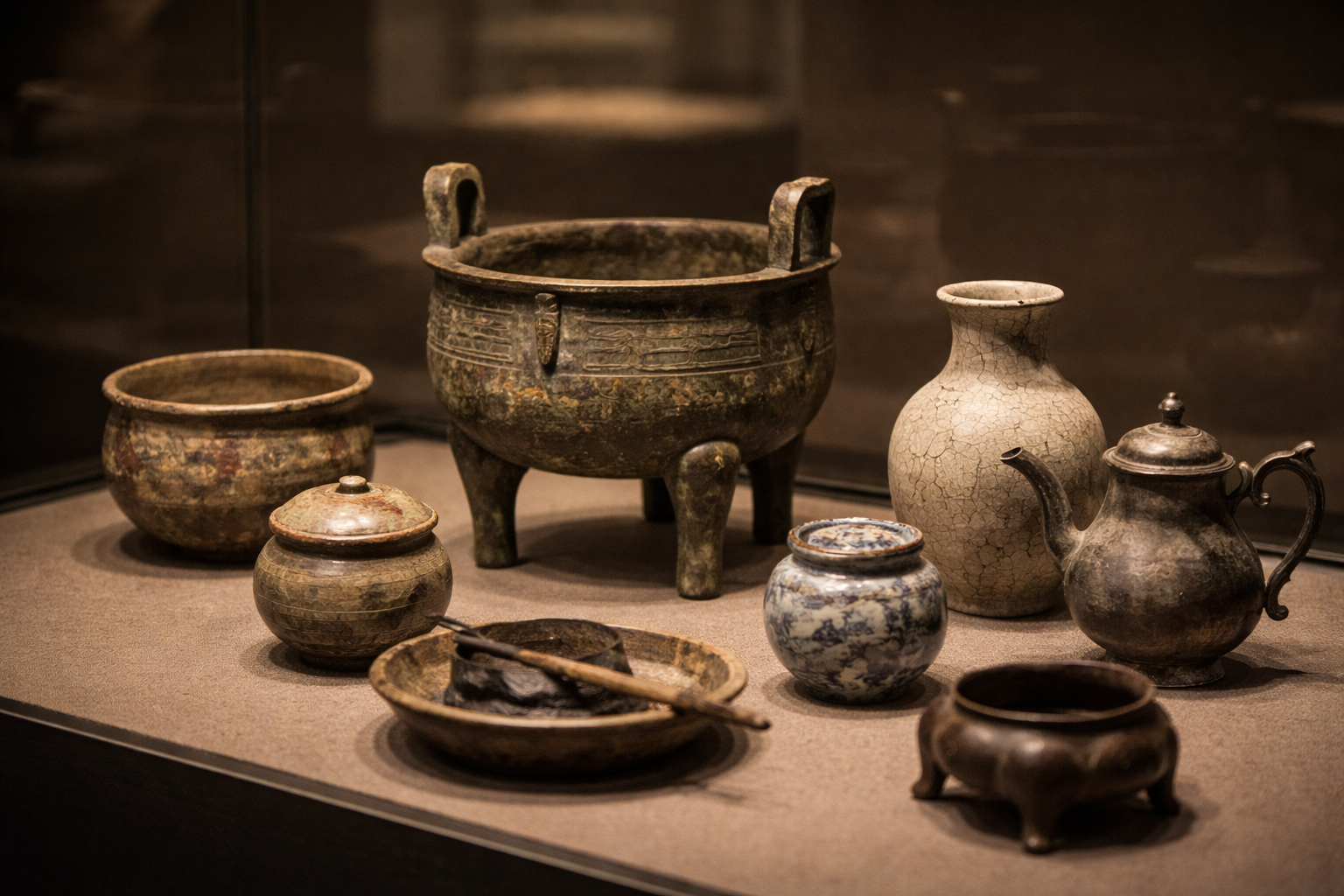
Unlike paintings or sculptures, many antiques have actively participated in everyday life. Bronze vessels were once used in rituals and ceremonies, porcelain once carried food across dining tables, and ancient books and furniture bore human presence and thought. This “having been used” quality makes antiques the closest witnesses to real history. To collect them is to collect a fragment of civilization that has been touched and lived.
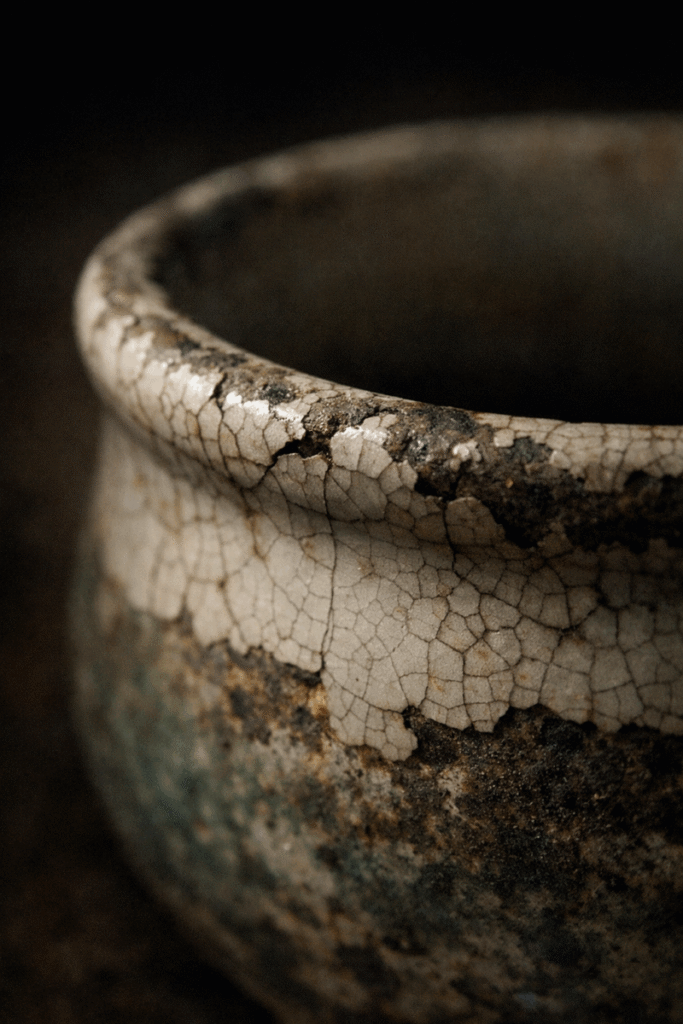
III. The Motive of Collecting: From Possession to Understanding
In earlier times, antique collecting was often closely tied to power and wealth. Nobles and royalty displayed rare objects to signify status and knowledge. Today, however, the focus is subtly shifting. More collectors are interested in the craftsmanship, origin, and historical context behind the objects, rather than mere rarity. True and mature antique collecting is not about possessing the past, but about understanding it.
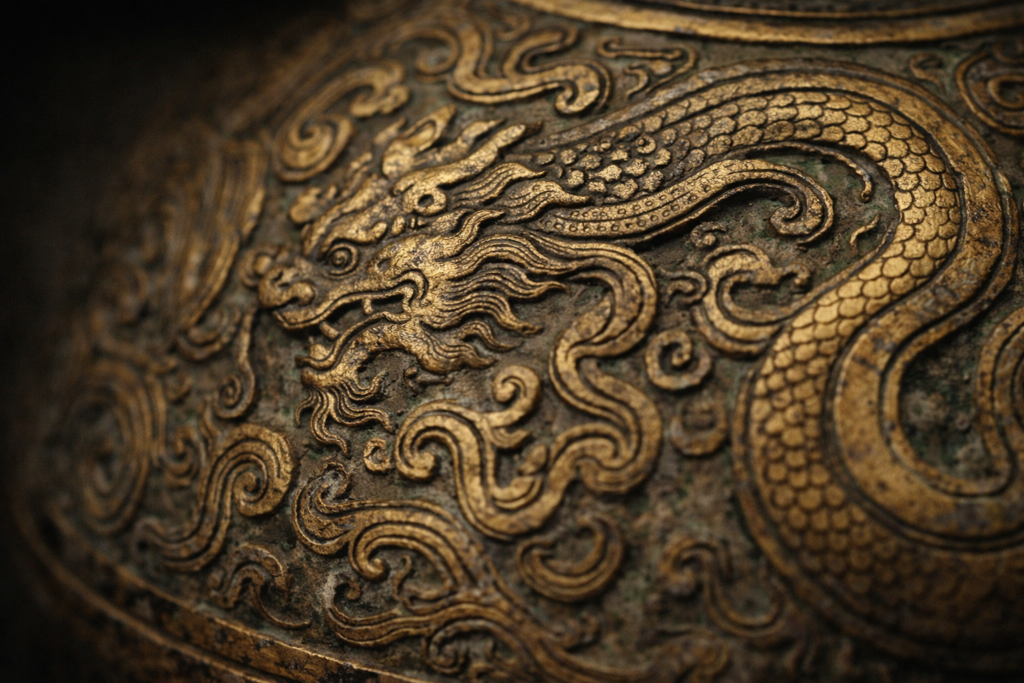
IV. Between Authenticity and Imitation: A Test of Time
In the world of antiques, questions of authenticity are unavoidable. The existence of forgeries only underscores the value of the original. Determining an antique’s authenticity does not rely solely on scientific analysis; it requires a holistic understanding of historical context, craftsmanship details, and the traces of time. Collectors learn and recalibrate their judgments through this process. In a sense, antique collecting is a discipline of patience and humility.
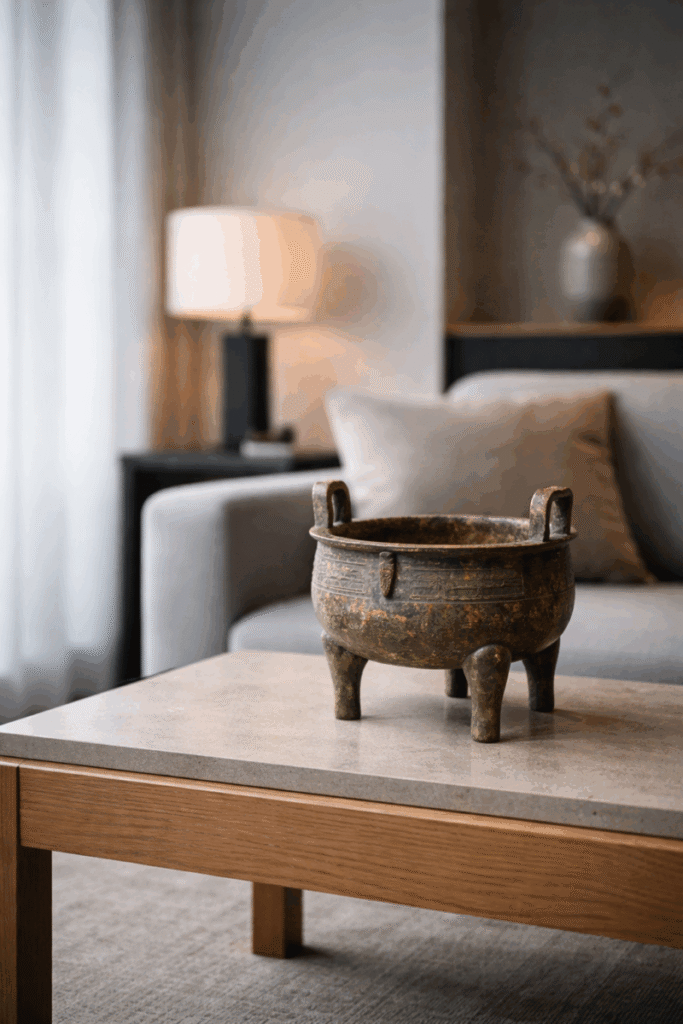
V. Antiques in Space: From Private Treasures to Collective Memory
When antiques are placed in museums, exhibitions, or carefully arranged private spaces, they assume new narrative functions. A solitary object can only “speak” again when properly displayed and interpreted. Antiques thus cease to be static things; they become mediators connecting individual memory with collective memory, allowing history to continue existing in a tangible way.
VI. Contemporary Perspectives: Reinterpreting Antiques
In a fast-moving modern society, antiques appear especially slow and restrained. They remind us that value is not always tied to speed or efficiency. Increasingly, designers, artists, and architects draw inspiration from antiques, blending traditional craftsmanship with contemporary contexts. This reinterpretation transforms antiques from mere relics of the past into living cultural resources.
Conclusion | Collecting Time, Not Objects
The ultimate significance of antique collecting does not lie in the number of prized objects one owns, but in whether one truly comprehends the time and humanity they embody. Every antique is a survivor, the product of countless coincidences layered over time. By choosing to cherish, study, and pass them on, we participate in a relay across eras. Collecting antiques is, ultimately, collecting humanity’s way of relating to time.
Related Posts