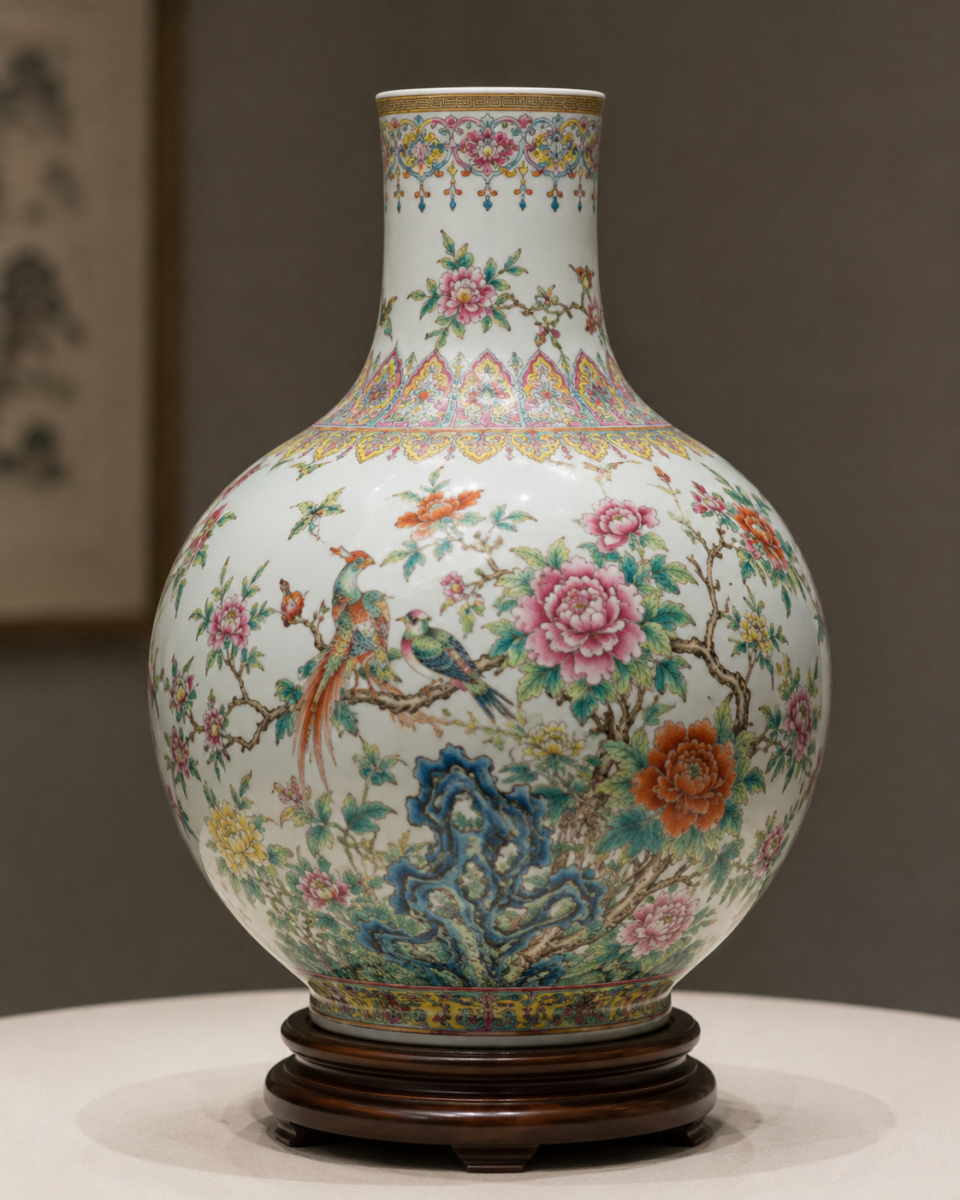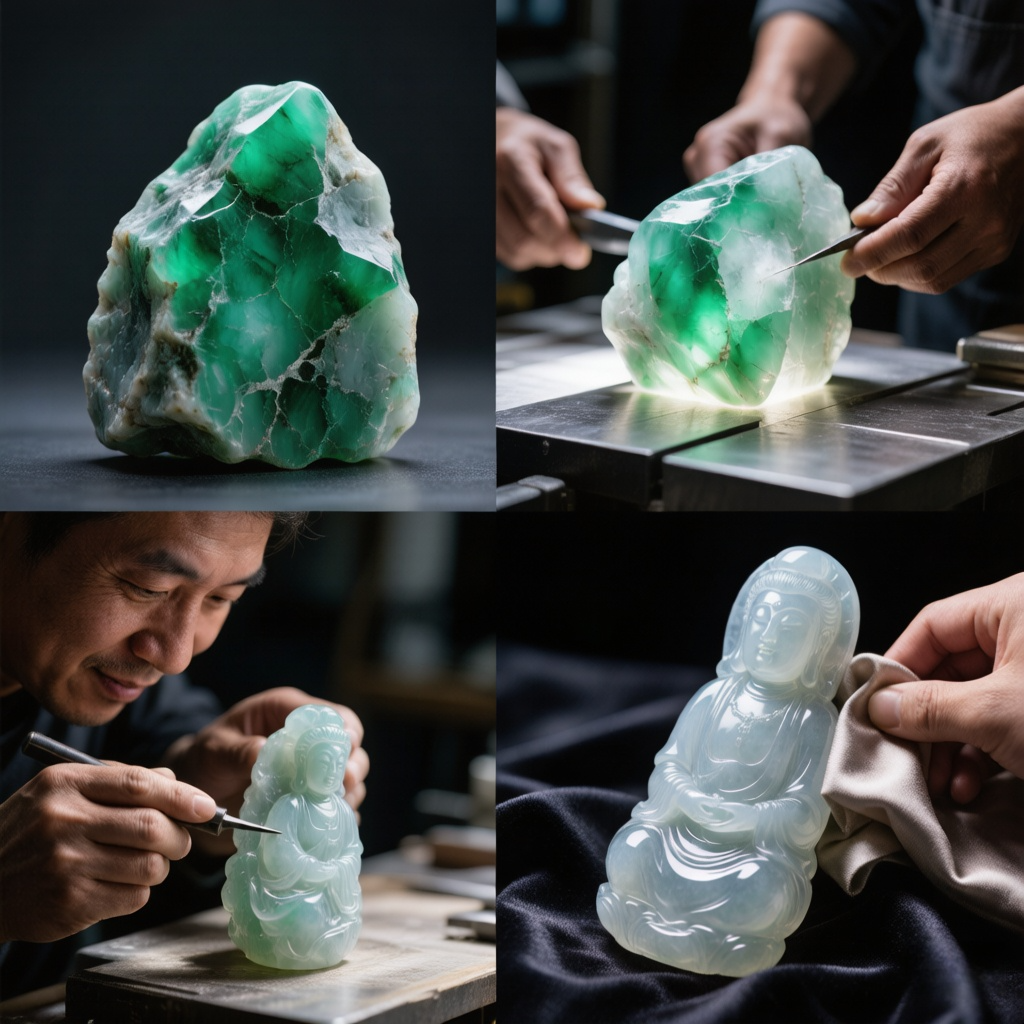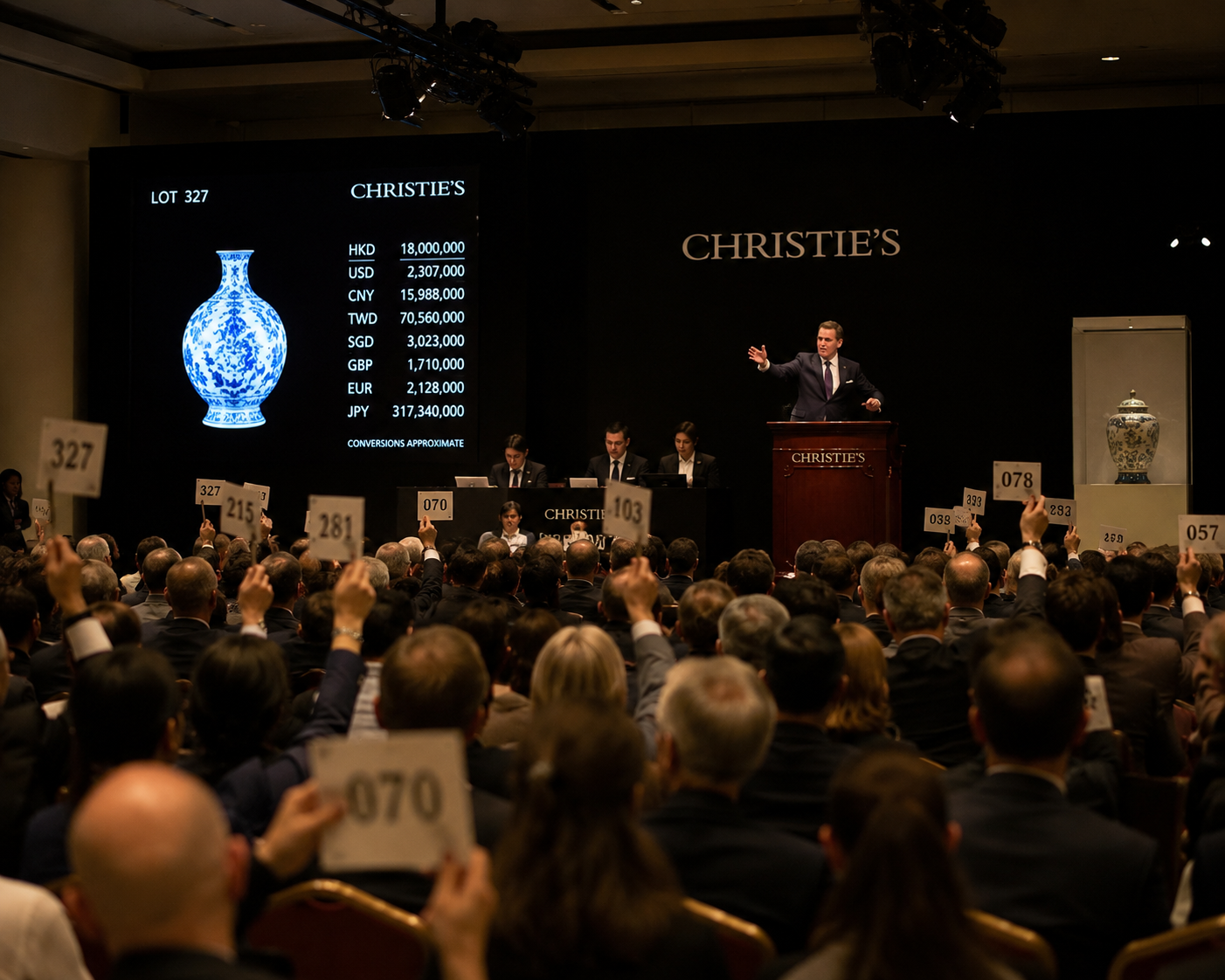
In recent years, as Chinese antique ceramics have continued to attract attention in the international…
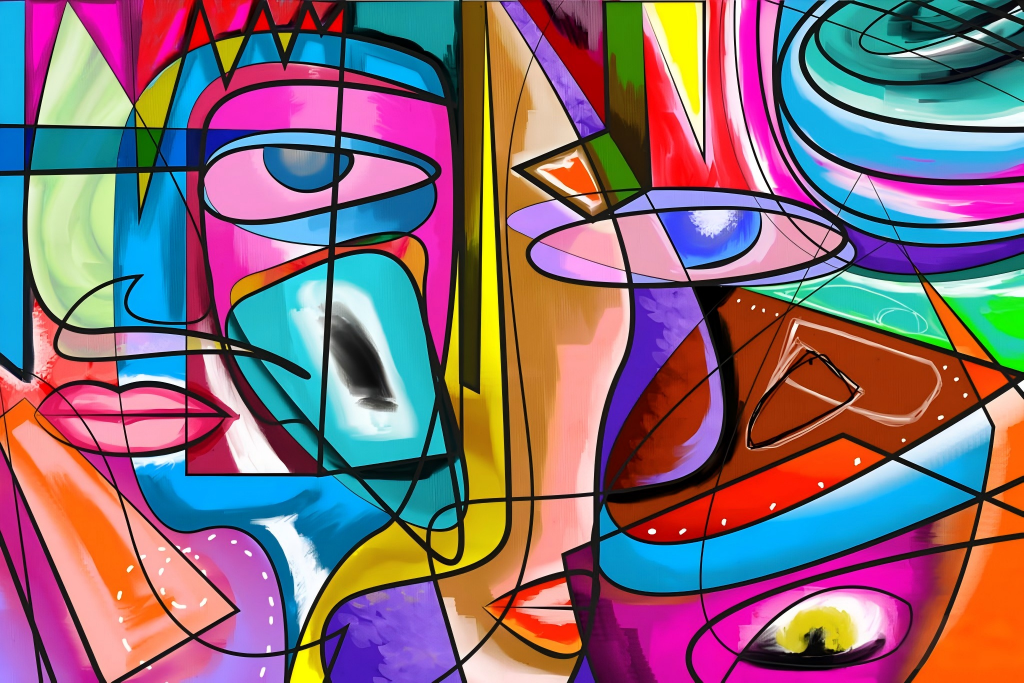
When pigments become language
Before the world was fully dominated by written language, humanity had already learned to speak through color. From the ochre and charcoal black of cave walls to the layered textures on contemporary canvases, paint is not merely a material, but a language that can be read and heard.
When paint becomes language, it is no longer just a layer of color covering the surface, but an outlet for emotions and a metaphor for thoughts. The warmth or coolness of color is the weight of tone; the speed or slowness of brushstrokes is the pause or cadence of rhythm; the silence of blank space is the unspoken meaning.
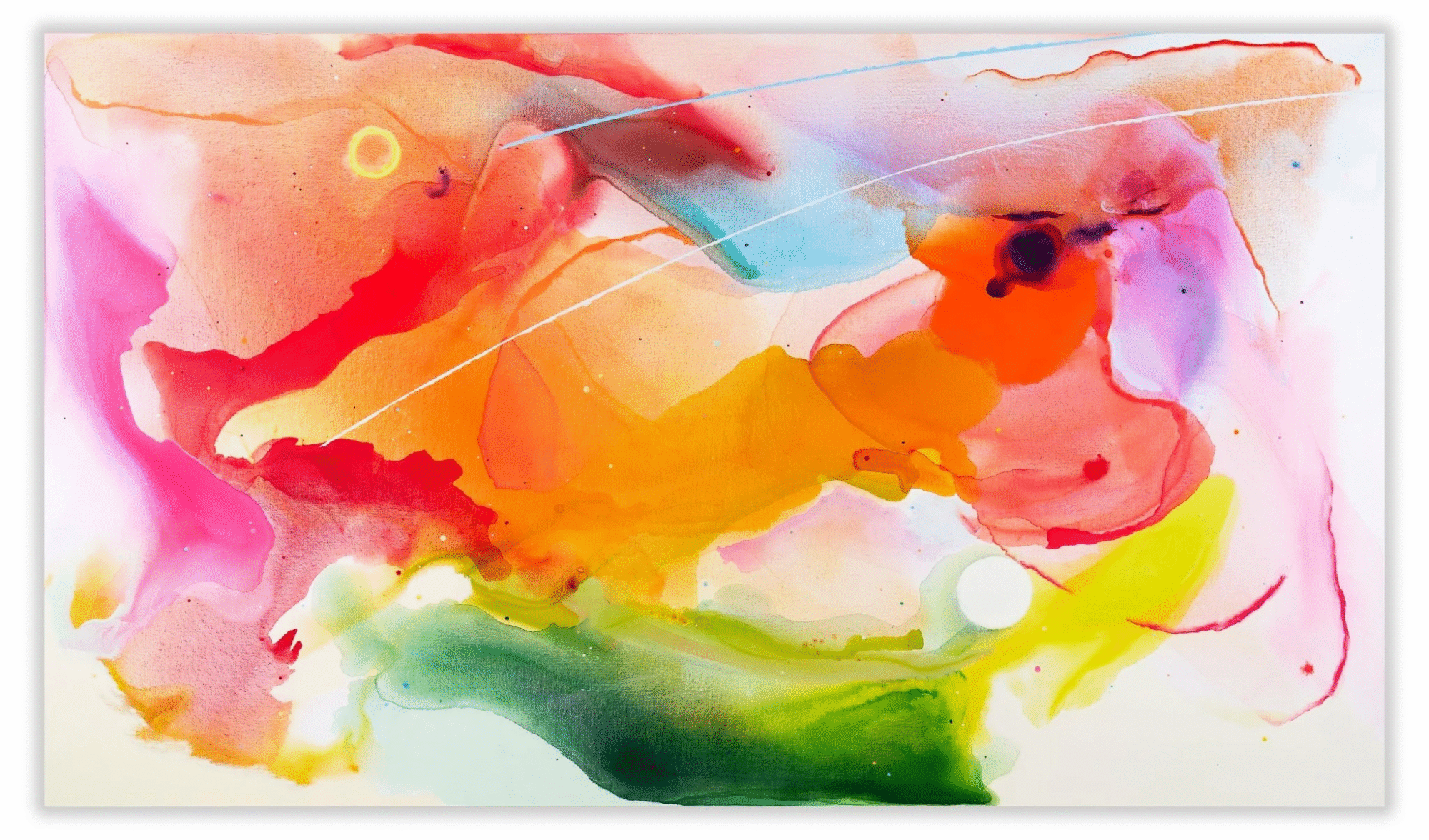
On Vincent van Gogh’s canvases, paint burns like flames. The thick layers are not a display of skill, but a natural overflow of emotion that cannot be suppressed. The swirling blue and yellow in *The Starry Night* are not a depiction of the sky, but a storm raging deep within the soul. Here, paint becomes the most direct monologue, speaking for itself the unspeakable loneliness and fervor.
In Rembrandt’s work, paint transforms into a drama of light and shadow. He lays out deep, dark backgrounds, allowing figures to emerge in beams of light. Between light and shadow, it’s not merely a visual contrast, but a revelation of humanity. The layers of delicate texture and warm sheen give the paint warmth and weight. It’s like a low, slow narrative, telling of the ebb and flow of time, fate, and the soul.
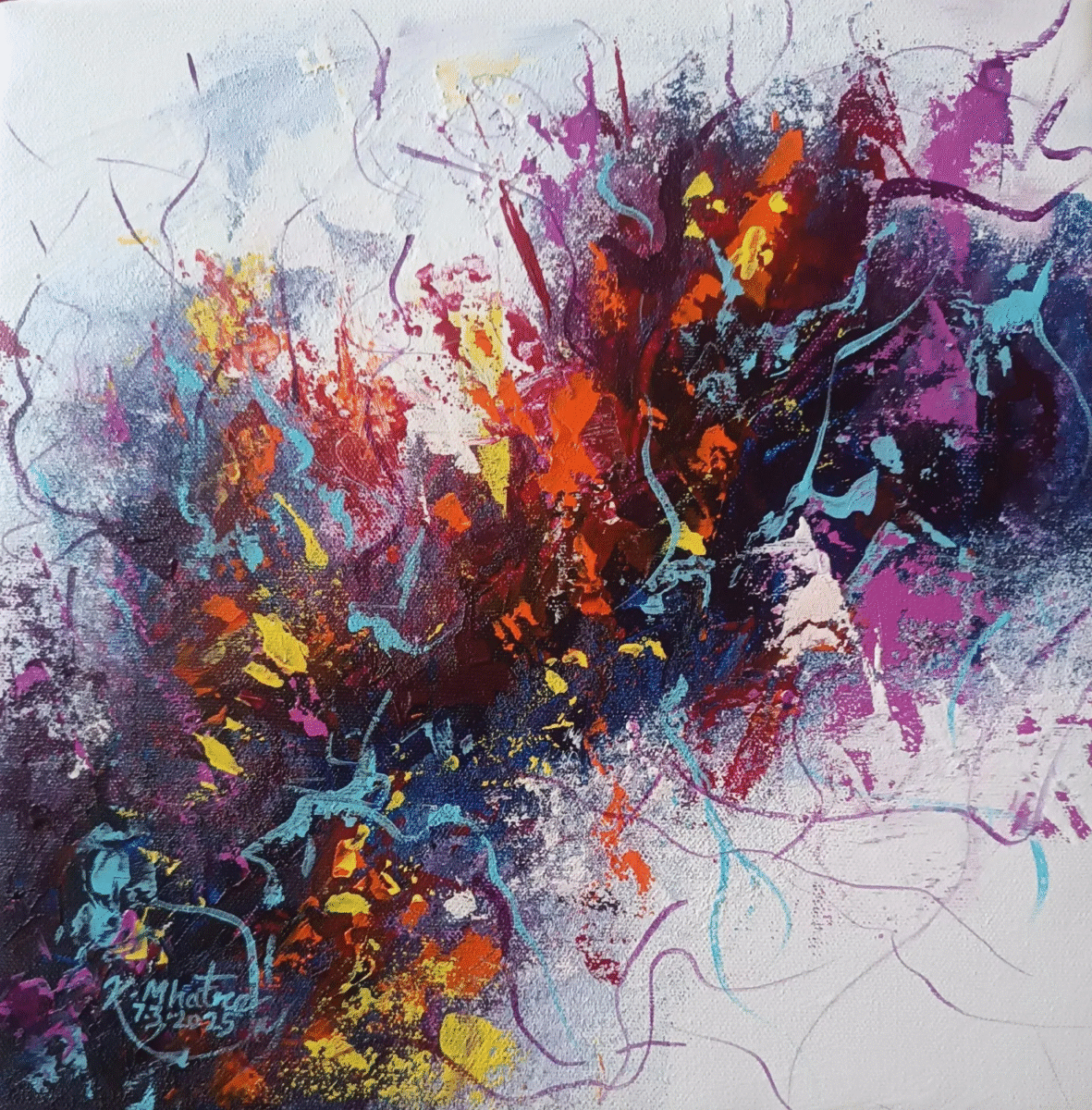
In Eastern painting, the fusion of pigment and water is more like a subtle expression. Between ink and wash, shades of light and dark complement each other, reality and illusion reflect each other. The colors, though understated, are profoundly meaningful. A touch of light ink speaks volumes; a blank space holds a myriad of meanings. Here, pigment becomes rhetoric, a power within restraint, an echo within silence.
Contemporary art, however, allows pigment to completely break free from the constraints of form. The canvas is no longer a window to represent reality, but a stage for emotion and concept. Pigment is splashed, scratched, and reconstructed, becoming traces of action. It records not only the result, but also the process itself. The viewer is not faced with a work of “what to paint,” but with a dialogue of “how to express.”
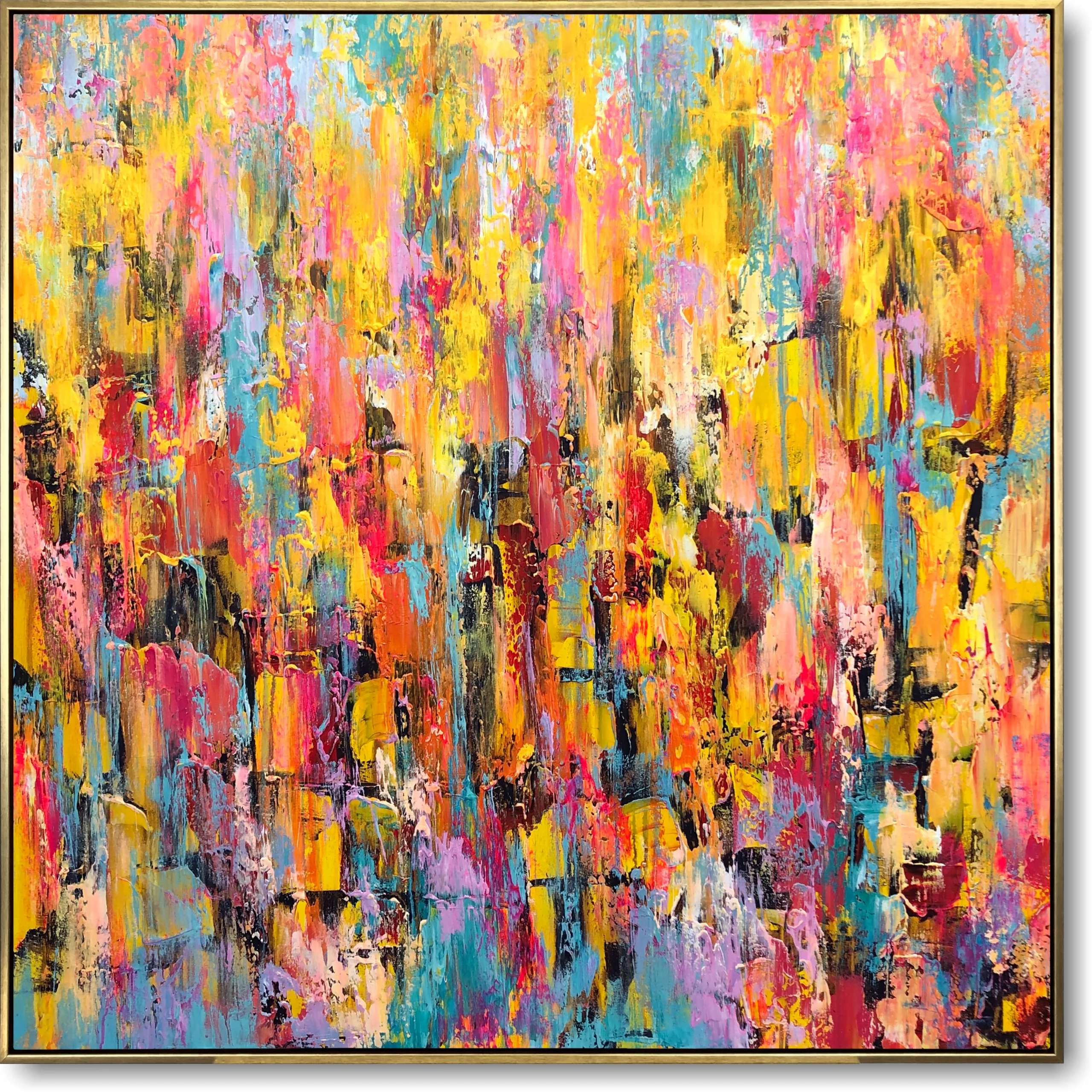
Pigment becomes a language because it carries humanity’s most primal perceptions—sensitivity to light and response to color. Color reaches the senses directly, bypassing reason, and touching the depths of emotion. It needs no translation, no annotation. The impact of a red is enough to awaken the heart; the tranquility of a gray-blue is enough to soothe the mind.
However, the language of pigment is not a one-way declaration. It requires the participation and interpretation of the viewer. Each person uses their own experience as a dictionary, assigning meaning to color. The same shade of green can evoke spring, jealousy, hope, or desolation in different moods. Therefore, the language of pigment is open-ended; it doesn’t prescribe answers, only offers possibilities.
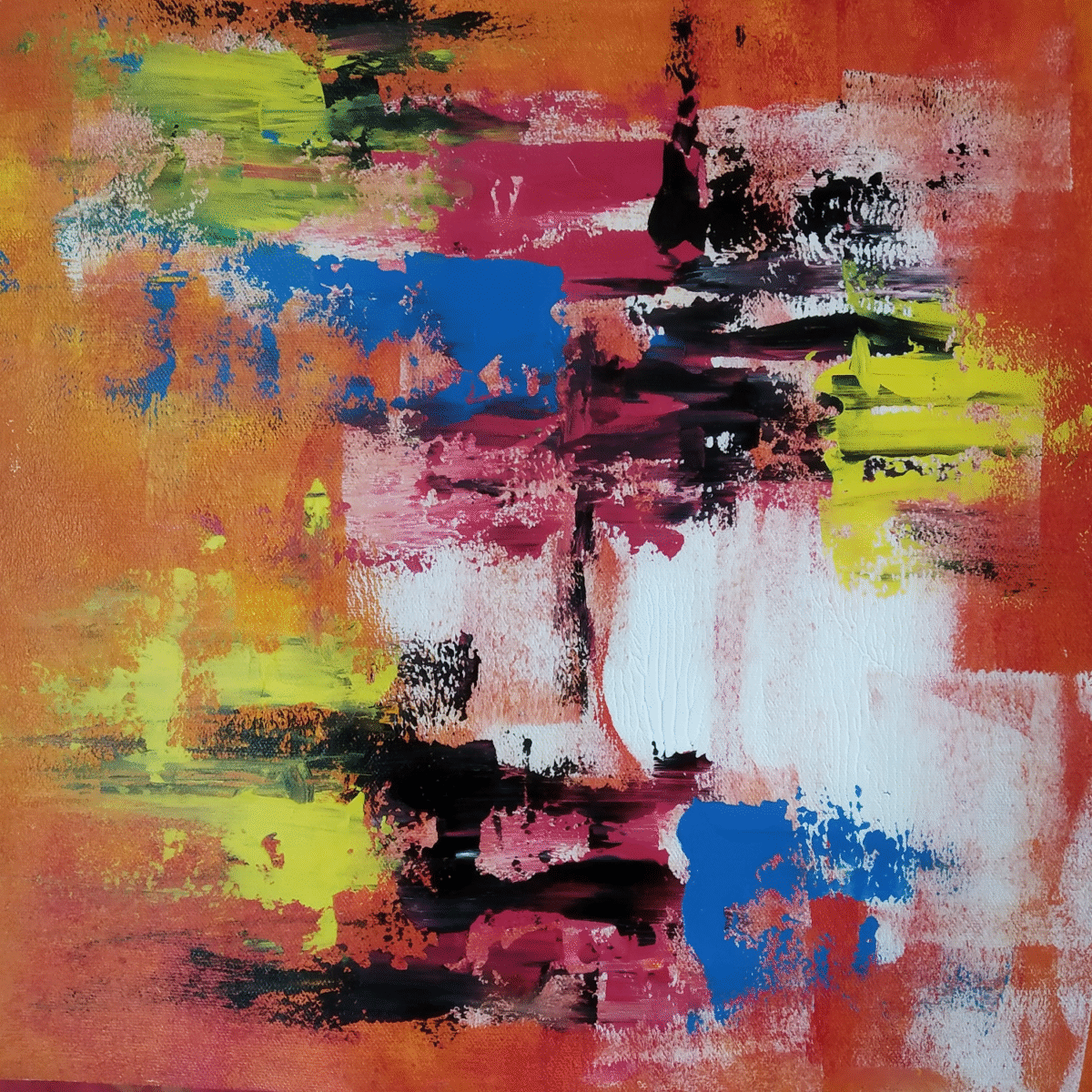
In this age of image and information overload, perhaps we need to return to the most fundamental way of seeing. Slow down your gaze, let your emotions surface, and let color speak within your heart. When paint becomes a language, we learn not only to appreciate art, but also to understand ourselves. Because every response to color is a dialogue with our inner selves.
Paint is never silent. It’s just a matter of whether we are willing to listen.
Related Posts