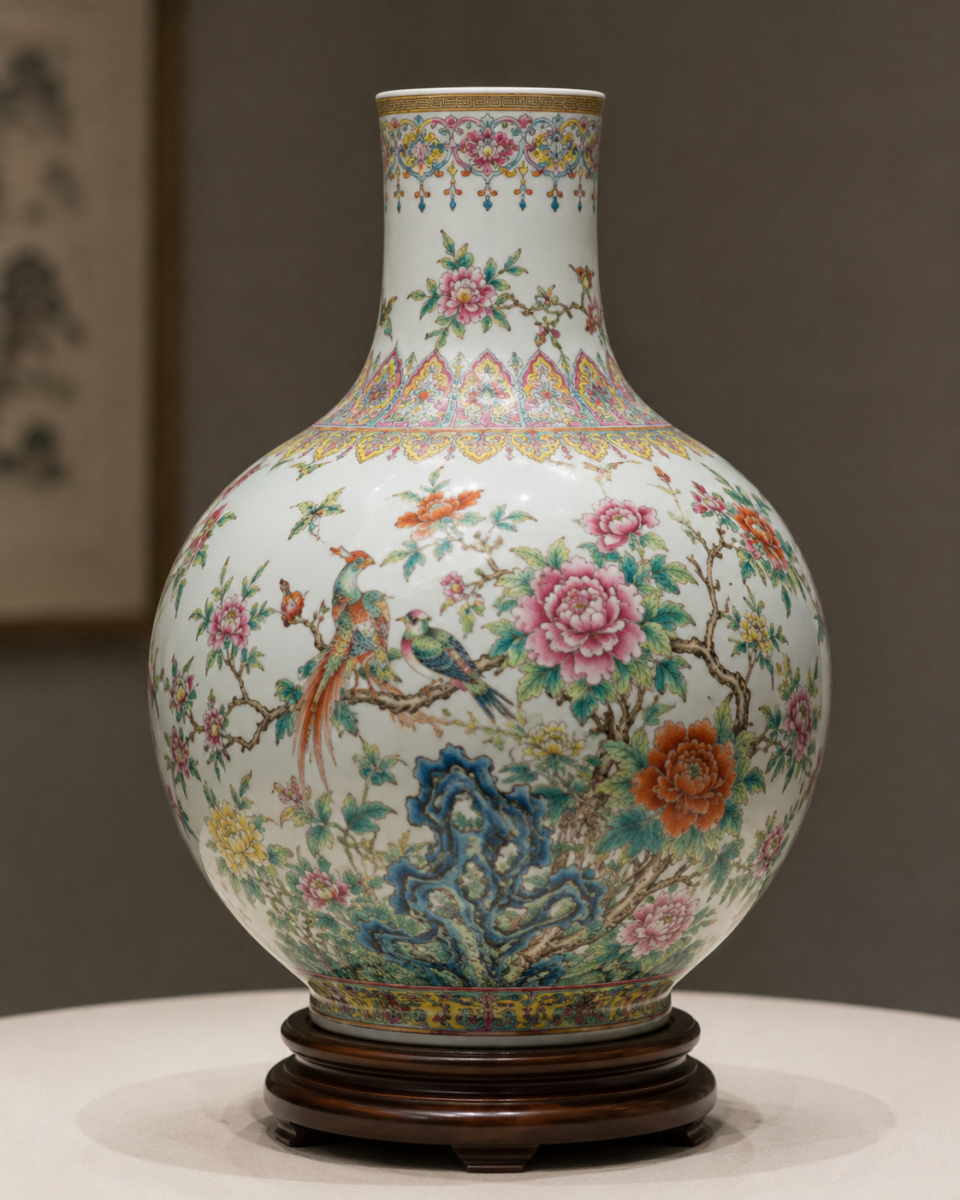
In recent years, as Chinese antique ceramics have continued to attract attention in the international…
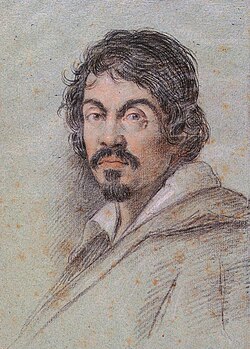
Caravaggio: From an unknown painter to a Baroque revolutionary’s rise to fame
In the history of European art, few artists have had a life as dramatic as Caravaggio’s. He was both a genius painter and a habitual brawler; both an innovator in religious art and a lifelong fugitive. Yet, in his short 38 years, he accomplished a revolution that changed the direction of Western painting.
I. A Poor Childhood and the Seeds of Realism
In 1571, Caravaggio was born in a small town near Milan in northern Italy. As a child, he received his painting training in the Lombardy region. This region emphasized direct observation of reality, rather than an idealized classical tradition, which foreshadowed his later extremely realistic style.
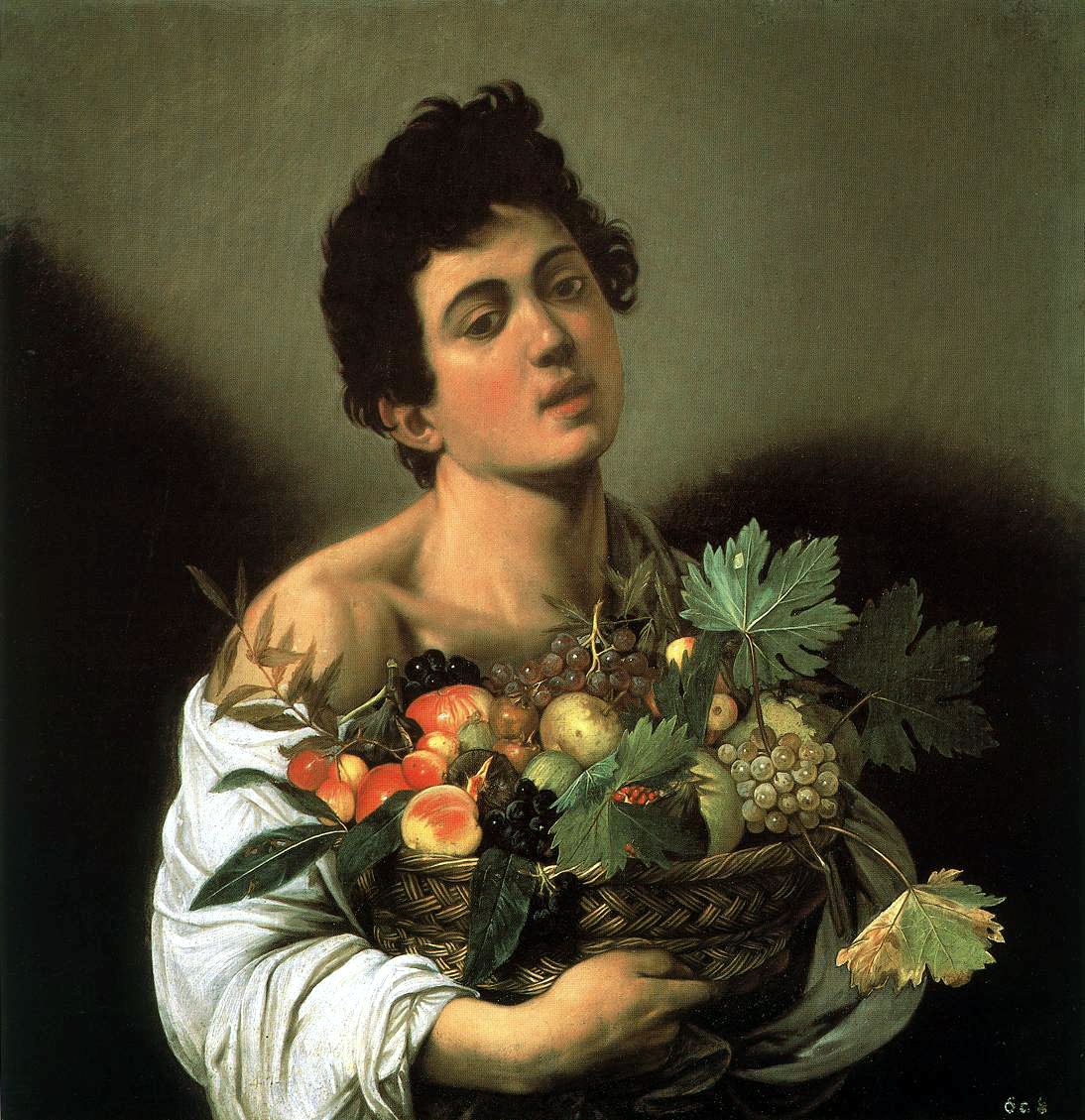
In the 1590s, he arrived in Rome, the center of the art world. Upon arriving in Rome, he was impoverished and could only earn a living by painting fruit and busts for others. But in these seemingly ordinary works, he already demonstrated an astonishing ability to depict reality.
For example, in his early work, *Boy with a Basket of Fruit*, the fruit is not flawless but bears blemishes and signs of insect damage. Realism became the core of his art.
II. A Turning Point: The Saint Matthew Series
What truly changed his destiny was the commission from the Church of San Luigi dei Francesi in Rome.
In 1599, he was commissioned to create a series of frescoes depicting Saint Matthew for the church. This was a pivotal opportunity and the beginning of his meteoric rise to fame.
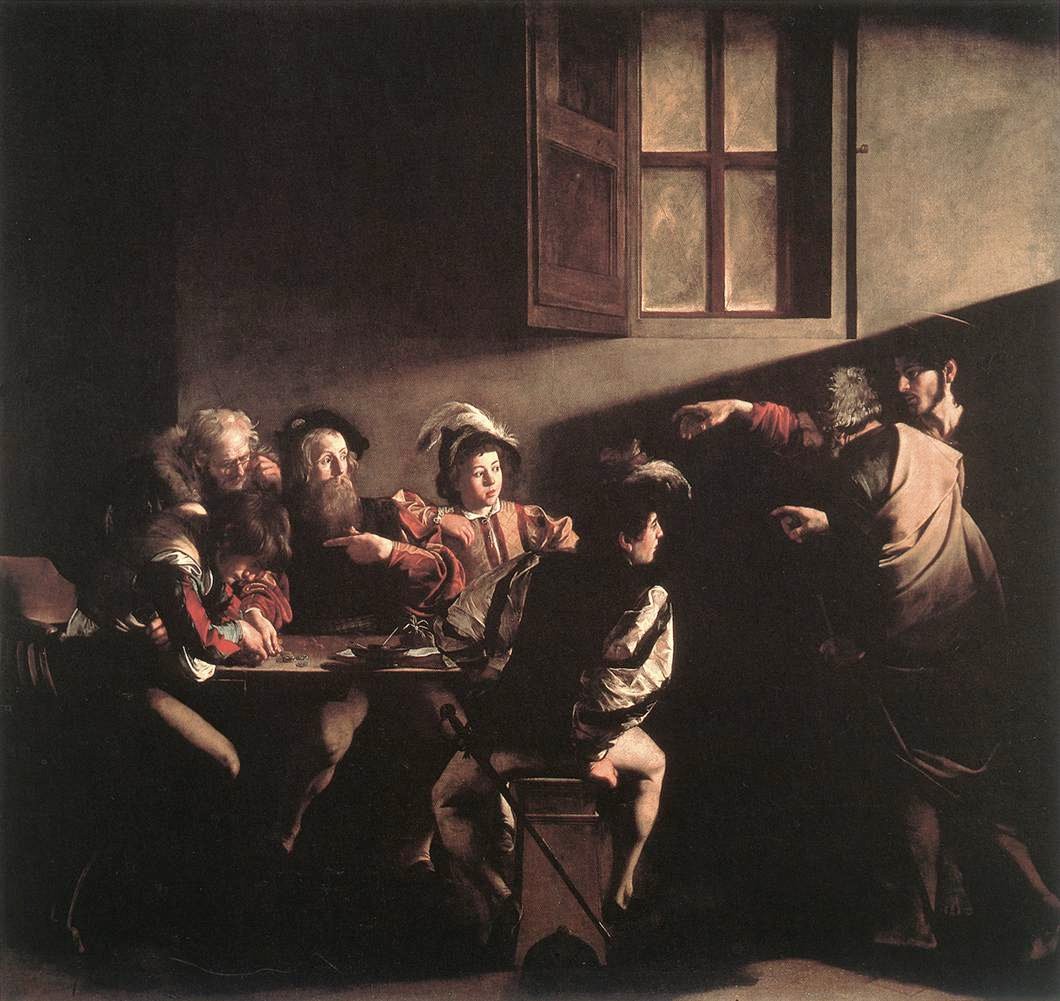
His most impactful work—*The Calling of Saint Matthew*—completely overturned the traditions of religious painting at the time.
In the painting, Jesus is not bathed in golden light, but stands in shadow, pointing only to the tax collector Matthew with a single gesture. A strong beam of light pierces the darkness, illuminating the figures at the table.
This powerful chiaroscuro technique became his trademark. Light not only shapes space but also symbolizes a divine calling.
Even more revolutionary was his depiction of the saints in contemporary clothing, making them appear as real as people on the street. Divinity descends among ordinary people, not into an idealized heavenly realm.
Upon completion, the Roman art world was shaken. Caravaggio became an overnight sensation.
III. Reality and Violence: A Shocking Visual Impact
After achieving fame, he created even bolder works.
In *Judith Beheading Holofernes*, blood spurts, expressions are realistically tense, and violence is presented without any concealment.
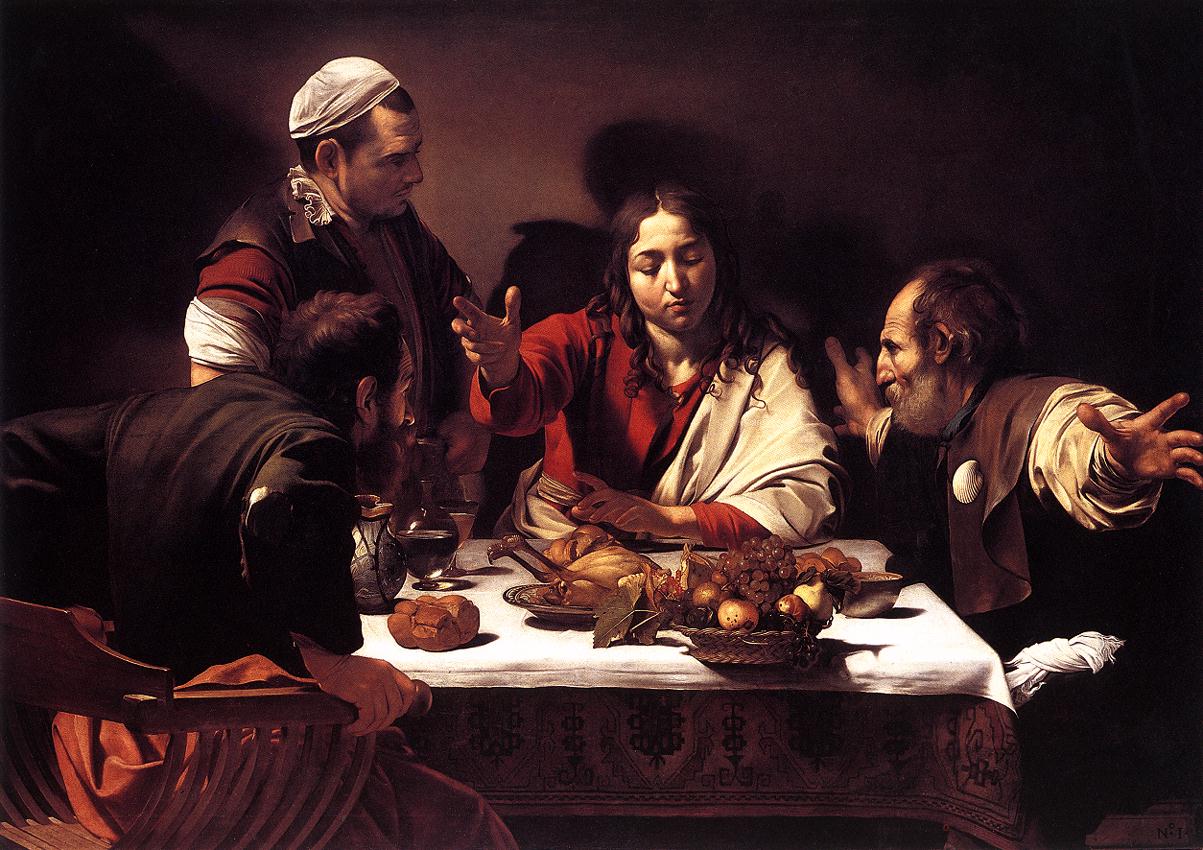
In *The Supper at Emmaus*, the resurrected Christ sits at an ordinary dining table, like a traveler in real life.
Caravaggio did not pursue elegance; he pursued realism. He invited the viewer to “enter” the painting, rather than to appreciate it from a distance.
IV. A Violent Life and Escape
However, his realistic nature was also evident in his life. Caravaggio was hot-tempered and frequently involved in fights.
In 1606, he killed a man in a conflict, was sentenced to death, and was forced to flee Rome. He subsequently traveled through Naples, Malta, and Sicily.
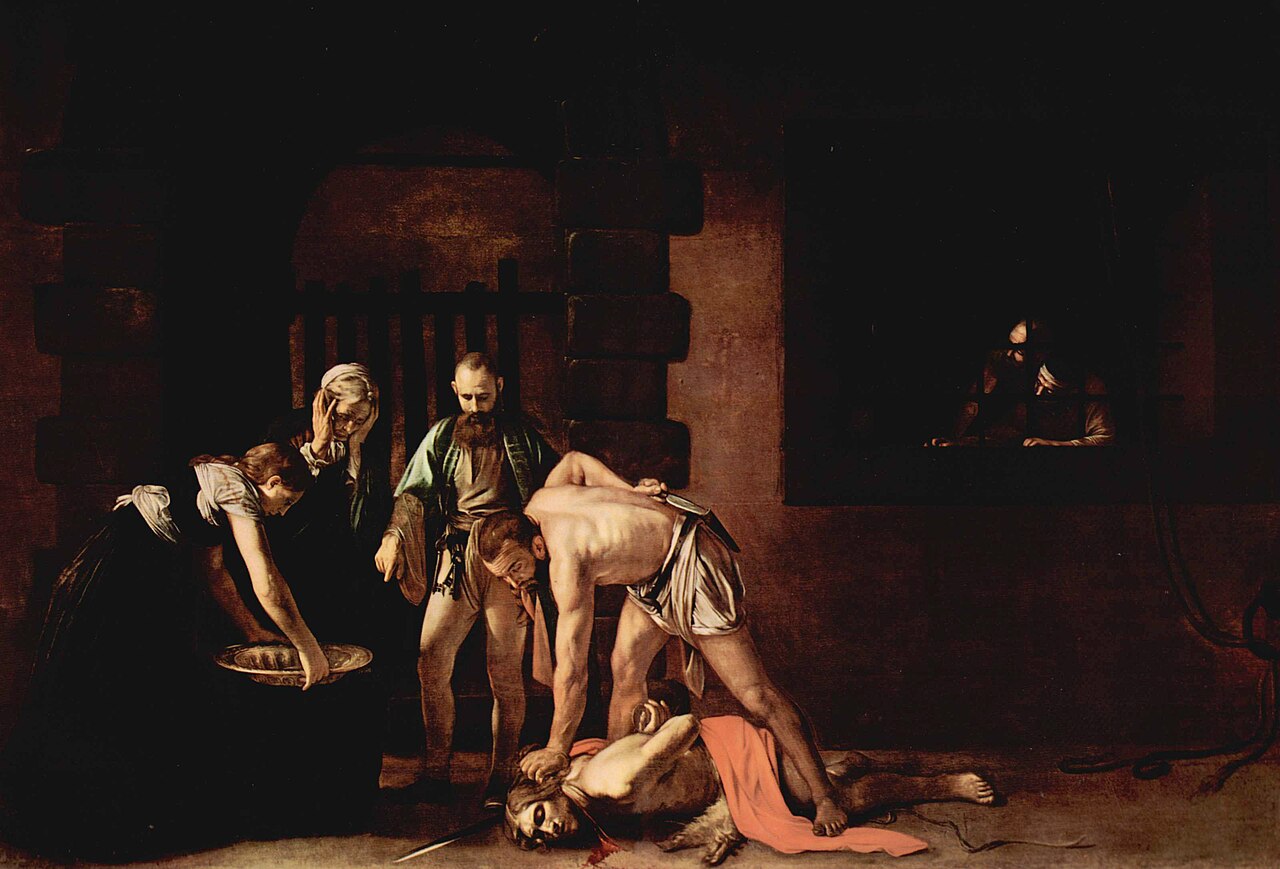
Even in exile, he created powerful works, such as *The Beheading of Saint John the Baptist*.
The painting is heavy and oppressive, seemingly foreshadowing his own fate.
In 1610, he died mysteriously on his way back to Rome at the age of 38.
V. True Fame and Historical Status
Although controversial during his lifetime, Caravaggio’s influence spread rapidly, forming the “Caravaggio School.” His language of light and shadow influenced the entire Baroque art scene, even impacting masters like Rembrandt.
He freed painting from the constraints of idealism, making light the language of drama and faith.
Caravaggio’s fame did not rely on the court or nobility, but on his breathtaking visual revolution.
In his short life, he shattered tradition with reality and changed history with light and shadow.
He was not a mild-mannered artist, but a man who wrote a legend with passion and conflict.
And it is precisely for this reason that he became the true beginning of the Baroque era.
Related Posts