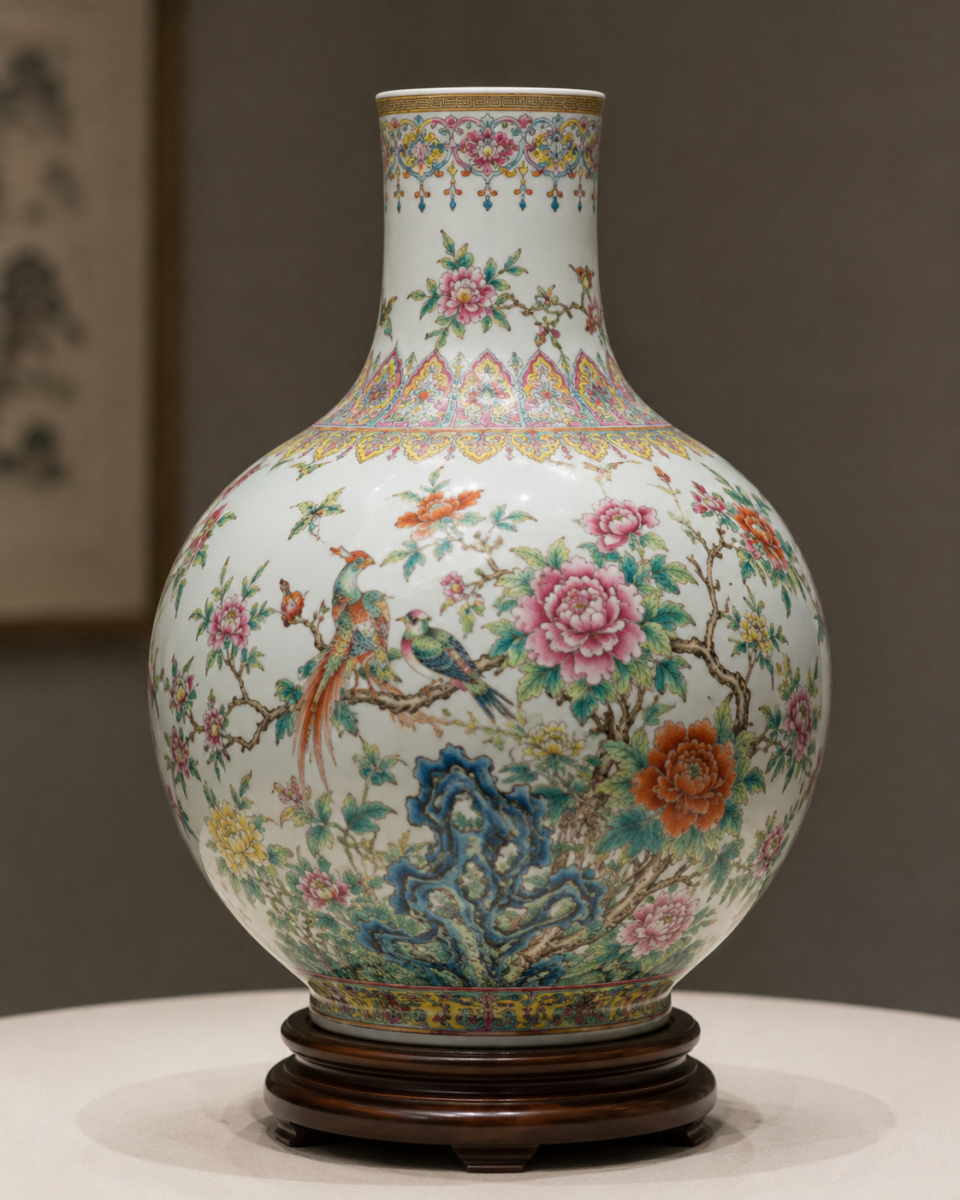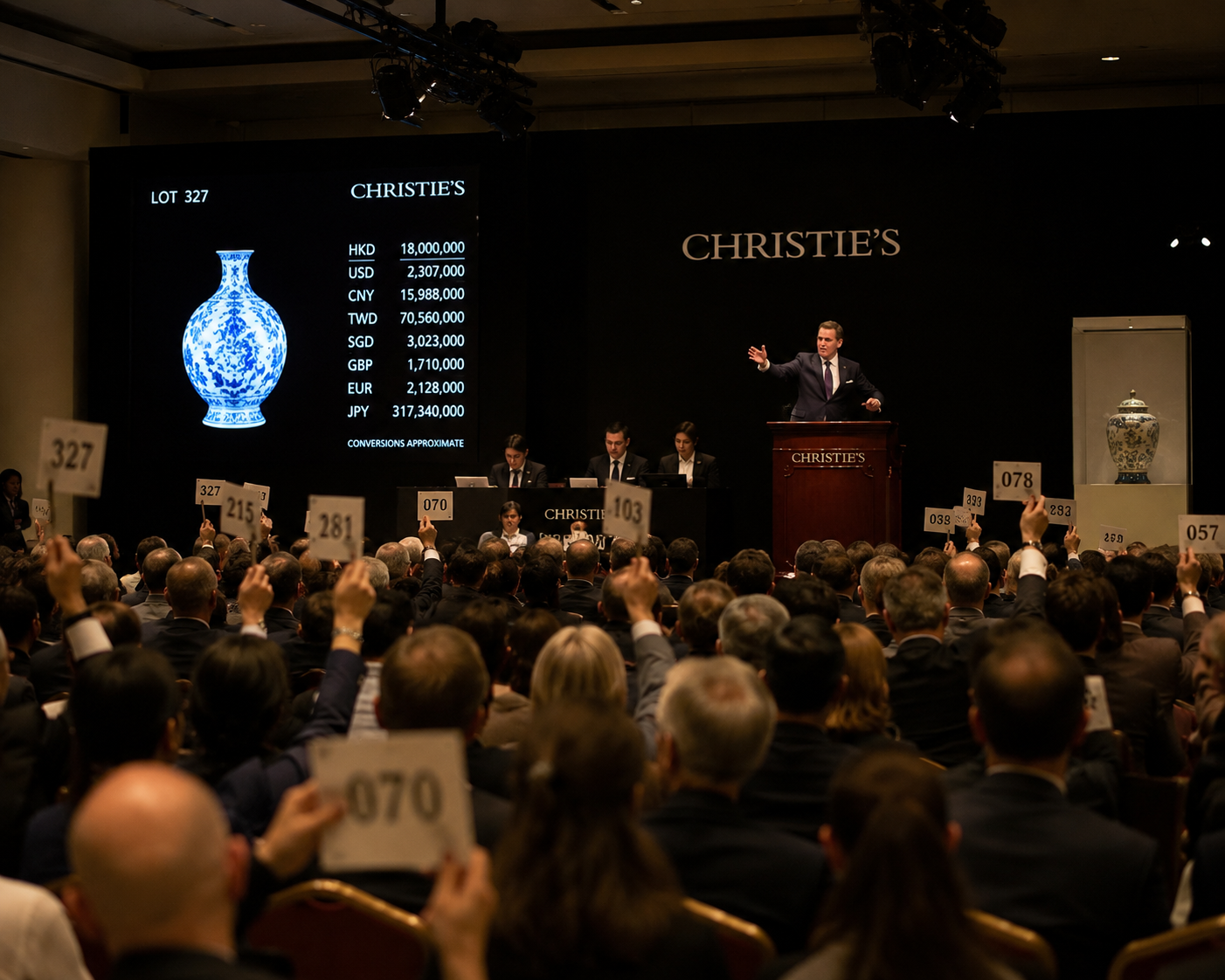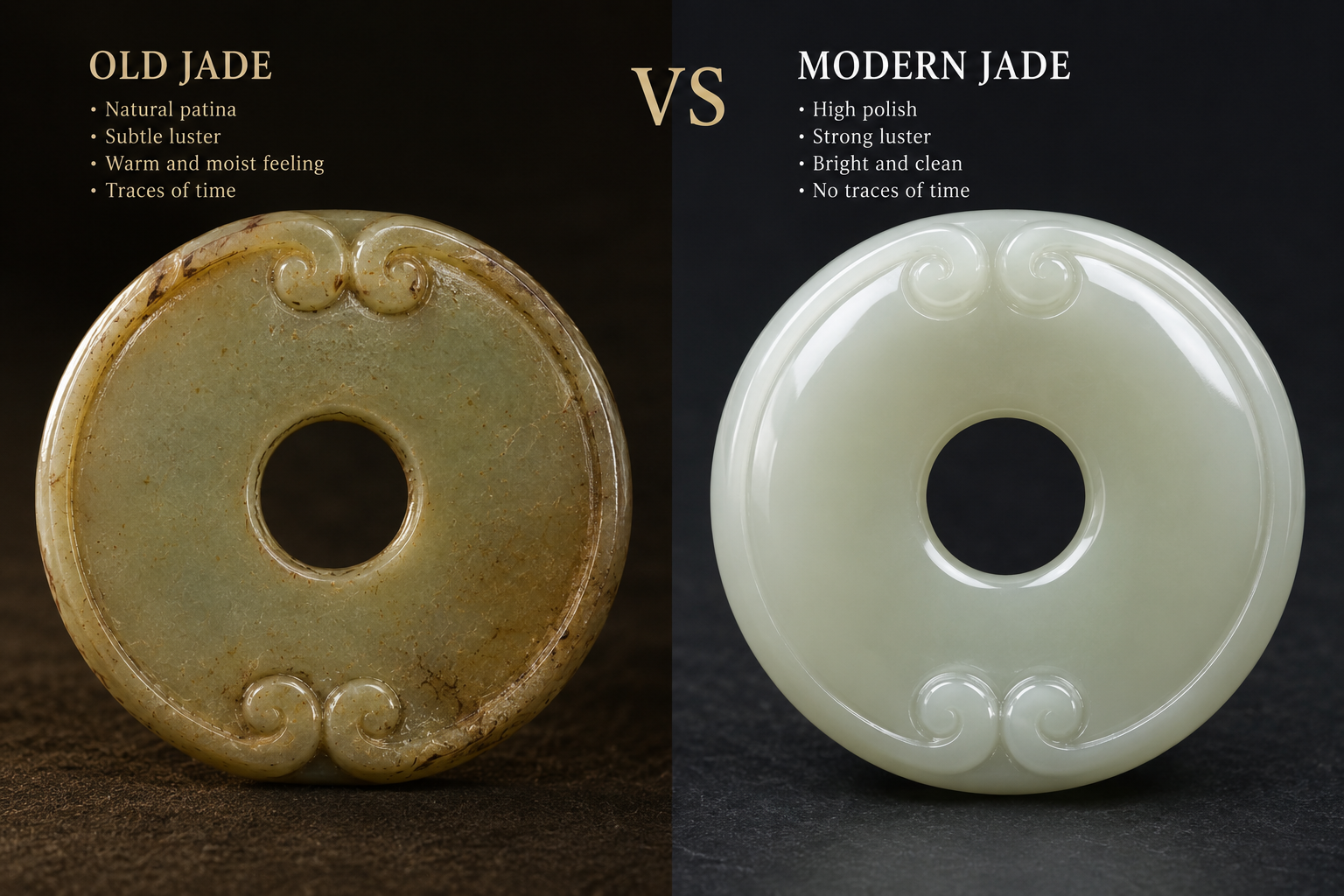
In recent years, as Chinese antique ceramics have continued to attract attention in the international…
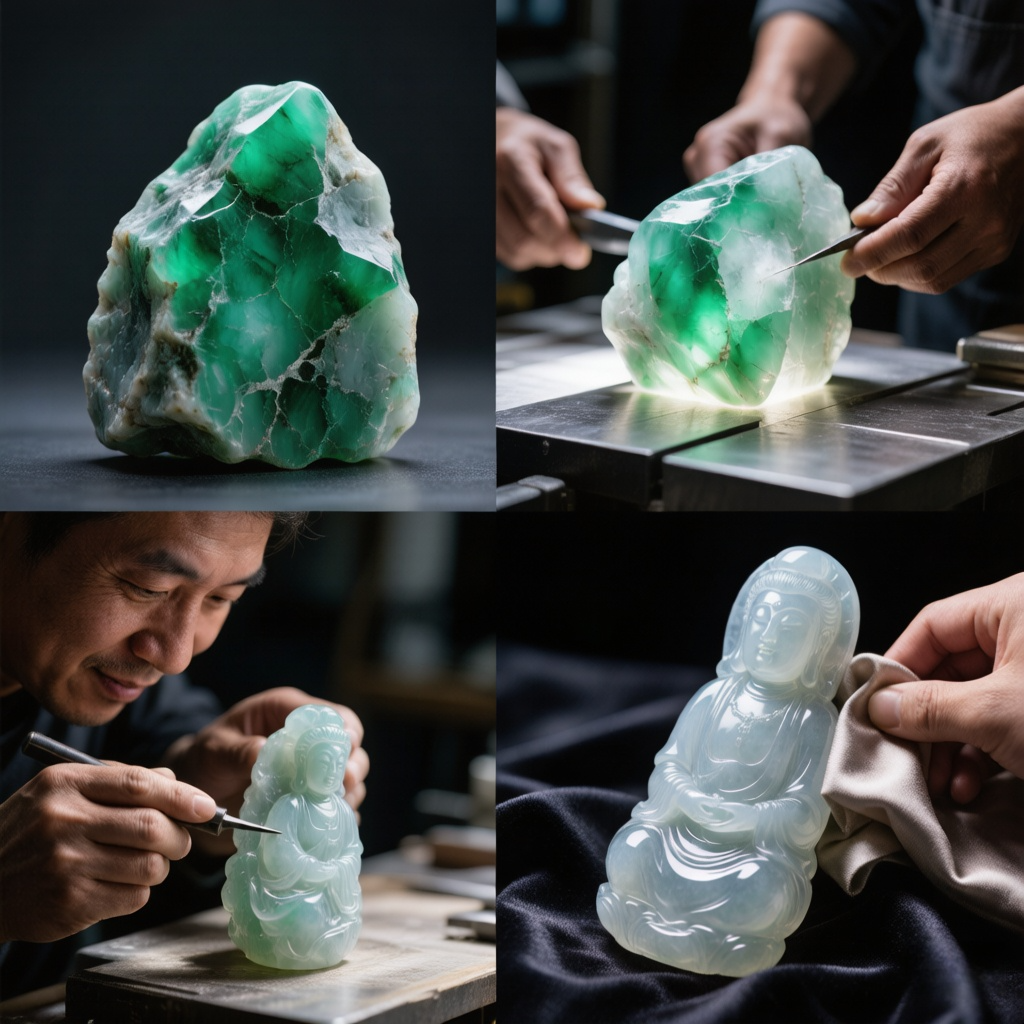
Unveiling the secrets to jade’s value: What are “type, clarity, and color”?
In the world of Eastern jewelry, jadeite is more than just a beautiful stone; it’s a natural history written by geological movements. To truly understand this history, one must grasp three core keywords: texture, clarity, and color.
For those new to jadeite, these three terms are often perplexing. What do the terms “icy,” “full green,” and “gel-like” that merchants frequently use actually mean? Today, we’ll look beyond the surface, revealing the secrets behind jadeite’s “texture, clarity, and color” from mineralogical and optical perspectives.
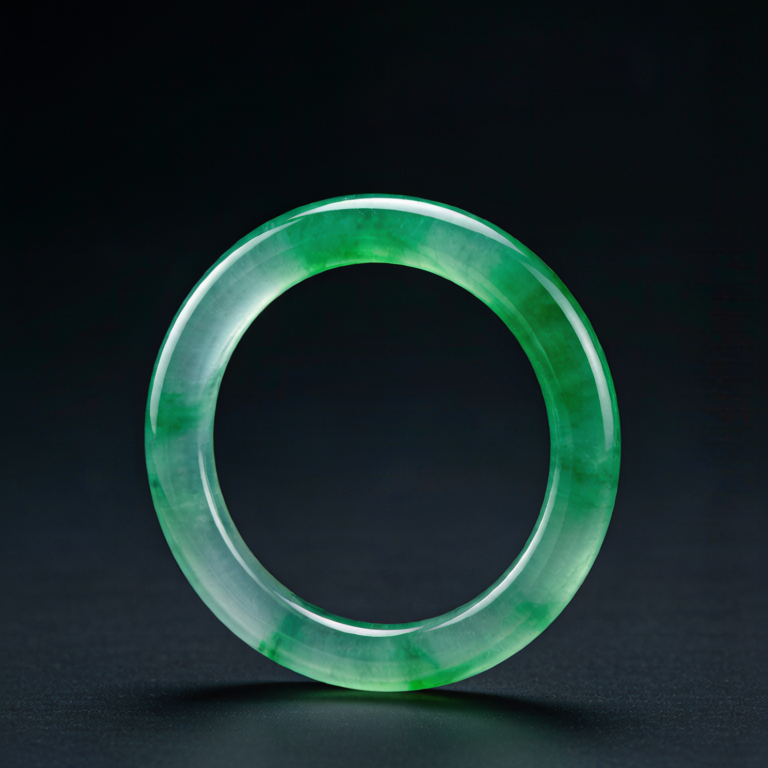
“Type”—The Soul and Skeleton of Jadeite
In the evaluation system of jadeite, “type” is paramount. Here, “type” refers to the fineness, density, and crystal morphology of the mineral crystals within the jadeite.
From a mineralogical perspective, jadeite is primarily composed of jadeite mineral (NaAlSi₂O₆). If the jadeite crystals are small and tightly bound, it is called “old type” or “good type”; conversely, if the grains are large and the structure is loose, it is called “young type” or “new type.”
“Type” determines the fineness and durability of jadeite.
Common types include:
Glassy type: Extremely fine crystals, almost invisible to the naked eye, as transparent and pure as glass, the finest type of jadeite.
Icy type: Second only to glassy type, with high transparency, slightly inclusions, as clear as ice.
Glutinous type: Like overcooked glutinous rice soup, semi-transparent, with a fine texture but a relatively cloudy appearance.
Bean-type jadeite: This type features large, bean-shaped crystals visible to the naked eye. It has poor transparency and is considered a lower-grade jadeite on the market.
High-quality jadeite, after polishing, exhibits a strong vitreous luster and even a “fluorescent” or “gel-like” effect—this is because its dense structure allows light to refract and scatter evenly within, creating a flowing visual texture.
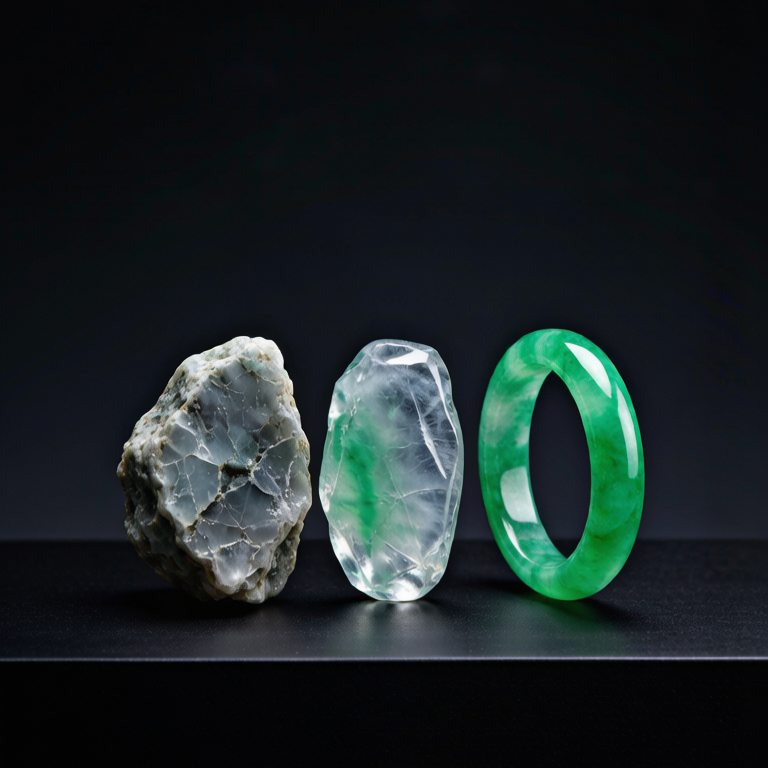
“Water”—A Vibrant, Transparent Poem
If “type” is the skeleton of jadeite, then “water” is its blood.
“Water,” in the trade, refers to the transparency of jadeite. The higher the transparency, the better the water. The industry often uses “a few points of water” to describe this. Light penetrating 3mm is considered one point of water, 6mm is two points, and so on.
“Water” is closely related to “type,” but not entirely the same. High-quality jadeite usually has good water, but good water doesn’t necessarily mean an old, mature type (for example, some B-grade jadeite that has undergone acid washing and resin filling, although transparent, has had its structure destroyed, and is called “water without type”).
In jadeite with good water, light can freely pass through, producing a “fluorescence” effect. This optical phenomenon makes the jadeite look lively and vibrant, as if it contains a pool of clear water. Conversely, jadeite with poor water appears dull, dry, and lacking vitality.
When appreciating jadeite, we can observe it by shining a focused flashlight on it: the deeper the light penetrates, the better the water. This is why experts always carry a small flashlight when buying jade – they’re not illuminating the brightness, but rather the “water” (the jade’s translucency).
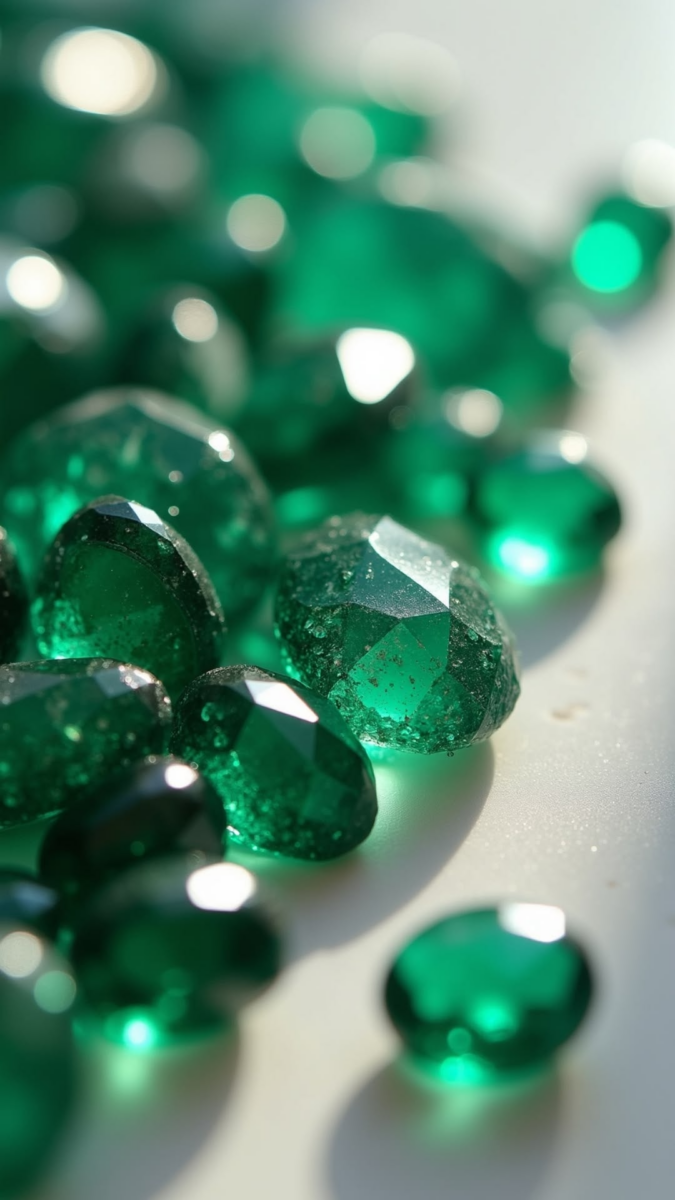
“Color”—Nature’s Palette
The allure of jadeite largely stems from its ever-changing colors. “Color” refers to the hue of jadeite.
The formation of jadeite’s color is complex, primarily due to trace elements such as chromium (Cr), iron (Fe), and manganese (Mn). Among these, green is the most representative and the most valuable.
Evaluating the color of jadeite emphasizes “richness, vibrancy, purity, and evenness”:
Richness: Refers to the saturation of the color, i.e., its depth. Too deep and it appears black; too light and it’s colorless; a moderate shade is best.
Vibrancy: Refers to the brightness of the color. A bright, vivid green is called “yang green” and is the most sought-after.
Purity: Refers to the purity of the hue. A pure green without impurities (such as gray or blue) is considered superior.
Evenness: Refers to the evenness of the color distribution. A piece entirely green is the rarest.
Besides green, jadeite also includes violet (purple), red, yellow, and black jadeite, among others. As the saying goes, “red and yellow are jadeite, green and white are jadeite,” colorful jadeite satisfies the aesthetic needs of different groups of people.
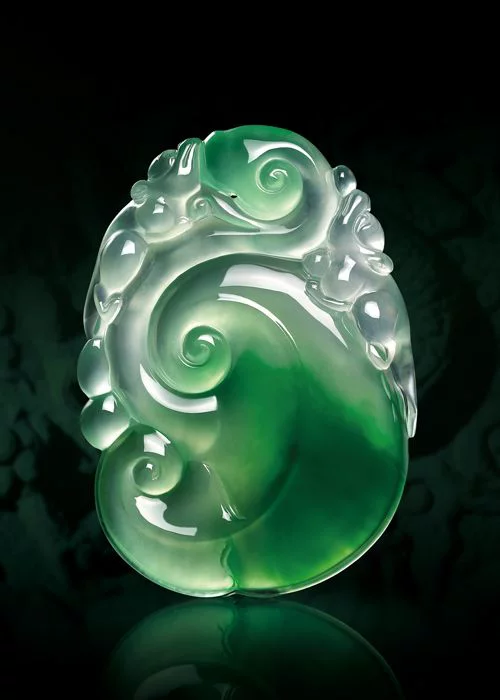
The Harmony of Three: The Art of Balancing Value
When selecting jadeite, “texture, clarity, and color” are often interdependent and mutually balancing.
As the saying goes, “The layman looks at the color, the expert looks at the texture.” Beginners often only pursue green color, neglecting texture and clarity. As a result, the jadeite they buy may have a vibrant color, but it’s dry and cloudy, becoming tiresome after a while. Experienced collectors, however, understand that only jadeite with good texture and clarity can truly bring its color to life.
Related Posts