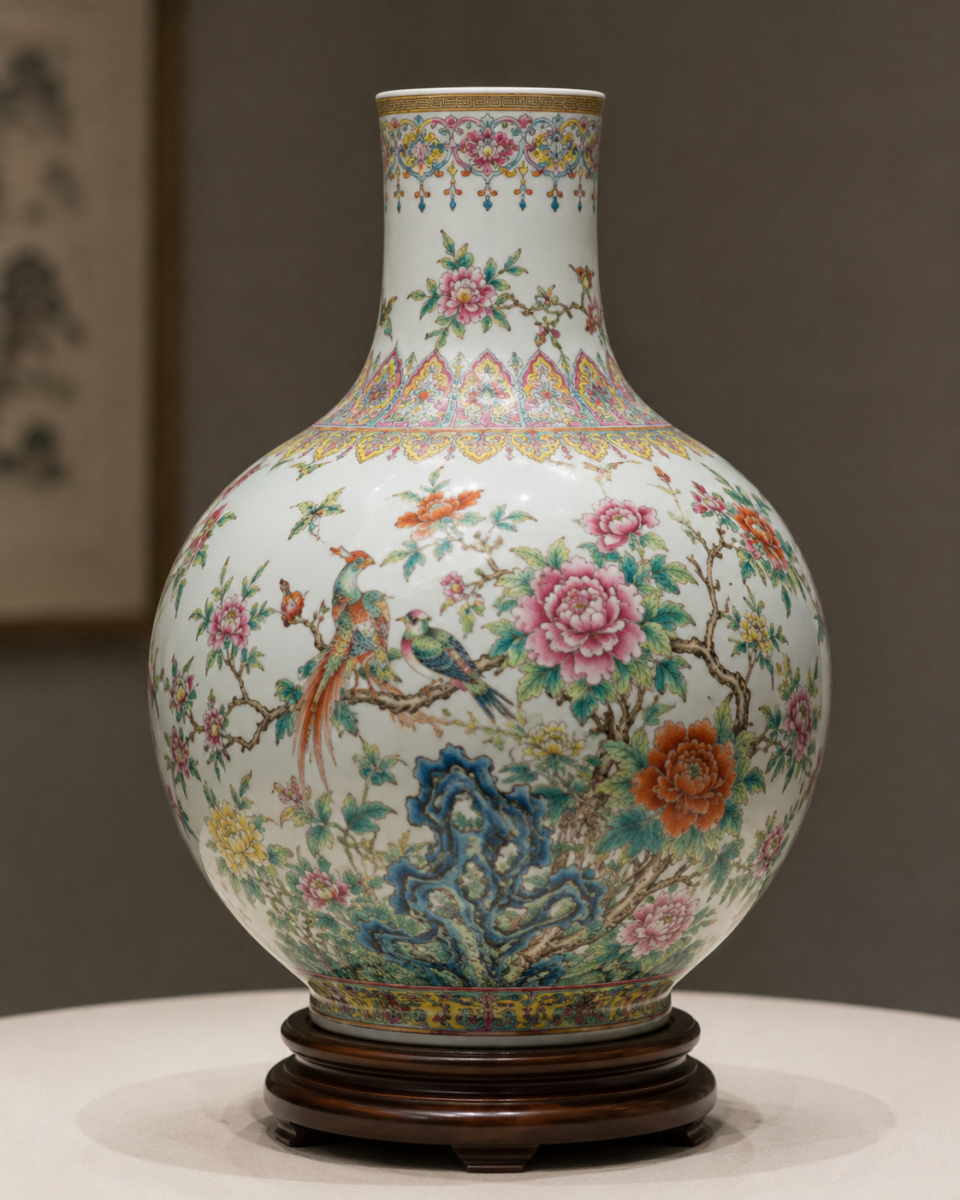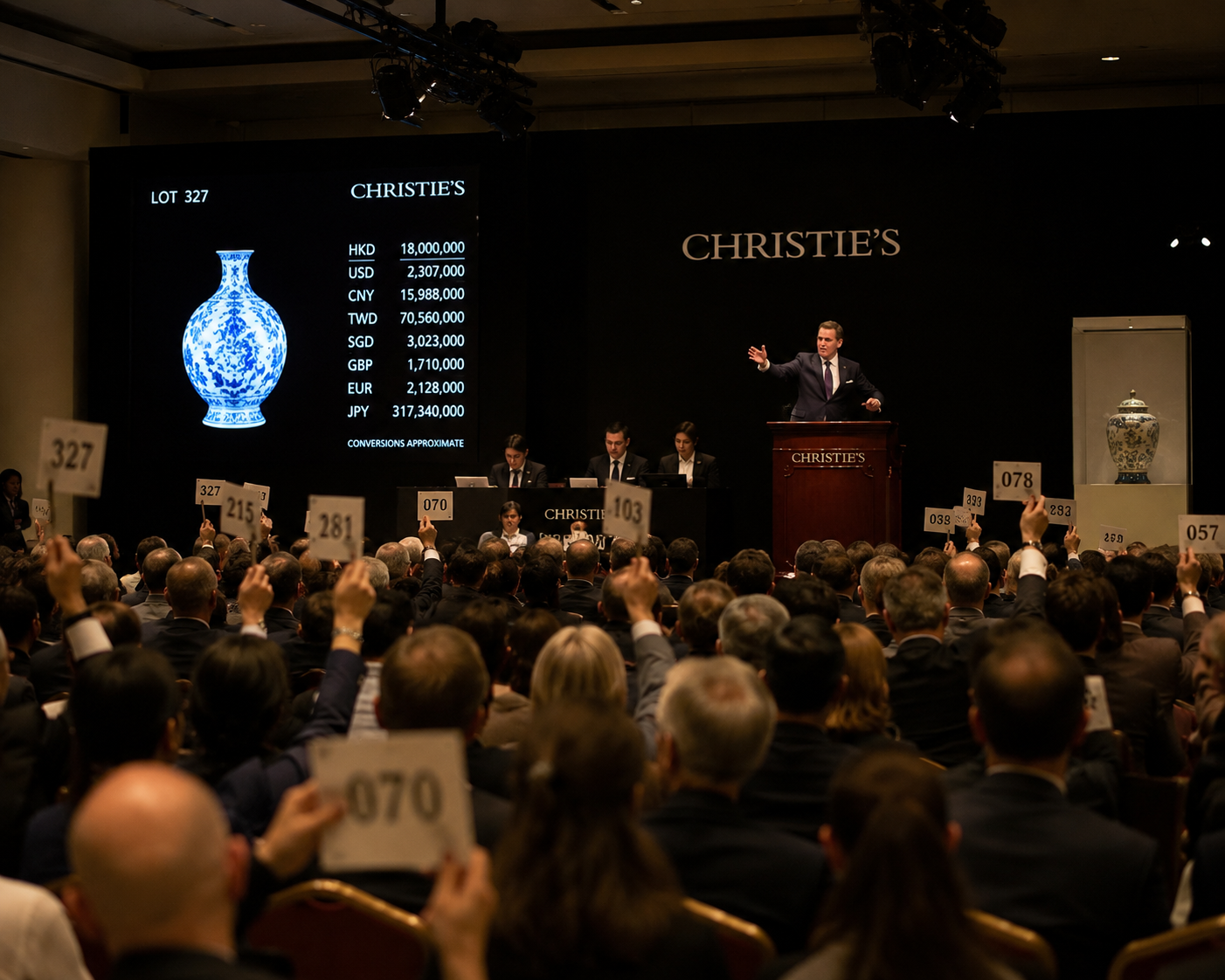
In recent years, as Chinese antique ceramics have continued to attract attention in the international…
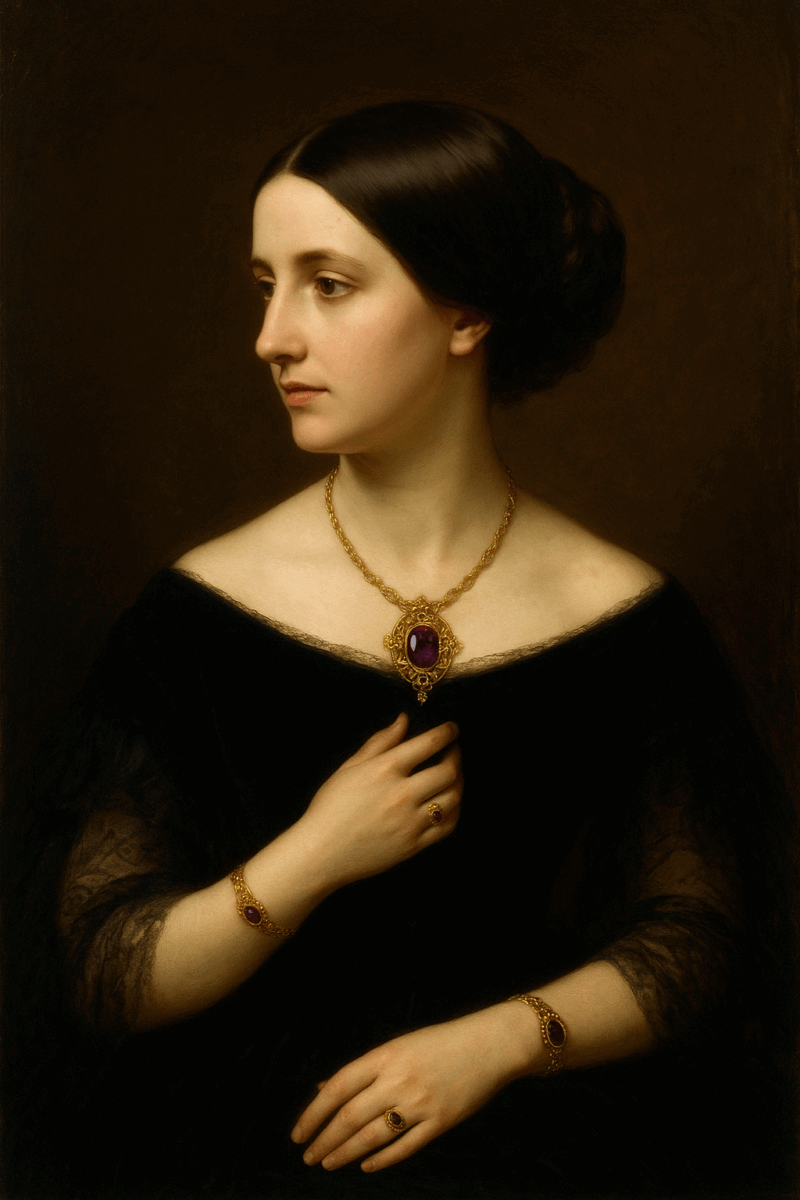
The Victorian Era: When Jewelry Became a Language of Time
In the world of jewelry and antiques, the Victorian era is not merely a “style label,” but an entire cultural system shaped by ideas of time, emotion, and craftsmanship.
Nineteenth-century Britain stood at the threshold between tradition and modernity. The Industrial Revolution brought unprecedented efficiency and scale, yet what truly moved people were still the objects made by human hands—objects meant to endure. Quiet in presence, they carried immense emotional weight.
I. Jewelry: Not Mere Ornament, but a Vessel of Emotion
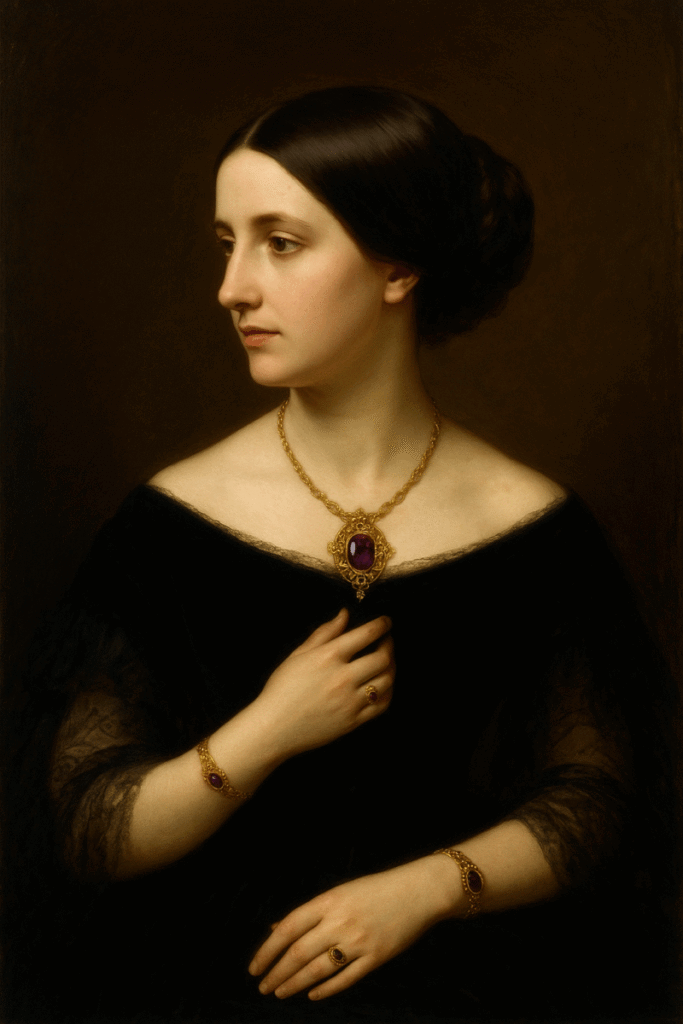
Victorian jewelry was rarely created for display alone.
Instead, it functioned as a form of intimate, wearable storytelling.
Serpent rings symbolized eternal love; lockets held private remembrance; strands of hair were carefully woven into brooches and rings, becoming “memories made tangible.” In an age when emotional expression was restrained, jewelry took on the role of language.
Each piece was the crystallization of a relationship, a feeling, a single moment in time.
II. Craftsmanship and Materials: The True Core of Victorian Aesthetics
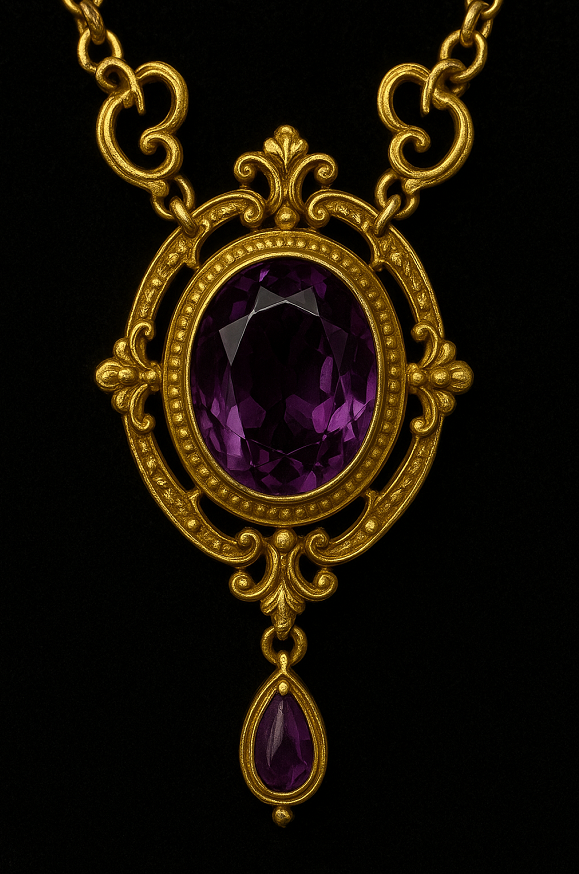
Despite the sweeping tide of industrialization, high-end Victorian jewelry and silverware continued to adhere to complex and disciplined systems of handcraft.
The layering of metalwork, the stability of stone settings, the precise control of enamel colors, and the proportional relationships between even the smallest components—these seemingly subtle details are where true value resides.
The choice of materials was equally restrained and deliberate:
18K gold, natural gemstones, pearls, jet, and enamel were selected to express different emotions and suit different occasions.
This devotion to structure and durability is why so many pieces of Victorian jewelry remain wearable and inheritable to this day.
III. The Allure of Antiques Lies in Their Traceable Sense of Time
A truly collectible antique is never defined simply by being “old.”
It must speak a clear language of its era.
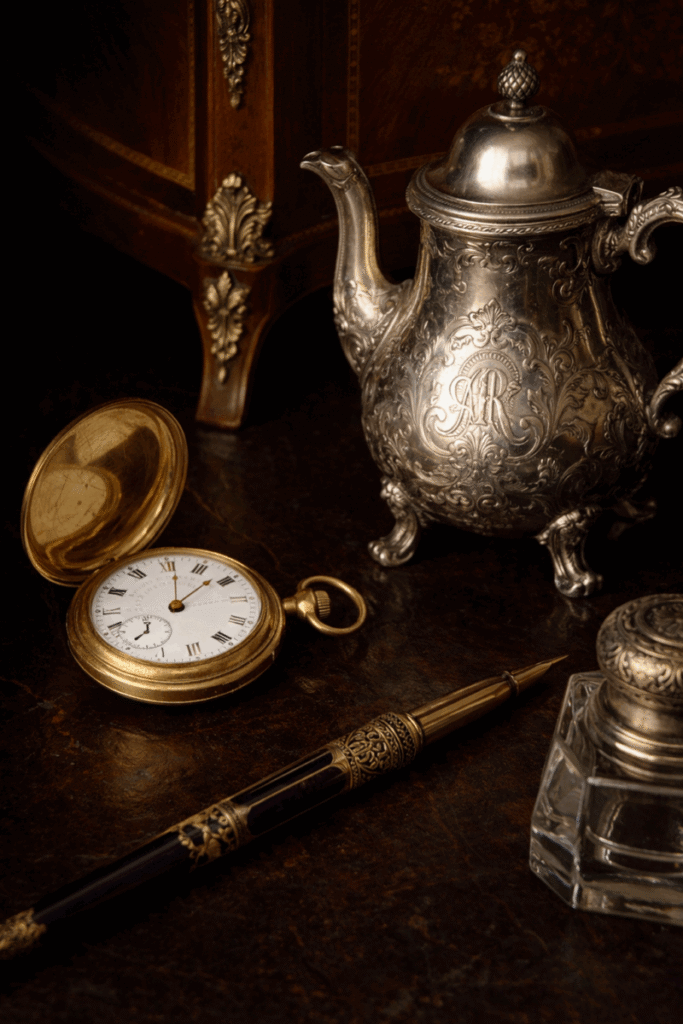
Victorian objects—whether jewelry, pocket watches, silverware, or writing instruments—carry distinct cultural signatures: proportions, decorative vocabularies, and functional logic that are rarely confused with those of other periods.
This high degree of recognizability is one of the values collectors prize most.
It signifies that an object knows where it comes from.
IV. Collecting as a Slow and Rational Choice
In the Victorian era, objects were designed to endure.
They did not chase fleeting trends, but were created with stability, durability, and emotional value at their core.
This philosophy closely aligns with the true spirit of collecting:
collecting is not about possession, but about temporary guardianship;
not about accumulation, but about being selected by time.
To choose a piece of Victorian jewelry or an antique is to accept its history—and to become part of its ongoing story.
Related Posts