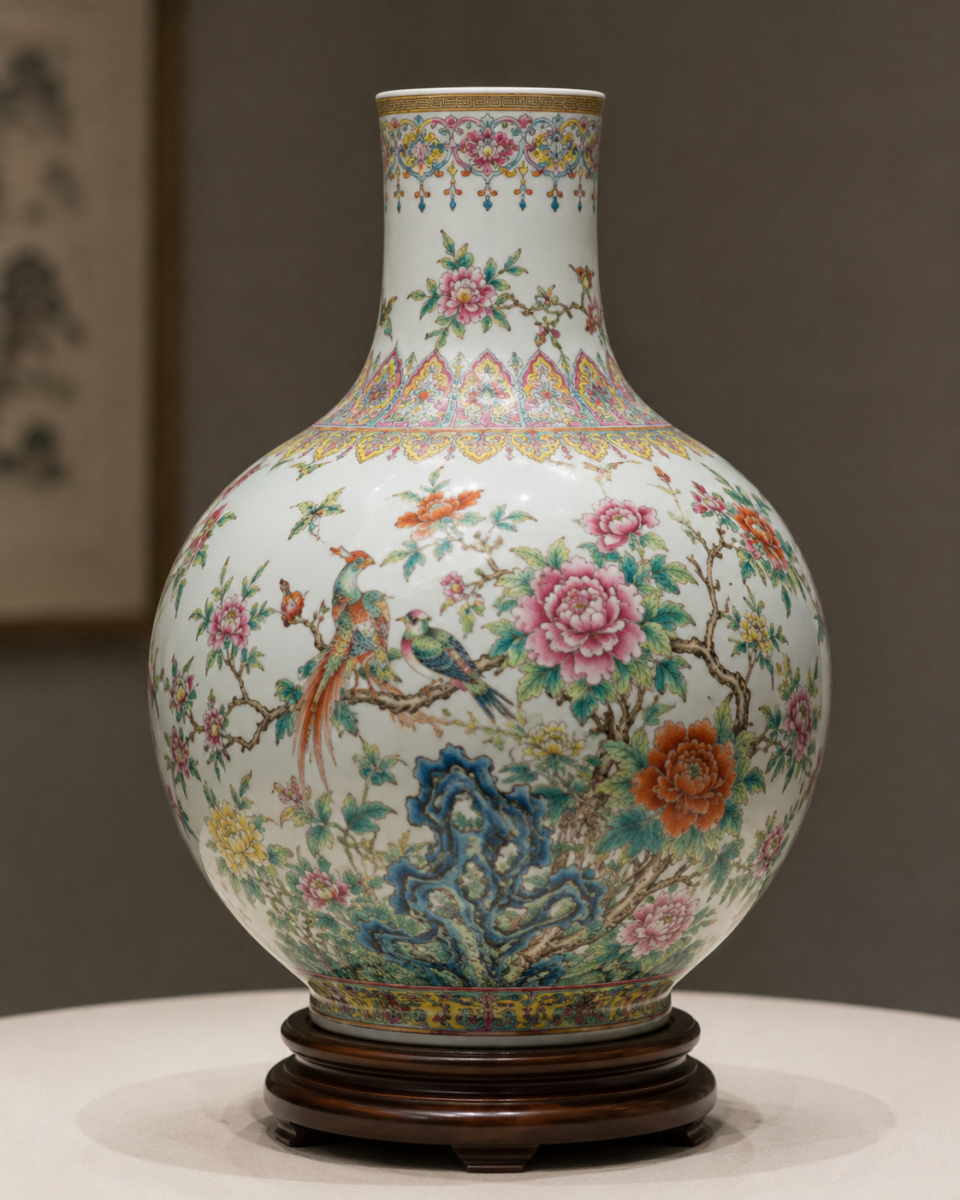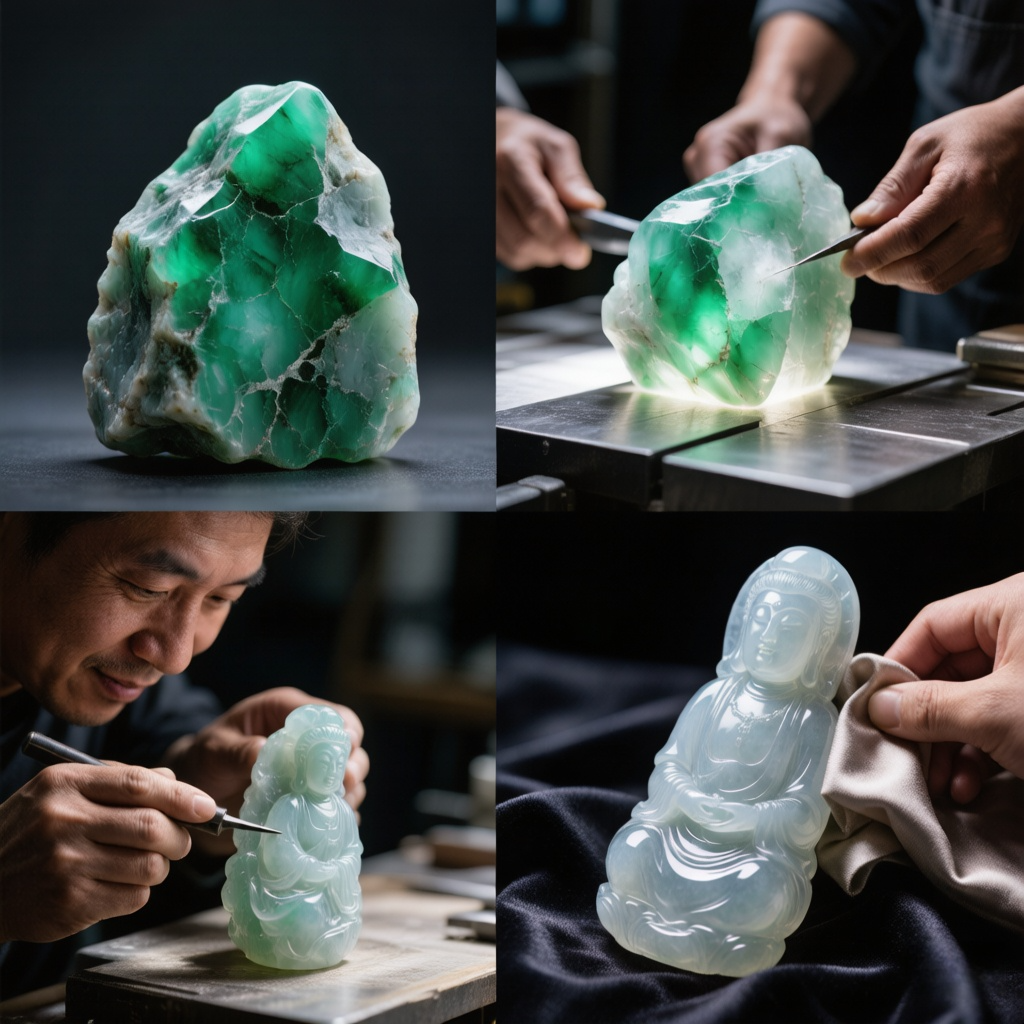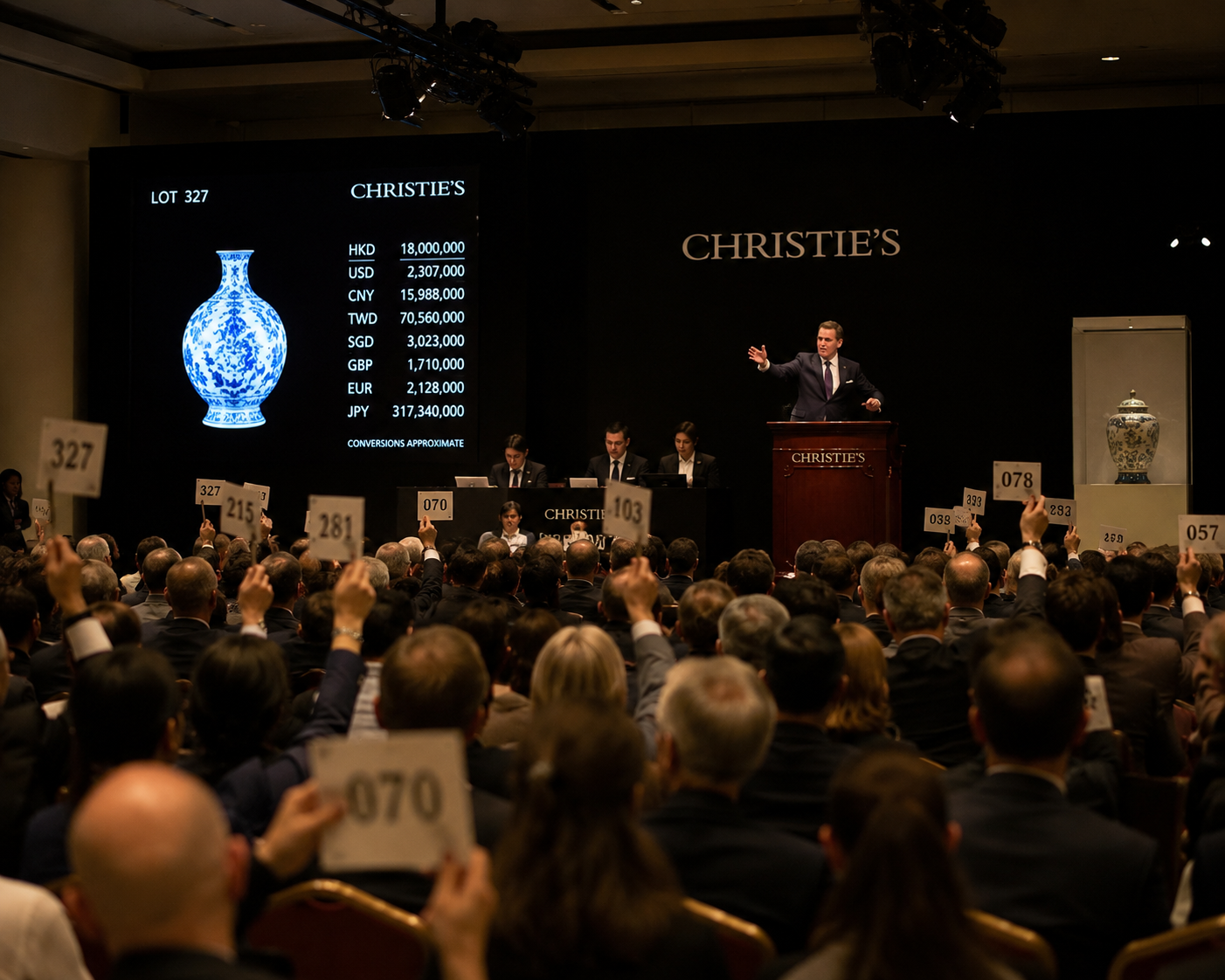
In recent years, as Chinese antique ceramics have continued to attract attention in the international…
Under the Dome: The Pantheon and the Circle of Time
At the heart of Rome stands a building that neither flaunts power nor recounts conquest, yet with two thousand years of silence it has watched the rise and fall of human civilization.
It belongs to no single god, and to no single era.
It belongs to time itself.
This is the Pantheon.
The Pantheon was built in the 2nd century CE and completed during the reign of Emperor Hadrian. Its name, Pantheon, means “the temple of all gods,” yet over the course of history its identity has shifted repeatedly: from a pagan sanctuary to a Christian church, and ultimately into a spiritual space shared by artists, thinkers, and ordinary visitors alike. Unlike many ruins scattered across Rome, the Pantheon has survived almost intact through two millennia of wind and rain, as if time itself had learned to show restraint here.
I. From the Outside: A Declaration of Reason and Order
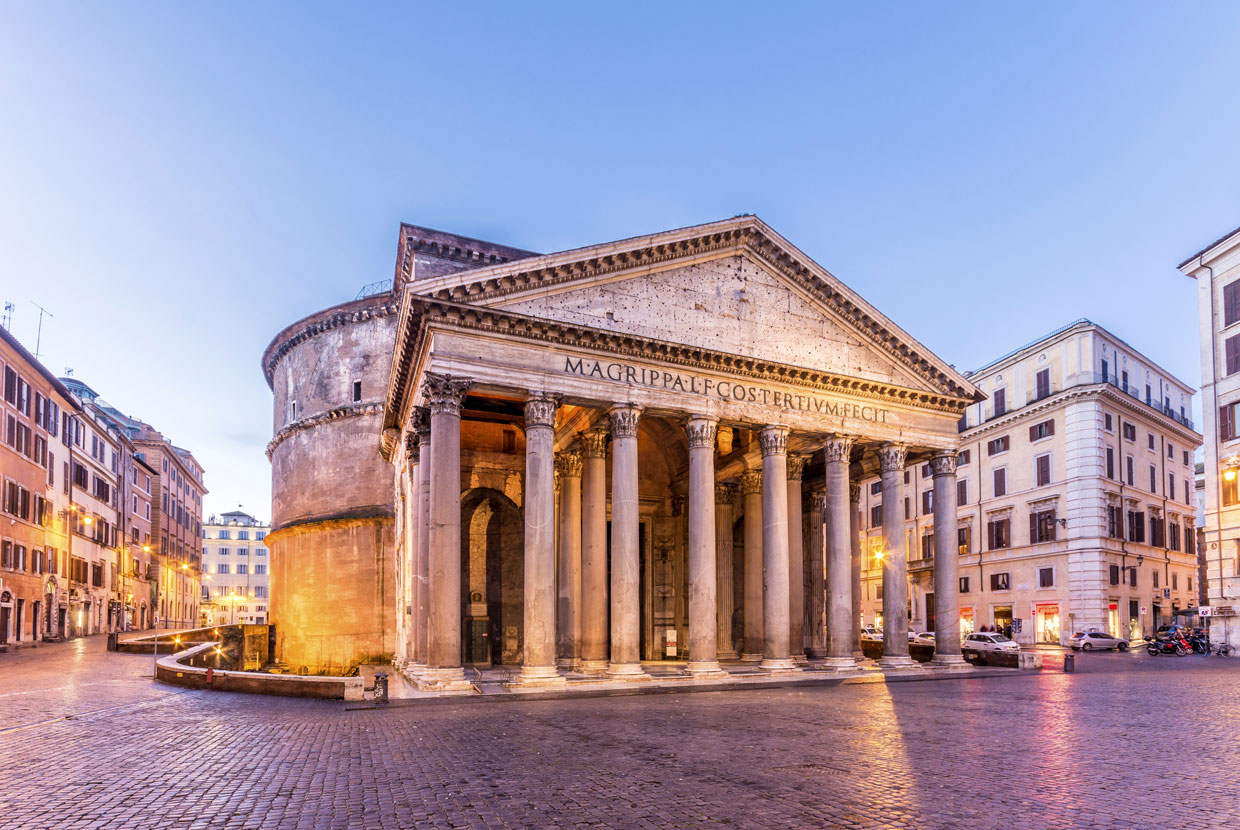
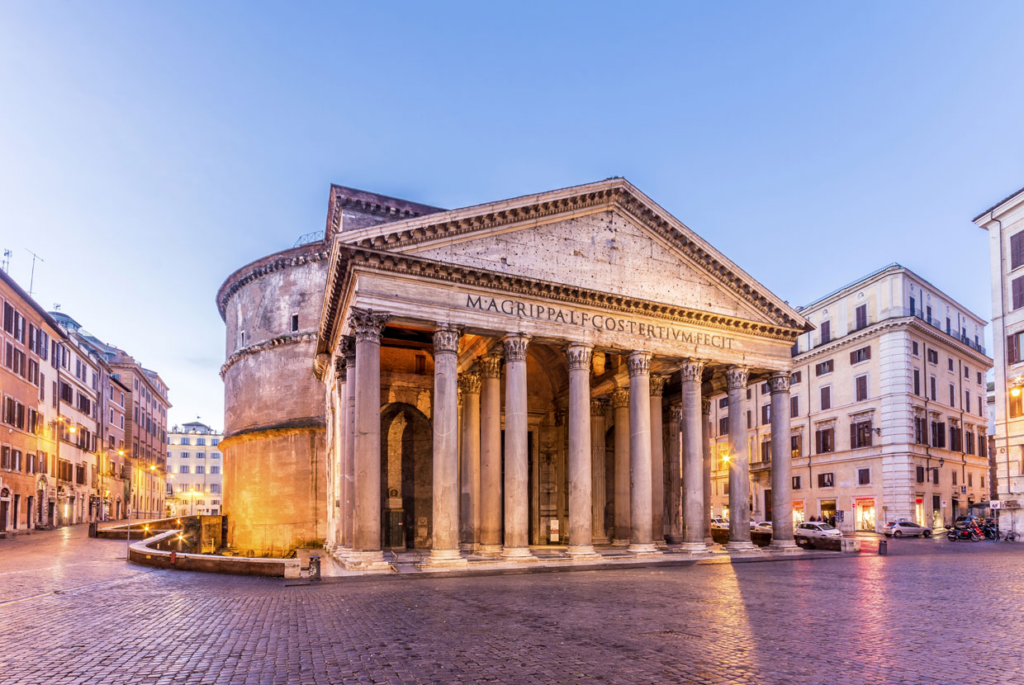
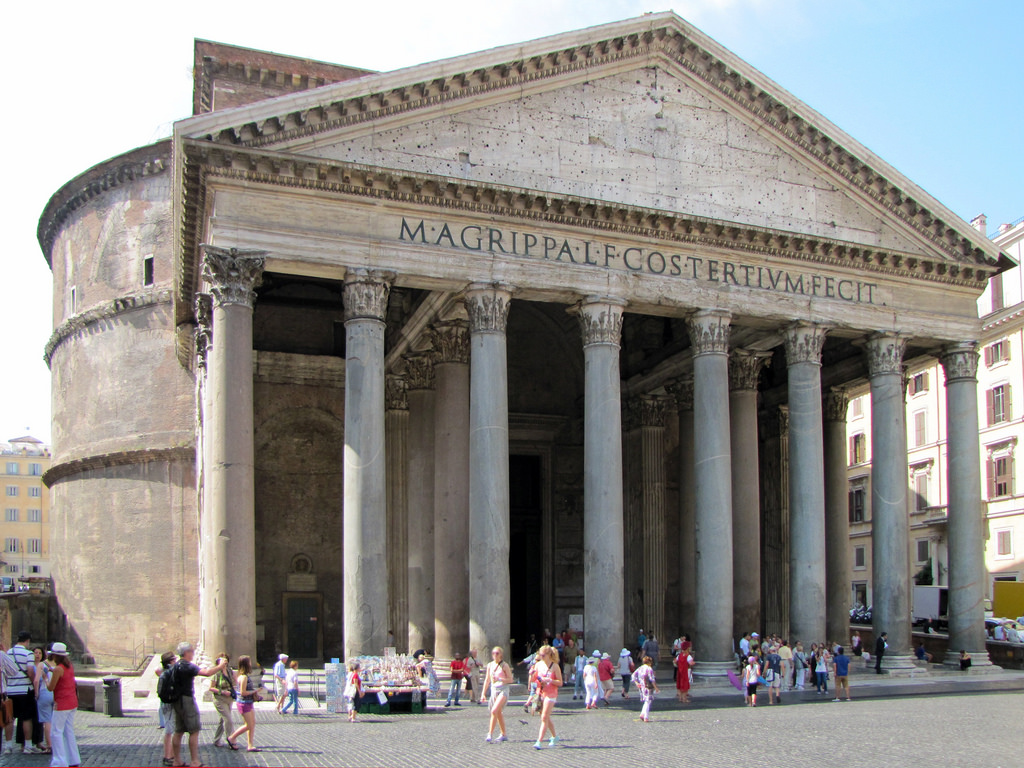
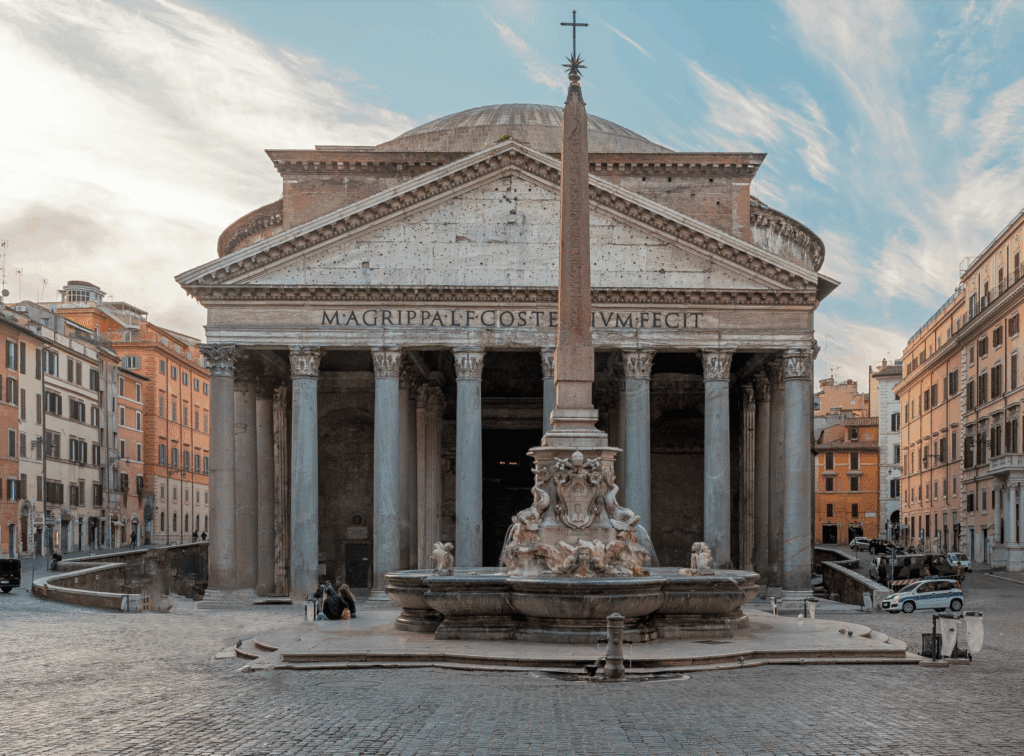
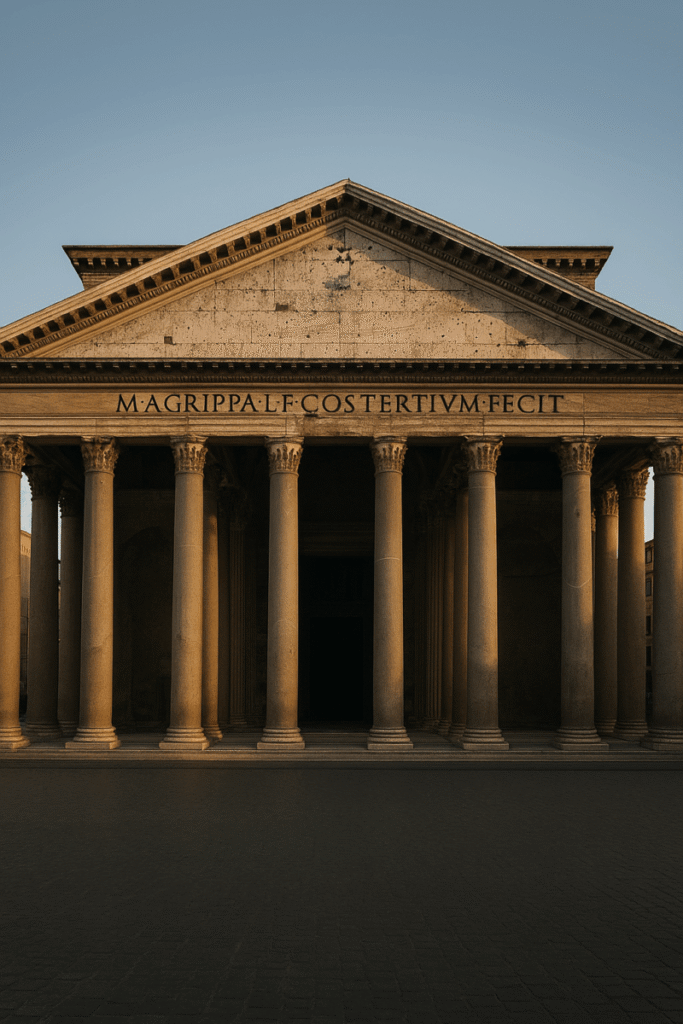
The Pantheon’s façade presents a canonical classical temple: granite Corinthian columns, a heavy triangular pediment, proportions that are precise and restrained. The inscription on the front reads:
“M·AGRIPPA·L·F·COS·TERTIVM·FECIT”
—“Marcus Agrippa, son of Lucius, built this in his third consulship.”
This is a distinctly Roman confidence: although the building was reconstructed in a later era, the original dedication remains. History is not rewritten, but acknowledged.
Yet the true astonishment does not lie outside.
The exterior of the Pantheon is rational, orderly, even conservative—a restrained prelude gathering force for the spatial experience that awaits within.
II. Entering the Dome: When Space Becomes Thought
The moment you pass through the bronze doors and lift your eyes, the world changes.
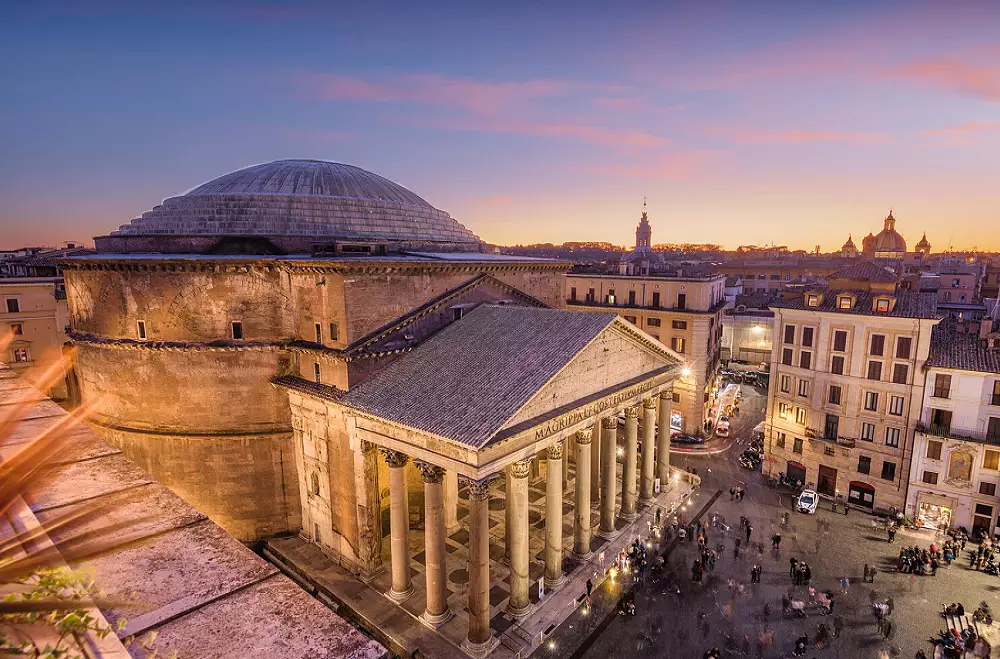
The dome’s diameter and height are both 43.3 meters, forming a perfect sphere in both visual and mathematical terms. One feels placed at the center of an ideal cosmos, where floor and dome together complete a total geometric order. This is not merely an engineering marvel; it is a declaration of how the world may be understood—that the universe is ordered, and that human reason can measure the divine.
At the center of the dome is the circular opening known as the oculus, about nine meters wide—the Pantheon’s only source of natural light. Sunlight pours through it and slowly moves throughout the day like a monumental sundial, measuring the passage of time. Rain falls through it as well, quietly draining away through openings in the floor. The sky is not sealed off; the boundary between gods and humans is left deliberately open.
III. Light: The Quietest Narrator of Architecture
The Pantheon has no stained glass, no pictorial storytelling, and remarkably restrained ornamentation. What truly shapes the emotional atmosphere is light.
In the morning, the light is low, and the dome feels deep and solemn. At noon, the beam falls vertically, as if divinity briefly manifests itself. By evening, the light slides across the walls, and the building returns to contemplation. Nothing here dictates how you should feel, yet everyone instinctively lowers their voice and slows their steps.
Here, light is not decoration but philosophy. It reminds us that eternity is not stillness, but order sustained through change.
IV. From Gods to Mortals: A Shift in Meaning
With the decline of the Roman Empire, the Pantheon was not abandoned. In the 7th century, it was consecrated as a Christian church—the Church of St. Mary and the Martyrs. This transformation was not destruction, but continuation. Precisely because of this change in function, the Pantheon survived, spared from being dismantled for stone, and remained standing within the city.
Later, it became a resting place for artists. Raphael, the great master of the Renaissance, is buried here. His epitaph reads: “While he lived, Nature feared being surpassed; when he died, she feared dying with him.” Within the temple of all gods, a mortal was granted dignity alongside the divine.
V. Why the Pantheon Still Matters
In today’s age of technological supremacy, the Pantheon remains deeply moving—not because it is ancient, but because it strikes at a question humanity has never resolved:
How do we understand the infinite within a finite life?
The Pantheon offers no answer.
It provides only a space—where one stands amid time, light, proportion, and silence, and thinks alone.
For this reason, it is not a museum, but an experience that continues to unfold.
When you leave the Pantheon and return to the noisy streets of Rome, you may find yourself looking back. It is not longing for a building, but for a long-lost sense of order—a world humanity once attempted to build through reason, art, and reverence together.
Related Posts