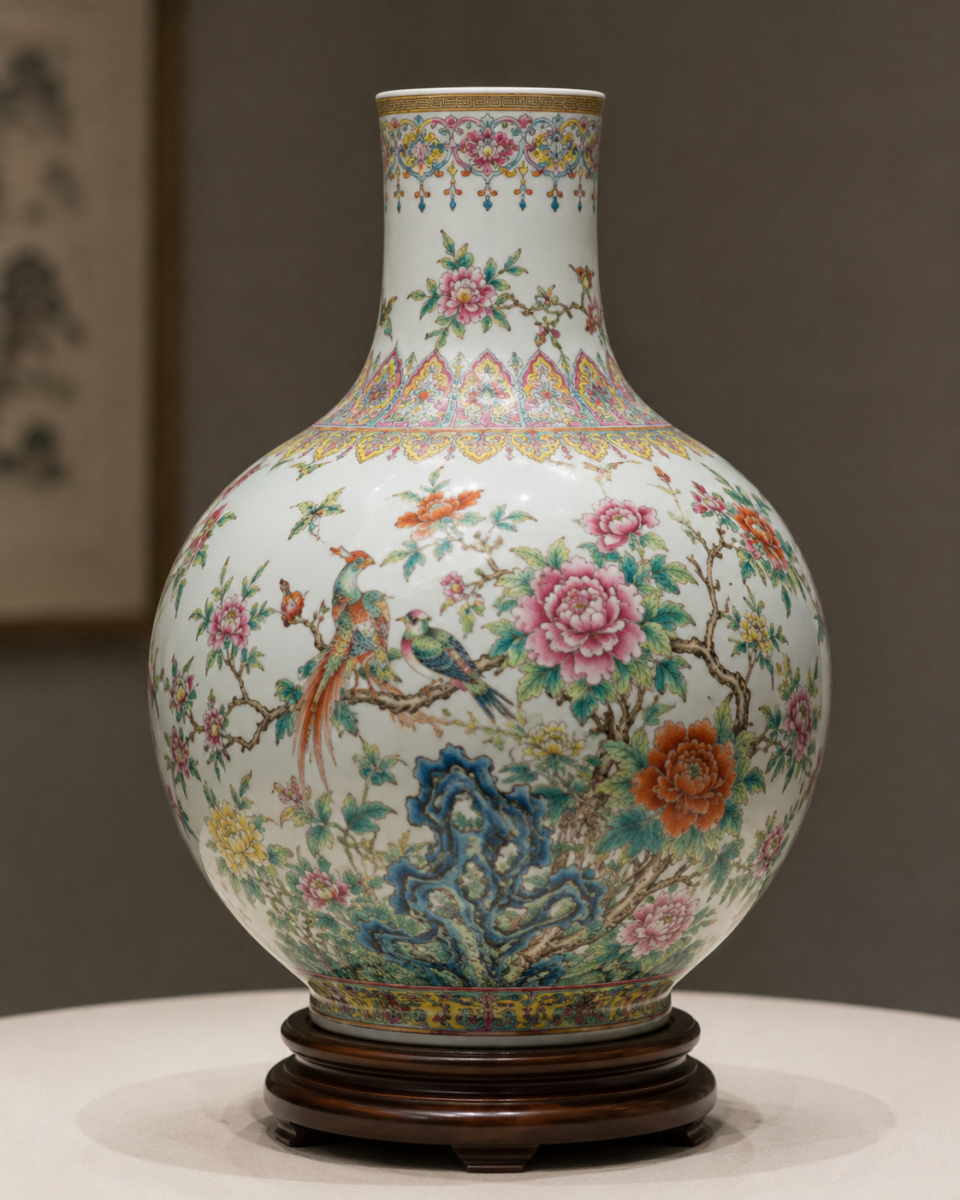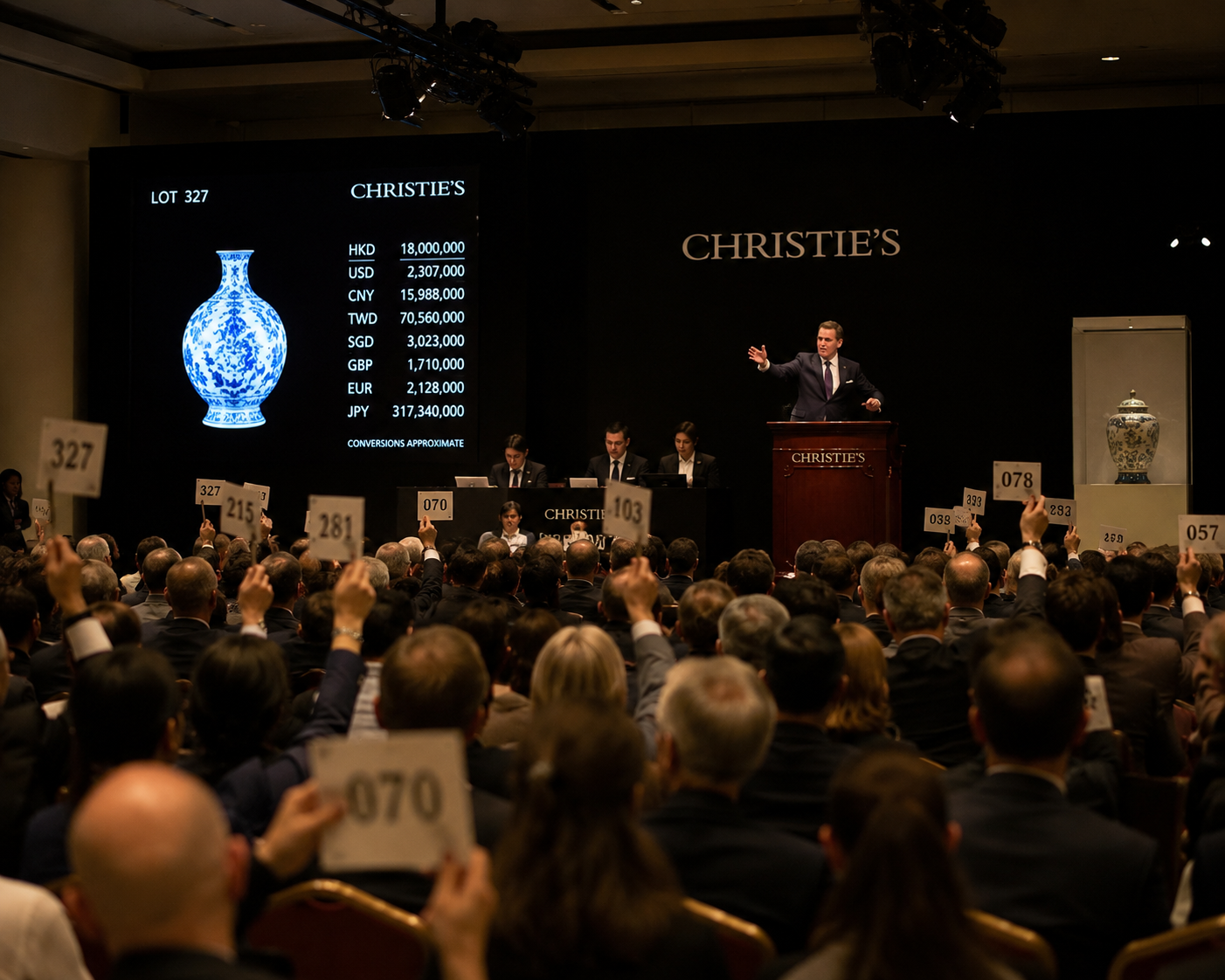
In recent years, as Chinese antique ceramics have continued to attract attention in the international…
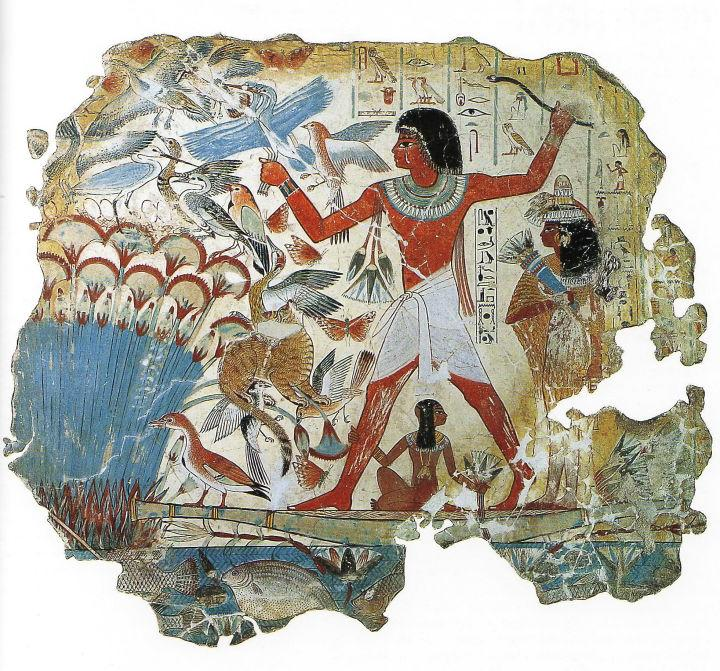
The Flow of Art History in the Long River of Civilization
Art, a brilliant treasure of human civilization, is like a ceaseless tributary, always accompanying the development of human society and meandering through the long river of civilization. From the crude stone carvings of ancient times to the diverse and innovative art forms of modern society, every shift in art history is etched with the cultural imprint of different eras, reflecting the deepening of humanity’s understanding of the world and the sublimation of its spiritual pursuits. Tracing the origins of art history, we must turn our attention to the distant ancient civilizations. In Mesopotamia, the Sumerians sculpted solemn statues of gods from clay and recorded myths and history on clay tablets using cuneiform script. These early artistic creations were not only expressions of worship but also direct reflections of social life. The Code of Hammurabi stele of ancient Babylon, besides bearing the majesty of the law, features reliefs on its top that cleverly connect Hammurabi with the sun god Shamash, highlighting both the sanctity of royal power and the exquisite carving techniques of the time, becoming a typical representative of Mesopotamian civilization’s art.
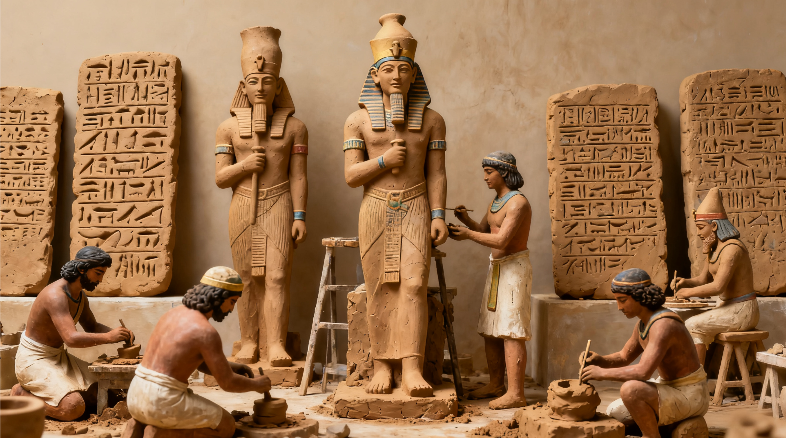
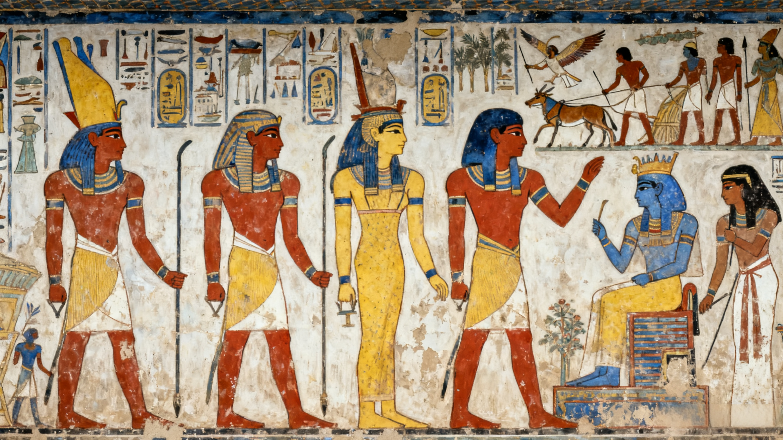
Ancient Egyptian art is renowned for its unique stability and symbolism. The murals in the pyramids, temples, and tombs of Egypt adhered to strict rules and conventions. Human figures were typically depicted using the “frontal law”—the head in profile, the body facing forward. This seemingly rigid form, however, embodies the Egyptians’ pursuit of eternity. The scenes of farming, hunting, and sacrifice depicted in the murals are vibrant and timeless, vividly recreating the daily lives of the ancient Egyptians and conveying their belief in the afterlife. The Sphinx and colossal statues of pharaohs standing along the Nile, with their magnificent grandeur, have become immortal symbols of ancient Egyptian art, witnessing the brilliance of that era.
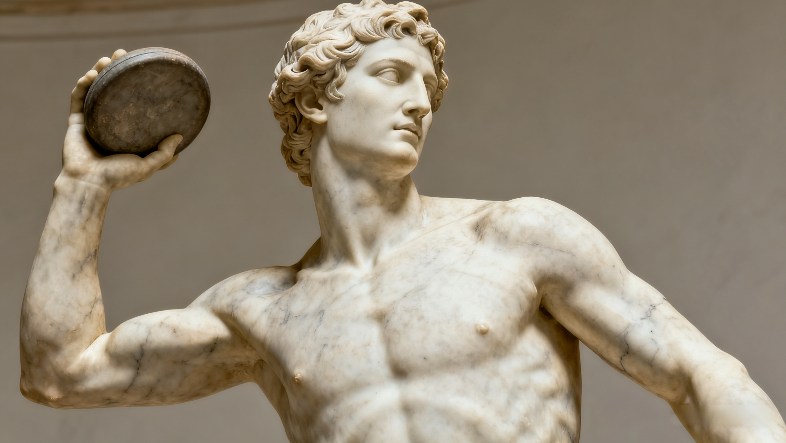
While the art of ancient civilizations shone brightly across Asia and Africa, the ancient Greek and Roman civilizations of Europe also nurtured highly influential artistic styles. Ancient Greek art pursued “harmonious beauty” and “idealized reality,” reaching the pinnacle of sculptural art. The *Discobolus*, with its precise human proportions and dynamic capture, perfectly presents the athlete’s momentary power and beauty; the *Venus de Milo*, with its incomplete form, interprets eternal elegance and mystery, becoming a paradigm of classical aesthetics. Ancient Roman art, while inheriting the traditions of ancient Greece, placed greater emphasis on practicality and grandeur. The Colosseum’s massive scale, exquisite arch technology, and the mosaics scattered throughout the land not only showcased the power of the Roman Empire but also propelled the development of art in architecture and decoration.
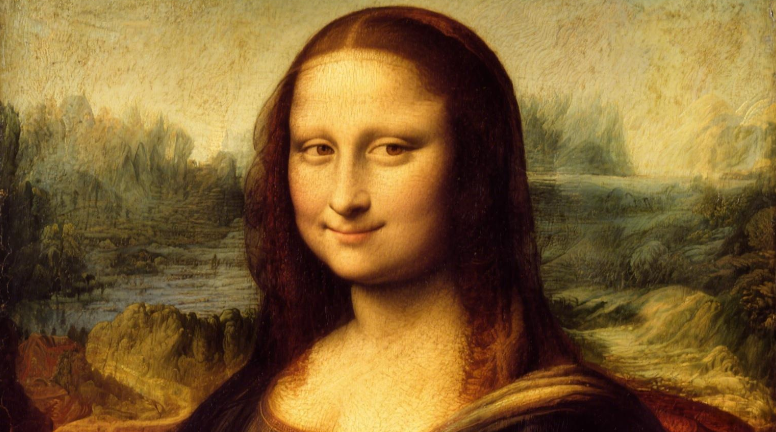
In 19th-century Europe, religion became a central theme in art. The rise of Christian culture made art a tool for spreading religious doctrines and creating a sacred atmosphere. The soaring spires, magnificent stained-glass windows, and exquisite reliefs and murals of Gothic cathedrals were all imbued with religious symbolism. The biblical stories depicted in the stained-glass windows, illuminated by sunlight, transformed the interior of the cathedral into a sacred dreamscape, guiding believers’ hearts towards heaven. While the art of this period was relatively limited in subject matter, it achieved tremendous success in architectural techniques and the expression of religious sentiment, laying the groundwork for the later Renaissance art. The Renaissance was a great awakening in the history of European art. With the rise of humanism, artists began to break free from the constraints of religion, turning their attention back to humanity and the real world. Leonardo da Vinci’s ,Mona Lisa, with its delicate brushstrokes and enigmatic smile, reveals the complexity and beauty of humanity; Michelangelo’s *David*, with its robust physique and resolute gaze, highlights human strength and dignity; Raphael’s ,The School of Athens, through its depiction of classical philosophers, promotes the rational spirit of humanism. The art of this period achieved groundbreaking progress in realistic techniques, color usage, and compositional design, perfectly combining the traditions of classical art with observations of real life, ushering in a new era for modern European art.
The river of civilization flows ceaselessly, and the evolution of art history has never ceased. The art of each era is a microcosm of the social culture, ideology, and technological level of its time. They are passed down and influenced one another, collectively forming a magnificent and colorful artistic panorama of human civilization. In the future, with the continuous development of human civilization, art history will undoubtedly continue to write new chapters, recording human emotions, thoughts, and explorations of the world in richer and more diverse forms, shining even brighter in the long river of civilization.
Related Posts