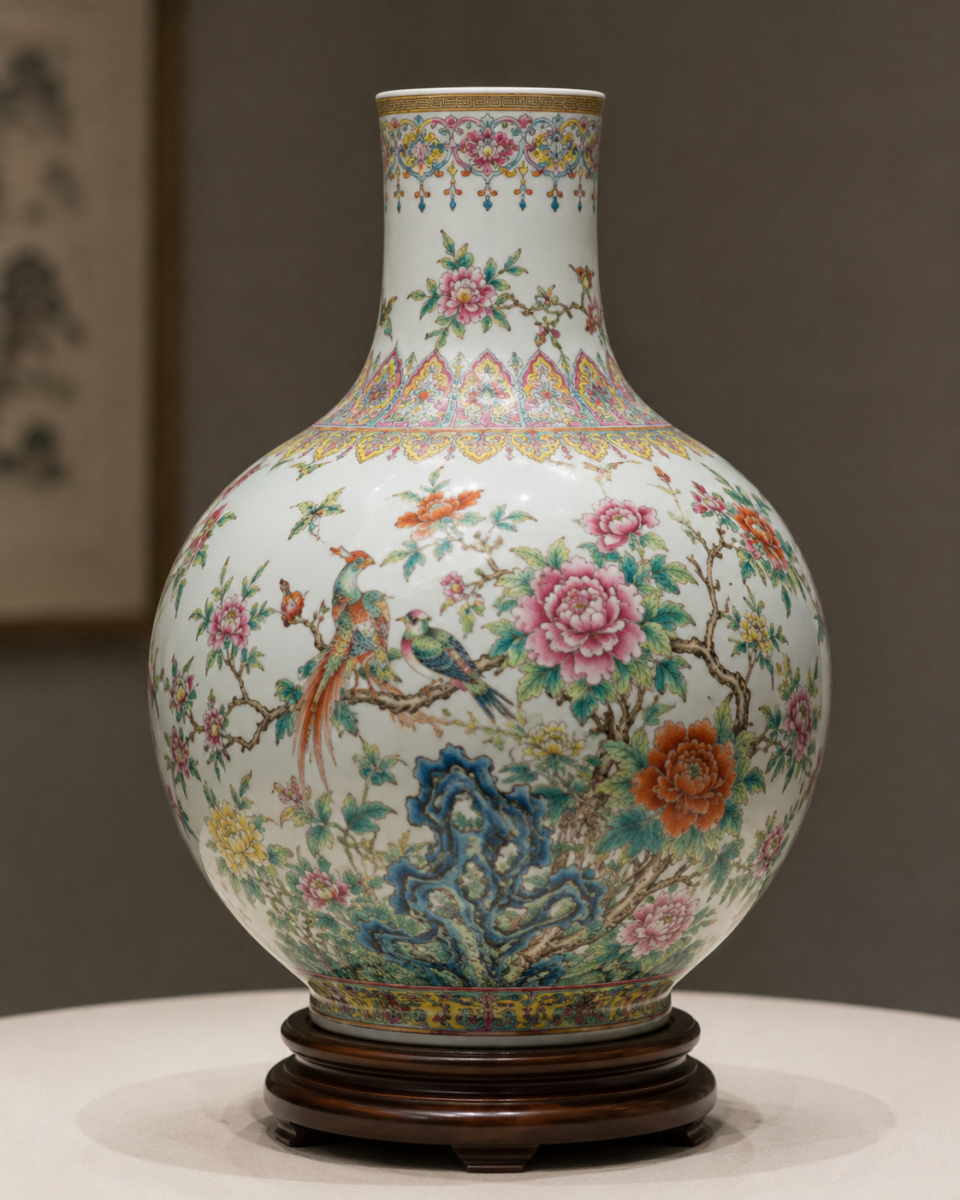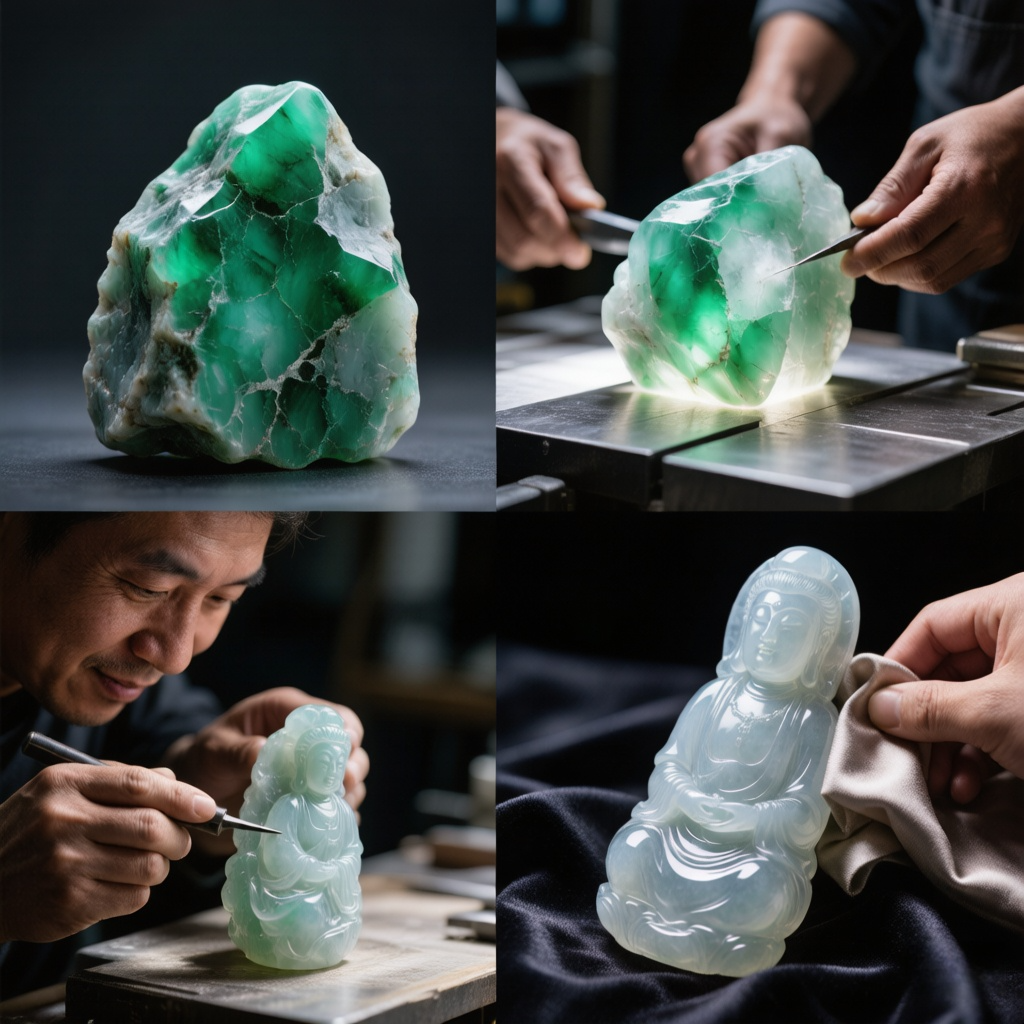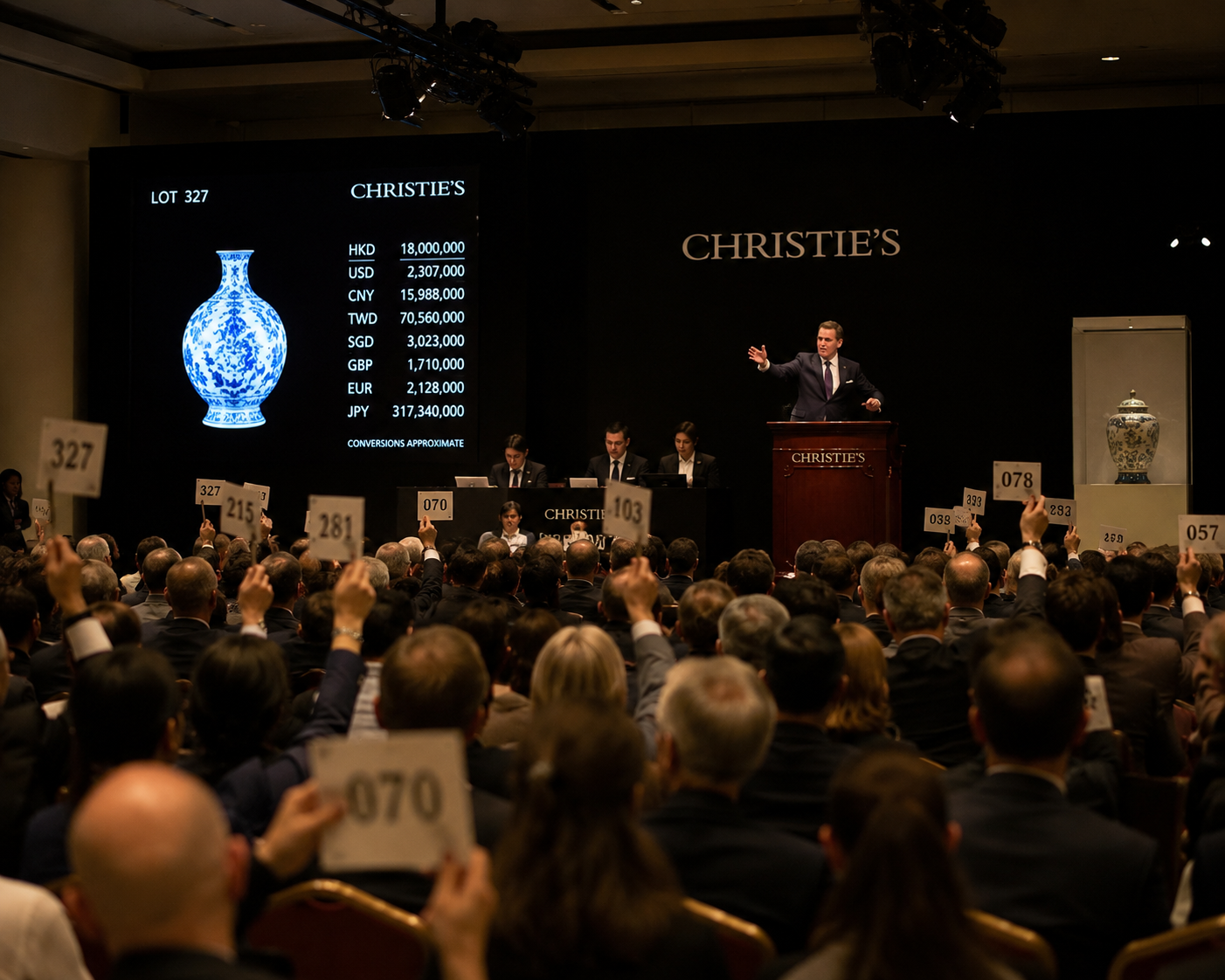
In recent years, as Chinese antique ceramics have continued to attract attention in the international…
Between Light and Shadow: The Uffizi Gallery and the Echo of the Renaissance Soul
Mornings in Florence always carry a certain sense of ceremony. The sunlight along the Arno River filters through the ancient bridges and falls upon a modest yet solemn building—the Uffizi Gallery (Galleria degli Uffizi). Its name, “Uffizi,” means “offices,” yet what is preserved here are not documents of bureaucracy, but the luminous soul of one of the most resplendent chapters in Western art.
I. From the Hall of Power to a Temple of Art
The Uffizi was born from power. In 1560, Cosimo I de’ Medici, ruler of Florence, commissioned architect Giorgio Vasari to design a new administrative complex to centralize the family’s political offices. No one could have foreseen that this “office building” would, centuries later, become one of the world’s most important art museums.
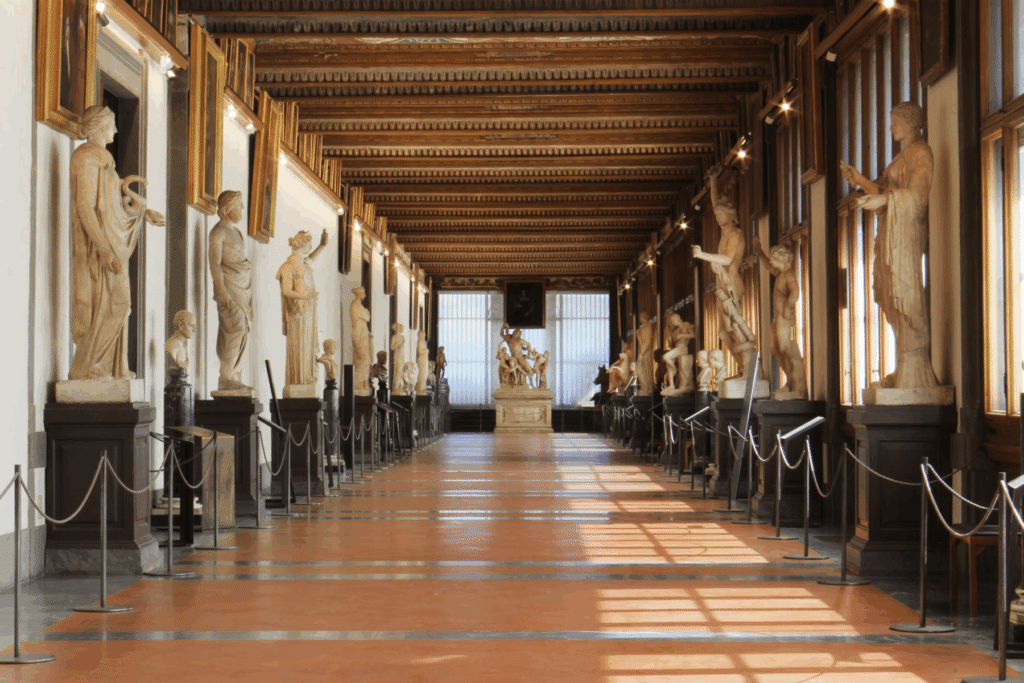
Vasari’s design embodies the Renaissance ideals of order and reason: symmetrical wings, stately columns, and a perspective that guides the eye toward the distant Arno River. This architectural sense of “perspective” was more than aesthetic—it symbolized the very essence of Renaissance thought: humanity beginning to view the world through the lens of reason.
As time passed, the Medici family’s art collection grew. They moved their vast treasures into the Uffizi, and from that moment on, art ceased to be merely an ornament of power—it became the living spirit of a city.
II. Walking Through the Corridor of Time
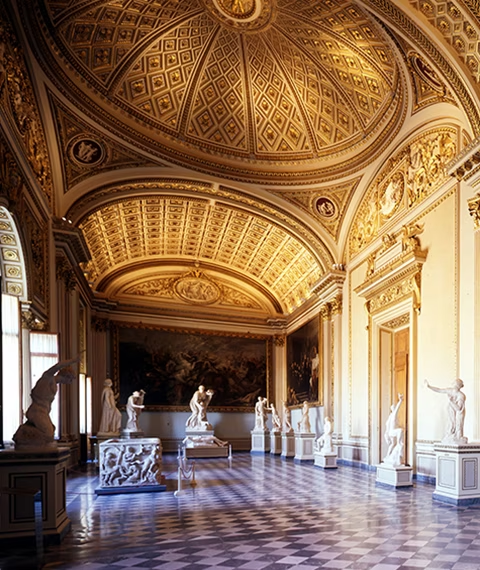
To step into the Uffizi is to travel through time. Each gallery feels like a chapter in the history of art, and every painting is a meditation on belief and thought.
The journey begins with Giotto and Cimabue’s Madonnas. These are echoes of the Middle Ages—religious solemnity still pervades the canvas, the figures silent, sacred, and distant. Yet as one moves through the rooms, the light itself seems to change: the figures grow warmer, the divine gives way to the human, and art descends gently from the heavens to earth.
Botticelli’s Poetic World: Primavera and The Birth of Venus
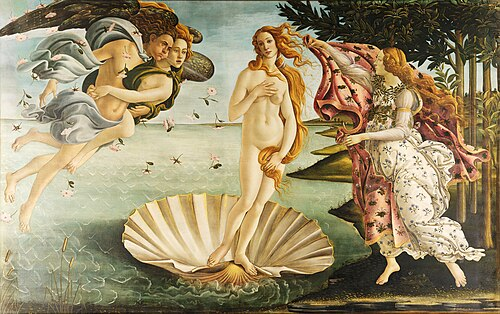
Sandro Botticelli is the soul of the Uffizi. Standing before The Birth of Venus, visitors instinctively hold their breath. The goddess emerging from the sea is graceful but unashamed, serene yet powerful. She is not a mere ideal of beauty, but the embodiment of ideal beauty itself—a visual metaphor for humanist illumination.
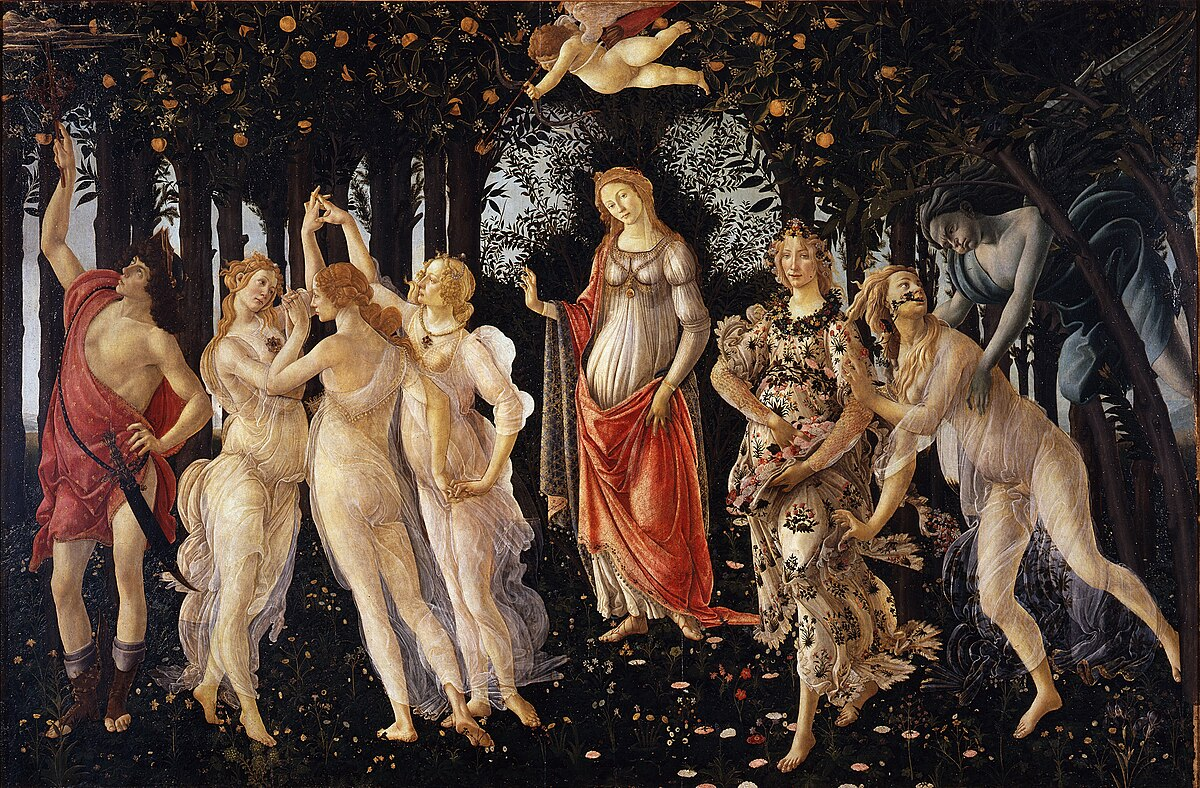
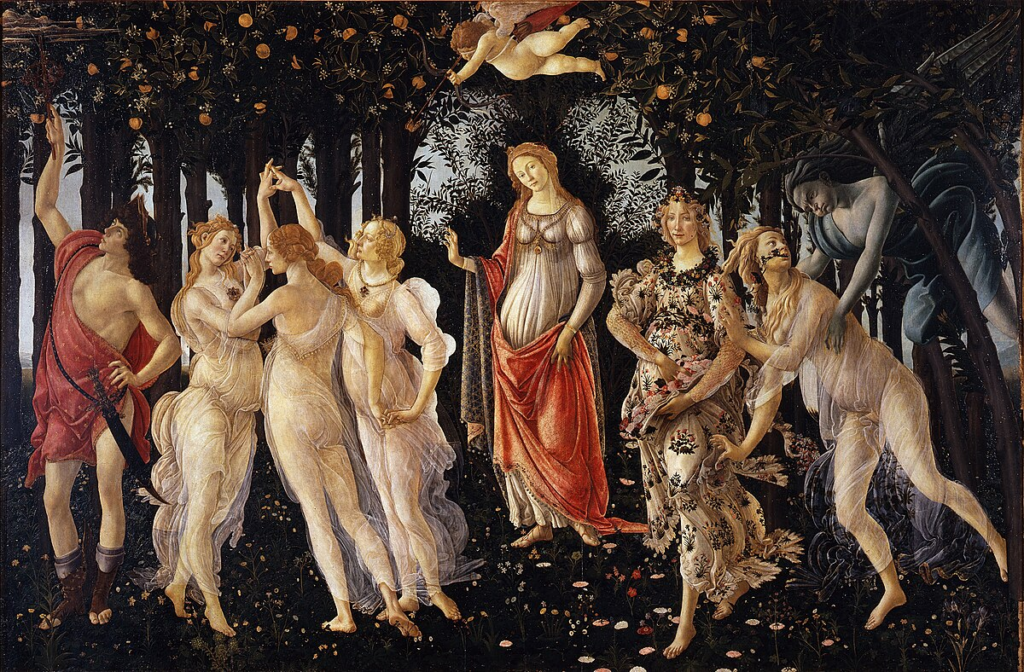
In Primavera, nine mythological figures dance among blooming trees, symbolizing reason, love, and the harmony of nature. Through his elegant lines and ethereal colors, Botticelli built a dream beyond reality—a declaration of the awakening of the human spirit.
Leonardo da Vinci and the Scientific Eye of the Renaissance
The Uffizi holds Leonardo’s early masterpiece, The Annunciation. Its refined use of light, perfect perspective, and subtle human expression reveal his meticulous observation of nature and rational inquiry. Leonardo’s art transcends beauty—it is an investigation into the very structure of the world. He painted as a philosopher, and thought as a scientist.
Michelangelo and Raphael: The Summit of Reason and Ideal
In Michelangelo’s Doni Tondo (The Holy Family), the strength of the human body nearly bursts from the canvas. Raphael’s Madonna of the Goldfinch, by contrast, radiates harmony and tenderness. Between them lies the Renaissance ideal—the balance of reason and emotion, intellect and grace.
III. The Medici Family: The Invisible Architects of Art
Without the Medici, Florence would not be what it is today. The family did not merely fund artists—they defined the meaning of cultural capital.
They financed Brunelleschi’s dome, shaping the skyline of faith; they supported Leonardo, Botticelli, and Michelangelo, allowing art to become a vessel for thought. The Uffizi itself stands as the crystallization of their legacy—a living palace of artistic memory.
In 1737, Anna Maria Luisa de’ Medici, the last heir of the family, donated all the Medici collections to the city of Florence, on one condition: they must never leave the city. This act preserved Florence’s artistic soul, ensuring that its light would never fade from the cobbled streets.
IV. Eternal Gazes in Light and Shadow
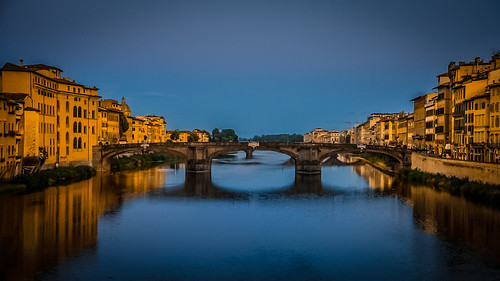
The beauty of the Uffizi lies not only in its masterpieces, but in how they are seen. Unlike the cool detachment of modern museums, this space still breathes. Through the old windows, one glimpses the shimmer of the Arno and the arches of the Ponte Vecchio. Inside, the light shifts with the hours, echoing the Renaissance journey itself—from reason to feeling, from divine order to human wonder.
Every visitor to the Uffizi is, in a sense, a pilgrim. Some are awed by Botticelli’s grace; others find truth in Caravaggio’s darkness. Yet all leave with the same revelation: that art is not decoration, but the evidence of the human spirit.
V. The Uffizi’s Contemporary Meaning
Today, the Uffizi is more than a museum—it is a guardian of cultural memory. It reminds us that beauty is never static, but a living current shaped by time and thought. The Renaissance taught that “man is the measure of all things”—a belief that feels newly vital in our age of technology and algorithms.
The Uffizi stands in quiet defiance, whispering that the worth of art is not in how much is collected, but in how deeply it makes us reconsider what it means to be human.
Epilogue: When Time Becomes Art
As you leave the Uffizi, you may glance back at the corridor glowing in the Florentine sun. Centuries ago, Medici officials once walked these same halls; now, travelers from every corner of the world do.
Here, time has not vanished—it has been tamed by art into eternity.
And like Botticelli’s Venus, still rising from the foam, her gaze remains tender yet steadfast. She is more than a symbol of classical beauty—she is the enduring gesture of the human soul reaching toward the light.
Related Posts