
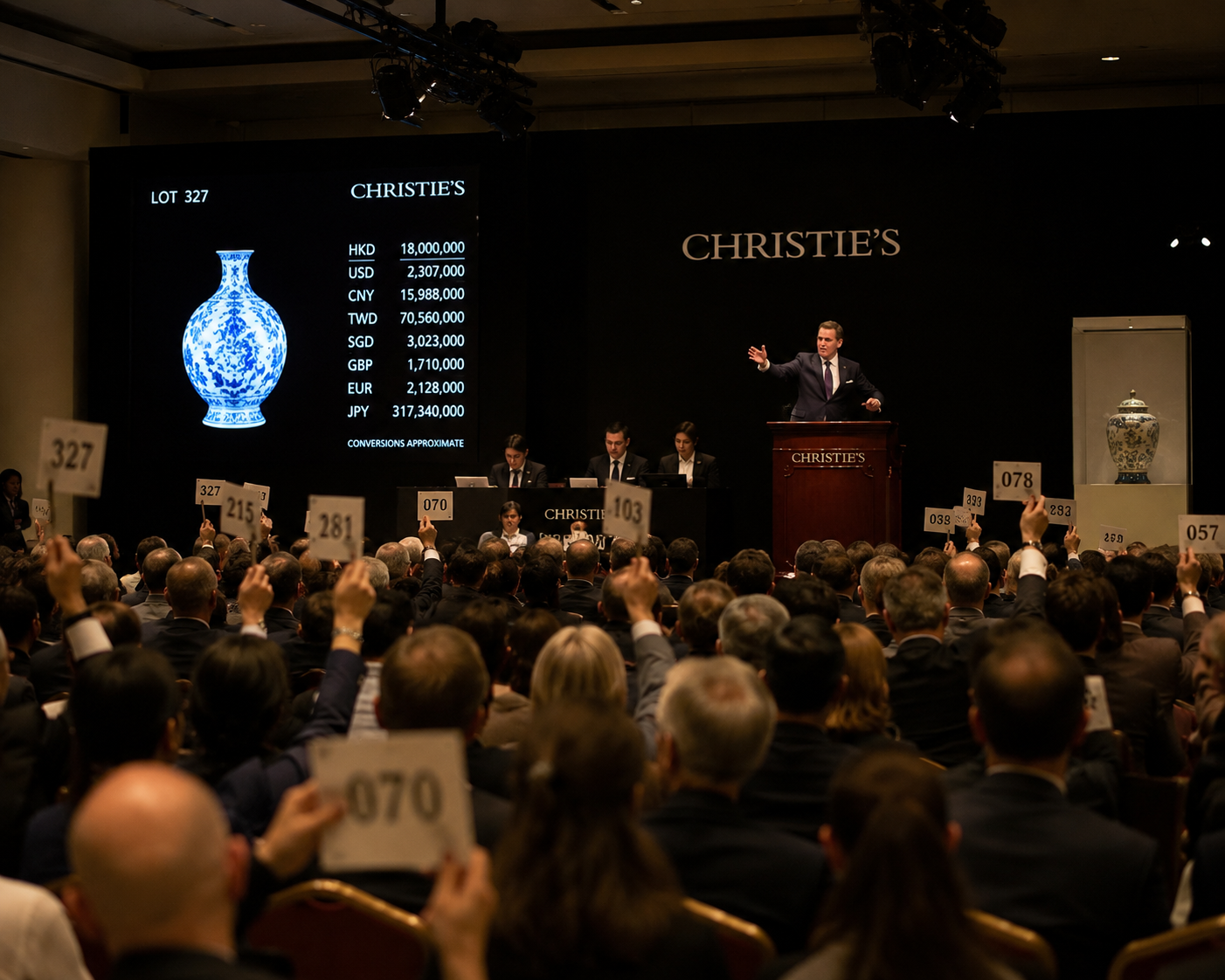
In recent years, as Chinese antique ceramics have continued to attract attention in the international…

From Pharaoh’s Workshop to the Palm of the Hand: A Timeless Narrative of Egyptian Collectibles
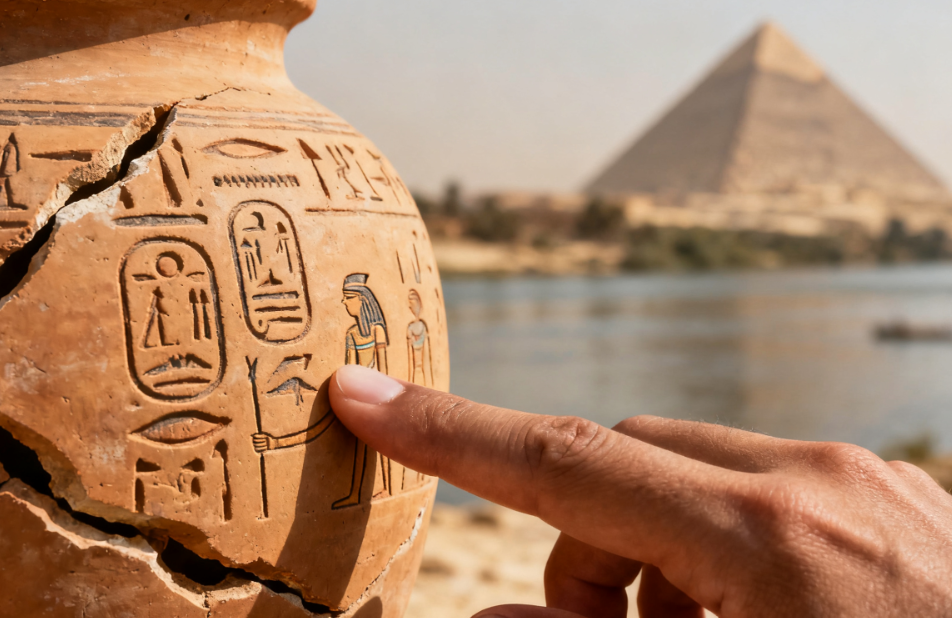
When your fingertips brush a pottery shard inscribed with hieroglyphs, or you gaze at the gold foil patterns on a replica pharaoh’s scepter, it feels as if we can transcend three thousand years of time and touch the warmth of that ancient civilization along the Nile. Egyptian collectibles are never just objects displayed in shop windows—they are masterpieces infused with the dedication of craftsmen in pharaohs’ workshops, and carriers of the ancient Egyptians’ beliefs in deities, life, and eternity. Today, these “timeless tokens” that have spanned millennia are entering collectors’ palms in unique ways, continuing the enduring narrative of Egyptian civilization.
I. Craftsmanship in the Pharaoh’s Workshop: The “Birth Code” of Egyptian Collectibles
In ancient Egypt, every artifact used for rituals, burials, or royal purposes was created in the rigorous and sophisticated workshops of pharaohs. The craftsmen in these workshops were the most skilled “recorders of civilization” of their time. They used Nile River clay as paper, gold, silver, and bronze as ink, and gemstones and glass as colors, integrating the ancient Egyptians’ religious beliefs and life wisdom into every piece.
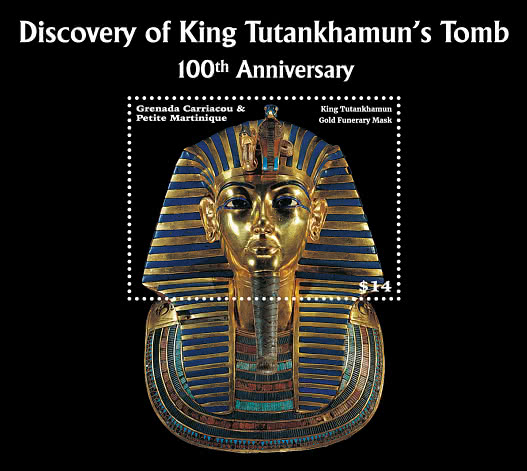
Take the funerary mask of Pharaoh Tutankhamun—this treasure, now revered as the “masterpiece” of Egyptian collectibles, whose production process epitomizes ancient Egyptian craftsmanship. Craftsmen first selected gold of extremely high purity, hammering it repeatedly until it was as thin as a cicada’s wing. They then inlaid colored glass and semi-precious stones (such as lapis lazuli and turquoise) one by one with gold threads as fine as hair. The pharaoh’s face on the mask was carved with vivid realism: quartz and obsidian were paired for the eye sockets, giving the gaze a deep and solemn look; the vulture and cobra totems on the forehead symbolized the pharaoh’s rule over Upper and Lower Egypt. Every pattern and the placement of every gemstone adhered to ancient Egyptian religious rituals and aesthetic standards, consuming the efforts of dozens of craftsmen for months.
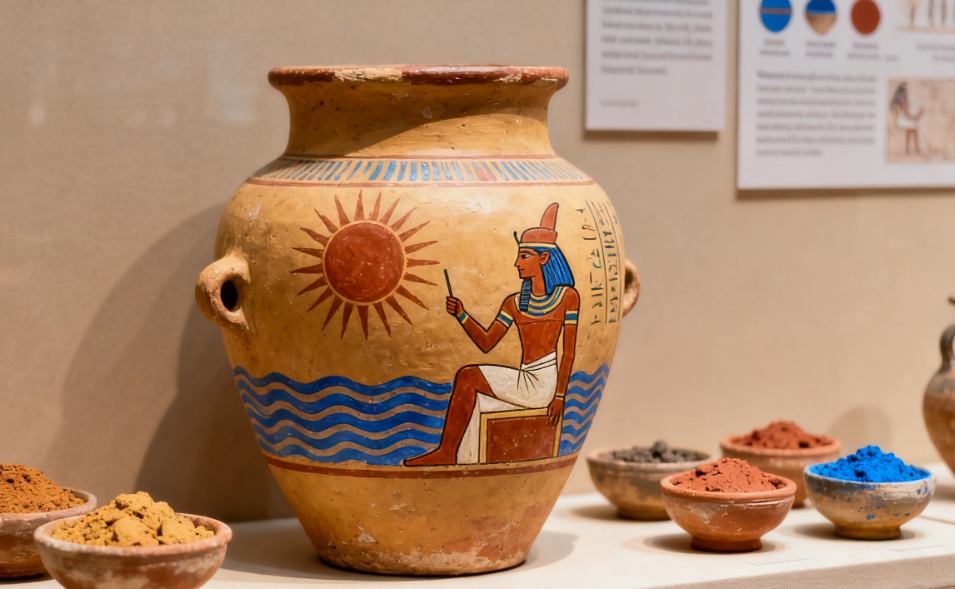
This craftsmanship was not limited to royal treasures. For painted pottery in the tombs of ordinary nobles, craftsmen used mineral pigments to depict scenes of the Nile’s flooding and agricultural work—simple lines yet full of vitality. Bronze vessels for storing spices were carved with patterns of lotus flowers and papyrus, symbols of “rebirth,” with every carving striving for symmetry and order. These artifacts from pharaohs’ workshops have long transcended their “practical” function and become the most vivid “timeless specimens” of ancient Egyptian civilization.
II. From Tombs to Palms: The “Circulation and Rebirth” of Egyptian Collectibles
Initially, most Egyptian collectibles were tied to the theme of “eternity”—pharaohs and nobles took precious artifacts into their tombs, hoping to retain these treasures and glory in the afterlife. It was not until 1922, when Tutankhamun’s tomb was discovered, that thousands of Egyptian artifacts saw the light of day again. This not only let the world truly appreciate the charm of Egyptian collectibles but also marked the start of their journey from “tomb treasures” to “palm-held collections.”
Today, the categories of Egyptian collectibles are no longer limited to original artifacts (which are legally protected, with most original artifacts housed in museums). Replica artifacts, ancient Egyptian-themed handicrafts, and even commemorative coins with Egyptian elements have all become sought-after items among collectors.
Take the replica “Eye of Horus” amulet, for example. Its original was an amulet the ancient Egyptians believed could ward off evil. Modern craftsmen use traditional goldworking techniques, inlaying lapis lazuli on a gold or silver base to recreate the amulet’s mysterious texture. Many collectors wear it not only for its unique aesthetic value but also because they are drawn to the cultural meaning of “protection” behind it.
There are also replicas of ancient Egyptian painted pottery, modeled after the painted pottery found in noble tombs of the time, preserving the colors of the original mineral pigments: on a yellowish-brown base, patterns of deities are painted in ochre, and Nile ripples are accented in sky blue. Though not original artifacts, these replicas accurately recreate the craftsmanship and style of ancient Egyptian painted pottery, allowing ordinary collectors to hold the “colors of the pharaohs’ era” in their palms.
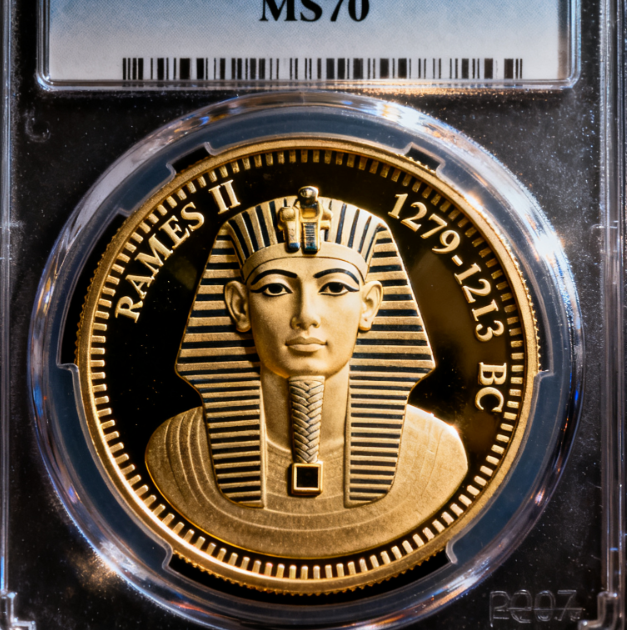
In addition, Egyptian-themed stamps and commemorative coins are highly collectible. The 1960 Egyptian commemorative stamp marking the 38th anniversary of the discovery of Tutankhamun’s tomb, which features the golden mask and the tomb’s entrance, has now become a popular item in stamp collecting circles. The 2007 “Ancient Egyptian Civilization” commemorative coin, with the portrait of Pharaoh Ramses II on the obverse and a relief of Abu Simbel Temple on the reverse, condenses the iconic elements of Egyptian civilization into a small coin, making it a top choice for many beginner collectors.
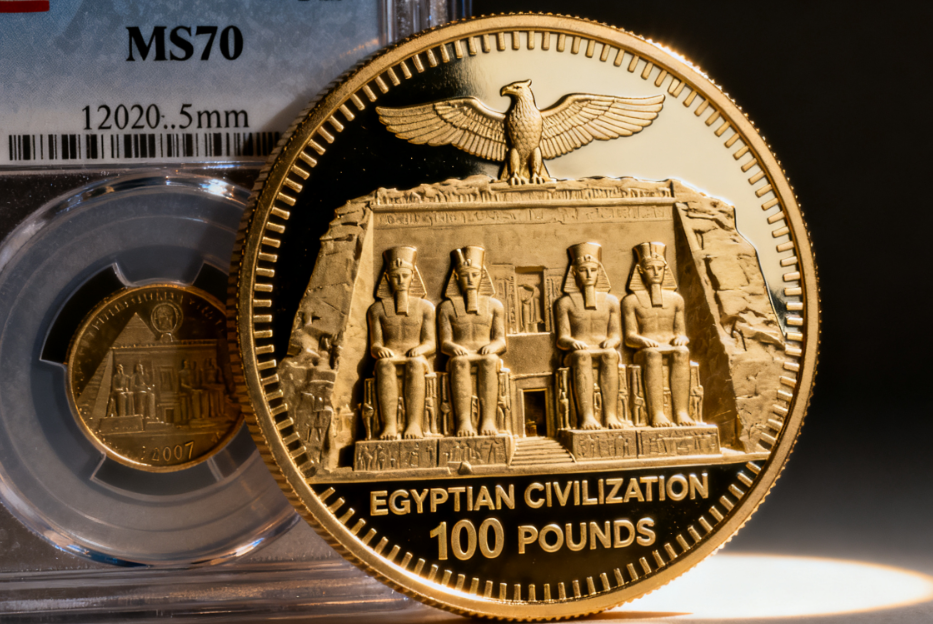
III. Collecting Egypt: More Than Ownership, a Dialogue with Civilization
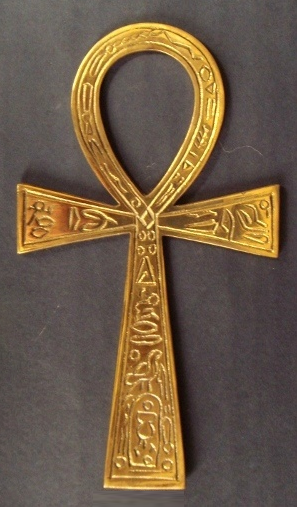
Collecting Egyptian artifacts is never just about “possession”—it is a profound dialogue with ancient Egyptian civilization. Behind every Egyptian collectible lies a story about beliefs, life, and history: when you gaze at a replica “Ankh” (the ancient Egyptian symbol of life) pendant, you are reminded of the ancient Egyptians’ pursuit of eternal life; when you hold a miniature pyramid model, you marvel at the ancient Egyptians’ precise mastery of mathematics and architecture; when you admire a replica of an ancient Egyptian mural, you understand the prosperity of the agricultural civilization along the Nile.
For collectors, Egyptian collectibles are more like a “key to time.” A seasoned Egyptian collection enthusiast once said, “Every time I organize my Egyptian collectibles, it feels like I’m talking to craftsmen from three thousand years ago—how they polished gold in the workshop, mixed pigments, and carved every symbol with devotion. These details seem to be passed on to me through the artifacts.” This cross-temporal resonance is the most unique charm of Egyptian collectibles. It allows us, in the fast-paced modern life, to pause, listen to the ancient narratives from the Nile, and feel that undimmed brilliance in the history of human civilization.
From the exquisite craftsmanship of artisans in pharaohs’ workshops to the gentle care in collectors’ palms today, Egyptian collectibles have traveled through three thousand years. They carry the cultural code of ancient Egypt and record humanity’s shared pursuit of beauty and eternity. Perhaps this is the meaning of collection: to bring those sleeping years back to life in the palm of the hand, and to let those distant civilizations embrace us warmly through each artifact.
Related Posts
In the world of Eastern jewelry, jadeite is more than just a beautiful stone; it's…
In the world of antiques, many collectors eventually face the same question: Should a piece…