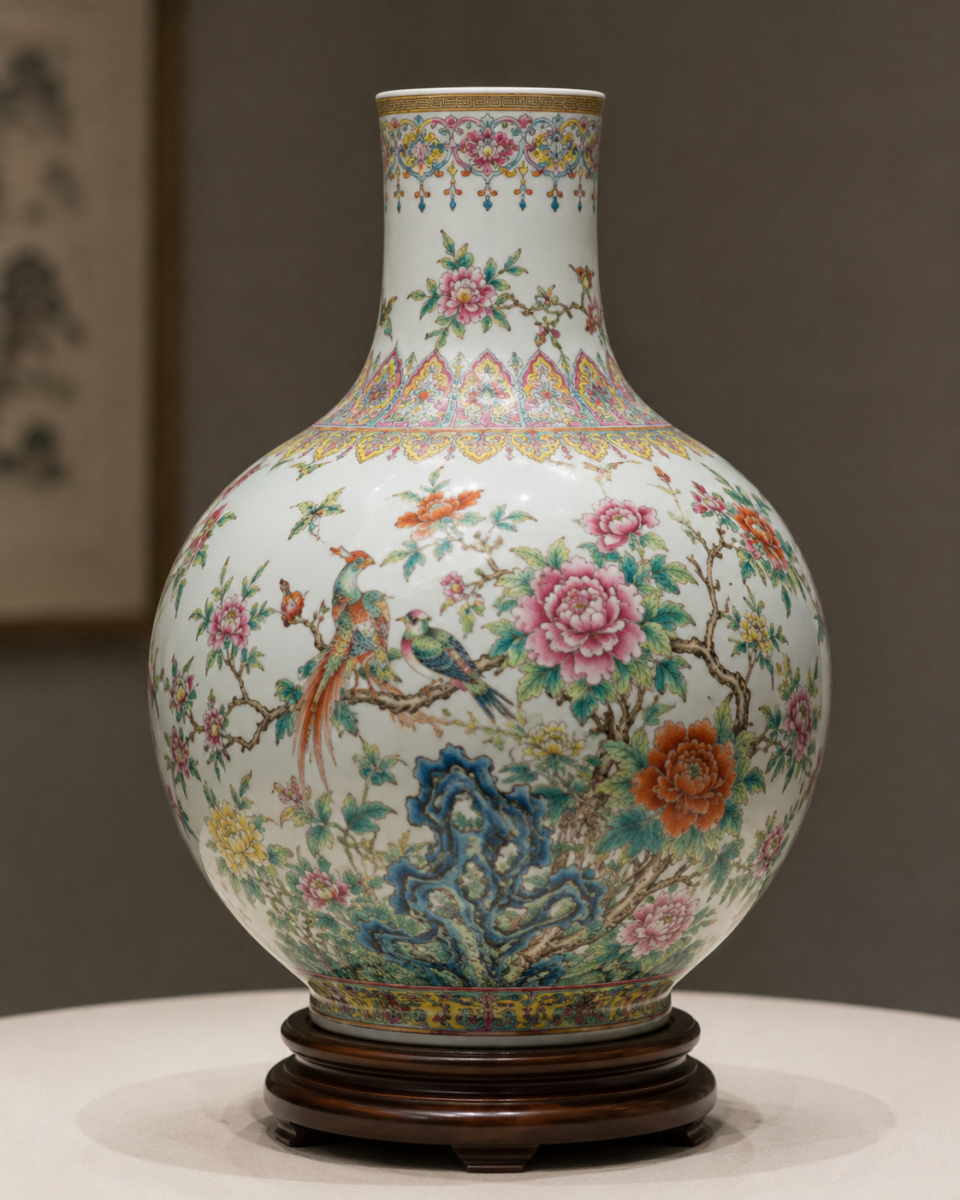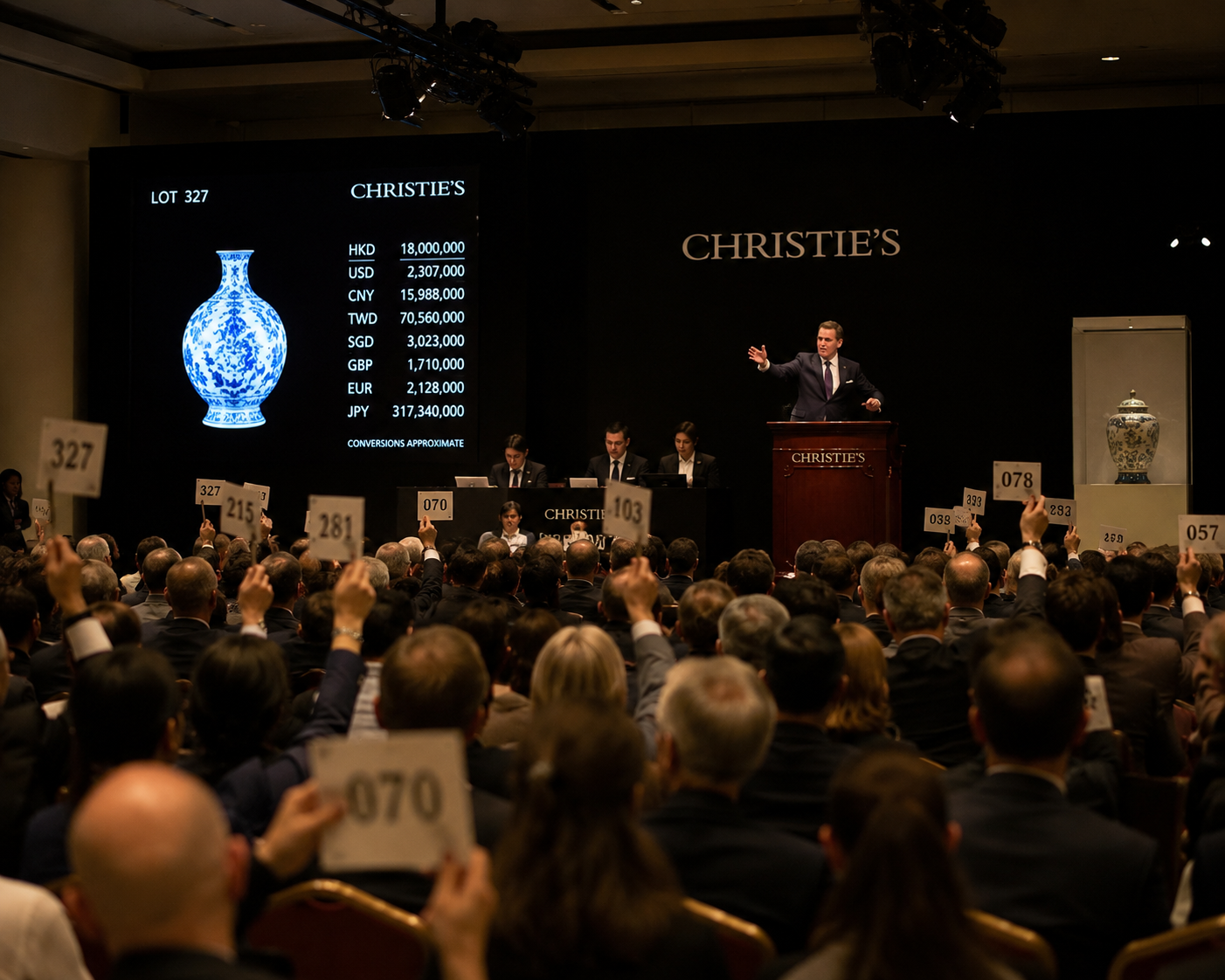
In recent years, as Chinese antique ceramics have continued to attract attention in the international…
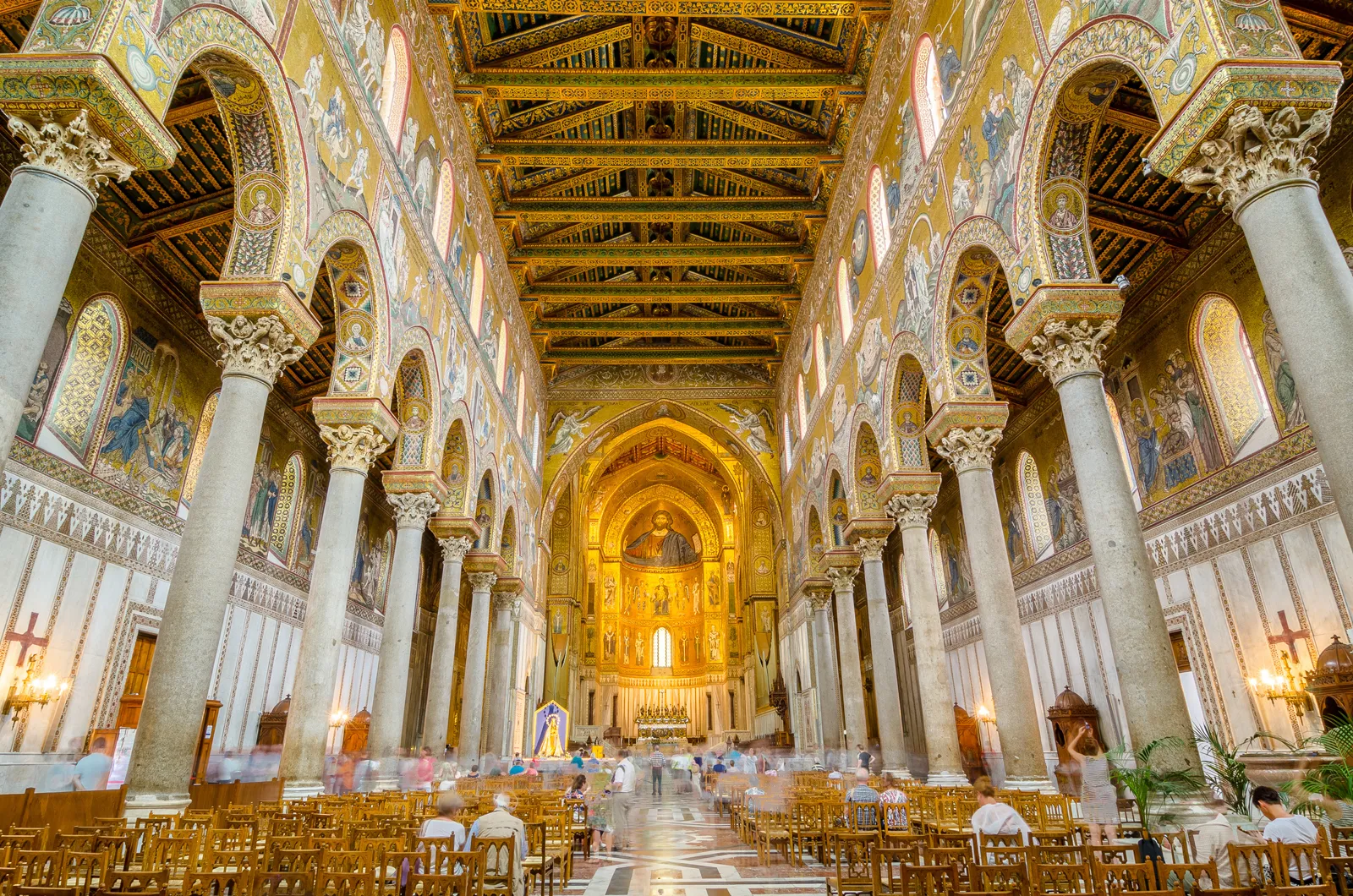
The City of Faith: The Splendor and Legacy of Italy’s Religious Culture
Among the many countries of Europe, Italy is often hailed as the “City of Faith” due to its long and rich history, remarkable artistic achievements, and profound religious culture. In Italy, religion is not merely a source of spiritual solace—it is deeply embedded in the land’s architecture, art, social institutions, and daily life. Whether it’s the majestic St. Peter’s Basilica or a humble stone chapel in the countryside, the religious spirit of Italy flows like the ancient Roman roads, traversing time and continuing to echo in the hearts of people today.
I. Vatican City: The Heart of the Catholic World
Although Vatican City is an independent nation, it is entirely surrounded by Italy’s capital, Rome, and maintains inseparable religious ties with Italy. As the center of the global Catholic Church, the Vatican is not only the residence of the Pope but also a symbol of Catholic authority and spiritual power.
St. Peter’s Basilica and the Sistine Chapel
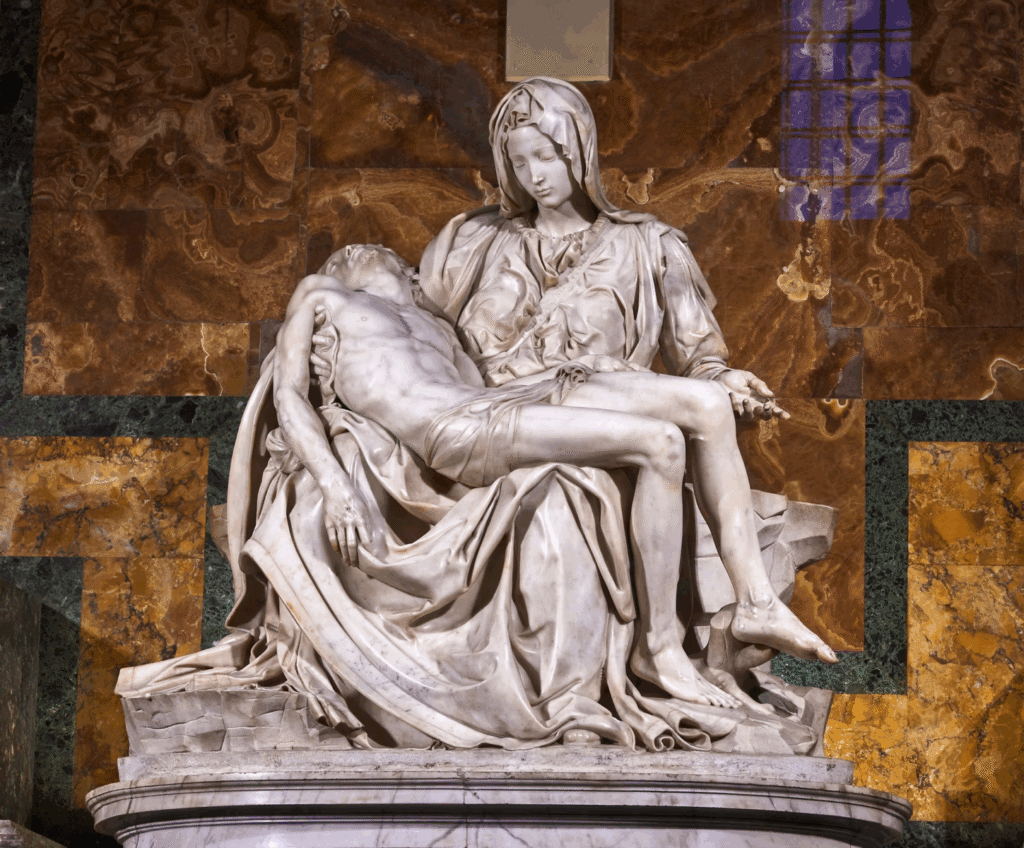
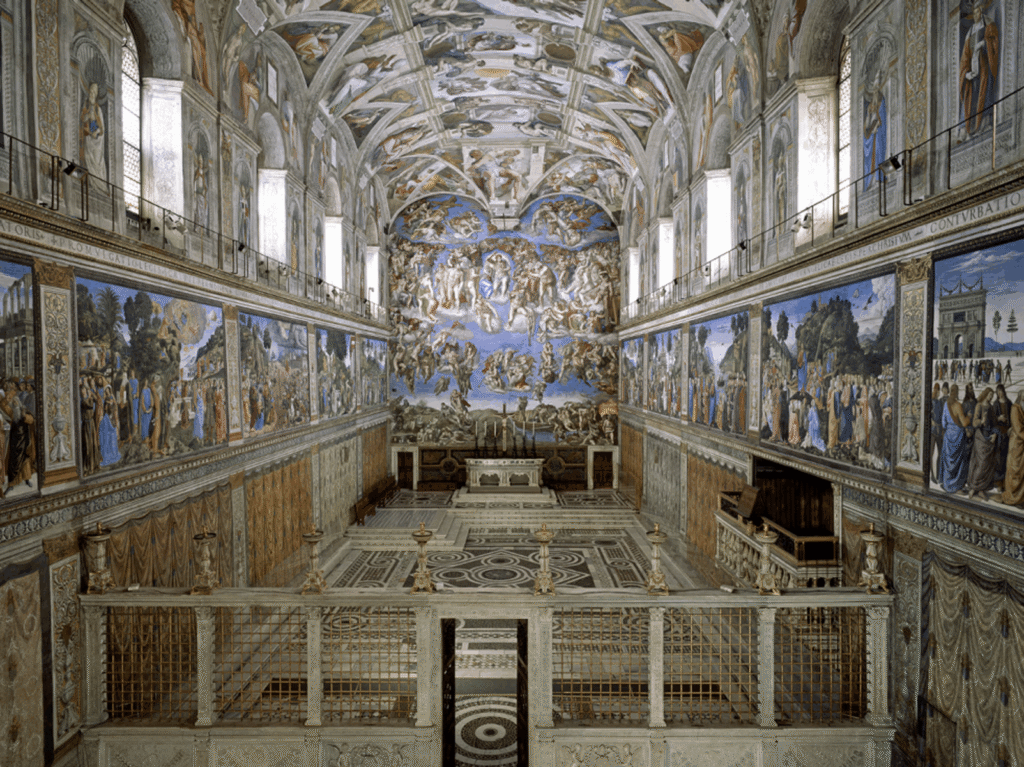
St. Peter’s Basilica is one of the largest churches in the world. Its construction took over 120 years, involving Renaissance masters such as Michelangelo, Raphael, and Bramante. The interior is richly decorated, the dome awe-inspiring, and the crypt houses the tombs of many Popes.
Meanwhile, the Sistine Chapel’s frescoes—The Creation of Adam and The Last Judgment—represent the pinnacle of religious and artistic harmony.
The Pope and Religious Festivals
Each year during Easter and Christmas, pilgrims from around the globe gather in St. Peter’s Square to witness the Pope’s public sermons and blessing ceremonies. This is not just an act of pilgrimage but a spiritual communion that transcends national, linguistic, and cultural boundaries.
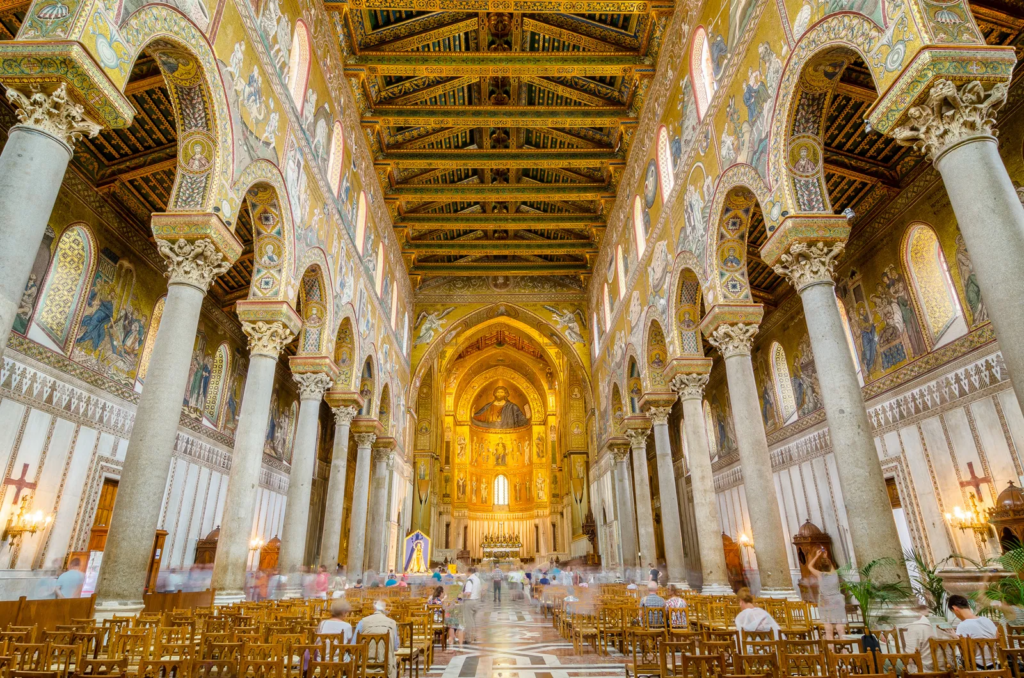
II. The Deep Integration of Religion and Italian Art
During the Renaissance, religion was the primary source of inspiration for virtually all artistic creation. Many iconic works of painting, sculpture, and architecture were based on biblical stories and religious figures.
Leonardo, Raphael, and Michelangelo
Leonardo da Vinci’s The Last Supper is not only a masterpiece of art history but also a painting filled with religious symbolism, capturing the emotional dynamics between Jesus and his disciples.
Raphael’s Sistine Madonna, Michelangelo’s David, and the ceiling frescoes of churches demonstrate how religious faith and humanist ideals were perfectly fused in art.
The Architecture of Churches
Cities like Florence, Venice, and Siena are renowned for their breathtaking churches. These structures are not only centers of religious activity but also embodiments of art, architecture, and history. For example, the Florence Cathedral (Duomo di Firenze) and its dome design are considered architectural miracles.
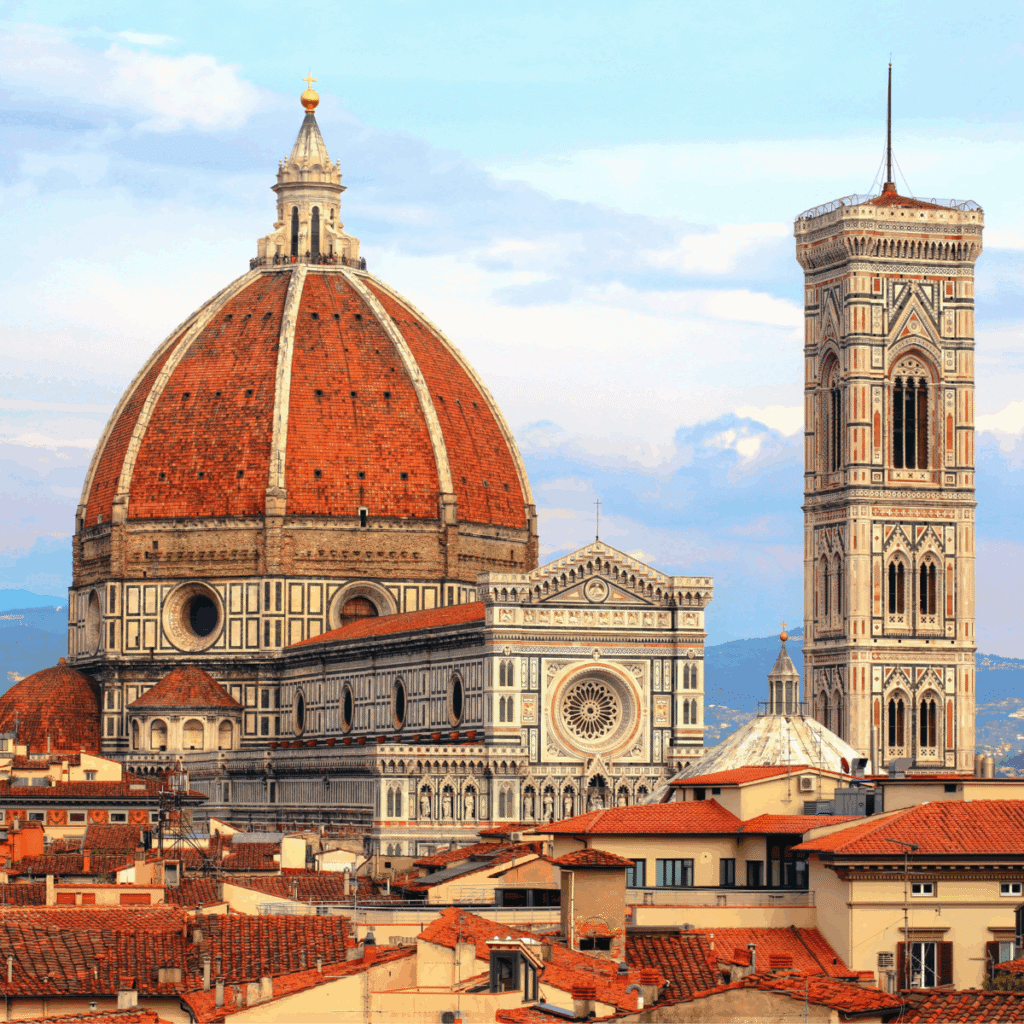
III. Religion in the Daily Lives of Italians
Despite the increasing secularization of modern society, religious traditions and rituals still play a significant role in the lives of many Italians.
Name Days and Baptisms
In Italy, in addition to birthdays, people also celebrate Name Days (Onomastico)—commemorating the feast day of the saint after whom they are named, according to the Catholic calendar. Baptism (battesimo), First Communion (comunione), and Confirmation (cresima) are vital rites of passage for every Catholic, typically celebrated with family gatherings and traditional festivities.
Religious Holidays and Folk Festivals
Nearly every Italian town and village honors its own patron saint (patrono) with grand religious processions and festivals. Events like Venice’s Feast of the Redeemer (Festa del Redentore) and Sicily’s Feast of Saint Agatha (Festa di Sant’Agata) blend sacred rites with local cultural flavor, drawing large numbers of visitors.
IV. The Protection and Preservation of Religious Heritage
Italy is home to one of the richest collections of religious heritage in the world. A significant number of churches, monasteries, and religious frescoes are listed as UNESCO World Heritage Sites.
Monasteries and Pilgrimage Routes
Monasteries such as Sant’Antimo Abbey in Tuscany and the Basilica of Saint Francis of Assisi in Umbria serve as spiritual sanctuaries blending religion and nature. Pilgrimage routes like the Way of St. Francis (Via di Francesco) have become increasingly popular with modern travelers seeking spiritual reflection and cultural immersion.
The Fusion of Religion and Tourism
With the rise of religious tourism, more churches and monasteries have opened exhibitions and museums, which not only help preserve religious culture but also boost the local economy. For instance, Milan Cathedral now offers rooftop access, combining a religious experience with panoramic views of the city.

V. The Diverse Development of Religion in Modern Italy
Although Catholicism remains the dominant religion in Italy, immigration has led to a growing presence of Islam, Eastern Orthodoxy, Protestantism, and other faiths.
At the same time, contemporary Italian society increasingly engages in debates over the relationship between religion, ethics, and politics. Issues such as abortion, same-sex marriage, and euthanasia reflect the ongoing influence of religion in public life.
Conclusion: A Modern Echo of Tradition and Faith
In Italy, religion is not merely a relic of the past—it is a living cultural force. It manifests not only in the shifting light beneath cathedral domes but also in the simple prayer before a family meal.
On this land, religion is not a distant myth but a deeply rooted belief and way of life.
If art has given religion its form, then the Italian people have given it its soul. Italy, the City of Faith, continues to shine with its timeless spiritual light, illuminating the sky of global religious culture.
Related Posts