In recent years, as Chinese antique ceramics have continued to attract attention in the international…
The Light of the Blue Gem: The Brilliant Moment of Sotheby’s Paris Jewelry Auction
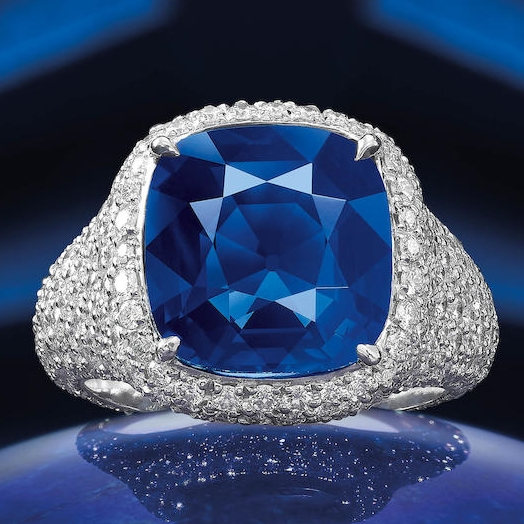
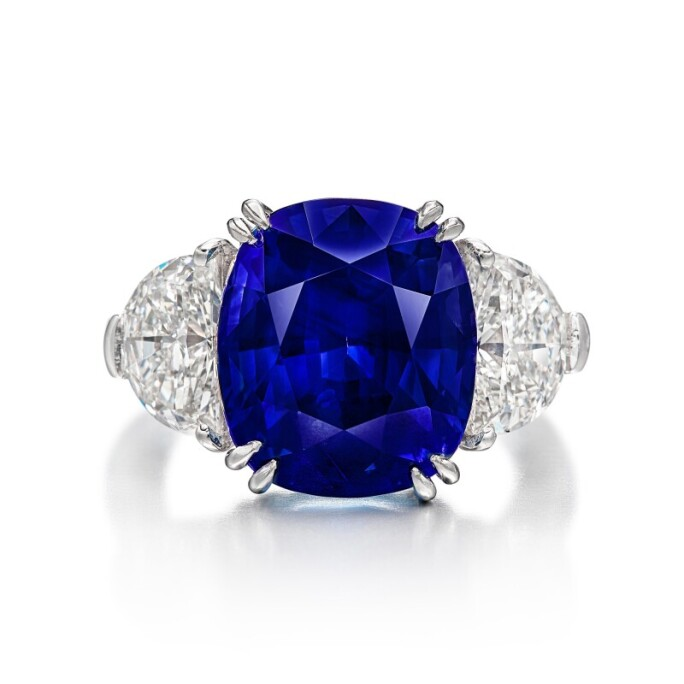
At the recently concluded Sotheby’s Paris Fine Jewelry Auction, a 10.68-carat Kashmir sapphire and diamond ring fetched an astonishing €698,500 (approximately USD 819,000) — nearly three times its high estimate, becoming the highlight of the sale. This result not only reaffirms the strong position of top-tier colored gemstones in today’s market but also reveals that the high-end jewelry sector is undergoing a new phase of value reappraisal.
1. The Legend of the Sapphire: Rare Origins and Timeless Allure
The Kashmir sapphire has long been hailed as the “King of Blues.” Its origin lies in the remote mountainous regions of the Indian subcontinent, where the mines were nearly depleted by the late 19th century, leaving today’s production almost nonexistent. Owing to its distinctive “velvety blue” hue and exceptional clarity, this gemstone is regarded as a true rarity in the high-end jewelry market.
The star of this auction—a 10.68-carat Kashmir sapphire ring—boasts rich color saturation and remarkable transparency. Surrounded by two layers of diamonds, it exudes a sense of classical elegance and regal refinement. As a Sotheby’s jewelry expert noted, “Kashmir sapphires of such purity and untreated quality have become exceedingly rare in the market today.”
2. Auction Highlights and Performance
According to Rapaport, the Sotheby’s Paris Jewelry Sale presented over a hundred exquisite pieces, achieving a total of approximately USD 8.7 million with an impressive 92% sell-through rate, underscoring the market’s continued strong appetite for rare and exceptional jewelry.
In addition to the Kashmir sapphire ring, several Art Deco-style diamond brooches and antique ruby necklaces attracted enthusiastic bidding, with final prices exceeding their pre-sale estimates. Many of the top lots were acquired by private collectors from Switzerland, Hong Kong, and the Middle East, reflecting the increasingly international nature of the buyer base.
As Brides magazine reported, “The Sotheby’s Paris auction once again demonstrates that high jewelry remains an asset class combining both investment value and aesthetic refinement—particularly when it comes to natural gemstones with clear provenance and certification.”
3. Market Trends: Rational Growth and Structural Optimization
Between 2024 and 2025, the global jewelry auction market has shifted from a period of feverish acceleration to one of measured rationality. The post-pandemic investment frenzy has gradually subsided, yet truly rare and well-preserved natural gemstones continue to command substantial premiums.
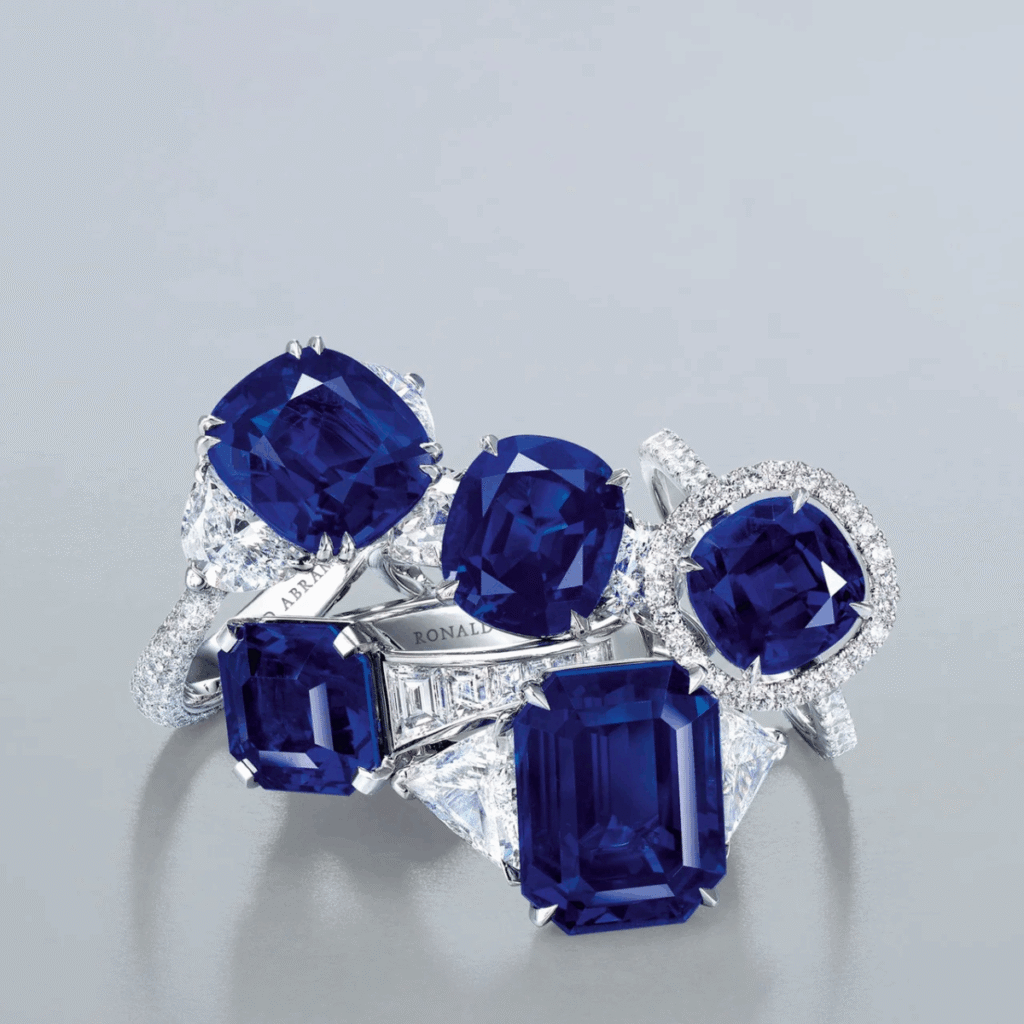
Rarity remains the core driver: Kashmir sapphires, Burmese rubies, and Colombian emeralds—the “big three” of colored gemstones—remain dominant forces in high-value transactions.
Provenance and certification define value: Features such as untreated stones, origin from renowned mining regions, and certification from institutions like Gübelin or SSEF have become essential “passports” for achieving top auction prices.
Rise of female and young collectors: A new generation of collectors places greater emphasis on artistic design and personal expression in jewelry, rather than viewing it solely as an investment vehicle.
Experts note that the strong results in the Paris sale signal a “return of European collectors.” Influenced by currency and economic factors, many buyers are once again turning to high-end jewelry as a stable asset class, in contrast to the often volatile contemporary art market.
4. From Collection to Legacy: The Cultural Resonance of Jewelry
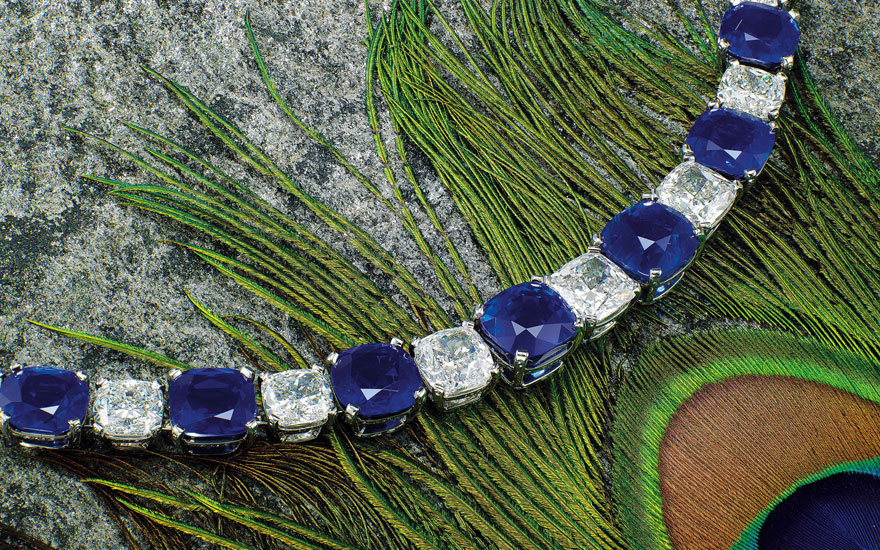
The meaning of jewelry has long transcended mere decoration—it serves as a symbol of emotion and identity that bridges generations. From 19th-century aristocratic weddings to today’s art investment landscape, rare gemstones have always carried the weight of cultural memory.
The Kashmir sapphire ring featured in this auction is a continuation of that tradition. According to the catalog, the piece once belonged to a private French collection and has been exceptionally well preserved over the years. Its design reflects the grace and refinement of the Belle Époque period, while also embodying a modern homage to classical elegance and craftsmanship.
5. Conclusion: Reflecting on the Future Amid the Brilliance
The success of the Sotheby’s Paris Jewelry Auction represents more than a single record-breaking sale—it signals a renewed confidence in the high-end jewelry market.
Looking ahead, future jewelry auctions will increasingly emphasize a balance of traceability, artistry, and timelessness—the harmony between a piece’s story, its design value, and the natural rarity of its materials.
For collectors, this moment marks the ideal time for strategic and rational investment. In a fluctuating art market, truly rare gemstones may well be the most stable and enduring source of brilliance.
Related Posts