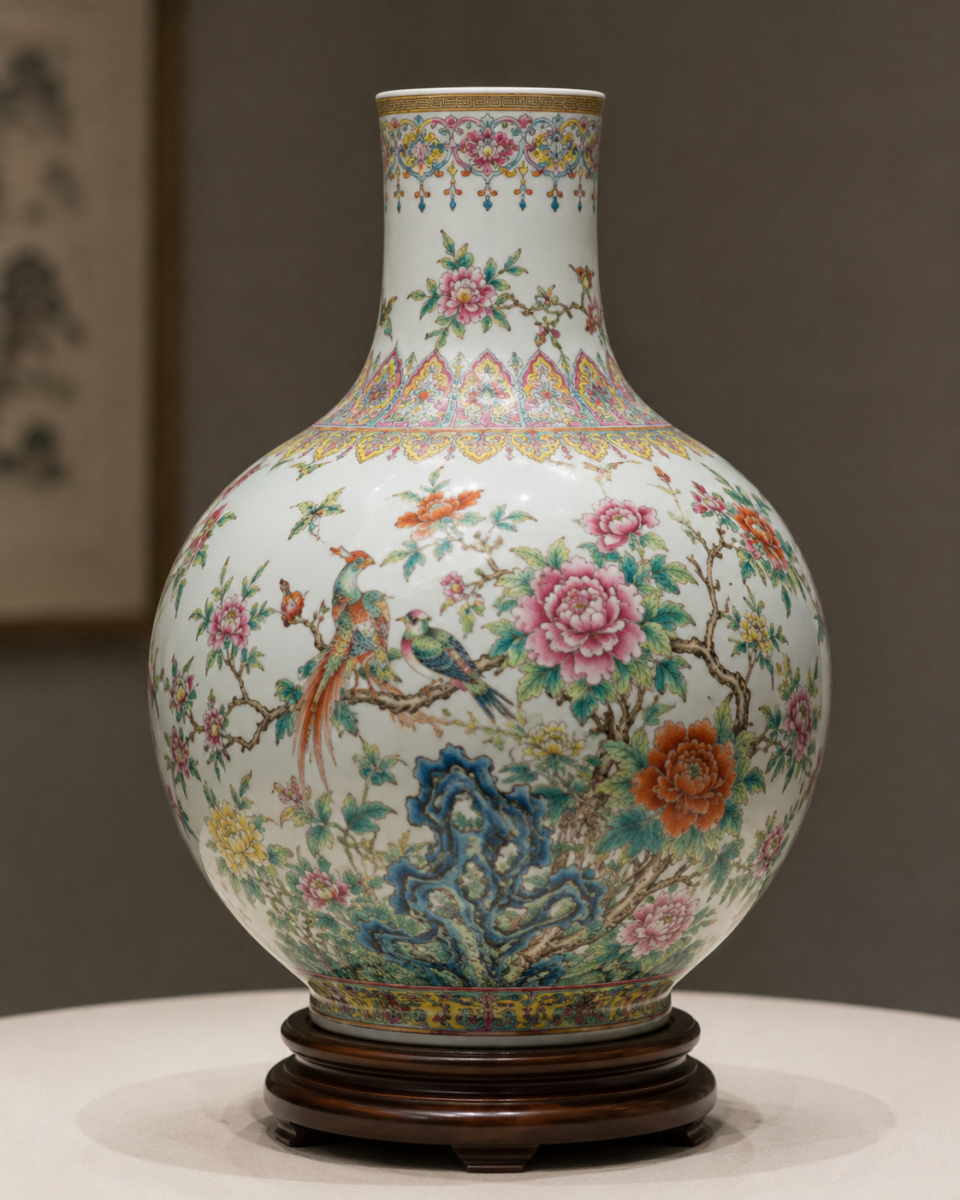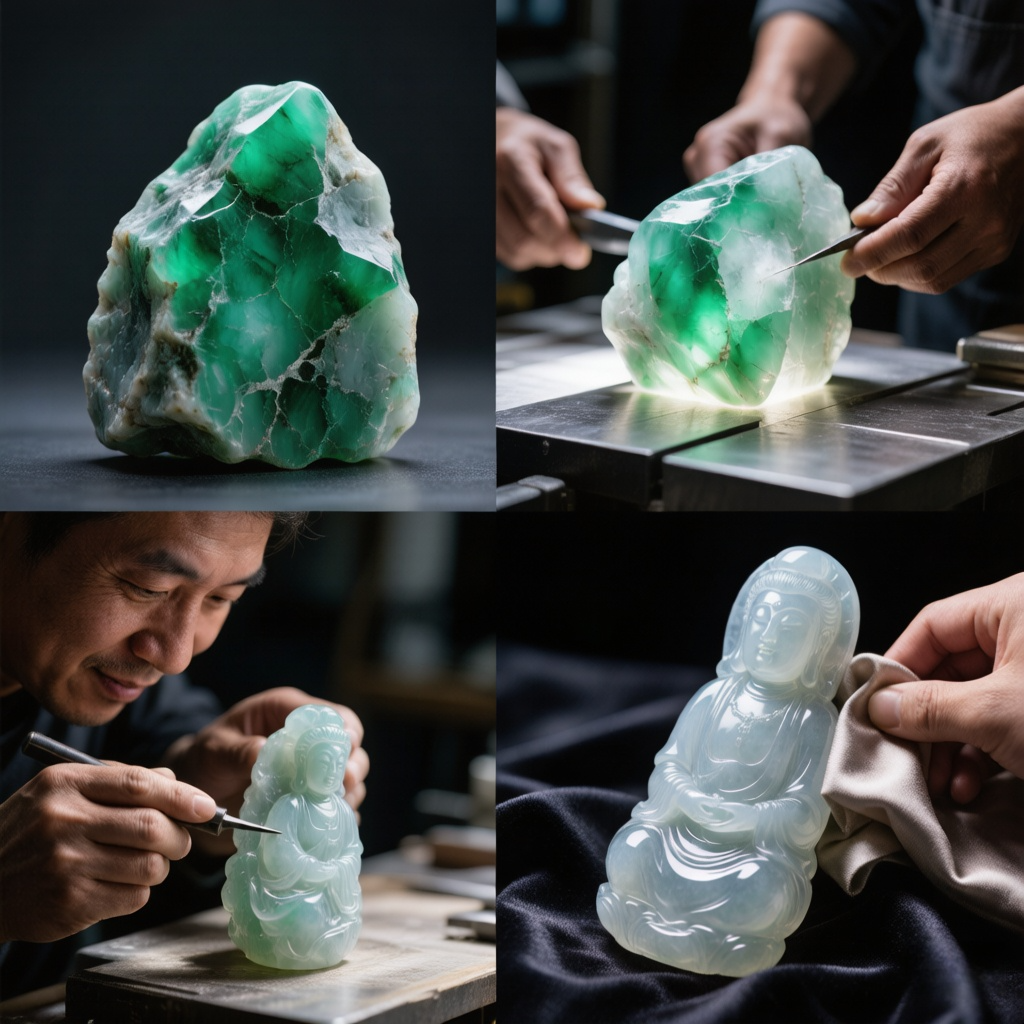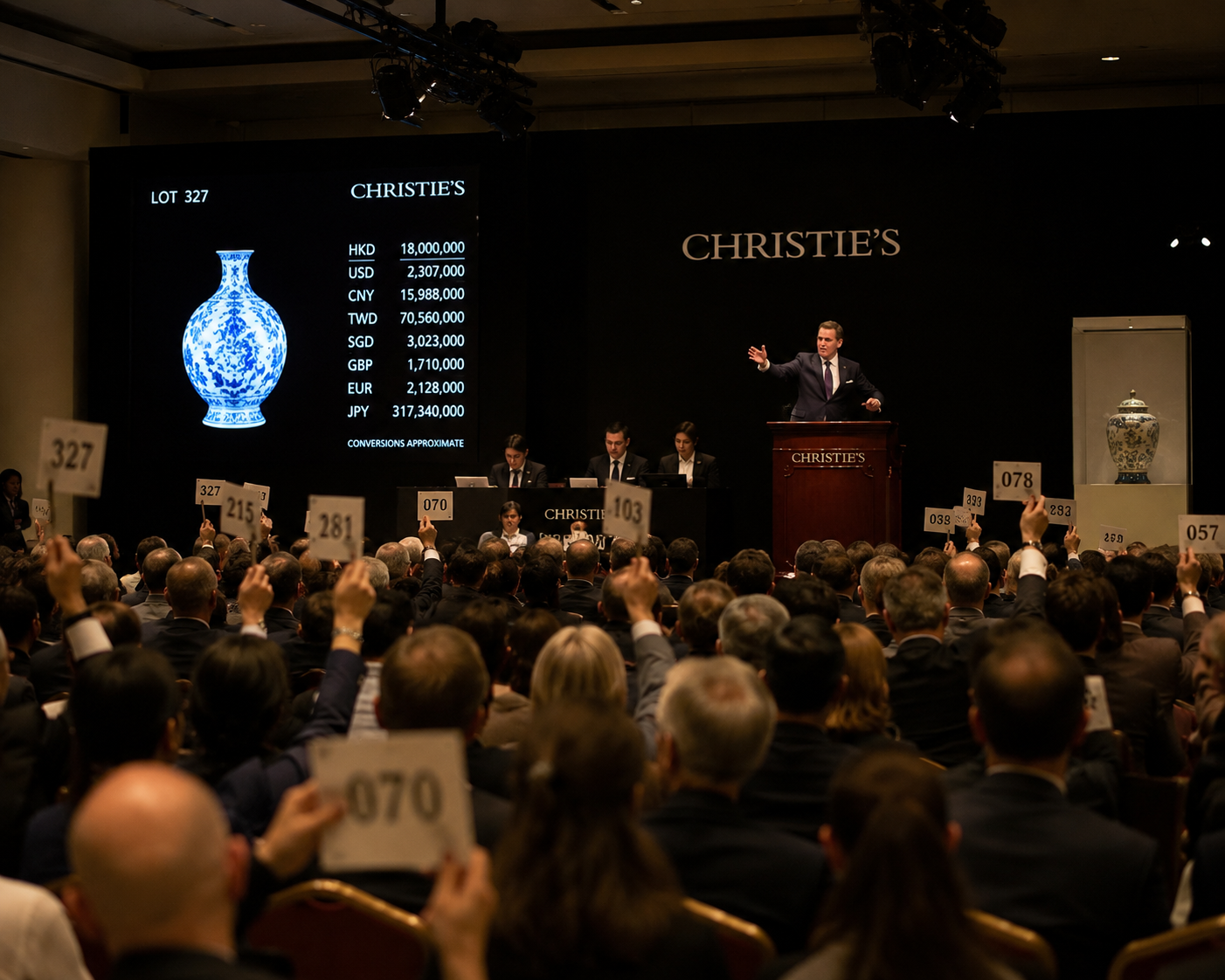
In recent years, as Chinese antique ceramics have continued to attract attention in the international…
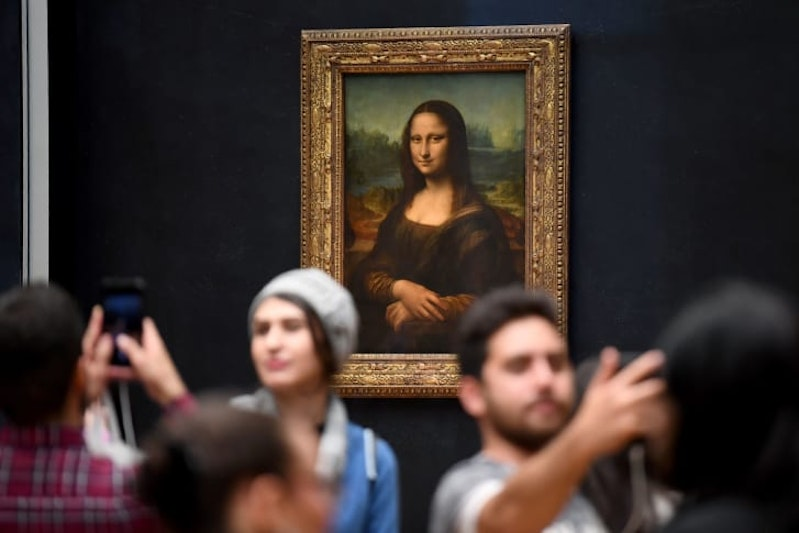
Oil Painting: The Artistic Language That Transcends Time
Between color and brushstroke, oil painting, as an ancient and enduring art form, has traversed centuries, narrating the emotions and thoughts of human civilization. From the philosophy of light and shadow during the Renaissance to the symphony of light and color in Impressionism, and onward to the bold experiments of contemporary art, oil painting is not only a feast for the eyes but also a resonance deep within the soul.
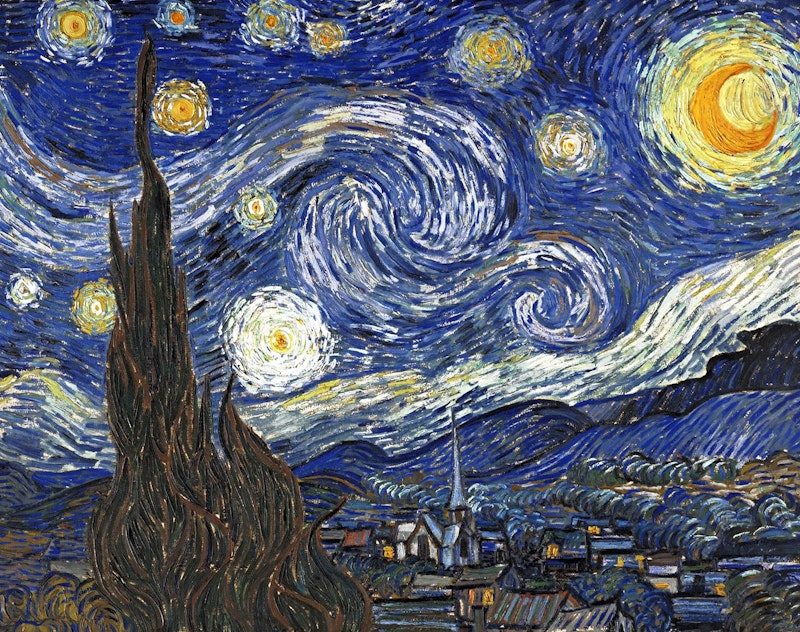
Author: Vincent van Gogh
Year: 1889
Collection: The Museum of Modern Art (MoMA), New York
The charm of oil painting lies in its profound and heavy texture. The layers of pigment, stacked upon one another like the traces of time’s sediment, leave marks of time on the canvas. Compared to the lightness of watercolor and the expressive brushwork of traditional Chinese painting, oil painting is more like a contemplative philosopher, exploring the meaning of life with every stroke and constructing dimensions of the world with every patch of color.

Author: Leonardo da Vinci
Date of Creation: 1495–1498
Collection: Santa Maria delle Grazie, Milan, Italy
The Historical Trajectory of Oil Painting: An Artistic Journey Through Time
Oil painting originated in late medieval Europe and gradually matured during the Renaissance. Leonardo da Vinci, Michelangelo, and Raphael, with their realistic techniques and rational beauty, laid the foundation for oil painting’s central role in Western art. In the 17th century, during the Dutch Golden Age, Rembrandt and Vermeer elevated the depiction of light and shadow to perfection, turning oil painting into a mirror of the soul and a reflection of human nature.
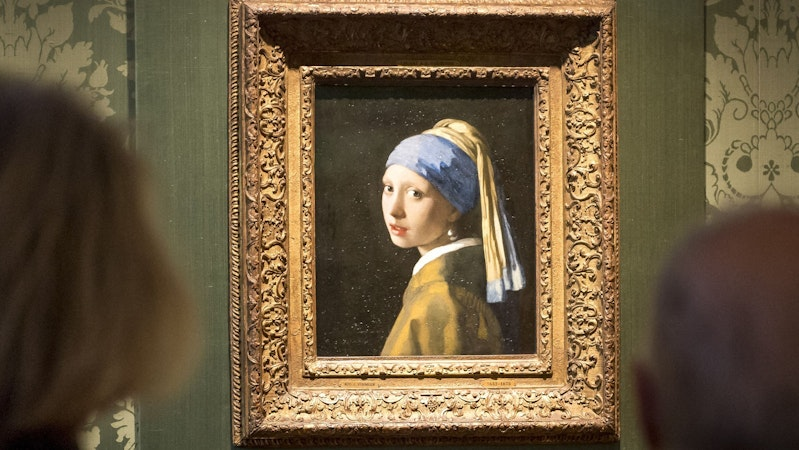
Author: Johannes Vermeer
Year Created: 1665
Collection: Mauritshuis Royal Picture Gallery, The Hague, Netherlands
In the 19th century, the Impressionists broke free from the constraints of traditional form, bringing oil painting outdoors to embrace nature. Artists like Monet, Renoir, and Van Gogh no longer pursued absolute realism but instead captured fleeting light and emotional fluctuations. This shift made oil painting more personal and capable of expressing the inner world of humanity.
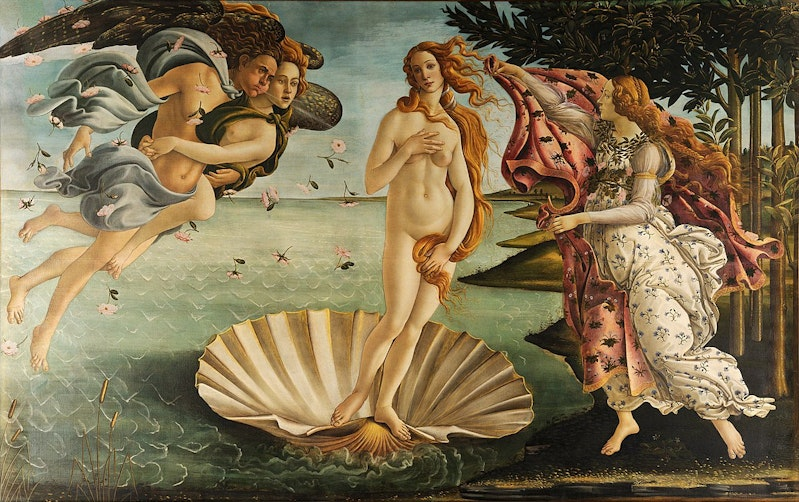
Author: Sandro Botticelli
Date: 1485
Collection: Uffizi Gallery, Florence, Italy
Entering the 20th and 21st centuries, oil painting moved toward diversity and fusion. From Cubism to Surrealism, from Abstract Expressionism to Minimalism, every stylistic breakthrough marked an evolution of the oil painting language in the context of its time. Today, it is no longer just a tool for reproducing reality but a medium for exploration, experimentation, and expressing infinite possibilities.
Author: Leonardo da Vinci
Date of Creation: 1503–1519
Collection: The Louvre Museum, Paris
The Spiritual Value of Oil Painting: Beyond Technique, Emotion is the Soul
Oil painting endures not only because of its artistic techniques but because it conveys emotions, ideas, and beliefs. Every oil painting is a medium for dialogue between the creator and the world.
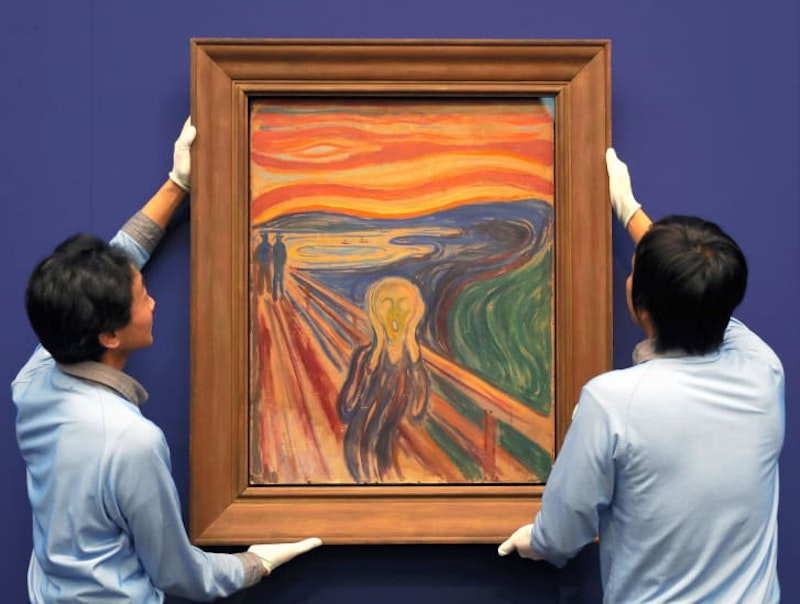
Author: Edvard Munch
Year Created: 1893
Collection: National Gallery, Oslo, Norway
Within each stroke, the artist pours out their feelings, their perception of nature, and their insights into life. Even across the distances of time and space, viewers can still feel the warmth and power behind the image. Like Van Gogh’s Starry Night, where frantic brushstrokes reveal his struggle with loneliness and faith; or Francis Bacon’s distorted portraits, dissecting the anxieties of modern existence.
In the context of contemporary art, oil painting is no longer confined to traditional media. It can merge with installation art, dance with digital art, and even be reborn amid the waves of AI and the metaverse. Yet at its core, oil painting remains “expression” — a form of communication that transcends language and touches the soul.
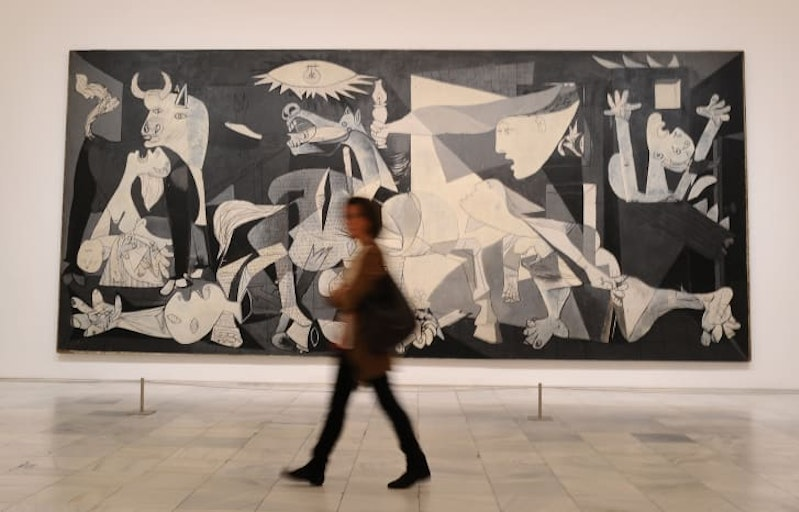
Author: Pablo Picasso
Year Created: 1937
Collection: Museo Reina Sofía, Madrid, Spain
The Future of Oil Painting: Tradition and Innovation Side by Side
In today’s fast-paced digital age, traditional oil painting seems even more precious. Its “slowness” is exactly the strength missing from this rapid world — focus, sedimentation, introspection. More and more young artists are picking up brushes to record their own era with oil paints, while many viewers rediscover inner tranquility and depth through appreciating oil paintings.
Oil painting is not merely a cultural relic in museums; it is a living art. It shines with new meaning in the context of the new era, carrying humanity’s most genuine emotions, deepest memories, and broadest imaginations.
Let us step into the world of oil painting and find a resting place for the soul amidst color and light. Every painting is not just an artwork but a journey of the heart.
Related Posts