In recent years, as Chinese antique ceramics have continued to attract attention in the international…
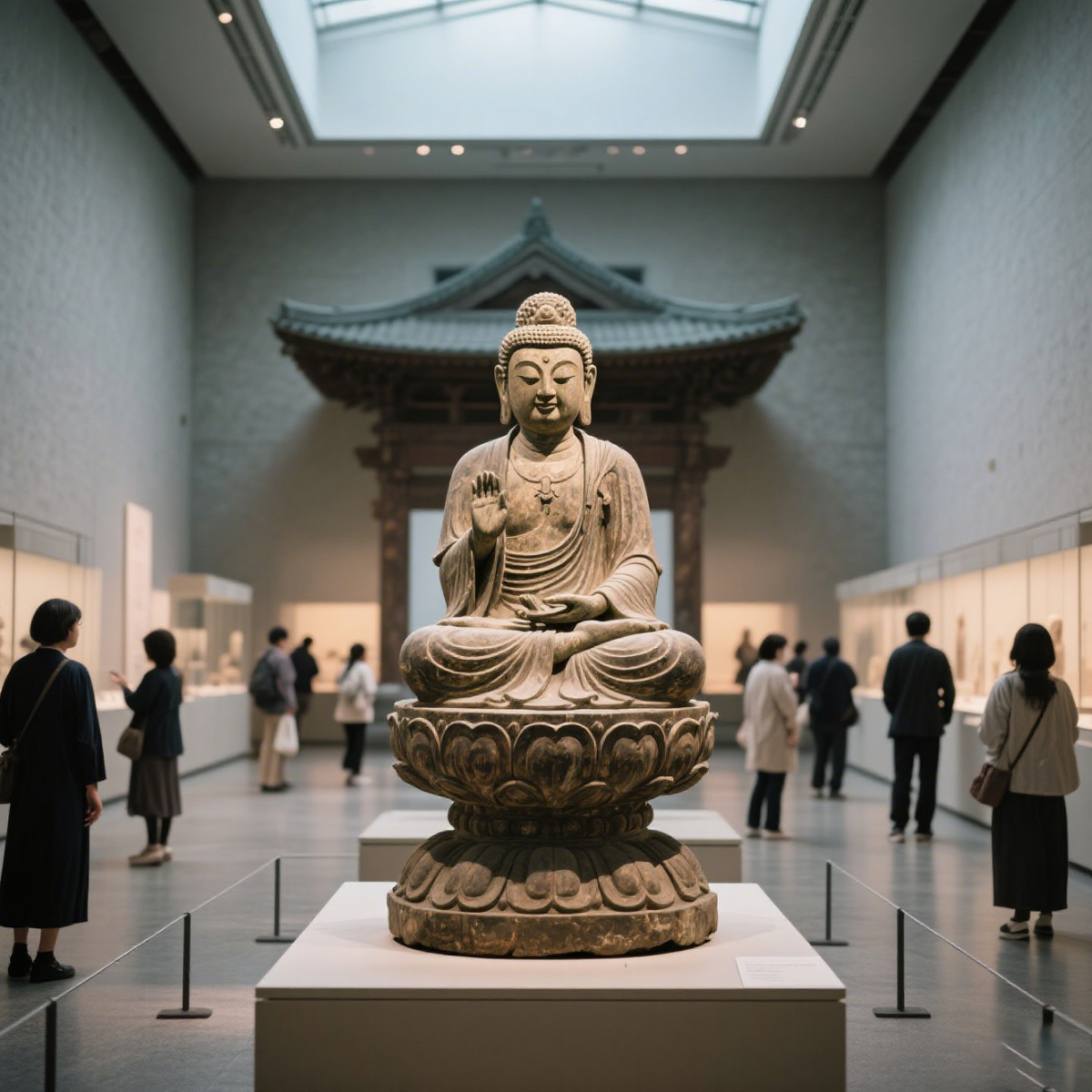
The National Museum of Art, Japan: A Sanctuary Where Tradition Meets Modernity
When people think of art museums in Japan, the Tokyo National Museum or the Kyoto National Museum often come to mind first. However, few realize that Japan actually has an extensive network of National Museums of Art. These institutions are not only vital centers for art collection, research, and promotion in Japan, but also serve as important bridges connecting tradition and modernity, and fostering dialogue between Eastern and Western art.
From Imperial Collections to National Art Halls
The origins of Japan’s National Museums of Art can be traced back to the Meiji Restoration in the latter half of the 19th century. During this period, Japanese society underwent rapid modernization and began to prioritize the preservation and education of art and culture. In an effort to align with the West while also protecting traditional Japanese art, the government established a series of public art museums.
In 1967, Japan officially established the “National Museum of Art” system, and gradually constructed or consolidated museums in Tokyo, Kyoto, Osaka, Aomori, and other regions, forming today’s expansive network.
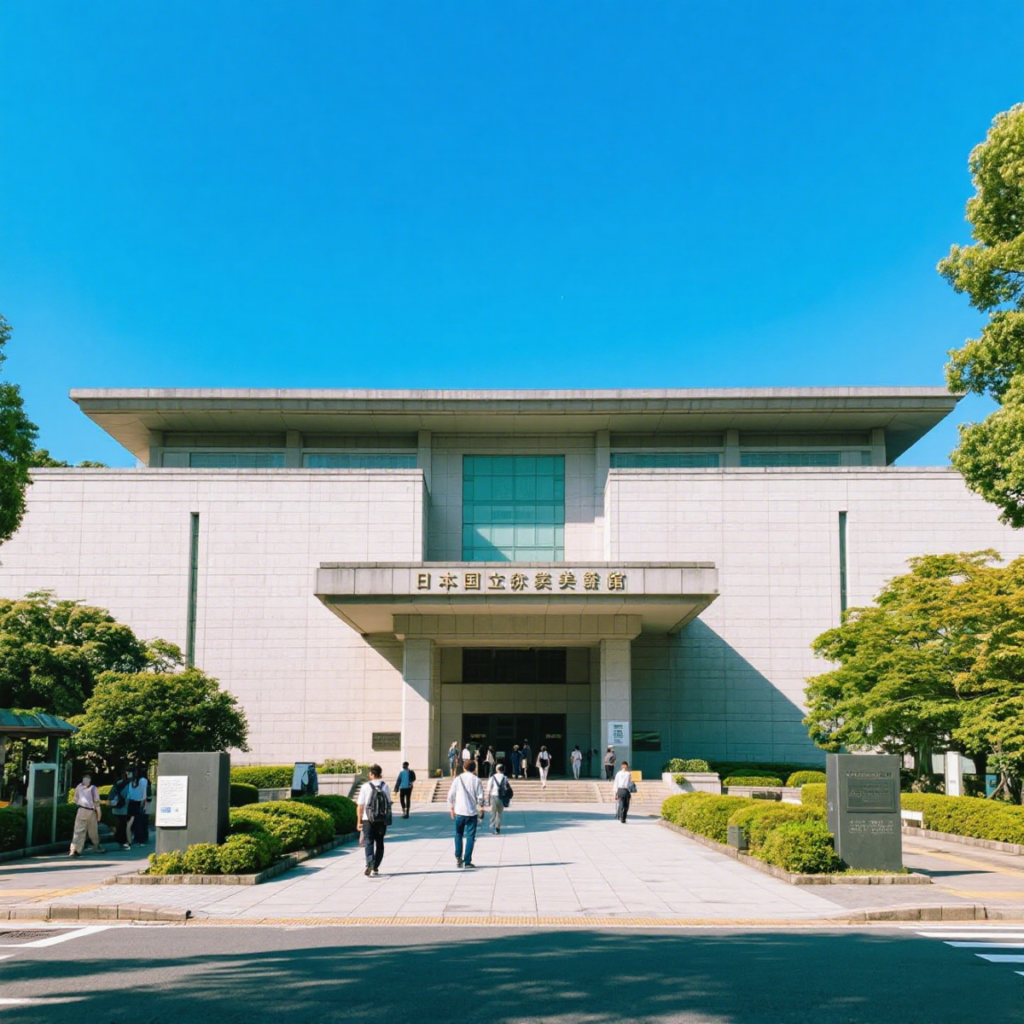
In Tokyo, the most famous national art museums include the National Museum of Western Art, the National Art Center, Tokyo, and the National Museum of Modern Art, Tokyo. Each museum has its own unique focus:
-
The National Museum of Western Art houses a large collection of Western paintings, primarily French Impressionist works, many of which originated from the private collection of Kojiro Matsukata.
-
The National Art Center, Tokyo does not maintain a permanent collection. Instead, it focuses on curating various themed special exhibitions. It is celebrated as a “museum without a collection,” known for its openness and contemporary character.
-
The National Museum of Modern Art, Tokyo primarily collects Japanese modern art from the 20th century onward, systematically presenting the trajectory of Japanese art as it evolved from traditional to modern expressions.
A Diverse and Multifaceted Collection System
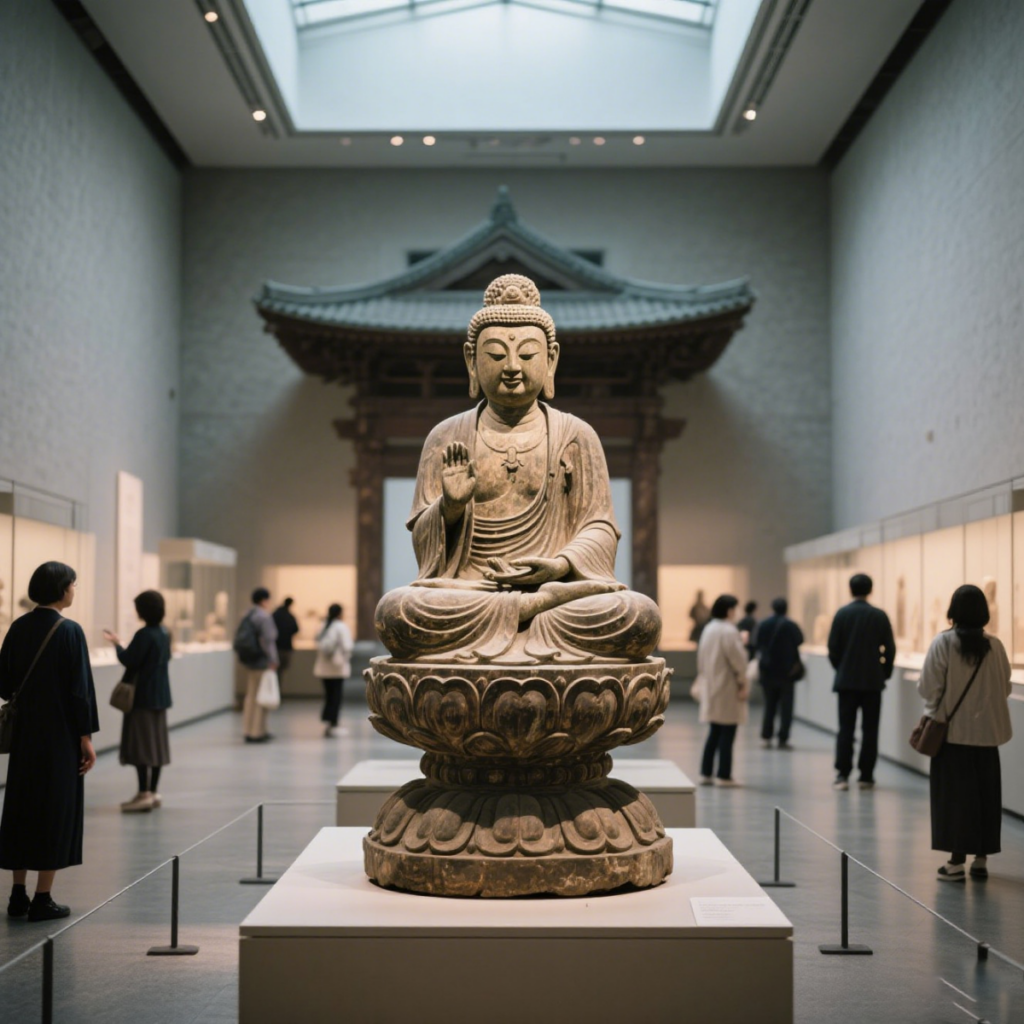
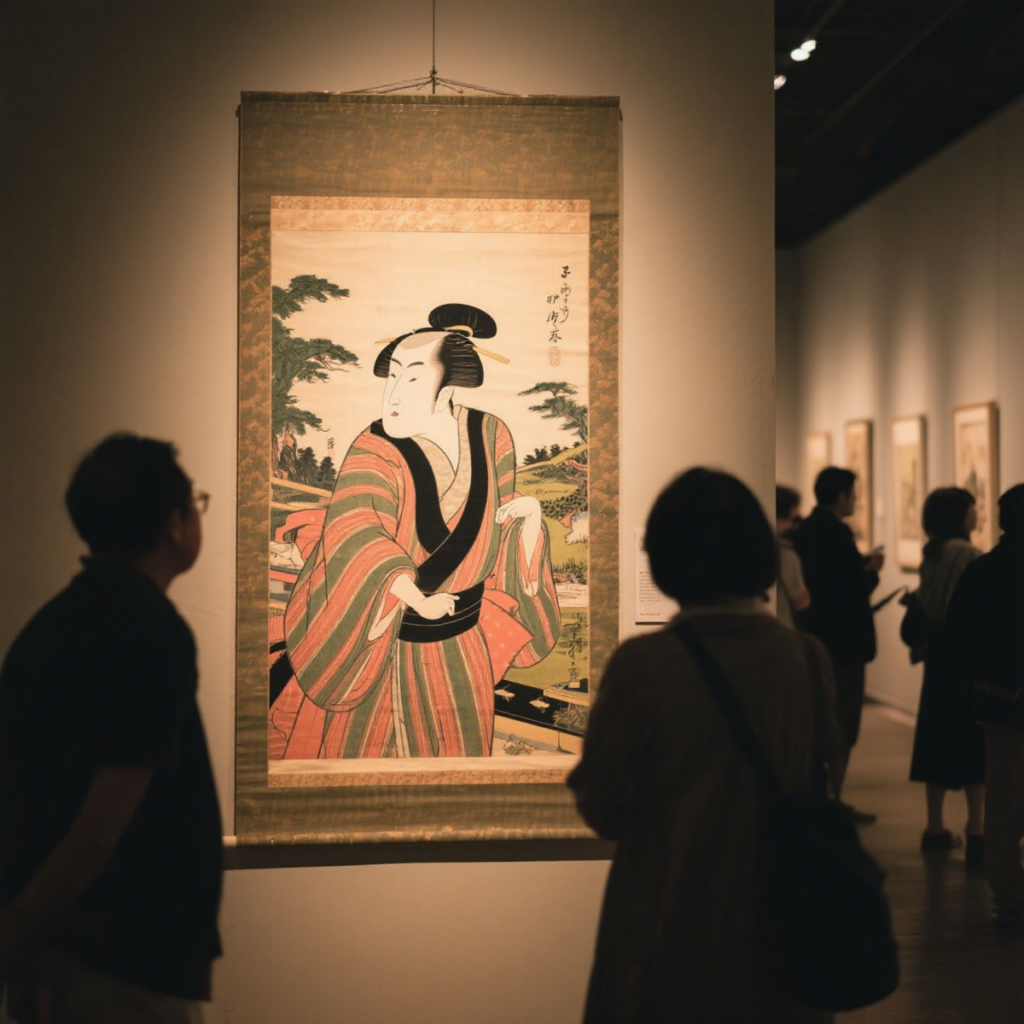
The collections of Japan’s National Museums of Art are truly all-encompassing: from Edo-period ukiyo-e woodblock prints and Nara-period Buddhist sculptures, to oil paintings, watercolors, and sculptures influenced by Western techniques since the Meiji era, and even contemporary experimental video and installation art — everything can be found here.
This collection system, which bridges ancient and modern, East and West, not only reflects Japan’s deep respect for its own traditions but also highlights its spirit of openness and innovation.
For example, the National Museum of Modern Art, Kyoto features both Nihonga (traditional Japanese-style painting) and Yōga (Western-style painting) side by side, systematically presenting how Japanese artists since the Meiji period have maintained traditional aesthetic sensibilities while also integrating Western techniques and ideas.
Meanwhile, the National Museum of Art, Osaka focuses more on contemporary art, actively introducing cutting-edge installations, video works, and conceptual art from around the world, frequently serving as an experimental platform for dialogue between global artists and Japanese audiences.
Architecture and Spatial Aesthetics
Beyond their collections, the architecture of Japan’s National Museums of Art is another major highlight. These buildings are often designed by world-renowned architects and emphasize harmony with the surrounding natural and urban landscapes. For example, the National Art Center, Tokyo, designed by celebrated architect Kisho Kurokawa, features fluid glass facades and a wave-like exterior that exudes a futuristic feel while embodying an “open, breathing” concept.
Meanwhile, the National Museum of Modern Art, Kyoto is located along the Kamo River, resonating with the nearby traditional temples and scenic mountains, reflecting the Japanese architectural principle of shakkei (“borrowed scenery”).
The spatial layout of these museums prioritizes the visitor experience: spacious and bright exhibition halls, flexible movable walls, and comfortable rest areas all invite visitors to explore the world of art in a relaxed, immersive atmosphere.
Promoting Art Popularization and International Exchange
Japan’s National Museums of Art are not merely static spaces for collection and display; they actively function as dynamic hubs for promoting art. The museums regularly collaborate with major museums and art institutions worldwide to host large-scale international touring exhibitions, such as special Impressionist exhibitions, Picasso retrospectives, and East Asian ancient ceramics exhibitions. Each of these shows attracts large audiences and often sparks lively public discussion.

In addition, the National Museums of Art actively engage in educational outreach. They offer lectures, workshops, and art programs for children tailored to audiences of different ages and backgrounds, striving to bring art into wider and more diverse communities.
A Symphony of Tradition and Modernity
One could say that Japan’s National Museums of Art are not merely collections of buildings or assemblages of artworks, but rather a collective expression of Japanese society’s relationship with beauty, culture, and identity.
They preserve artistic memories etched across the flow of history while continuously introducing new artistic languages, engaging in an ongoing dialogue with the world.
Here, visitors can admire the delicate gold leaf waves on an ancient folding screen, or feel the profound emotional impact of a contemporary video installation. Through art, Japan’s National Museums tell the story of a Japan that is both ancient and modern, introspective yet open to the world.
Related Posts