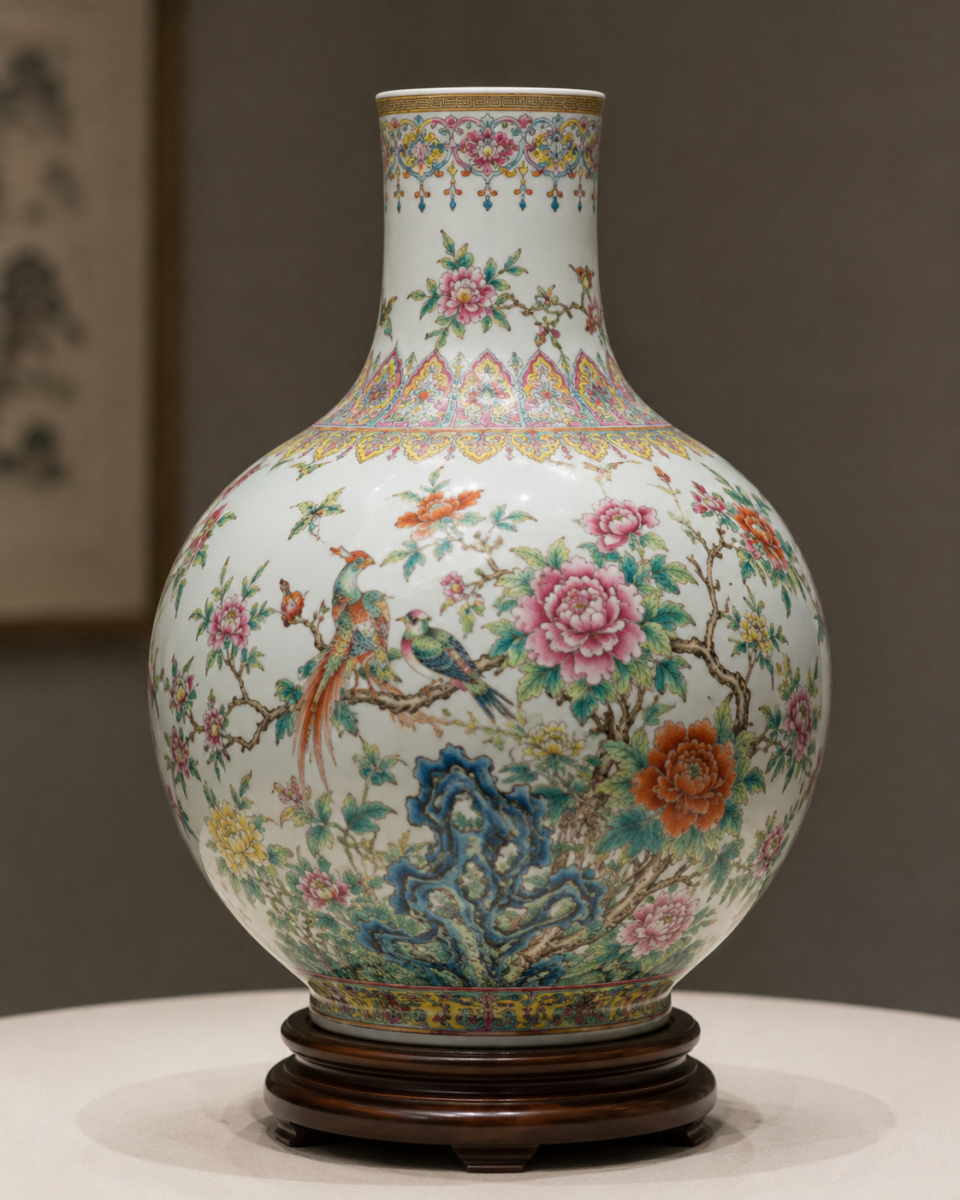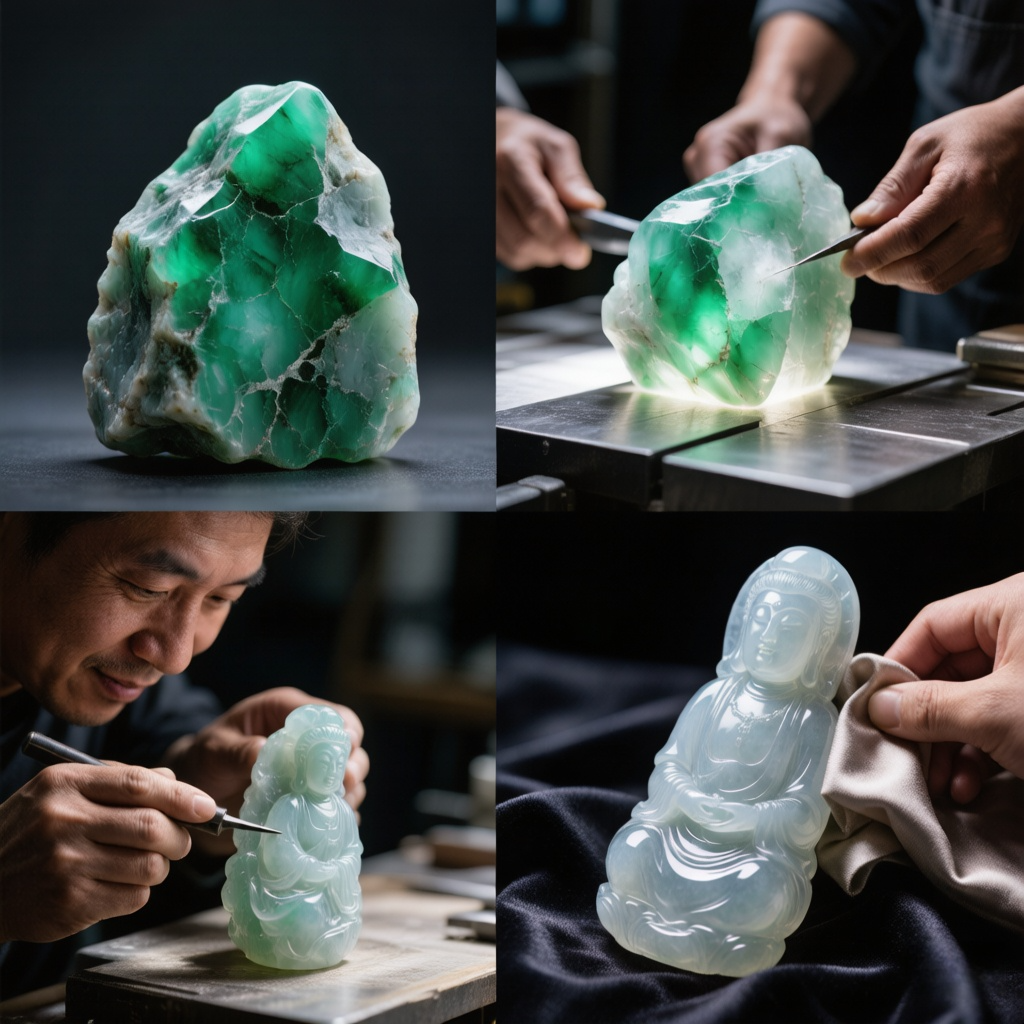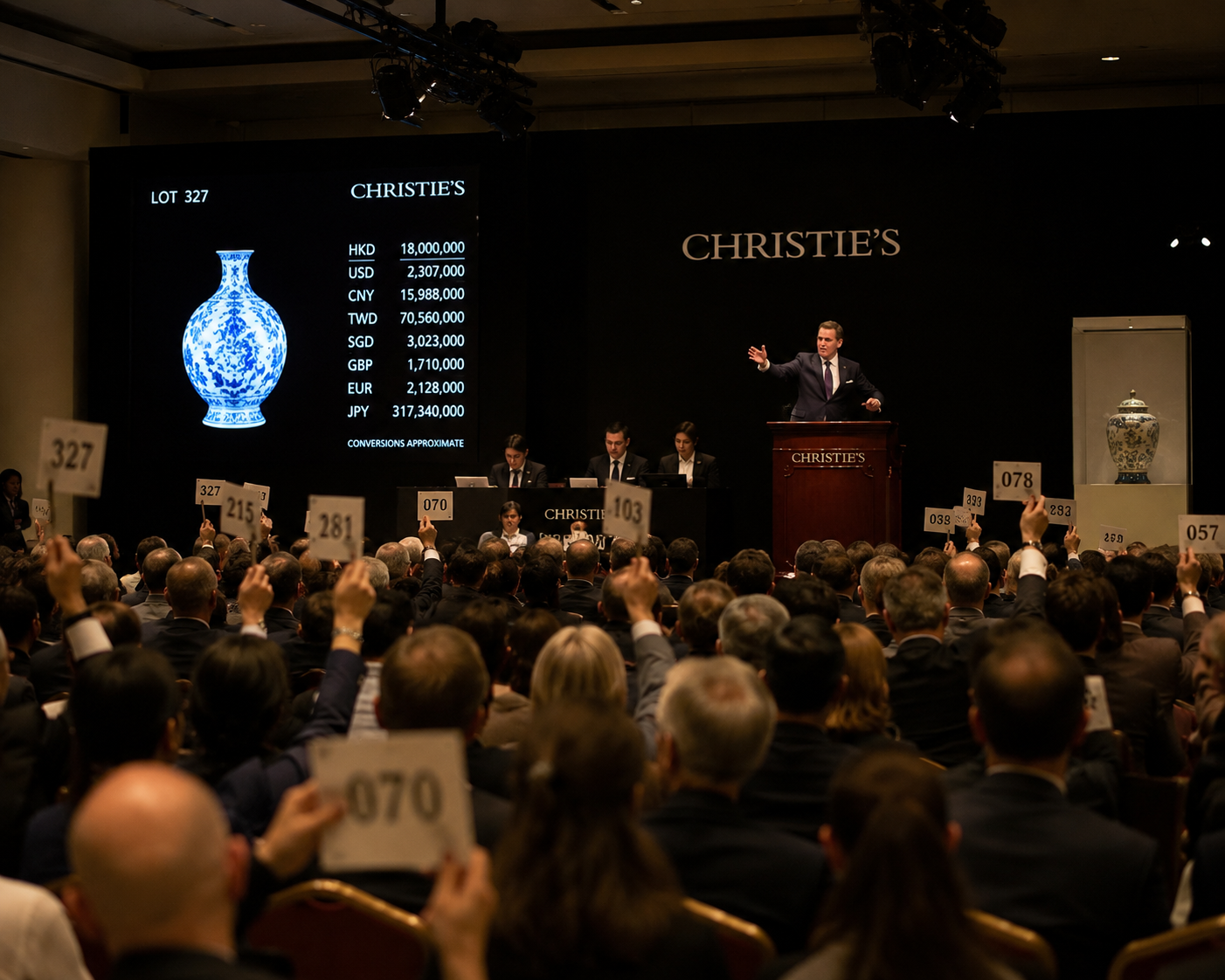
In recent years, as Chinese antique ceramics have continued to attract attention in the international…
Dancing in the Valley — The Soulful Dance of Bhutan’s King’s Festival
Paro Tshechu Festival | A Grand Celebration of Faith and Happiness
🏔 The Most Sacred Time of the Year
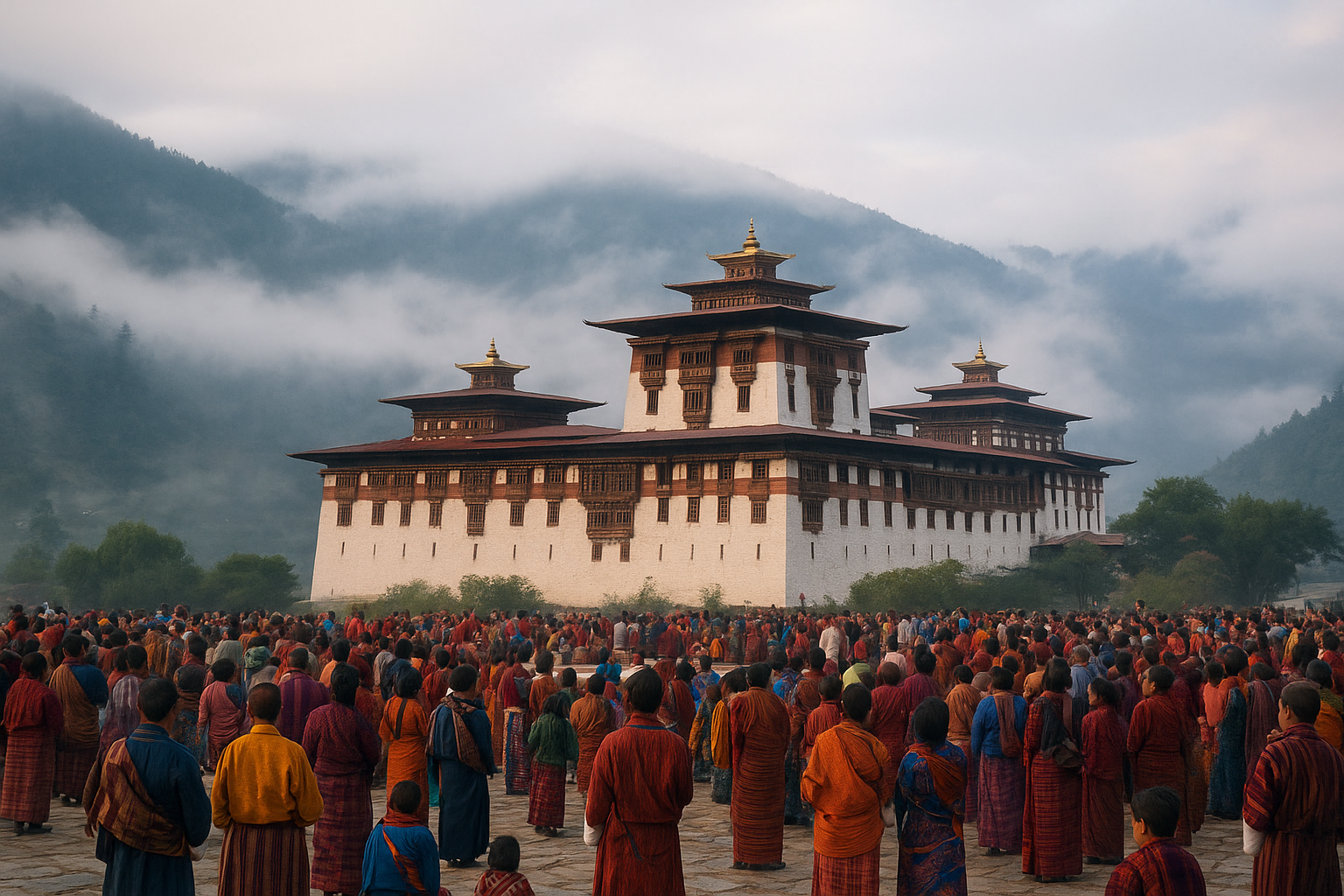
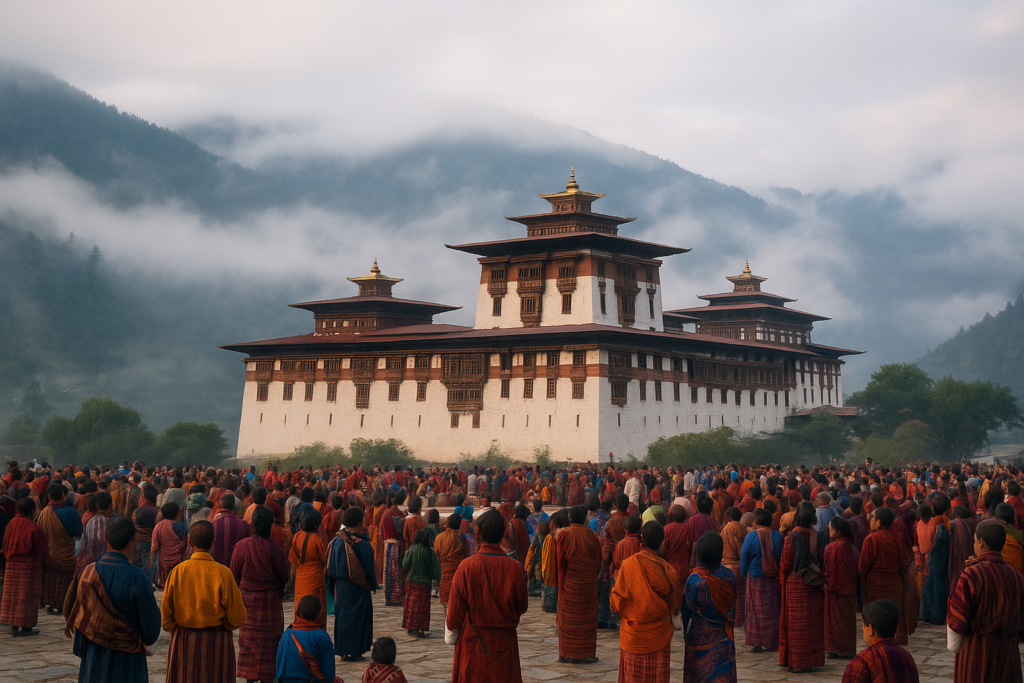
When the first rays of spring sunshine reach the Paro Valley, the air fills with the fragrance of butter lamps and burning wood. Paro Dzong — the ancient fortress-monastery built in the 17th century — is about to host the most sacred celebration of the year: the Tshechu Festival.
During this festival, the entire nation awakens to the rhythm of faith. People travel for days from remote mountain villages, just to offer their prayers on these holy stone steps. Children dress in vibrant traditional garments, women adorn themselves with gleaming silver jewelry, and monks in deep crimson robes prepare to welcome the descent of the divine.
⛅ The Drums at Dawn
Before the sky begins to lighten, the rhythmic echo of drums reverberates within the monastery walls. Monks sound the conch shells and ritual drums, marking the opening of the festival.
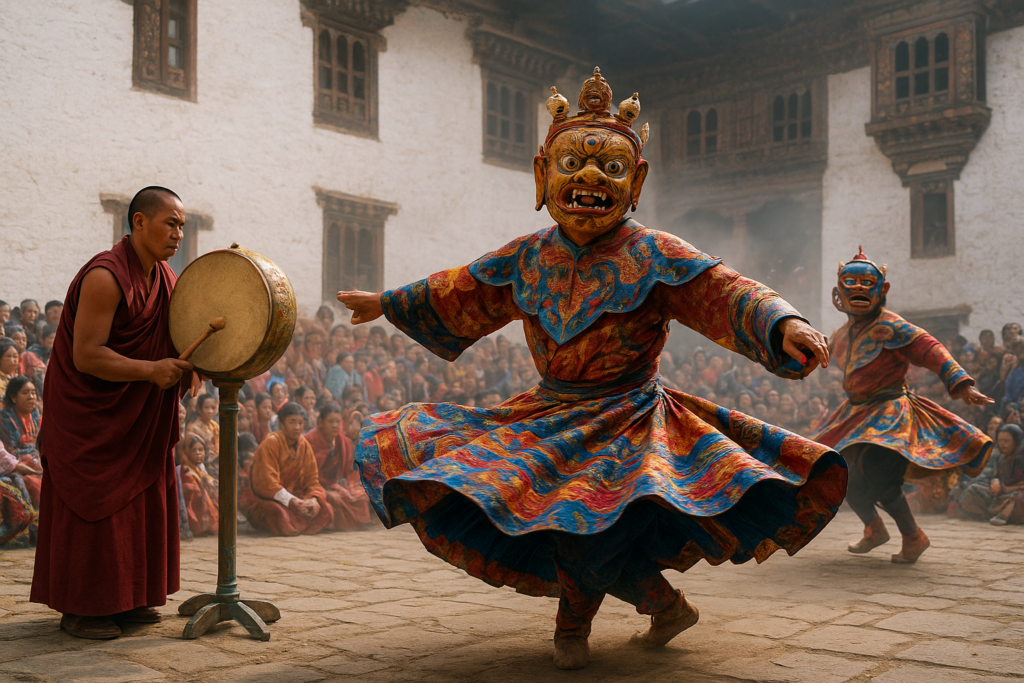
As sunlight pierces through rows of prayer flags and spills across the stone courtyard, the dancers emerge one after another — dressed in radiant silk robes, wearing masks of deities and spirits. They spin, leap, and move in synchronized rhythm.
This is Cham Dance, Bhutan’s most symbolic ritual performance.
The dancers embody Buddhas, protective deities, and spirits of nature — and with every turn of their bodies, they cast away misfortune and summon the forces of light.
🎭 Faith Beneath the Mask
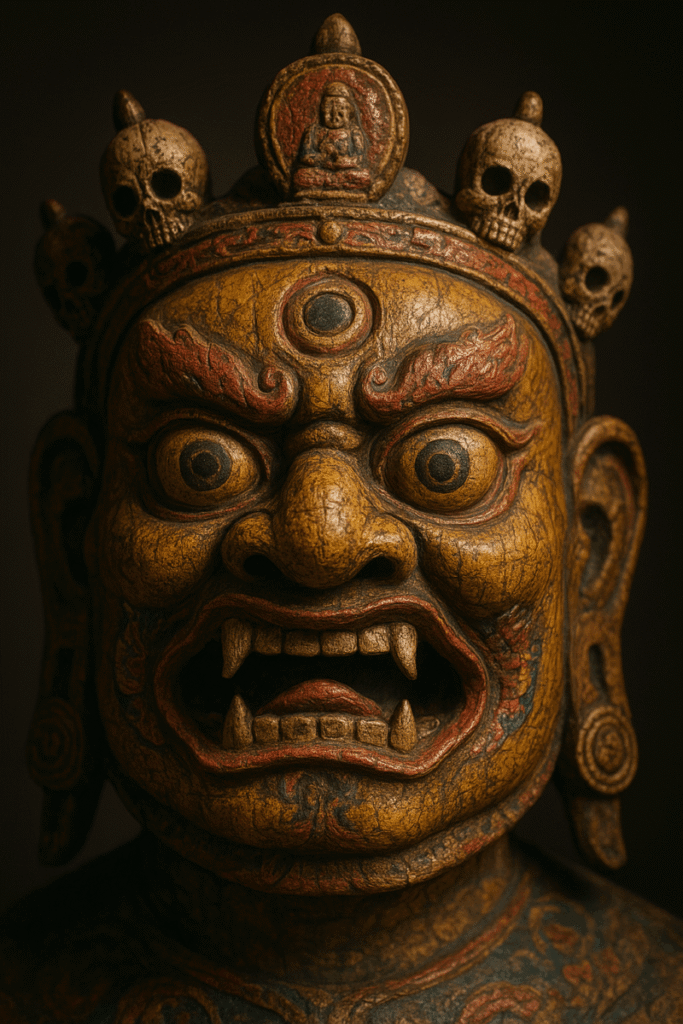
The most captivating aspect of the King’s Festival is the vibrant masks—fierce guardian deities, serene Buddhas, and half-human, half-animal spirits.
These masks are not mere stage props; they are vessels of faith.
Within the rhythm of the dance, people believe that the deities temporarily dwell in them, dancing alongside mortals.
I sat in the audience when an elderly Bhutanese woman whispered to me, “Once the mask is worn, the dancer is no longer themselves, but becomes the embodiment of the god.”
Her gaze was calm and devout, and the power of that belief almost made me forget that I was merely a spectator.
🌄 The Morning of the Giant Thangka
The final day of the festival is the most solemn moment.
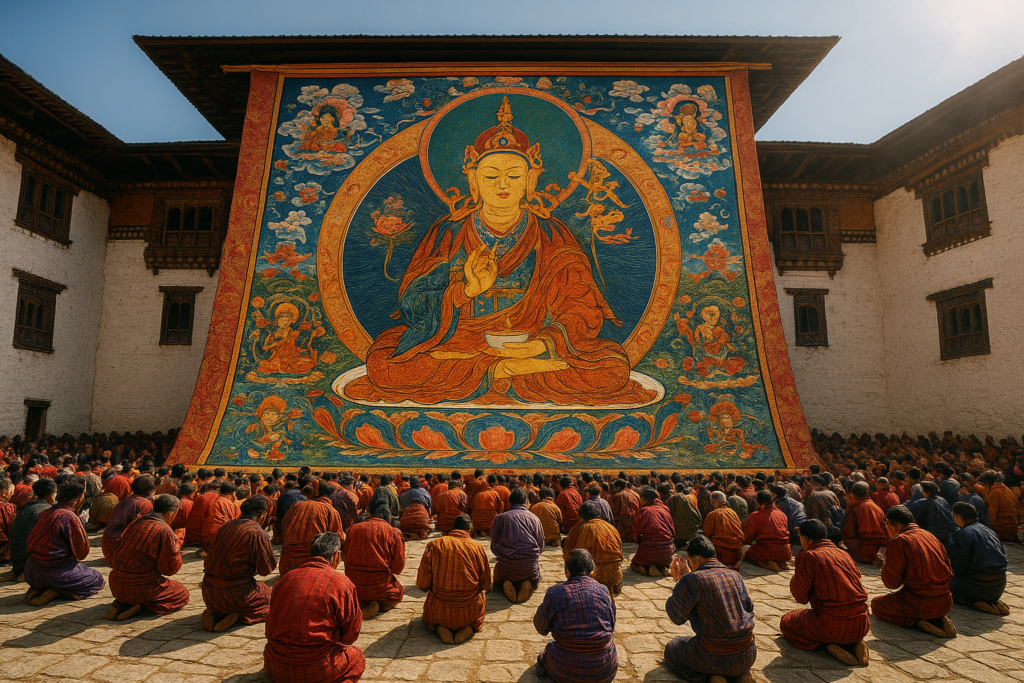
Before dawn, the monks of the monastery slowly unfurl a giant Thangka—embroidered with the sacred image of Guru Rinpoche. At that moment, the golden morning light illuminates the silk, and the entire valley is bathed in a sacred radiance.
Thousands of people kneel before the Thangka in prayer, hands clasped. Some weep, while others whisper softly.
It is said that the mere sight of the Thangka can cleanse all the sins of the past year.
The Rhythm of Happiness
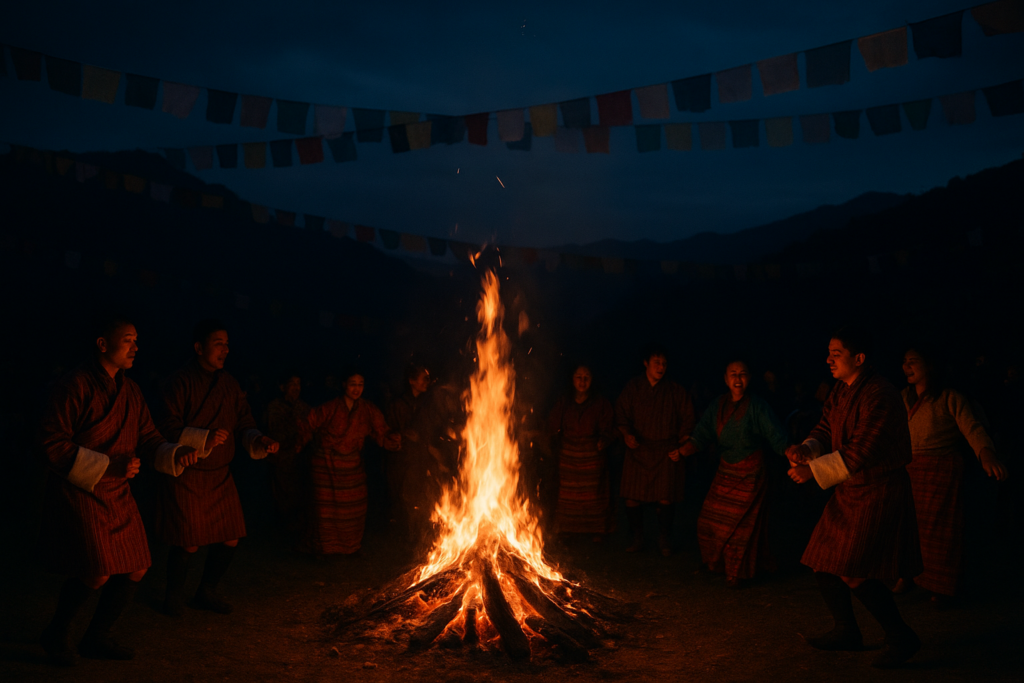
As night falls, the valley outside Paro Dzong is lit by bonfires. Young people dance to folk tunes, children mimic the monks’ steps, and laughter mingles with the drumbeats carried by the mountain breeze.
This celebration is not only a religious ritual but also a poetic extension of life itself.
A young Bhutanese man smiled at me and said, “The King’s Festival reminds us to be happy. Happiness is part of our faith.”
His smile was sincere and quiet, like the very rhythm of this land.
The Resonance of Faith
After the festival fades, Paro Dzong returns to its quietude. Prayer flags flutter in the wind, and starlight spills over the snow-capped peaks.
I sat on the stone steps, watching the last butter lamp sway in the night breeze. In that moment, I finally understood—
happiness is not an external possession, but a peace within the heart.
In Bhutan, the land known as “the happiest country in the world,” faith and daily life are never separate.
The King’s Festival is not merely a celebration of dance; it is a way for people to resonate with the world around them.
Related Posts