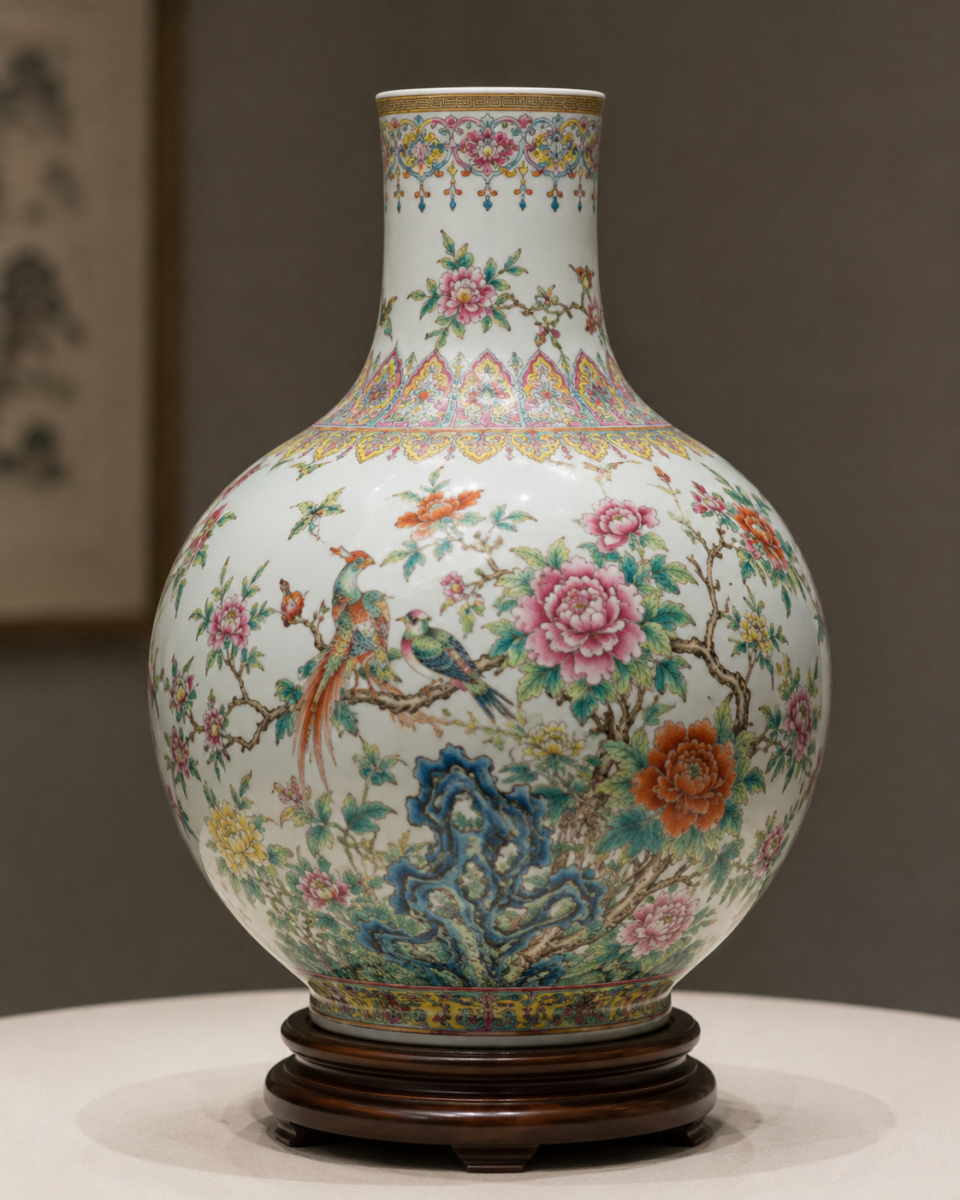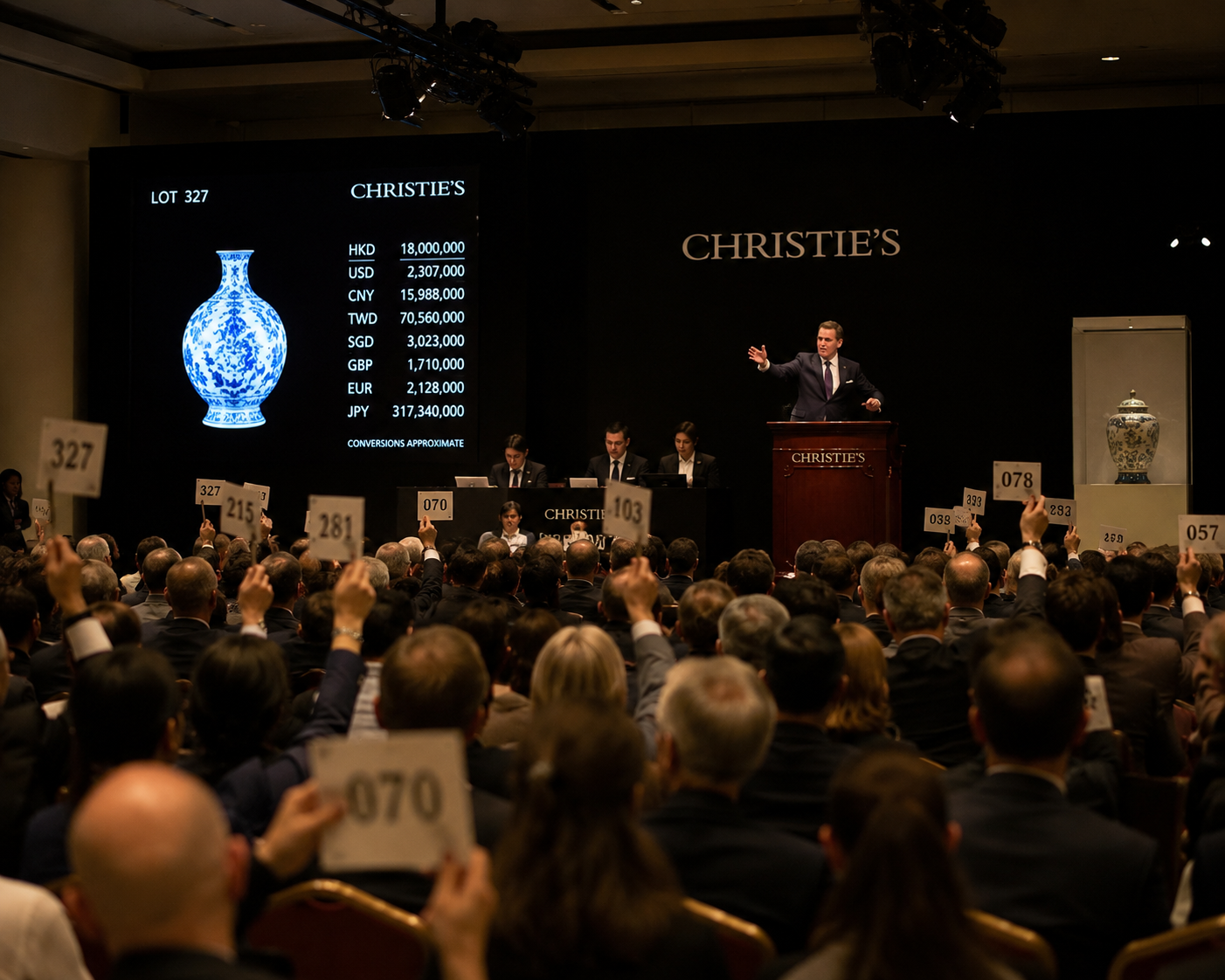
In recent years, as Chinese antique ceramics have continued to attract attention in the international…

French Auction Houses: Where Louvre Relics
French Lifestyle and Historical Fragments Flow with Romance in Bidding
When it comes to auctions, people usually associate them with “high-end luxury goods” — sky-priced oil paintings in New York, rare jewelry in Geneva, or antique clocks in London. However, in France, auction houses are more like a “mobile cultural museum”: 18th-century court manuscripts from the Louvre, century-old silver tableware used in Parisian cafes, and even handwritten leaflets by resistance fighters during World War II can all find their homes here. These auction items, which go beyond the “traditional collection list”, not only contain the genes of French romance but also bring stories about art, life and history back to life amid the sound of bidding.
I. “Niche Echoes” of Classical Art: Beyond the Louvre’s Three Masterpieces, There Are “Forgotten Manuscripts by Masters”
When talking about French art, most people first think of *Mona Lisa* and *Venus de Milo* in the Louvre. However, the “surprises” of French auction houses often lie in those classical art auction items that are “not top-tier but truly authentic”. In recent years, manuscripts, sketches and even unfinished oil painting studies by French painters from the 17th to the 19th centuries have become “potential stocks” sought after by collectors.
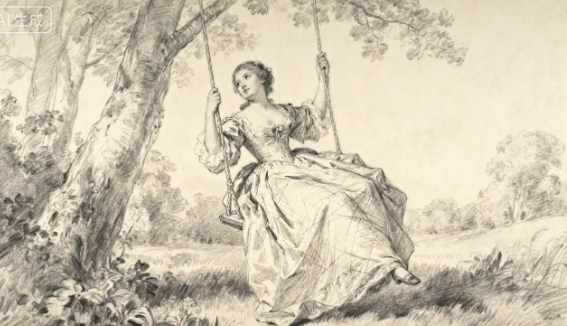
The charm of these auction items lies in their “authenticity close to the creation process of masters”. For example, in 2023, at Sotheby’s “French Classical Art Special Auction” in Paris, a sketch *Swing Draft* by 18th-century painter Jean-Honoré Fragonard was sold for 980,000 euros (about 7.6 million yuan). Although this pencil sketch does not have the colorful hues of a finished oil painting, it clearly records the painter’s repeated adjustments to the figures’ movements — the curve of the skirt of the girl on the swing and the gestures of the gentleman under the tree all show traces of multiple revisions, allowing collectors to intuitively see “how a master turns inspiration into reality”. There is also a *The Gleaners Study* by 19th-century realist painter Jean-François Millet. The outline of the peasant woman sketched with charcoal is simple yet full of strength, and the notes marked on the edge such as “Light comes from the left” and “Reduce the number of wheat ears by two” further reveal Millet’s ultimate pursuit of details.
“These manuscripts are not ‘semi-finished products’, but ‘on-site records of the birth of art’,” said a collector who has long collected French classical art. “The famous paintings in the Louvre are the ‘results’, while the manuscripts are the ‘process’ — you can see the masters’ hesitation, revisions and breakthroughs, and this sense of authenticity is more touching than the finished works.” Nowadays, there are more and more auction sessions for such “masters’ manuscripts”, and even museums specially supplement their collections through auctions, “allowing the audience to see that art is not just a perfect presentation, but also the thinking and polishing behind it”.
II. “Aesthetic Specimens” of French Lifestyle: From Silver Tableware to Vintage Perfume, Hiding the Philosophy of “Life as Art”
The French pursuit of “life aesthetics” has long been engraved in their bones, and those old objects carrying the memories of French life have become the “warmth bearers” in auction houses. From the 1920s silver coffee spoons used in cafes on the Left Bank of Paris, the crystal bottles of the first-generation Givenchy perfume in the 1950s, to the hand-made clay pots in Provence manors, each item reflects the French attitude of “turning daily life into a poem”.
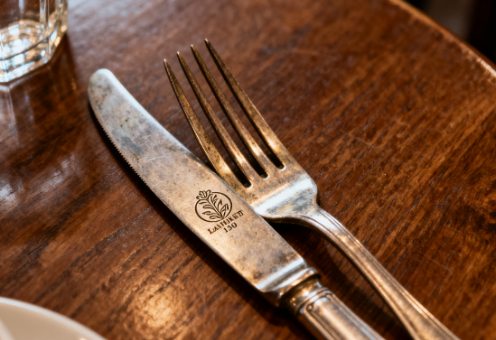
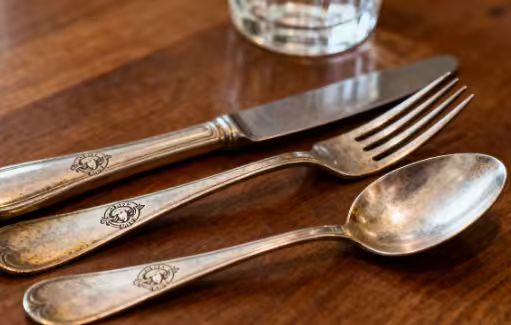
The touching part of these “life-style” auction items lies in their “refinement amid daily trivialities”. For example, a set of 1930s silver tableware from Paris’ “Café de Flore” has the café’s logo engraved on the handles of the knives and forks, and the edges show a warm patina due to years of use. According to research, this set of tableware was once used by literati such as Jean-Paul Sartre and Simone de Beauvoir. Back then, they sat by the window of Café de Flore, used these tableware to enjoy simple sandwiches and coffee, and yet wrote influential philosophical works. There is also a crystal bottle of Givenchy’s “L’Interdit” perfume from 1955. The bottle, with a teardrop shape designed by the famous designer Hubert de Givenchy himself, still has a faint scent of jasmine mixed with sandalwood even though most of the perfume has evaporated, evoking people’s imagination of the “golden age” of French elegance.
“Collecting these objects is not for ‘showing off’, but to retain ‘the soul of French life’,” said a French collector who bought the Café de Flore tableware. “Nowadays, most cafes use disposable tableware, and the atmosphere of ‘drinking coffee slowly and chatting slowly’ back then is gone. This set of silverware reminds me of ‘the rhythm that life should have’.” Even overseas collectors specially collect old French life objects. They said, “Through these coffee spoons and perfume bottles, we can feel the French adherence to ‘daily aesthetics’ — this is the most charming part of France, not luxury goods, but the attitude of making ordinary days refined.”

III. “Cultural Guardianship” in Auction Houses: More Than Transactions, It’s About “Continuing Memories”
The prosperity of French auction houses is never just about “the price increase of objects”. Amid the bidding for these auction items, there lies the guardianship of “French cultural genes” — the auction of classical art manuscripts makes more people pay attention to “non-top-tier but important” art heritage; the popularity of old life objects enables the inheritance of French life aesthetics; the popularity of historical paper-based auction items prevents the loss of niche but precious historical memories.
What’s more remarkable is that the French auction market has always maintained a “public welfare nature”: part of the auction proceeds from classical art items is used to restore endangered historical buildings; the proceeds from the auction of old life objects are used to support craftsmen dedicated to inheriting traditional craftsmanship; and the transaction funds from historical paper-based auction items are used for the construction and maintenance of World War II memorial halls. “We don’t regard auctions as a mere ‘business’, but as a ‘link for cultural inheritance’,” said a person in charge of a local French auction house. “When a manuscript can help people understand art, a piece of silverware can make people remember the aesthetics of life, and a leaflet can prevent history from being forgotten, that is the true value of auctions.”
Final Note: Collecting France Is Collecting a “Depth of Romance”
French auction houses have broken people’s rigid perception of “collection” — what is worth collecting is not only the famous paintings and jewelry of the Louvre level, but also the artistic thinking in masters’ manuscripts, the aesthetic attitude in old life objects, and the memory of courage in historical leaflets. These auction items may not have a gorgeous appearance, but they contain the most authentic cultural essence of France: respect for art, love for life, and reverence for history.
Next time you hear about “French auctions”, you may remember: what is being bid for is not just pieces of objects, but romantic stories about art, life and history. And collecting these stories is collecting a more three-dimensional and warmer France.
Related Posts