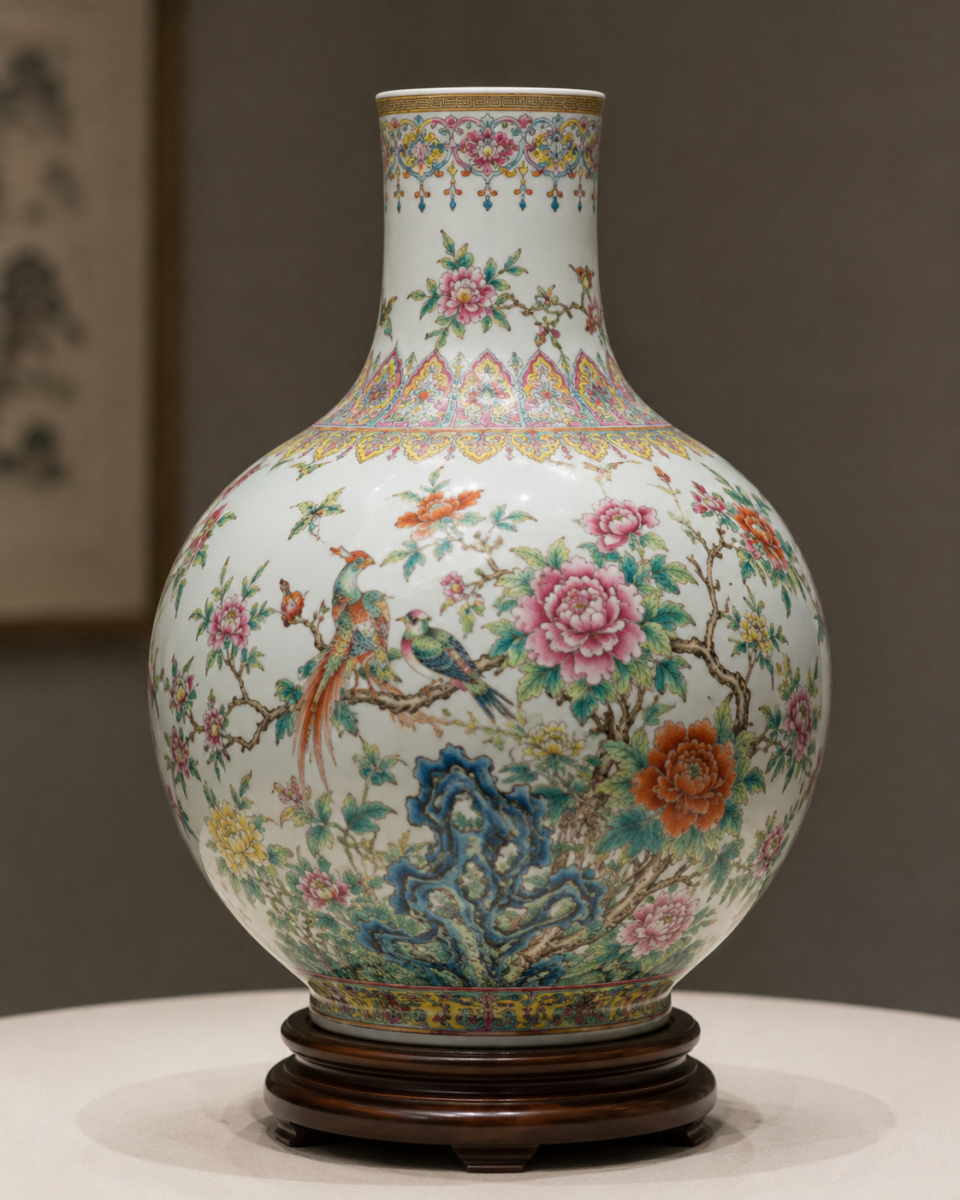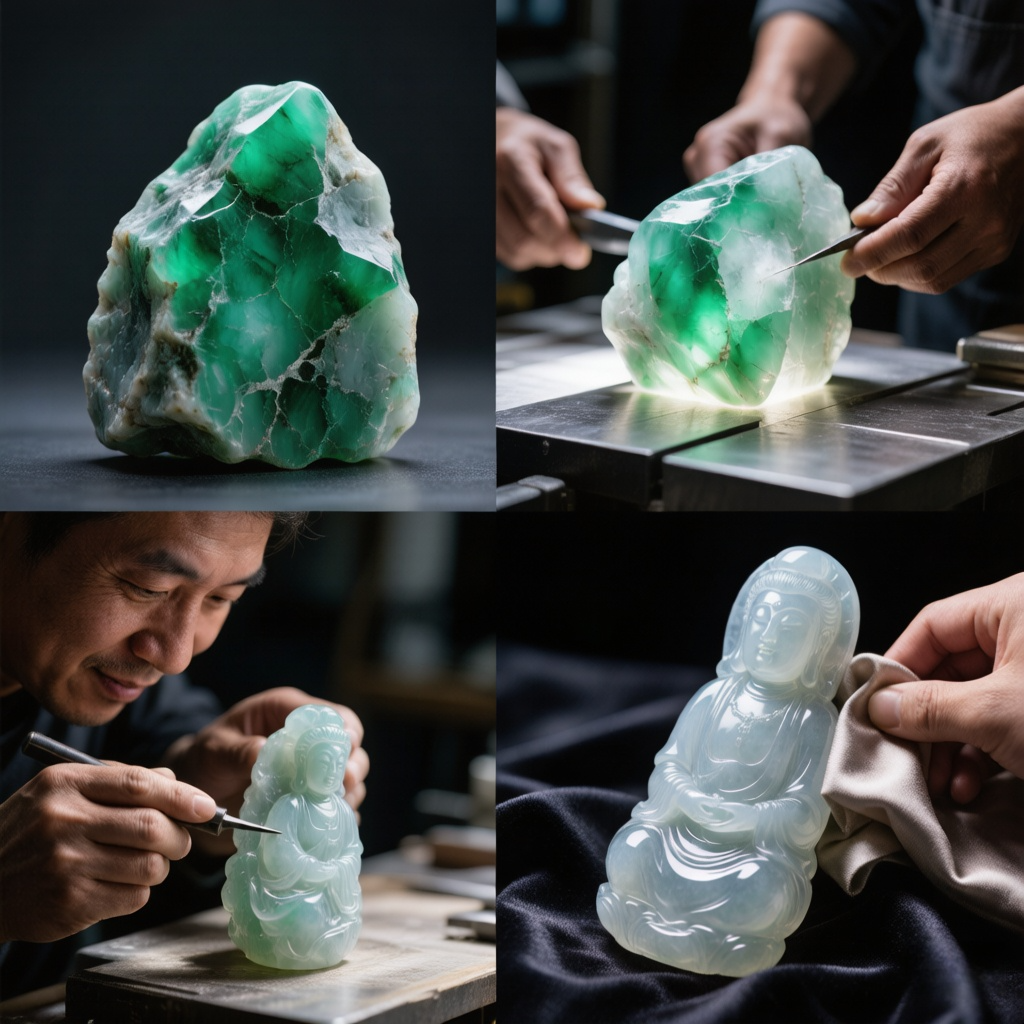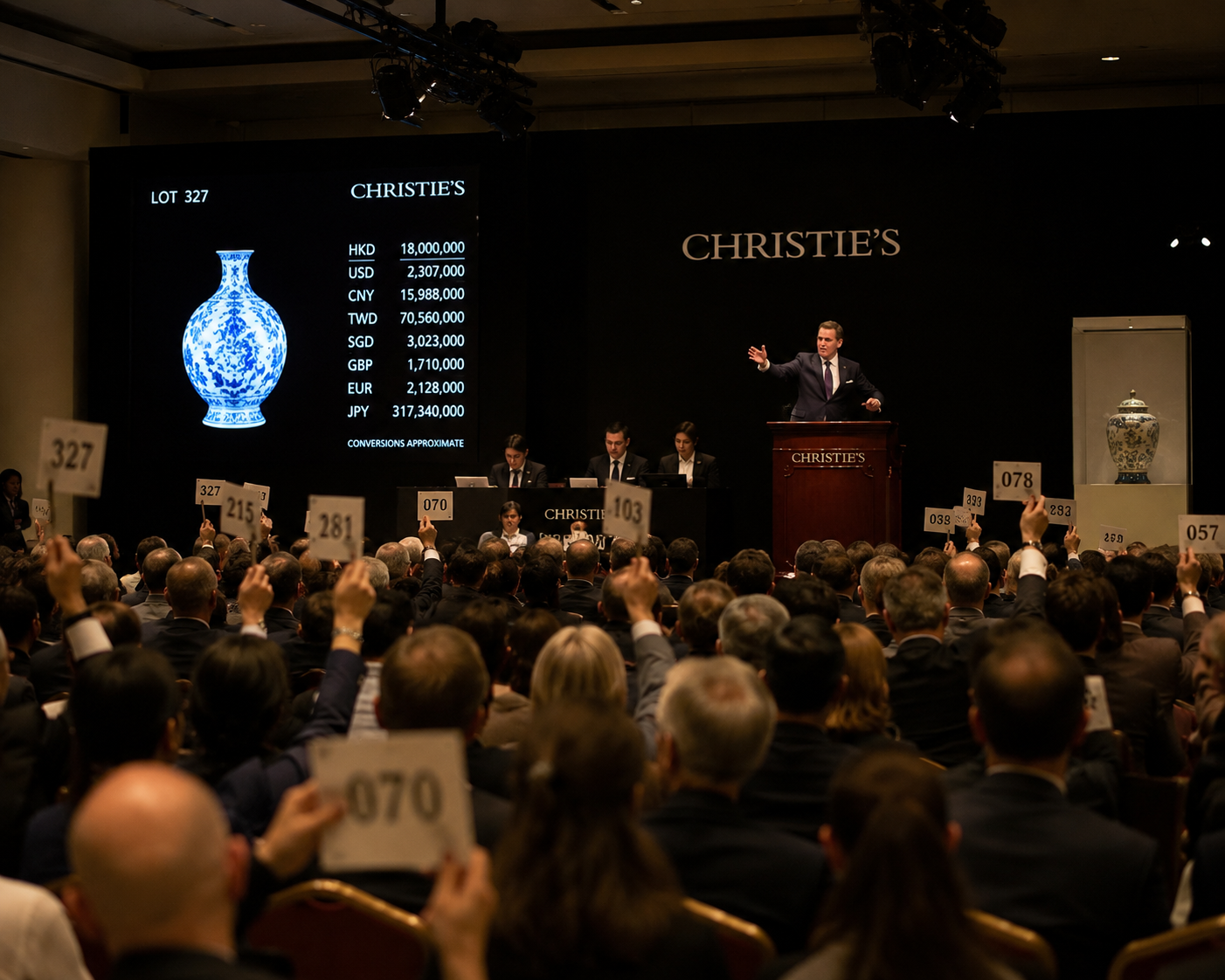
In recent years, as Chinese antique ceramics have continued to attract attention in the international…
Echoes of Civilization in the Egyptian Gallery: A Journey Through the Nile’s Timeless Flow
Stepping into the Egyptian Gallery of the Louvre feels like opening a doorway to antiquity — a corridor woven from sand, stone, and gods. Every statue, stele, and sarcophagus whispers the millennia-old secrets of the Nile: tales of faith, power, life, and eternity.
I. The Gaze of the Pharaoh: A Symbol of Power and Eternity
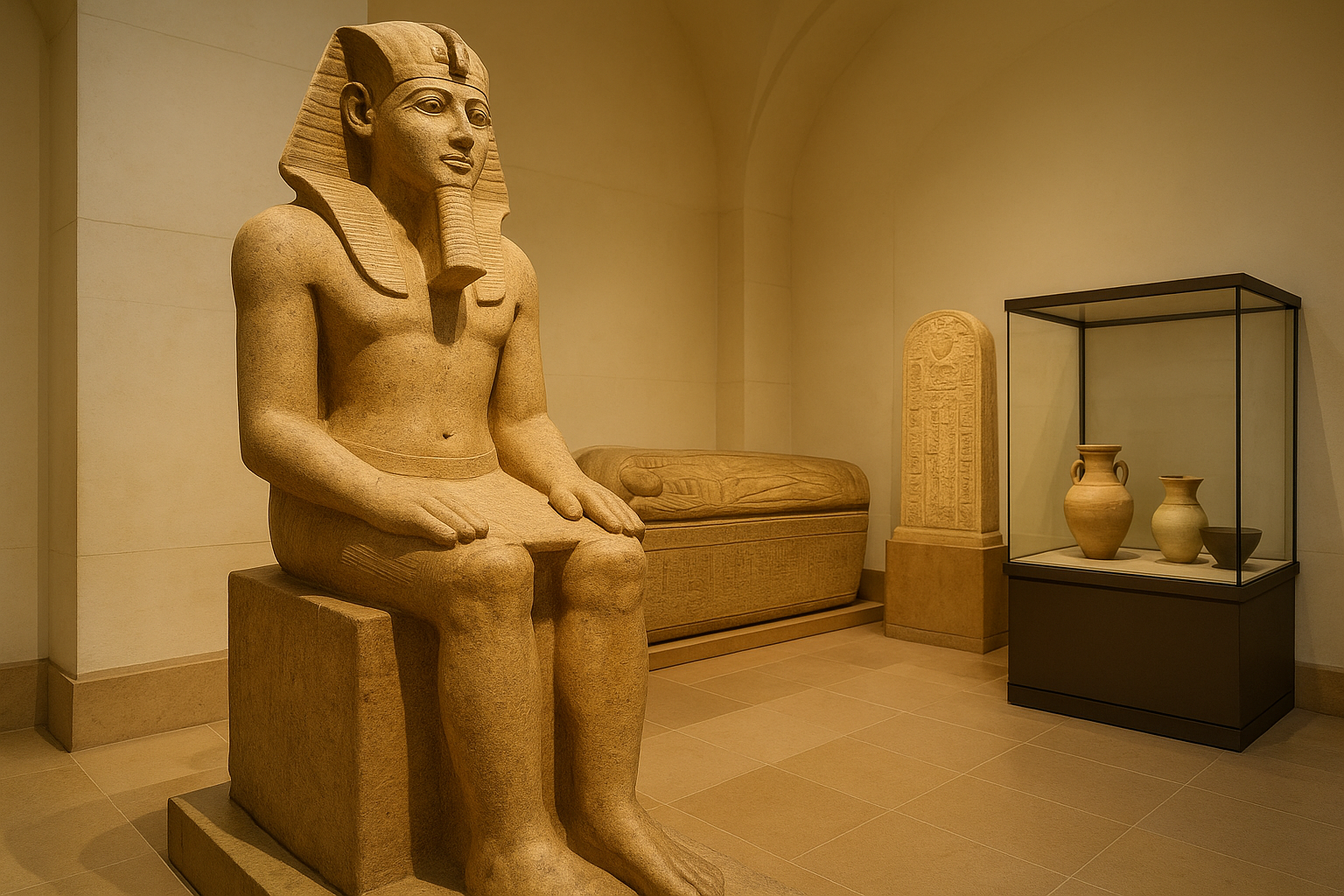
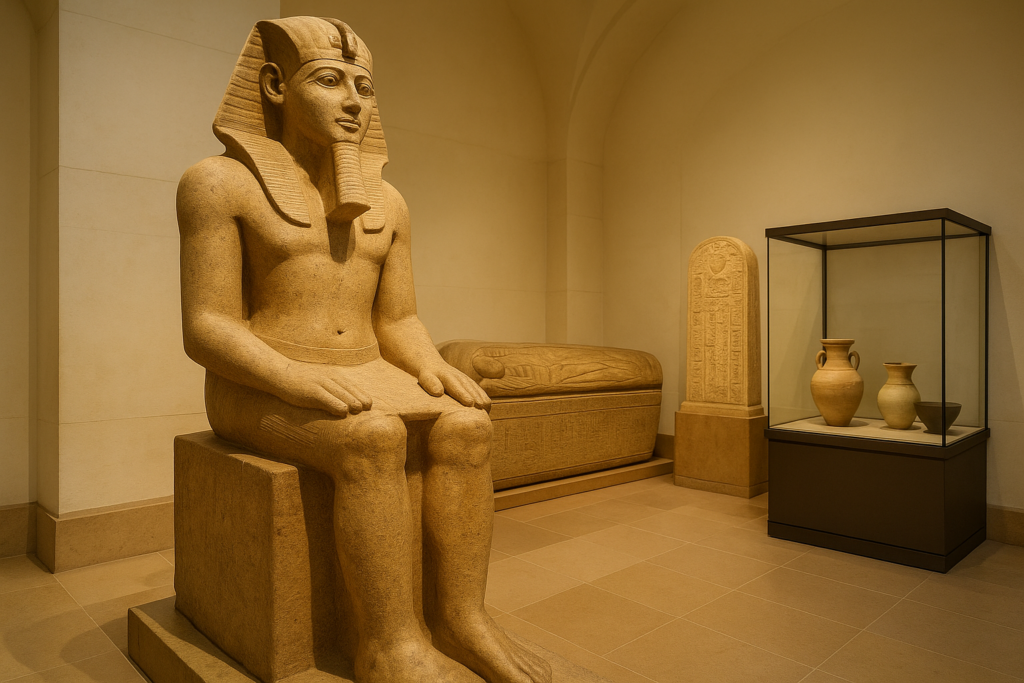
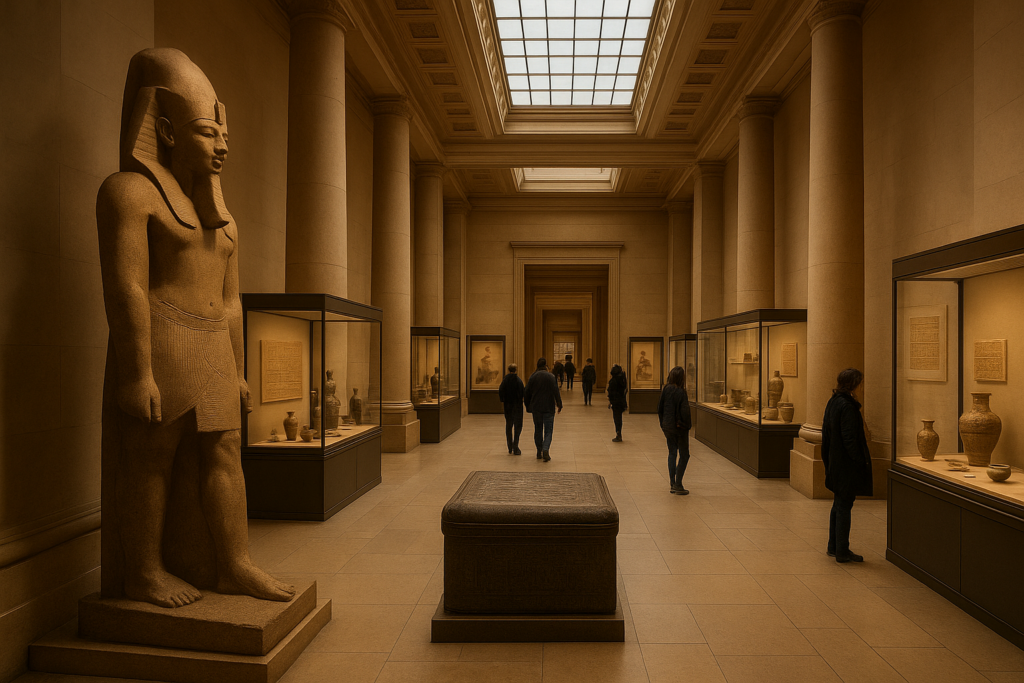
At the center of the gallery stands a majestic seated statue of Ramses II, brought from the Temple of Karnak. His gaze is austere and profound — a stare that pierces through three thousand years of dust, still radiating an unshakable authority. Known as “the Great Builder,” Ramses embodies power carved in stone and divinity cast in form — a timeless emblem of kingship and immortality.
The Louvre’s curatorial design enhances this sense of reverence: soft lighting caresses the granite surface, revealing delicate textures that shimmer like the flowing waters of the Nile. Visitors who pause before his feet are not merely observing an artifact; they are conversing with the soul of an ancient dynasty.
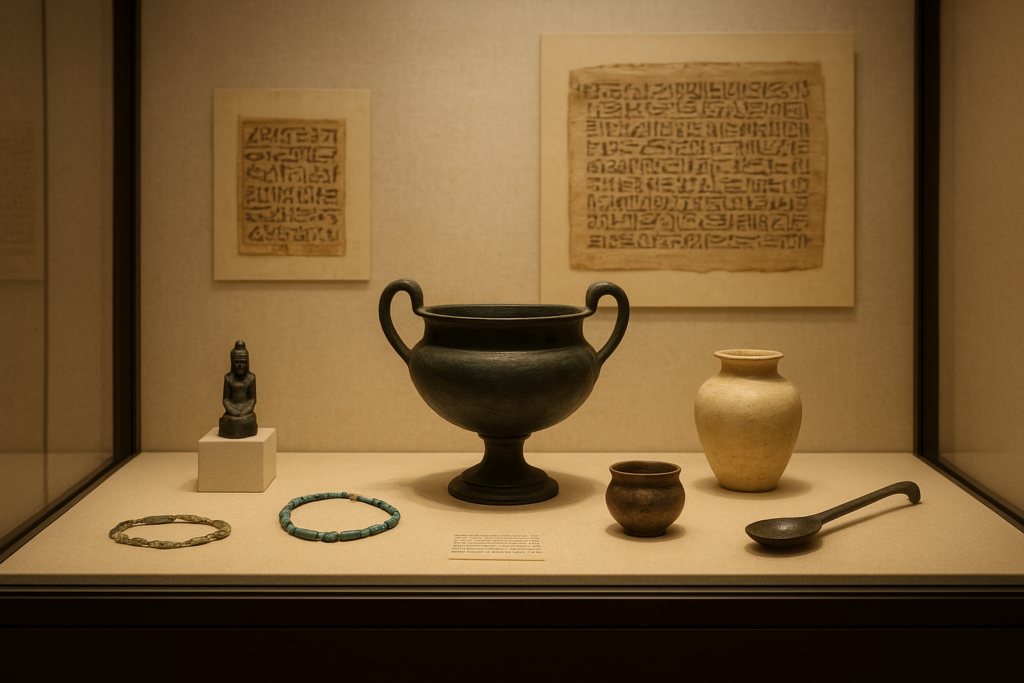
Beside the pharaoh’s statue, the golden ornaments and amulets continue to reveal Egypt’s obsession with eternal life. Gold, regarded as “the flesh of the gods,” gleams with a light that defies decay — a tangible reflection of the Egyptian pursuit of immortality. In that golden shimmer, one almost hears ancient hymns echoing once more through the temple halls.
IV. Sarcophagi and the Afterlife: The Poetic Order of Death
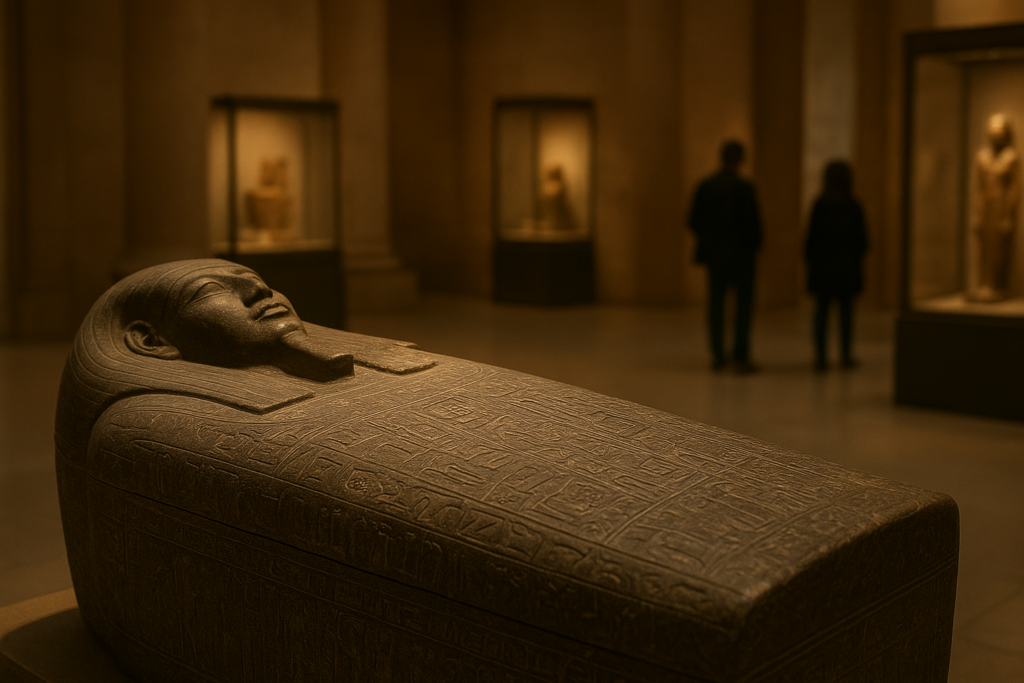
Stepping into the sarcophagus gallery, even the air seems to grow solemn — it is a space where time and faith intertwine. One painted anthropoid coffin from the 11th century BCE remains vivid in color and intricate in design. Its surface depicts deities guiding the soul toward the heavens, symbolizing rebirth after death.
In the ancient Egyptian worldview, death was not an end but the beginning of eternity. The existence of mummies and sarcophagi embodied this belief system — a tangible architecture of immortality. Standing before these silent tombs, one cannot help but wonder: as modern humanity pursues “digital immortality” through technology, are we not, in some sense, repeating the same dream as the ancients?
V. Echoes of Civilization: The Nile Within the Louvre
The Egyptian galleries of the Louvre are not merely spaces for displaying art — they resemble a still and eternal Nile. Flowing from the soil of 4000 BCE, this river of civilization runs through dynastic change and religious transformation, before merging gently into the light and shadow of a modern museum.
This “river of civilization” connects not only Egypt and France, but also humanity’s shared contemplation of time and existence. As you leave the gallery, the statues, stelae, and carvings continue to echo in your mind — a quiet reminder that great civilizations never truly vanish; they simply take on new forms, flowing endlessly through the depths of human memory.
Conclusion
The allure of the Egyptian Gallery lies not only in its display of ancient artistic splendor, but in how it compels us to reconsider humanity’s relationship with time itself. Though the roar of the Nile may have faded long ago, the pursuit of life, faith, and eternity still whispers through the halls of the Louvre — becoming the deepest and most resonant echo of civilization.
Related Posts