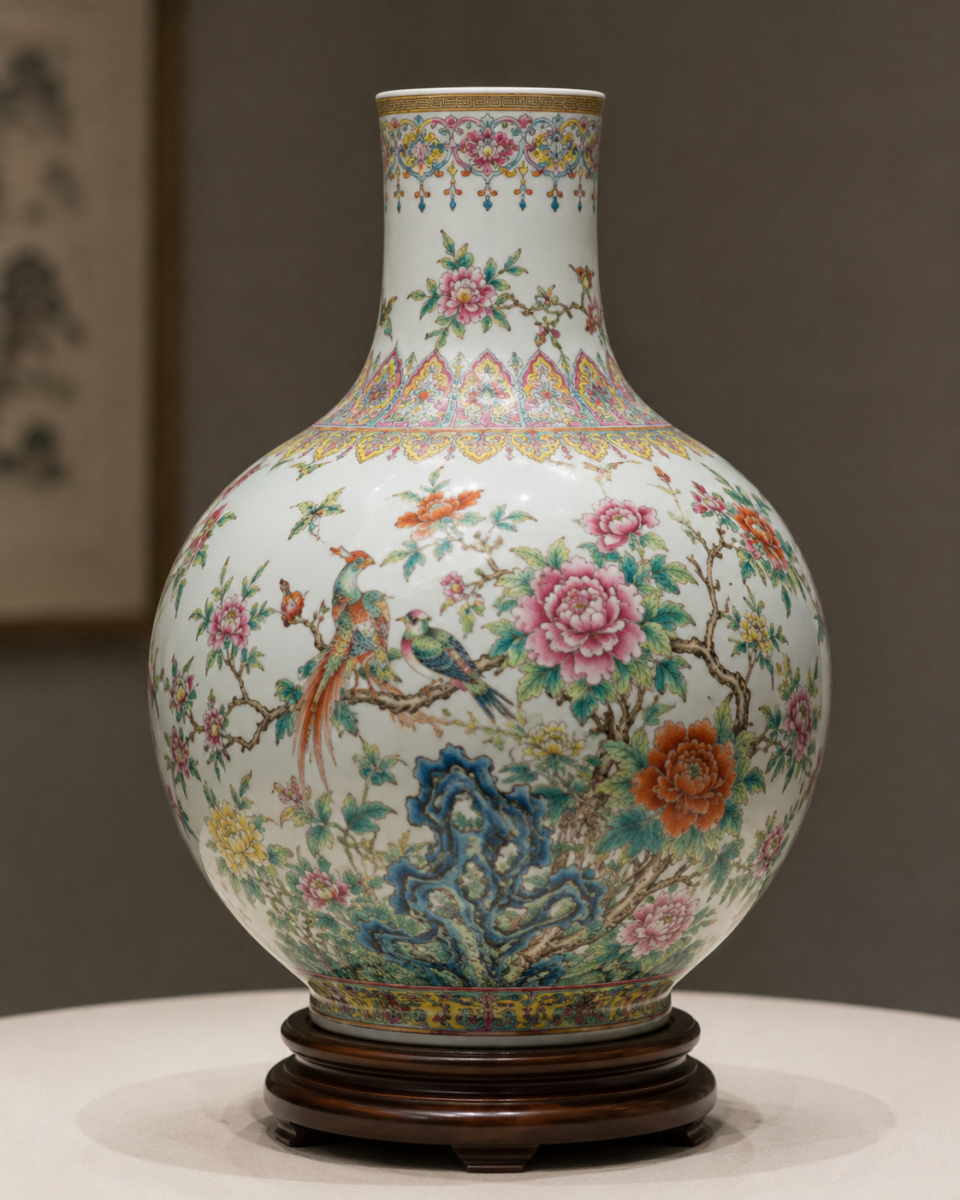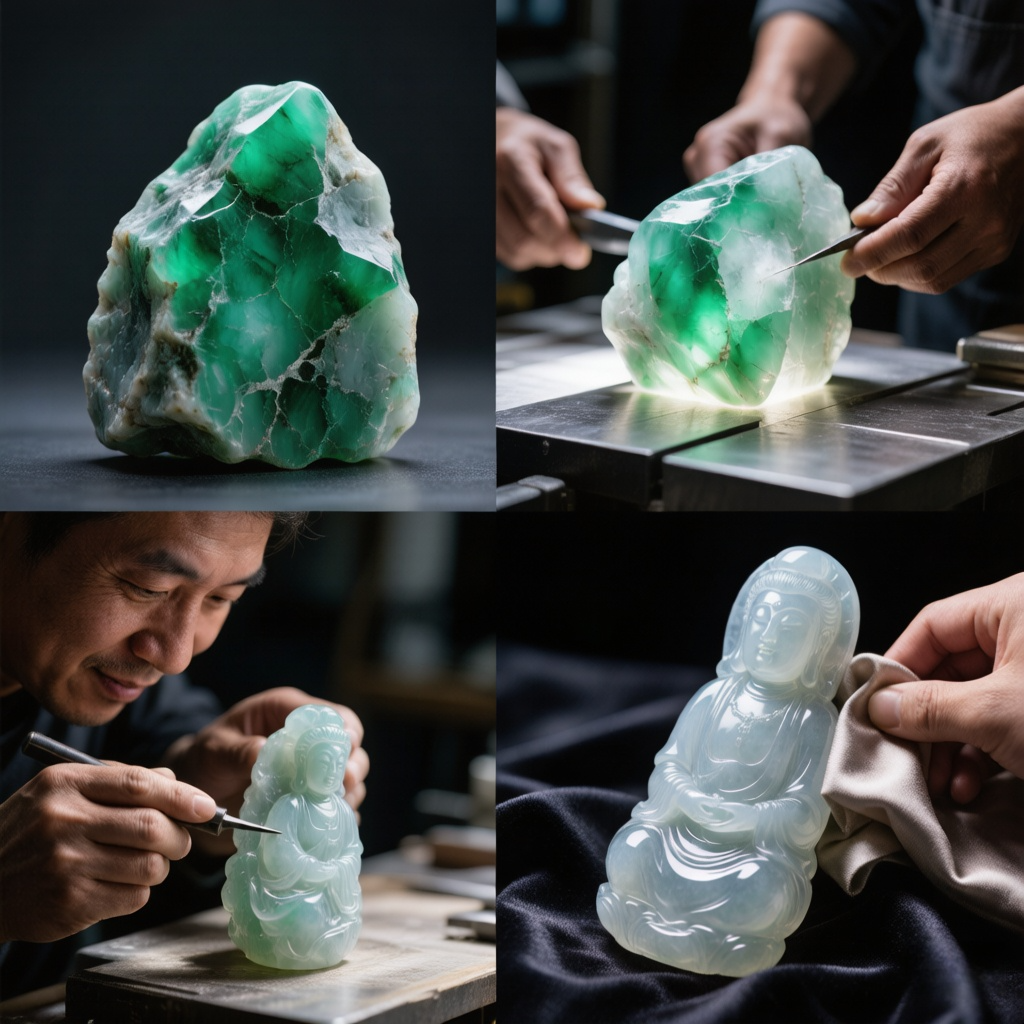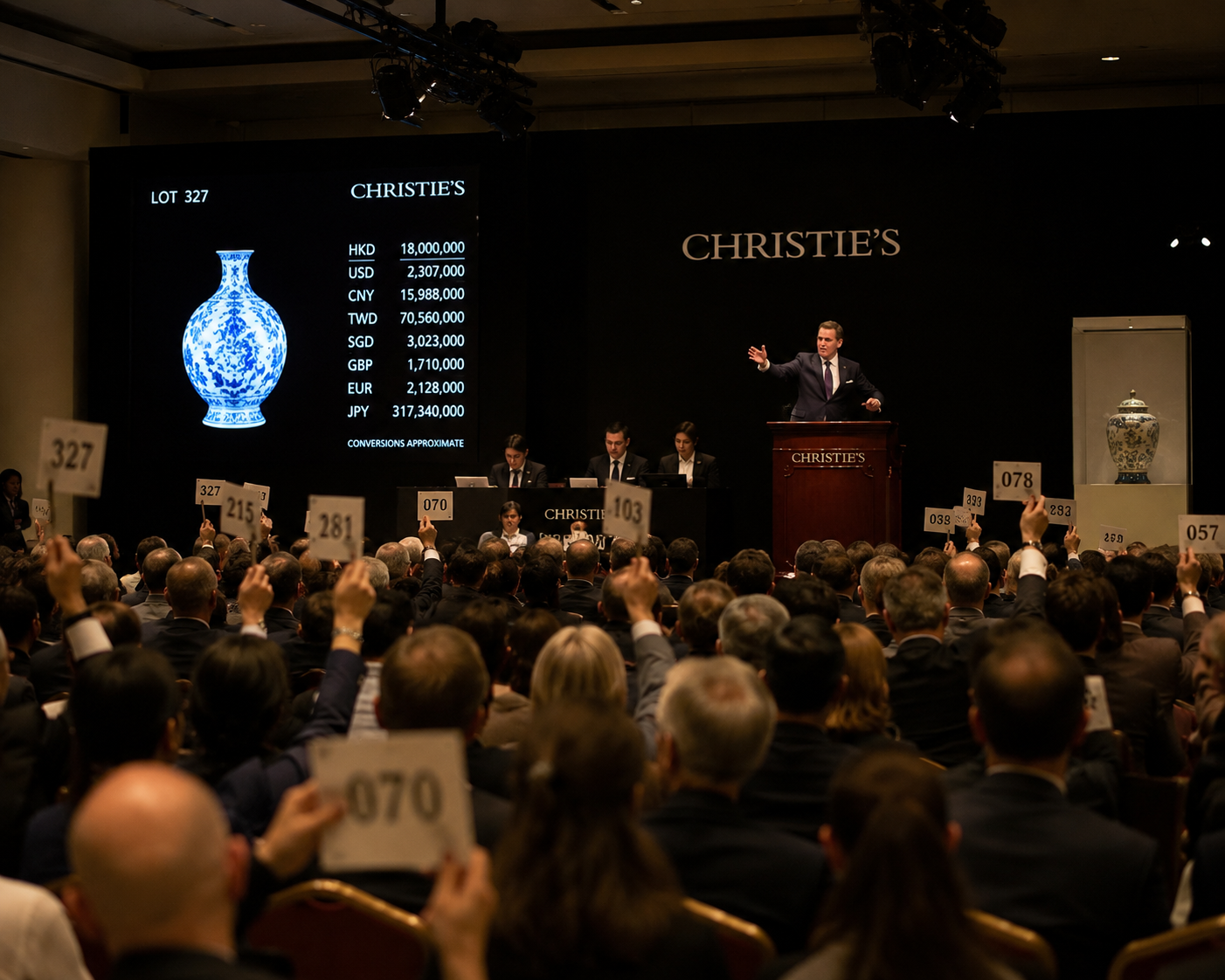
In recent years, as Chinese antique ceramics have continued to attract attention in the international…
A Gaze Across Millennia: A Soulful Dialogue with European Art
When we stand before the enigmatic smile of the Mona Lisa in the Louvre, or gaze into the swirling night skies of Van Gogh at the Van Gogh Museum, have we ever paused to wonder — these silent masterpieces displayed in museums, churches, and palaces, were once the blazing projections of a bygone soul?
The brilliance of European art lies not only in its technical mastery and stylistic richness, but in its ceaseless flow — like a river, running from the divinity of Ancient Greece, the order of Rome, the piety of the Middle Ages, the awakening of the Renaissance, the grandeur of the Baroque, the lightness of Impressionism… all the way to the present, still calling us to listen, to behold, to feel.
I. From Gods to Humanity: The Classical Roots of Art
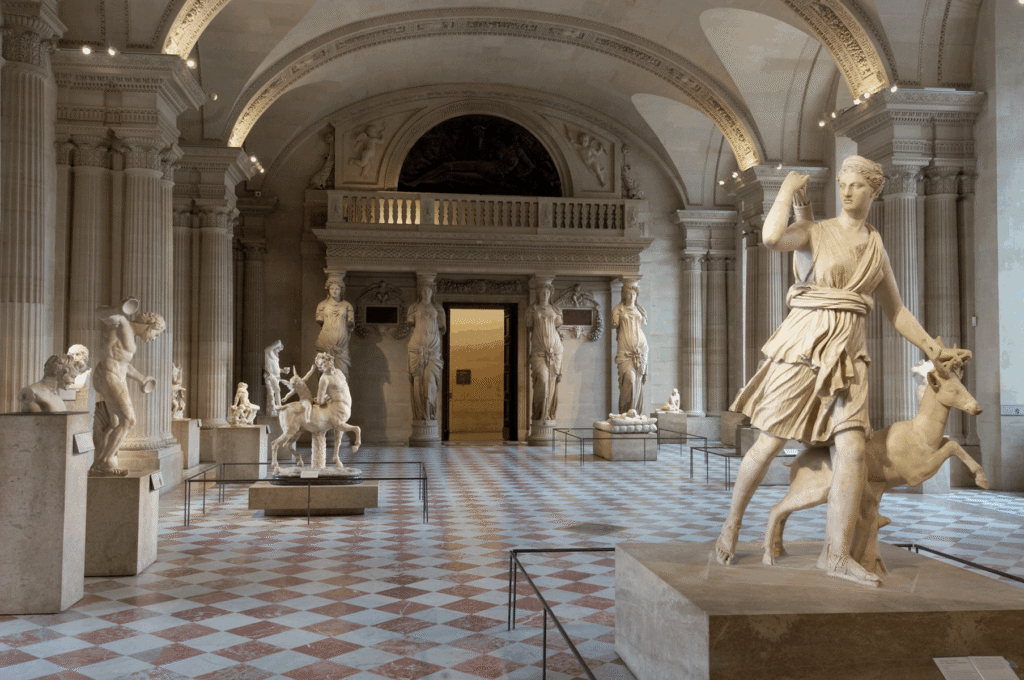
European art is deeply rooted in the civilizations of ancient Greece and Rome. The Greeks sculpted divine and idealized human forms from marble — Zeus, Athena — seeing “beauty” as a sacred order defined by proportion, harmony, and reason. The Parthenon friezes, Myron’s Discobolus, Polykleitos’s Canon of Proportions — all reflect a pursuit of “perfection” in aesthetics.
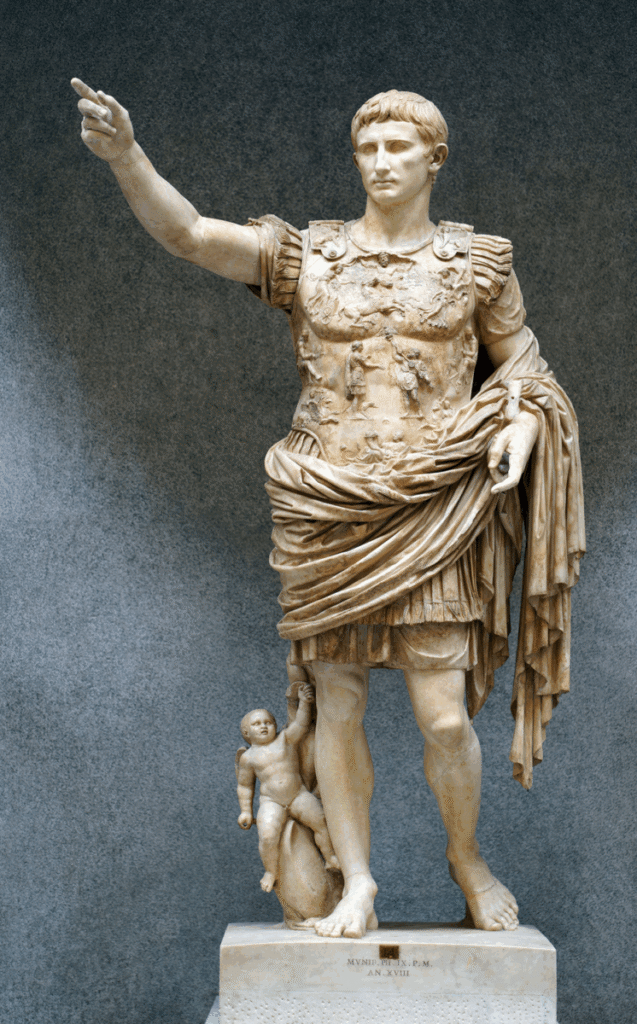
The Romans inherited these ideals but added realism. Their sculptures depicted not only gods but real individuals — wrinkles, expressions, fatigue — a shift from divine abstraction to human authenticity. Here, European art began its transition from divinity to humanity.
II. The Colors of Faith: The Light of the Middle Ages
In the Middle Ages, Christianity became the dominant belief system. Art was no longer in service of personal beauty but became a tool for religious expression and teaching. Gothic stained glass, altarpieces, and frescoes conveyed the spiritual world of the time. Works like Giotto’s Lamentation and the Beatus manuscripts prioritized symbolism and emotional resonance over realism.
Yet, even in this so-called “dark age,” artists continued to explore light and spatiality. Innovations in architecture — flying buttresses, pointed arches, domes — transformed churches into bridges between the earthly and the divine.
III. The Awakening of Humanism: The Splendor of the Renaissance
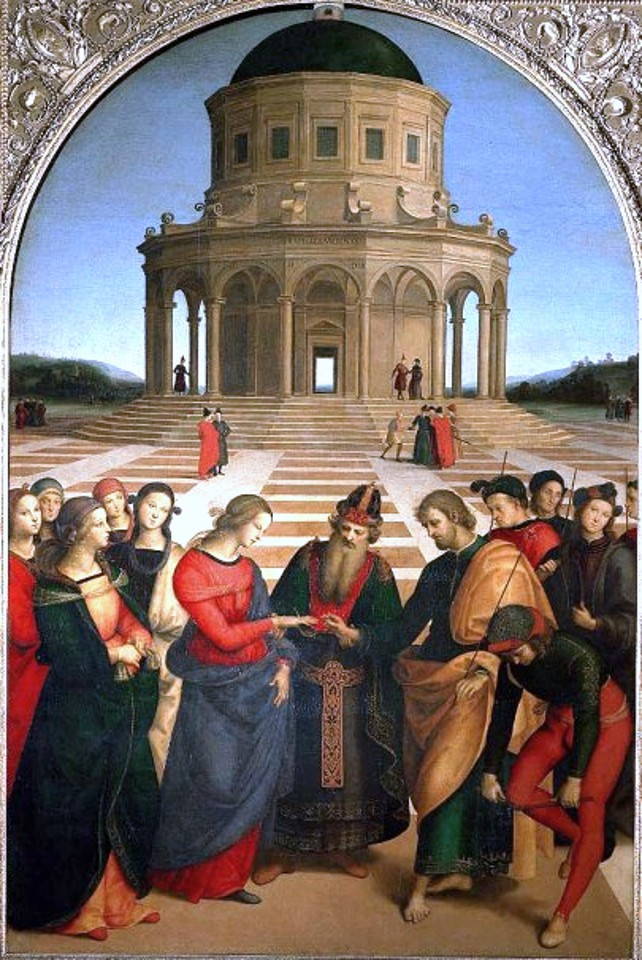
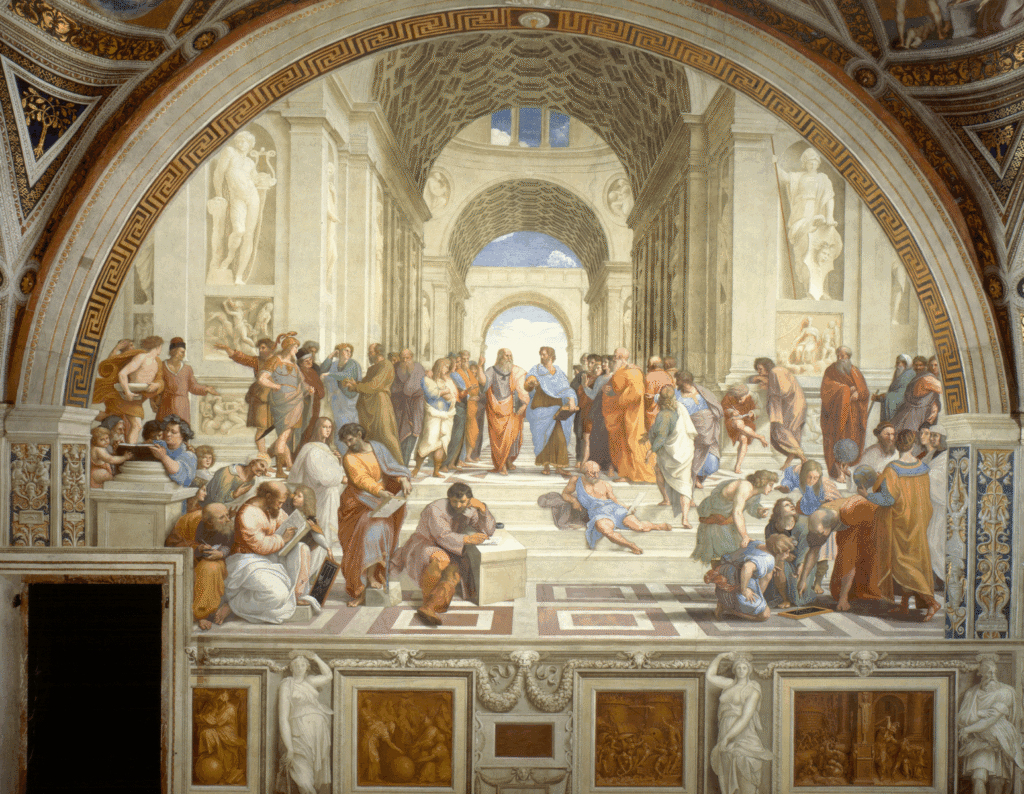
In 15th-century Italy, art bloomed anew in the Renaissance. This period marked not only a peak in technique but a philosophical shift — placing humans at the heart of artistic creation. Da Vinci’s Last Supper, Michelangelo’s David, Raphael’s School of Athens — while rooted in religious themes, also celebrated human intellect, dignity, and form.
The Renaissance saw breakthroughs in perspective, anatomy, and light. For the first time, “artists” became more than craftsmen — they were thinkers, creators, and individuals with unique voices.
IV. A Feast of Light and Shadow: Baroque and Rococo
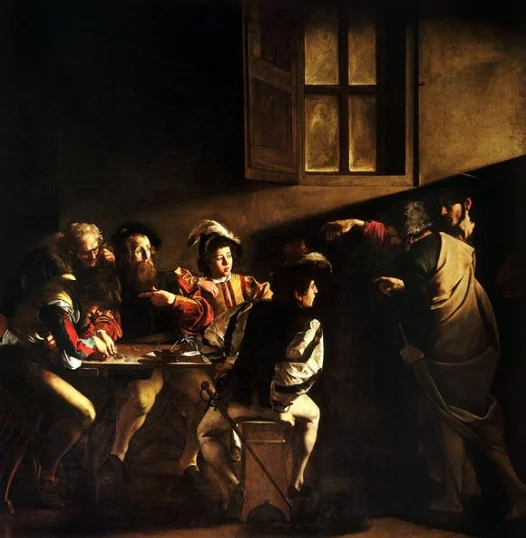
By the 17th century, Europe entered the Baroque era — a time of drama, movement, and emotional intensity. Caravaggio’s stark chiaroscuro, Rubens’s dynamic compositions, Bernini’s sculptures — like The Ecstasy of Saint Teresa — seemed to break through their frames, drawing viewers into the scene.
Then came Rococo — more delicate, secular, and decorative. It reflected the aristocracy’s indulgence in beauty and pleasure. Watteau and Boucher painted lush gardens, flirtatious deities, and dreamlike scenes of elegance.
V. Impressions and Revolutions: Modern Variations
In the late 19th century, amid the Industrial Revolution and societal upheaval, art once again shifted course. Impressionism abandoned rigid realism to capture fleeting moments and personal perceptions. Monet’s Impression, Sunrise, Renoir’s Dance at Le Moulin de la Galette — with their shimmering brushwork — caught the pulse of a changing world.
Then came modernism, breaking all bounds: Van Gogh unleashed emotional turbulence in The Starry Night; Picasso shattered perspective with Cubism; Dalí brought dreams into reality. European art no longer defined “beauty,” but asked: How do I see the world?
VI. A Gaze Across Time: The Contemporary Meaning of Art
Today, when we enter the Tate Modern in London, the Centre Pompidou in Paris, or the Hamburger Bahnhof in Berlin, we no longer merely see images or objects, but questions, provocations, and ideas. Antony Gormley turns steel into meditations on the body; Louise Bourgeois weaves spiderwebs of maternal fear and longing.
Contemporary European art has broken the boundaries of medium, form, and theme. It is no longer a passive object of “beauty,” but an active response to the world — to self, to society, to being.
Epilogue: Art is an Ongoing Invitation
European art is a series of cultural footnotes, a network of bridges linking past and present. When we gaze upon it, we are not only witnessing its subject, but re-discovering our own history, values, and existence.
Art is not the domain of elites or critics alone. It belongs to every soul willing to pause, to reflect, to feel. As Van Gogh once said, “Art is to console those who are broken by life.” In that moment, across centuries, a silent dialogue is born — between us and the artists who dared to dream.
Related Posts