In recent years, as Chinese antique ceramics have continued to attract attention in the international…

Pearls lost in the century
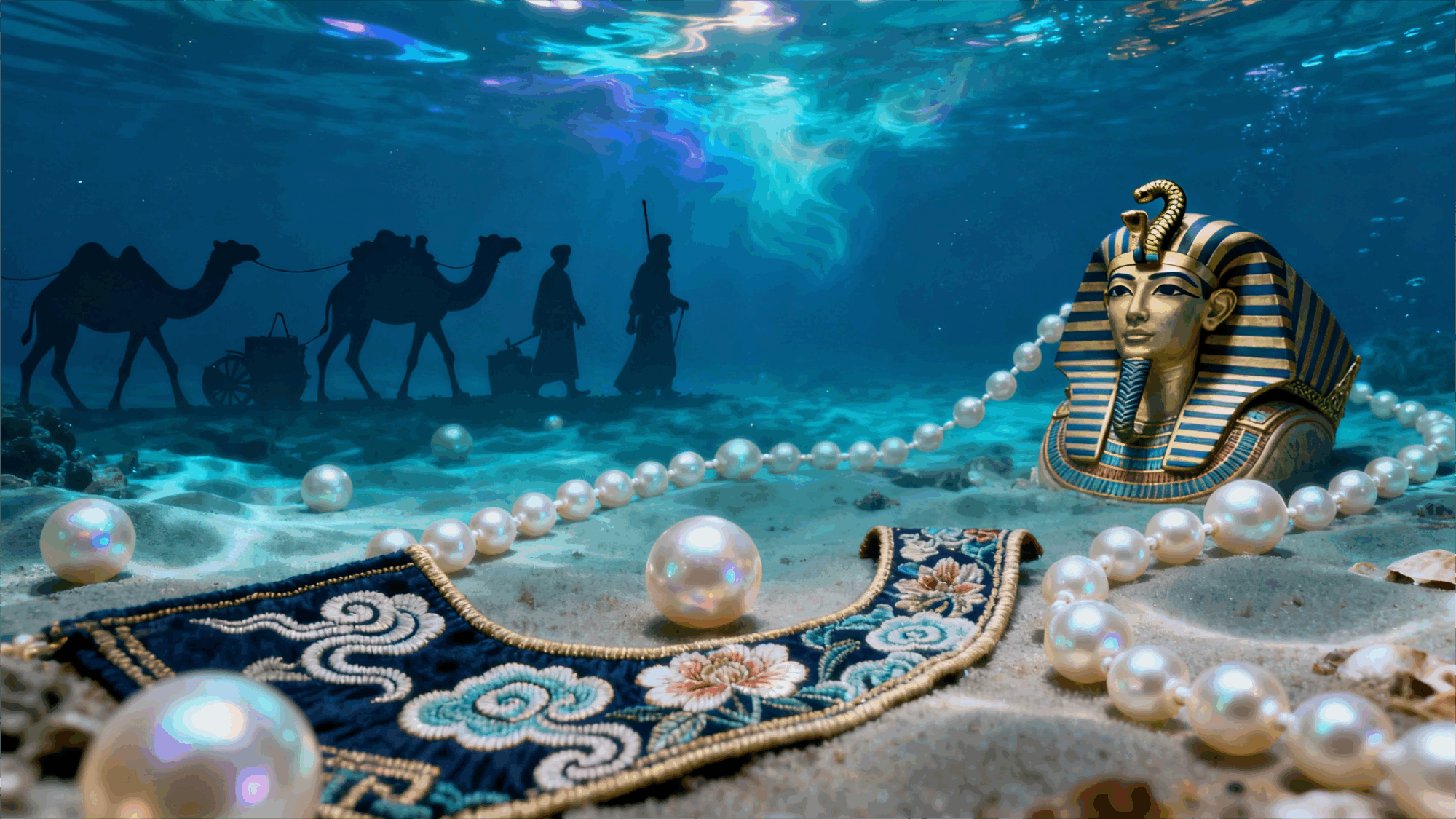
Pearls, from their very inception, have been imbued with a mythical aura.
In the East, they are “tears of the moon,” a gentle response from nature; in the West, they symbolize purity and eternity, cherished by royalty and faith. From the trade routes of ancient Persia to the fishing ports of the South China Sea, from the crowns of ancient Egypt to the garments of the Tang Dynasty, pearls have traversed countless civilizations, becoming a shared aesthetic language for humankind.
However, with the rise and fall of empires and the changing of faiths, those pearls that once shone with power and glory were left behind in the folds of history. They fell into the dust, sank to the bottom of the sea, or were stored in some forgotten box. Yet, even across a thousand years of silence, that soft luster still shimmers—proof that time cannot erase.
The Forgotten Light: The Fate of Art and Loneliness
What is lost is not merely jewels, but the echoes of hearts and minds.
In every era, there are souls who predate their time. Their works are too sincere, too avant-garde, too free, leading to misunderstanding and neglect. Only centuries later do people realize that their creations are the true mirror of their era.
Van Gogh, under the scorching sun of Arles, painted madness and faith; Caravaggio sculpted light with shadow, yet died amidst violence and exile; and in the East, many nameless craftsmen dedicated their lives to polishing a celadon bowl, a bronze lamp, never leaving their names.
They were all forgotten—but their works, like pearls, accumulate luster deep within the years.
Art is the most stubborn pearl in the human heart. It may be sealed away, but it never loses its brilliance.
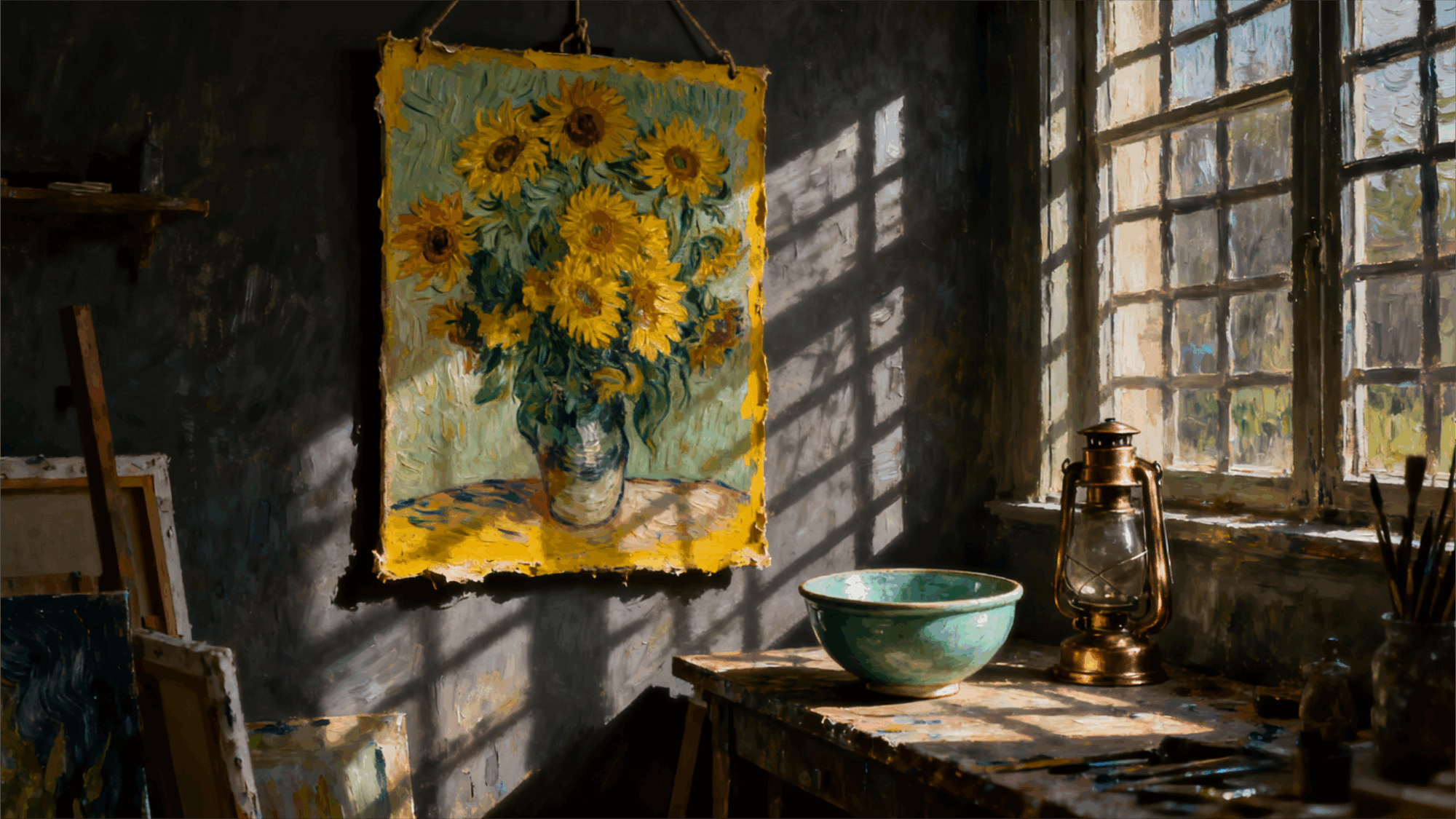
Truth Filtered by Time: Echoes of Civilization
Archaeologists unearth not only artifacts from the dust, but also echoes of civilization. Every shard of pottery, every inscription, every trace of handcraft is a “lost pearl.”
When we stand before the glass cases in museums, looking at the yellowed papers and fragmented sculptures, we see not just the “past,” but “humanity itself.”
As the Japanese aesthetic concept of “wabi-sabi” suggests: beauty is revealed in imperfection, and enduring in impermanence.
The value of a pearl lies not only in its flawless roundness, but also in the pain and hardship it once contained.
Every neglected culture, every marginalized story, is a sleeping pearl in the ocean of the human spirit. They may lack a dazzling shell, but they possess a gentle light that penetrates time.
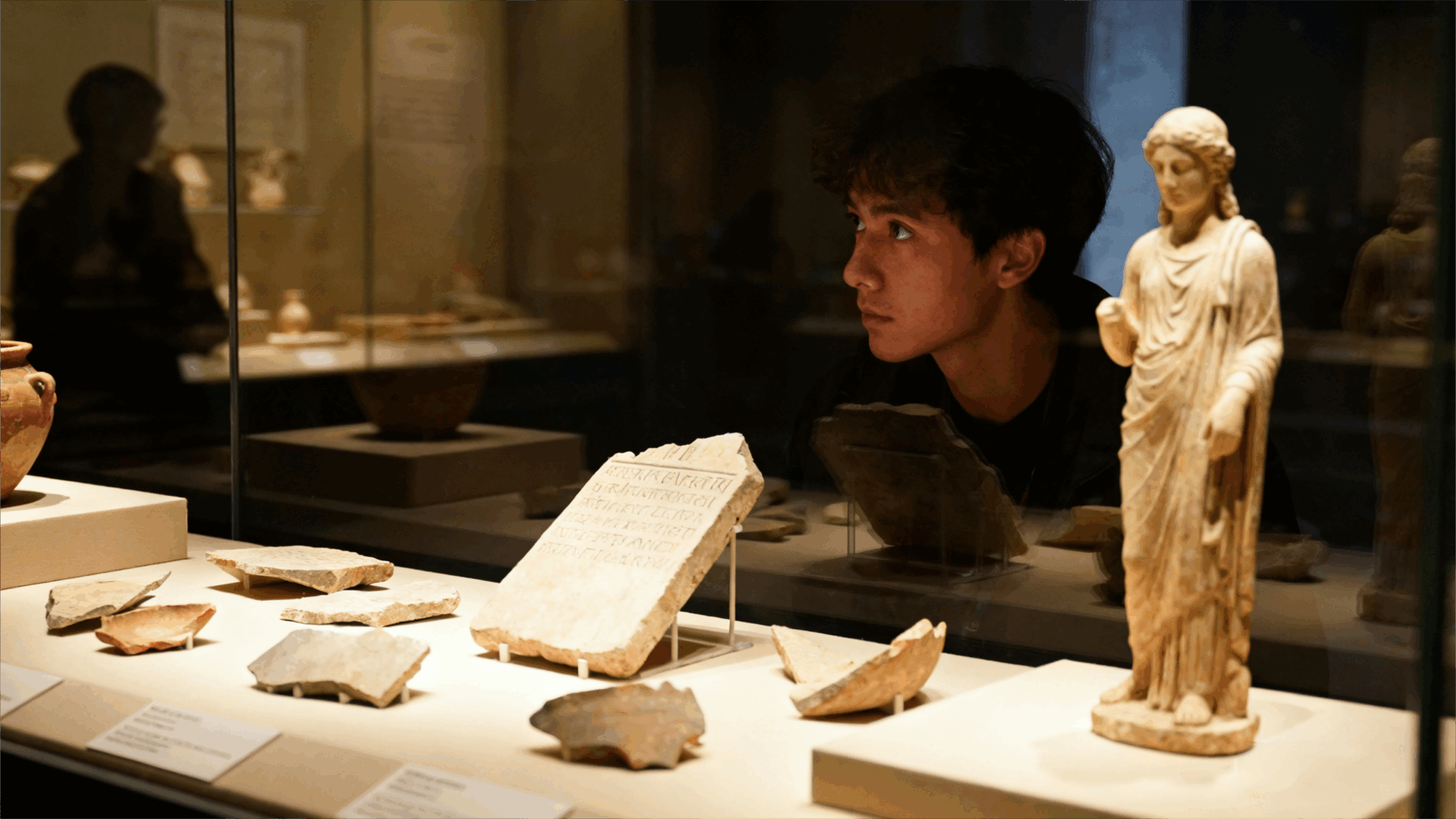
Rediscovering: Meaning in the Present
When we talk about “pearls lost to the century,” we are actually talking about “the power of rediscovery.”
The pace of modern society is dazzling; information, consumption, and trends constitute new waves. We often chase after the glitter before our eyes, forgetting the brilliance beneath our feet.
But those things that truly withstand the test of time never make a fuss. They exist silently—an old letter, a yellowed oil painting, an old melody, a restored bronze artifact—they remind us that history is not just the past, but a continuing warmth.
In the world of art and culture, rediscovering these lost pearls is to rediscover ourselves.
We are not simply looking back, but listening to time. Those faint yet resolute echoes come from the depths of civilization and from the most tender souls of humanity.
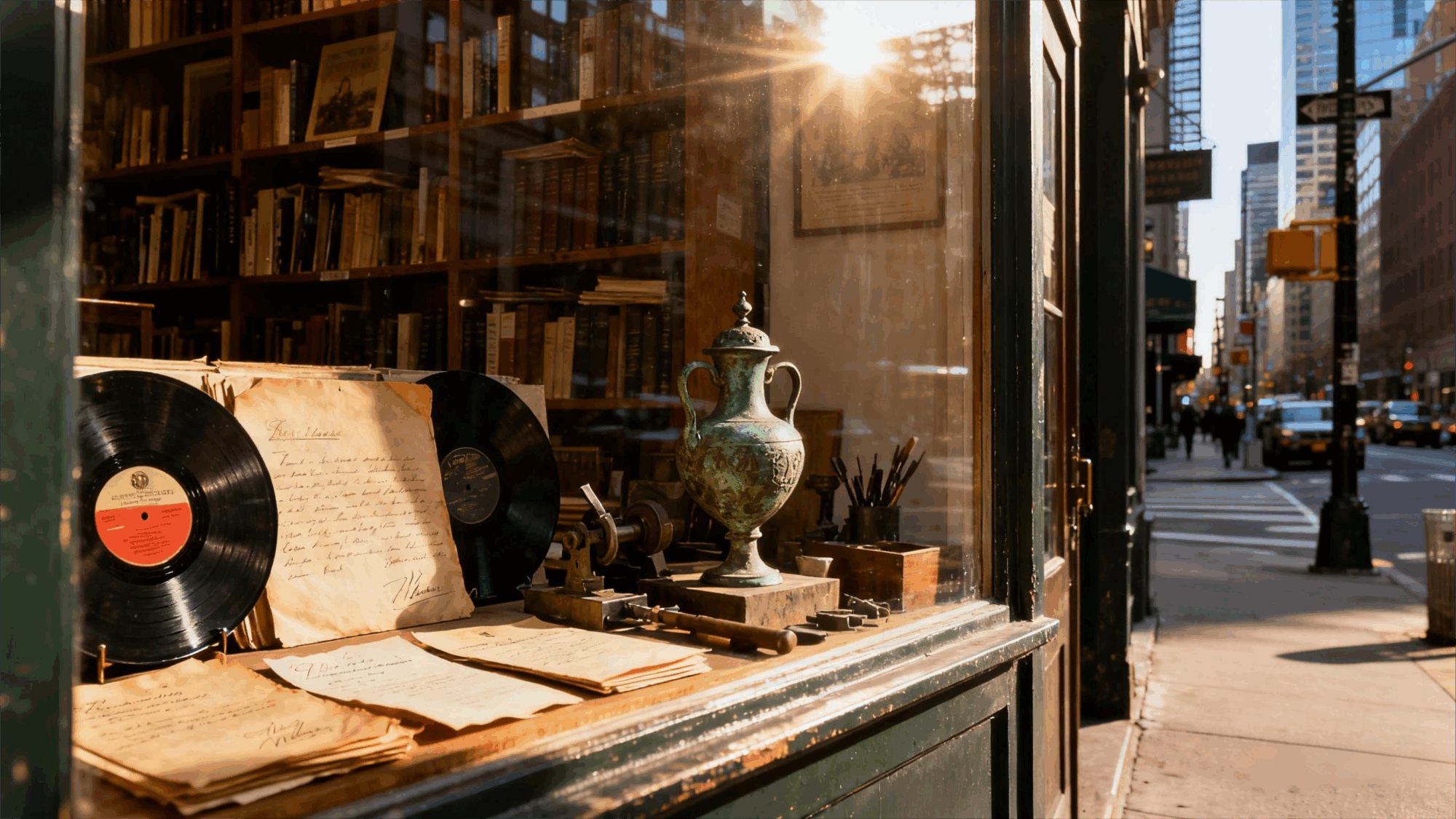
The Return of Light
Every era has its pearls—some cherished, some forgotten.
But light does not sleep forever. It simply awaits the right gaze.
When you gaze upon an ancient artifact, a cracked painting, a string of faded pearls, remember:
They are not merely relics of the past, but testimonies bestowed upon you by time.
They remind us—true beauty lies not in fleeting moments of popularity, but in its enduring brilliance even after being forgotten.
Those pearls lost to the centuries,
will ultimately be rediscovered in the light of human memory.
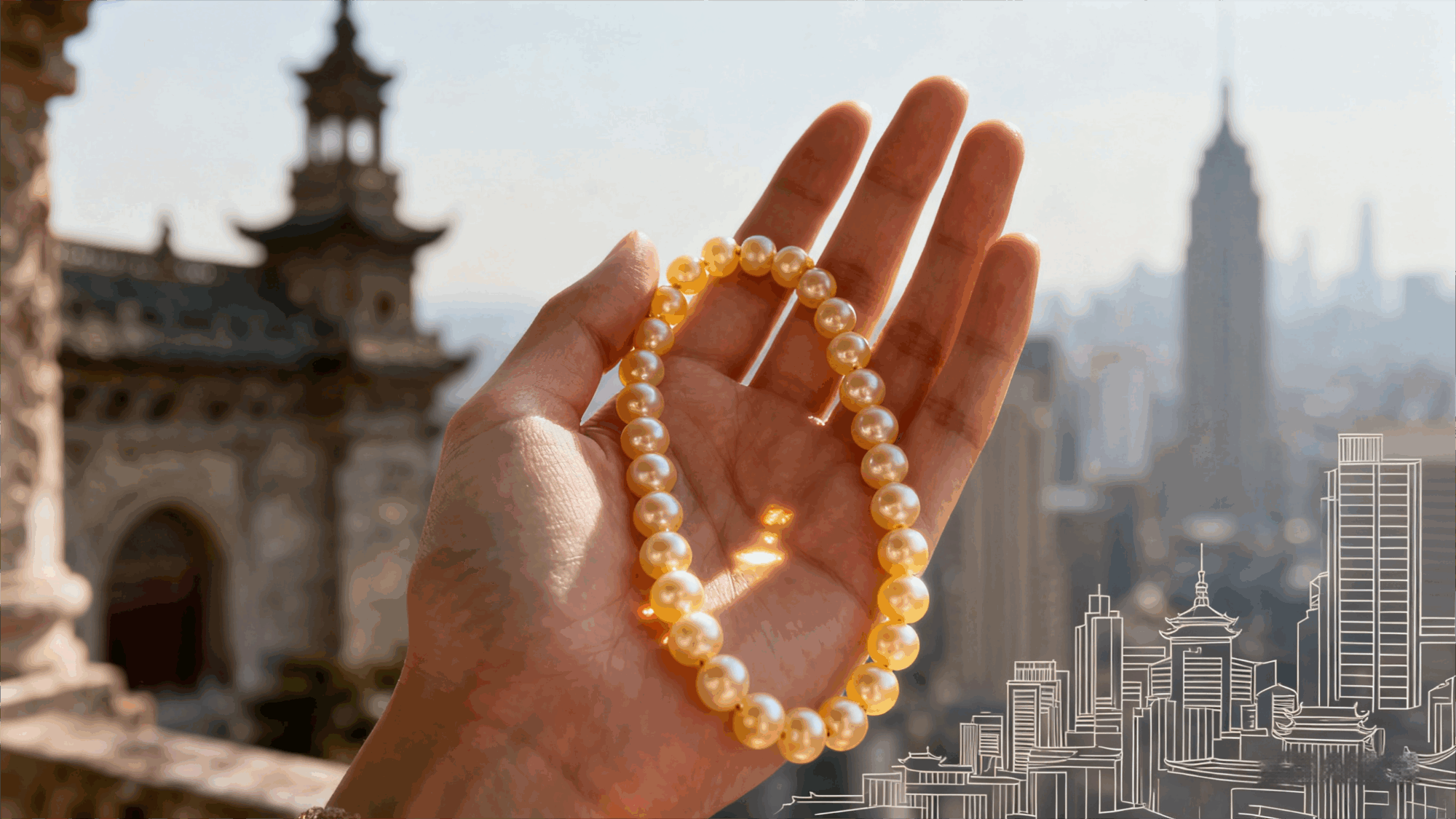
In the vast river of time, history is never in a hurry to tell its story. It silently buries everything beneath layers of sand, leaving only fragments illuminated by chance, shimmering with traces of the past. Those stories concealed by time are like pearls sleeping in the deep sea—they have never truly disappeared, but are simply waiting to be rediscovered and reinterpreted.
Related Posts