In recent years, as Chinese antique ceramics have continued to attract attention in the international…
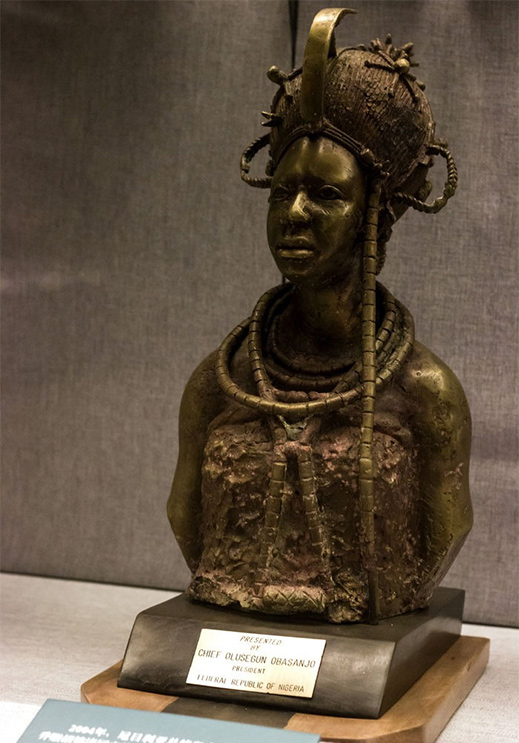
Spirit and the World in African Sculpture
In African sculptures, the images carved from wood, bronze or stone are far from being simple decorations. Instead, they carry profound spiritual connotations and serve as a medium connecting the visible and invisible worlds. With their unique shapes and power, they show us a world where matter and spirit are intertwined and interpenetrate each other.
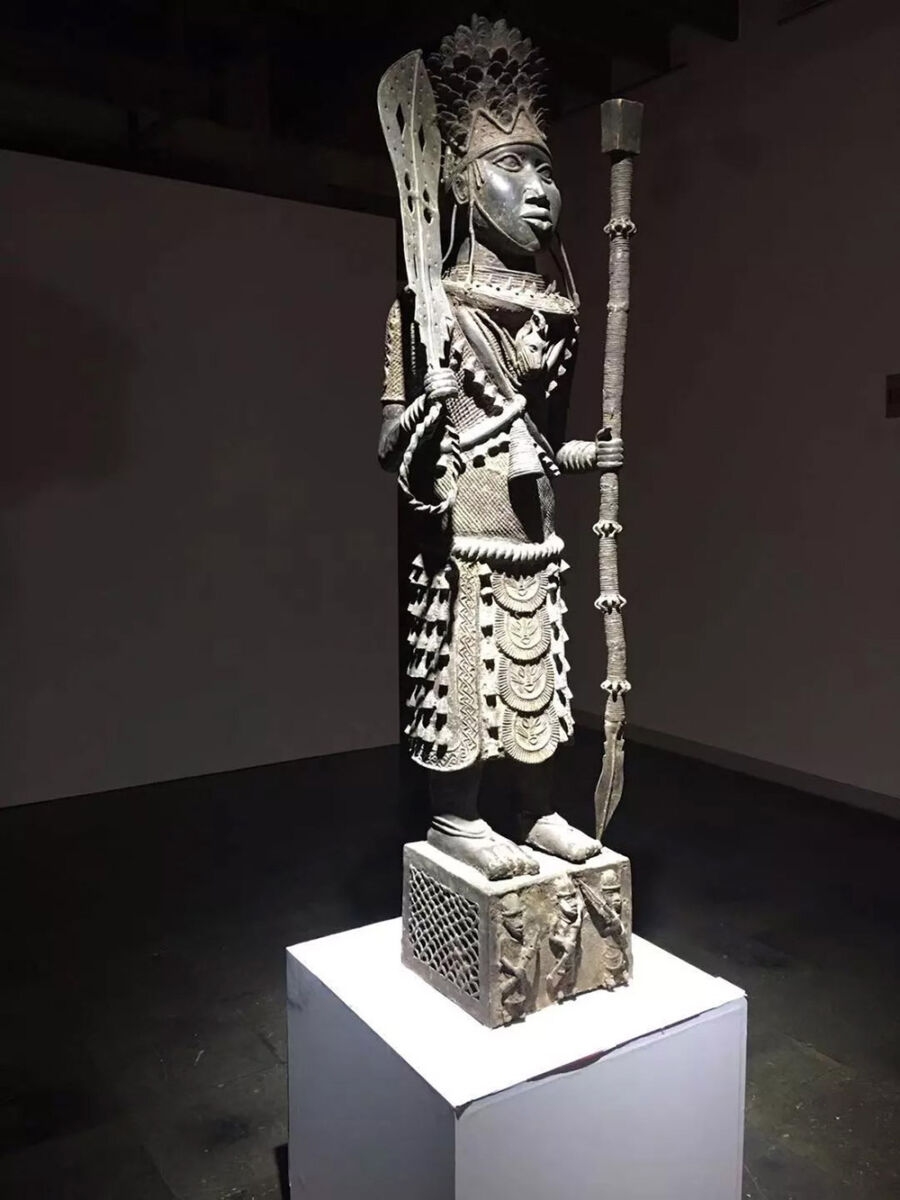
In traditional African concepts, sculptures are often seen as bridges connecting ancestors, gods and natural forces. Many African sculptures, particularly masks and ancestral statues used in specific rituals, are considered temporary residences of ancestors or spirits. For example, the Nkisi power statues of the Songye people of Central Africa, after being “activated” by priests’ rituals, are believed to be able to ward off evil spirits and protect the village. Each nail driven into the statue or filling material filled by the priests represents a specific request or agreement, transforming the static sculpture into a “vessel” for the community’s wishes. The images of sculptures often transcend personal emotional expression. For example, the bronze head of King Ooni of the Ife culture has a face that expresses softness, elegance, and calmness. This tranquility is not empty. In the Yoruba people’s concept, it embodies the belief that “quality is beauty”, that is, a peaceful and gentle character is the ideal form of the human spirit and can promote social harmony and order.
The shape of African sculptures is often a miniature universe, reflecting people’s understanding of the structure of the world. The structure of the Kanaga mask of the Dogon people in Mali, West Africa, is interpreted as a symbol of the unity of heaven and earth: the upper horizontal bar represents the sky, the lower horizontal bar represents the earth, and the vertical bar in the middle represents the force that connects heaven and earth and promotes their unity. This is related to the Dogon people’s belief in the “Nomu”, their ancestor of Sirius. The shape of the mask may carry their imagination of the universe.
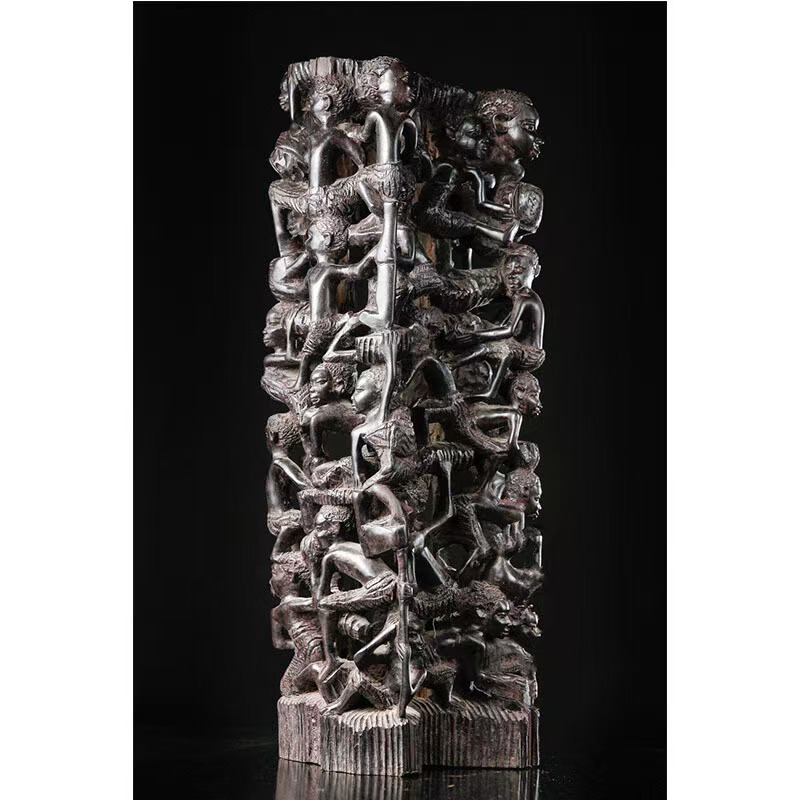
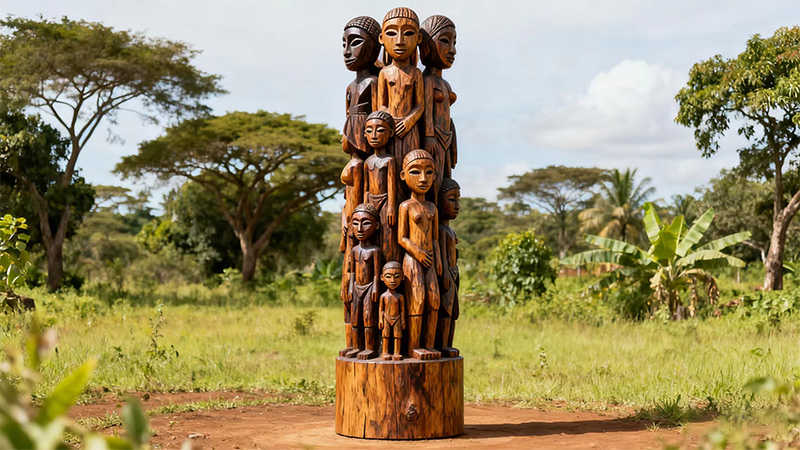
The famous Ujamaa (Tree of Life) sculptures of the Makonde people of East Africa, with their complex three-dimensional stacked figures, vividly express the close unity of family and community, the interdependence of bloodlines, and the spirit of mutual assistance and cooperation. This art form, in the anti-colonial struggles of Tanzania and Mozambique, has been imbued with symbolic significance for national independence and freedom.
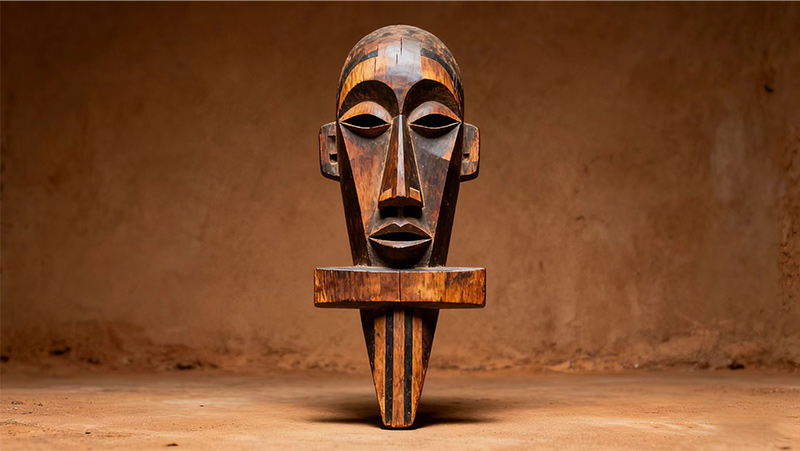
The unique artistic language of African sculpture is the key to expressing its spiritual connotation. They often break with pure visual realism and use exaggeration, abstraction and geometric processing to express the vitality or spiritual power hidden behind the image that can bring real impact to the tribe. The choice of sculptural materials is often imbued with profound meaning, profoundly revealing a universe where the spirit and the world blend with each other. There, a piece of wood or a bronze statue is not only a work of art, but also a container of spirituality, a model of the universe and a concentration of life energy, inviting us to rethink the relationship between matter and spirit, art and faith.
Related Posts