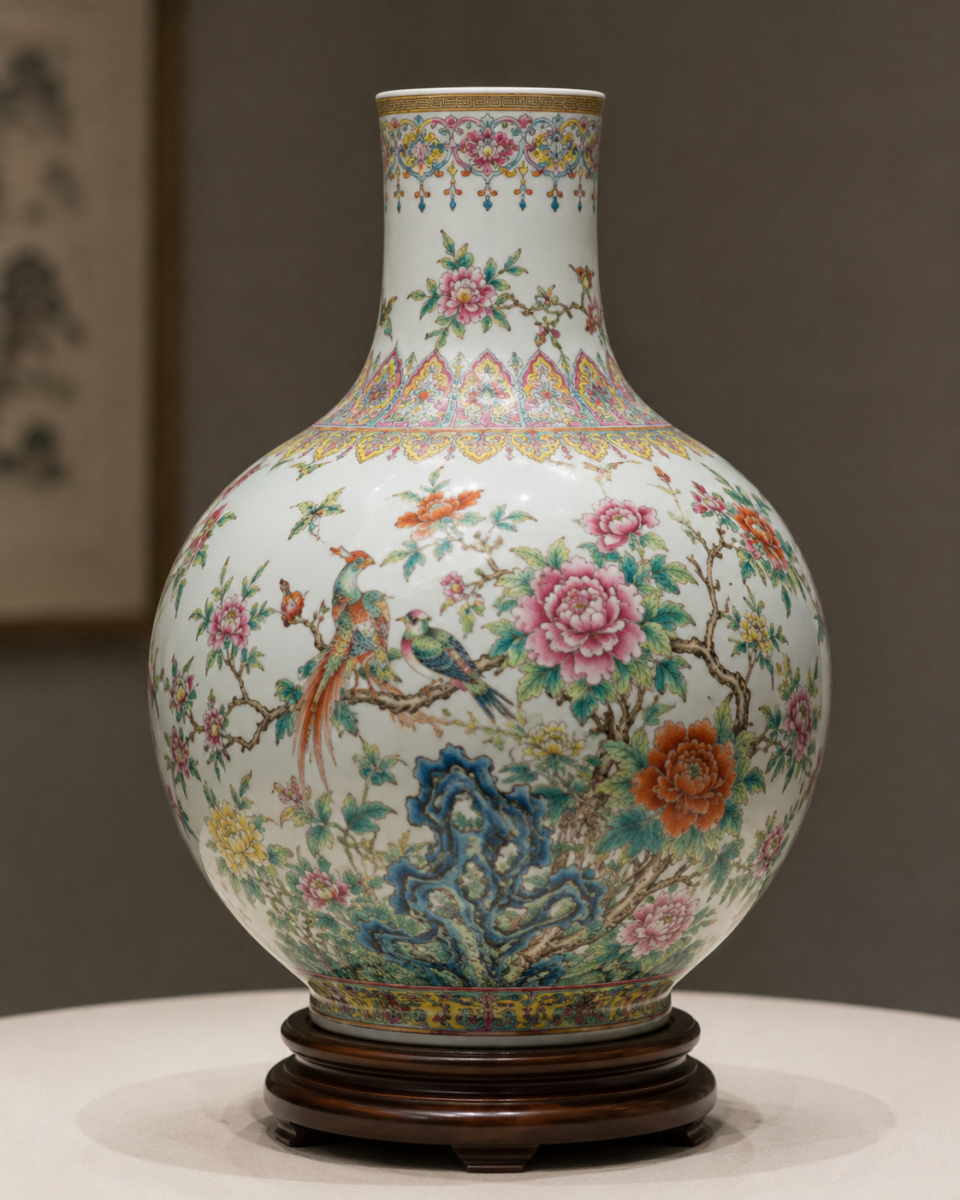
In recent years, as Chinese antique ceramics have continued to attract attention in the international…
French Collections: From the Royal Treasures of Versailles to the Romantic Frenzy of Street Art。
When it comes to collecting, France seems to come with an inherent “artistic filter” — it can define the pinnacle of classical aesthetics with the *Mona Lisa* at the Louvre, and also establish Picasso’s Cubist works as a benchmark for modern art; it is obsessed with the luxurious jewelry of the royal era, yet also willing to open dedicated exhibition halls for street graffiti. Today, let’s step into the world of French collections and see how this country, which has woven “romance and rationality,” “classicism and rebellion” into its very bones, has collected a flowing history of world art.
I. The “Heritage Code” of Royal Collections: The Magnificent Transformation from Versailles to the Louvre
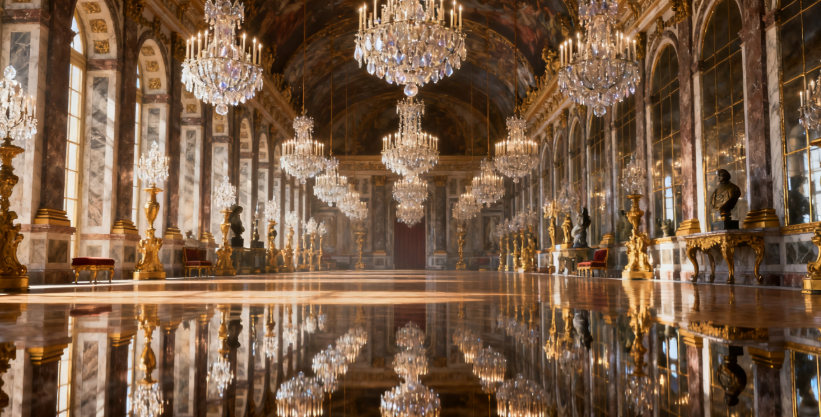
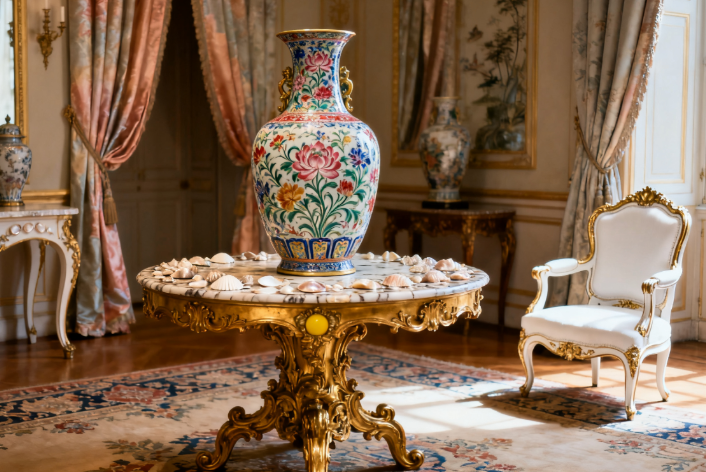
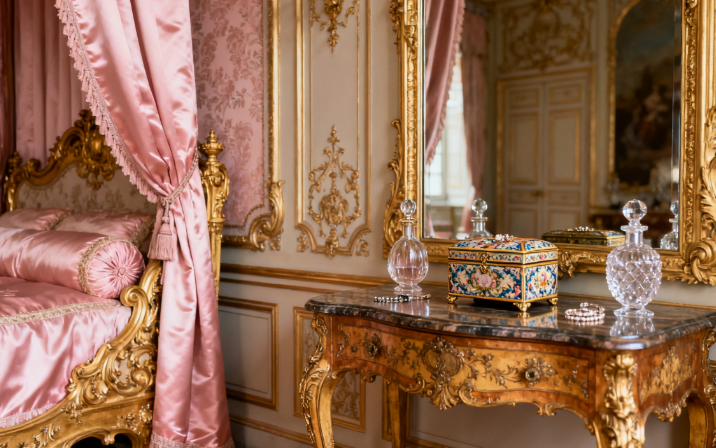
The starting point of French collections is inseparable from the “caprice of the royal family.” During the reign of Louis XIV, the “Sun King,” he not only transformed the Palace of Versailles into Europe’s most luxurious palace but also frantically collected artistic treasures from across the continent: paintings by the three great masters of the Italian Renaissance, precious Turkish carpets, Oriental porcelain ornaments, and gilded furniture crafted by local artisans — royal collections at that time were a dual display of power and aesthetic taste.However, it was the earth-shattering turning point after the French Revolution that truly “breathed life” into these treasures. In 1793, the Louvre, once exclusively for royal enjoyment, officially opened to the public, and the royal collection was reborn as “a cultural heritage shared by all.” Today, when entering the Louvre, the *Winged Victory of Samothrace* sculpture that once hung in the king’s bedroom and the enamel jewelry box that sat on the queen’s dressing table are no longer symbols of privilege, but artistic gems that every ordinary person can stop to admire.Even more admirable is France’s wisdom in “activating” royal heritage: the Palace of Versailles not only preserves Louis XVI’s bedroom and the crystal chandeliers of the Hall of Mirrors in their original state but also regularly holds immersive court ball reenactments; in the “Chinese Pavilion” of the Palace of Fontainebleau, enameled porcelain and cloisonné ornaments from the Qianlong period coexist harmoniously with French Rococo furniture — this is not merely collecting, but clearly brewing history into tangible romance.
II. “Frenetically Innovative” Collectors: Turning Modern Art from “Heresy” to “Classic”
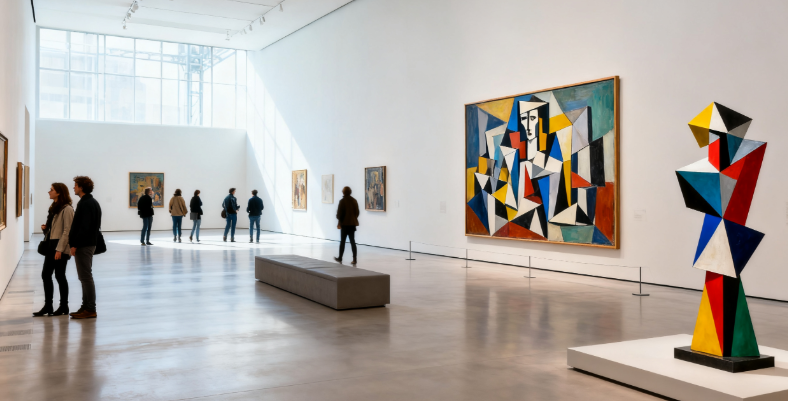
If royal collections represent France’s “classical genes,” then 20th-century private collectors wrote the “rebellious chapter” of French collecting. When Picasso, Matisse, and others were still mocked as “madmen” by the mainstream art world, French collectors dared to stand behind them with real money.
The most typical example is the American writer Gertrude Stein — in her Parisian salon, she not only collected Picasso’s early work *Les Demoiselles d’Avignon* (a painting once dismissed as “a pile of broken tiles” that later became the cornerstone of Cubism) but also adorned her living room with works by Matisse and Cézanne, turning her apartment into a “secret stronghold” of modern art. The French collector Paul Guillaume went even further: despite being accused of “not understanding art,” he collected hundreds of African masks in one go, and these “primitive artworks” later directly inspired Picasso’s creations.
It was this collecting vision of “valuing talent over fame” that turned Paris into an “incubator” for modern art. Today, the distorted sculptures and abstract canvases in the Centre Pompidou were all treasures that collectors defended “against all odds” back then — the romance of French collecting has never been about clinging to tradition, but about daring to bet on “future classics.”
III. Beyond “High Art”: Bringing Street Graffiti and Movie Posters into Art Museums
What makes French collections most stunning is their inclusive attitude of “not judging by origin.” While other countries still regarded street art as “vandalism,” France had already welcomed graffiti into the halls of art museums.
Paris’ “Museum of Urban Art” (Le MUR) is a magical place: it has no walls, as its exterior serves as a canvas for artists — from Banksy’s politically satirical graffiti to the pixel-style mosaic works by local artist Invader, it is “updated” every few weeks, attracting street art enthusiasts from around the world to visit. The Centre Pompidou goes even further by opening a dedicated “Popular Culture Collection Area,” which houses 1920s movie posters, 1950s record covers, and even 1980s skateboard designs — in the eyes of French collectors, “art has no hierarchy; as long as it touches people’s hearts, it is a treasure worth collecting.”
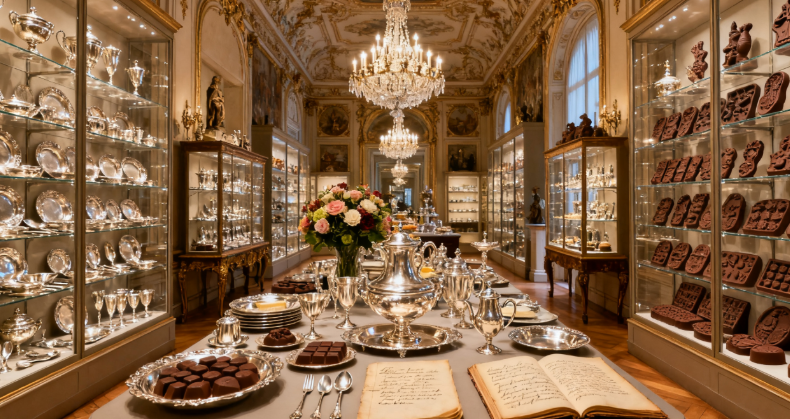
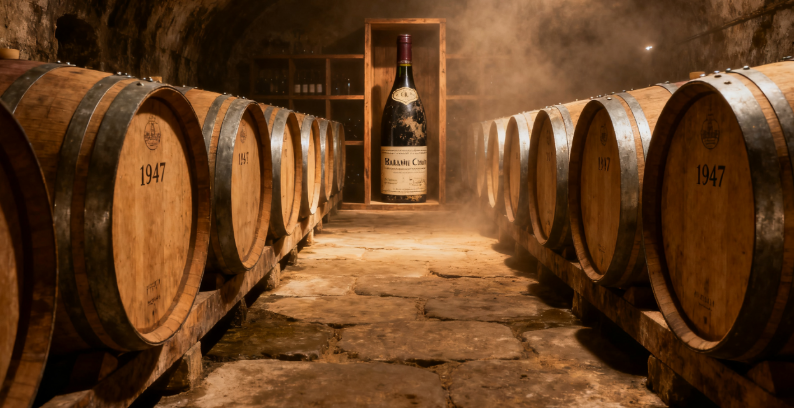
Even something as “down-to-earth” as food can be turned into a collecting art in France: Paris’ “Food Museum” houses silver tableware from the reign of Louis XV, 19th-century chocolate molds, and even a handwritten recipe book recording the secrets of Napoleon’s royal chef; in Burgundy’s wineries, collectors treasure the 1947 Romanée-Conti wine as “liquid cultural relics,” with a single bottle fetching hundreds of thousands of euros — it turns out that romantic French people can even turn “eating” into an art of collecting.
IV. The “French Romance” of Collecting: Not Possession, but “Letting Art Flow”
Anyone who has visited French museums will be touched by one detail: collections here are never “locked away on high shelves.” The Louvre sends high-resolution reproductions of the *Mona Lisa* to primary and secondary schools, allowing children to copy them by hand; the Musée d’Orsay turns digital versions of Impressionist paintings into subway posters, letting commuters “stumble upon art”; even private collectors love hosting “open salons” — every weekend, some collector turns their apartment into a temporary exhibition hall, inviting strangers to chat about Picasso over coffee.
This “flowing concept of collecting” reached its peak during the pandemic: major French museums jointly launched “online collection tours,” allowing viewers to examine the brushwork details of Monet’s *Water Lilies* in 360 degrees; street artists brought the “inspiration” of collecting to community walls, injecting vitality into the locked-down city with graffiti. In the eyes of the French, “collecting is not about locking treasures in a safe, but about letting art nourish every ordinary person’s life like the water of the Seine.”
Final Thoughts: Collecting is a “Life Instinct” for the French
French collecting has never been a “luxury game” for a few, but a way of life etched into their bones — from the grandeur of royal collections to the rebellion of street art; from the rigor of classical paintings to the down-to-earth charm of food and wine, the French use collecting to prove that art is never an unattainable myth, but a romance that can be integrated into daily life.
If you ever go to France, don’t just fix your eyes on the Louvre’s three iconic treasures — why not visit small galleries in the Marais district to see works by young artists, rummage for a decades-old movie poster at a flea market, or look for a handwritten old recipe book at a bookstall along the Seine? Perhaps there, you can understand the most touching secret of French collecting: it’s not about how many treasures you own, but about always maintaining curiosity and love for “beauty.”
Related Posts