In recent years, as Chinese antique ceramics have continued to attract attention in the international…
The mysterious charm and depth of Egyptian culture
When we gaze upon an antique from Egypt—perhaps an amulet inscribed with hieroglyphs, a majestic statue of a deity, or a fragment of papyrus reeking of vibrant color—we feel as if we’ve journeyed back through thousands of years, engaging in a dialogue across time and space with the artisans, pharaohs, and common people of ancient Egypt. Egyptian antiques are not only witnesses to history but also the most direct reflections of the ancient Egyptians’ spiritual world, wisdom, and artistic aesthetics. Today, let us journey into the world of Egyptian antiques and uncover the cultural codes and legendary stories hidden within them.
Pharaonic Period (3100-332 BC): The Interweaving of Divinity and Power
This period marked the peak of Egyptian antique culture. Antiques were primarily associated with religious ceremonies and the pharaohs’ tombs, imbued with a pursuit of “eternal life” and a worship of divinity.
Funerary Items: Equipment for the Afterlife
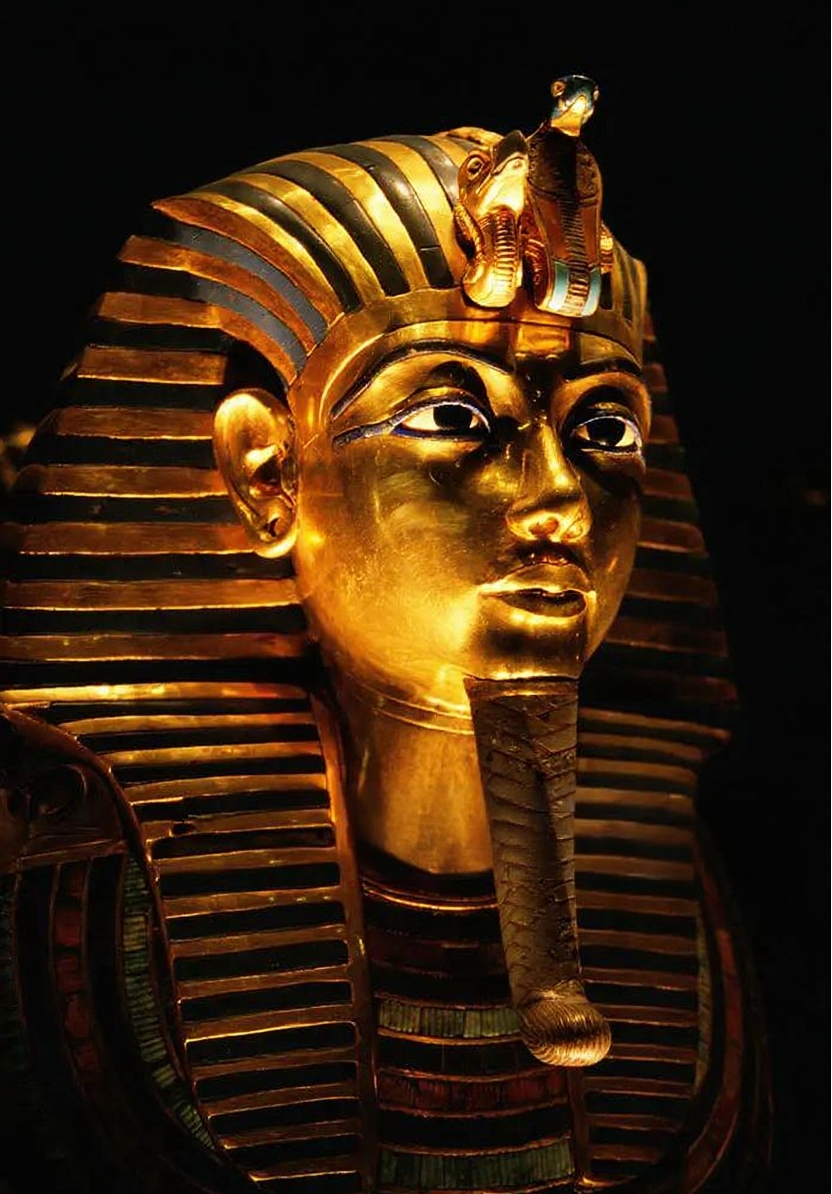
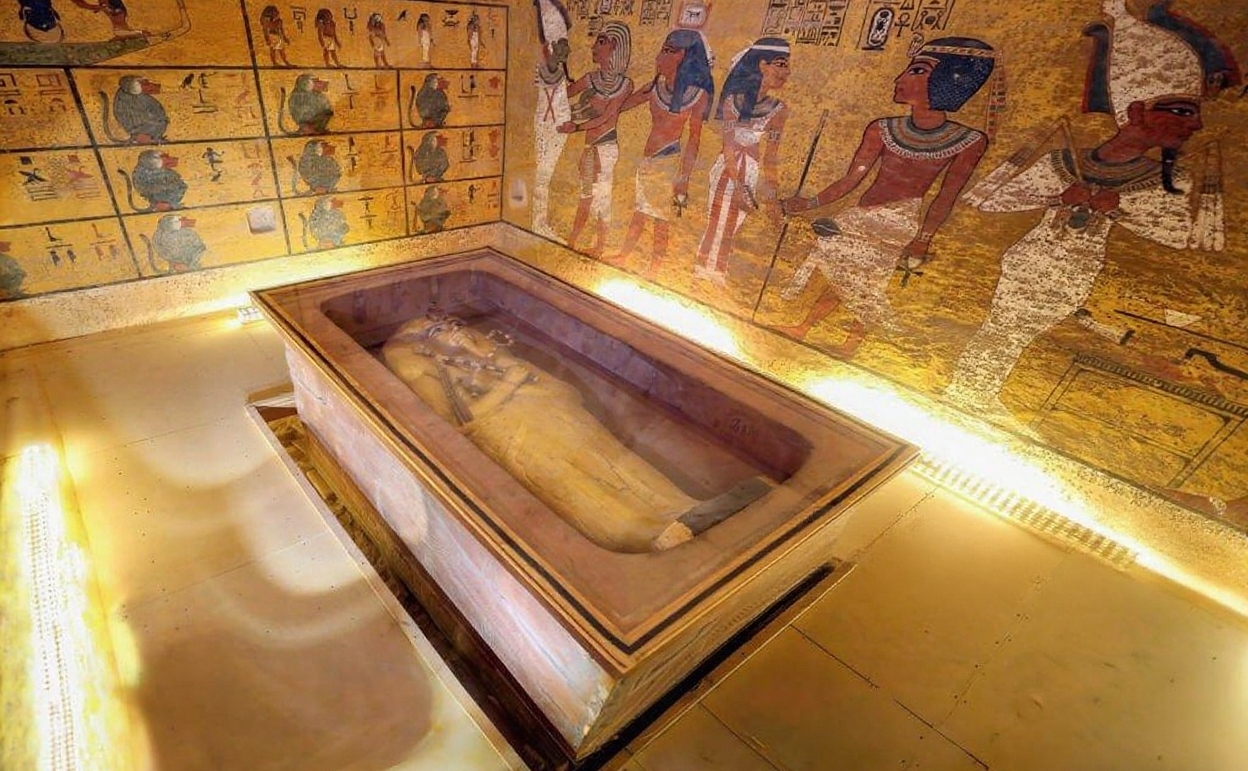
The ancient Egyptians believed in the immortality of the soul and the afterlife. Consequently, they prepared a large number of funerary artifacts for the deceased. Among these, mummy masks are among the most representative artifacts. The famous golden mask of Tutankhamun, crafted from pure gold and inlaid with glass and semi-precious stones, depicts the pharaoh with his eyes slightly closed and a solemn expression, reflecting both his noble status and the ancient Egyptians’ aspirations for the afterlife. In addition to masks, the papyrus Book of the Dead, inscribed in hieroglyphics, is also a significant funerary artifact. Its hieroglyphic inscriptions contain prayers and incantations designed to help the deceased navigate various trials in the afterlife and achieve eternal life. In addition, tombs often contain Shabti figurines. These small figurines, typically made of wood, stone, or clay, often depict civilians holding tools with their arms crossed. The ancient Egyptians believed they would perform manual labor on behalf of the deceased in the afterlife.
Statues of Deities: The Manifestation of Faith
The ancient Egyptians worshipped numerous deities, leaving behind a vast number of statues. For example, statues of Horus, the ancient Egyptian god of the sky, often depicted with a falcon’s head and a human body. These statues are often crafted from granite or bronze, with intricately carved eagle heads and piercing eyes, symbolizing power and protection. Statues of Isis, on the other hand, are primarily gentle female figures, a symbol of life and motherhood. These statues often hold the ankh, a symbol of life, in an elegant pose imbued with a sense of compassion. These statues are not only instruments of religious worship but also treasures of ancient Egyptian art.
Greco-Roman Period (332 BC – 641 AD): A Sign of Cultural Fusion
After Alexander the Great’s conquest of Egypt, Greek and Roman cultures gradually merged with Egyptian culture, resulting in antiques from this period exhibiting a unique blend of East and West.
Ptolemaic Antiques: “Hybrid” Antiquities
During the Ptolemaic period, Egyptian artisans began to incorporate Greek artistic styles, incorporating realistic Greek sculpture techniques into the facial contours and drapery of statues. However, their subject matter remained primarily Egyptian deities. For example, the statue of Harpocrates (a Hellenized version of Horus) no longer depicts a simple falcon-headed human figure, but rather a child holding a lotus flower. This depiction retains the symbolism of Egyptian deities while also incorporating the graceful beauty of Greek sculpture.
Coins from this period are also a significant antique. Coins often feature the heads of Greek kings, while the reverse depicts Egyptian deities or scenes of the Nile River, providing direct evidence of the fusion of the two cultures.
Classic Egyptian Antiques: From Metalwork to Jewelry, Each Piece is a “Masterpiece of Time.”
Egyptian antiques are made of a rich variety of materials and boast exquisite craftsmanship. Different categories of antiques possess unique craftsmanship and cultural connotations.
Metalware: An Enduring “Golden Memories”
The ancient Egyptians mastered advanced metal smelting techniques. Gold, silver, and copper were the primary materials used to craft metal antiques. Gold, symbolizing eternity, was widely used in pharaohs’ tombs and as a sacrificial offering.
Gold Artifacts: A Symbol of Power and Eternal Life
In addition to Tutankhamun’s golden mask, ancient Egypt possesses many other exquisite gold artifacts. For example, a golden scepter, carved with reliefs depicting the pharaoh interacting with the gods and topped with gemstones, symbolizes the pharaoh’s power. Other items include golden jewelry boxes, decorated with unique Egyptian motifs such as lotus flowers and papyrus, used to store the pharaoh’s jewelry and offerings. These jewelry boxes are exquisitely crafted. Notably, the ancient Egyptians also practiced “gilding” on metal surfaces. This method involved applying thin sheets of gold to copper or wood to reduce costs while creating the illusion of gold. This technique was considered “black technology” at the time.
Bronze Statues: A Vehicle of Daily Worship
Due to its high hardness and ease of shaping, bronze was widely used to craft small and medium-sized statues of deities for worship in the homes of commoners and nobles alike. These bronze statues were mostly solid, with polished or carved surfaces, some even inlaid with glass or stone for added detail. For example, a statue of the goddess Bastet (the ancient Egyptian cat goddess) features a human body and a cat’s head, depicting an elegant posture. Over time, the bronze surface develops a distinctive patina, further enhancing its ancient and profound aura.
Jewelry: Decorative and Religious Meanings
In ancient Egypt, jewelry was not only decorative but also believed to have amulet-like properties, bringing protection and good luck to the wearer.
Amulets: Lucky Charms Inscribed with Mantras
Amulet-shaped amulets were the most common type of jewelry found in Ancient Egypt. Their designs varied, often inspired by deities, animals, or symbols, such as the ankh (a symbol of life), the Eye of Horus (a symbol of protection), and the scarab (a symbol of rebirth). The scarab amulet, depicting a dung beetle, was the most iconic. The ancient Egyptians believed that the dung beetle’s pushing of a dung ball symbolized the movement of the sun and the rebirth of life, and therefore considered it an auspicious symbol. Many scarab amulets were made of semi-precious stones, such as turquoise and agate, and were inscribed with hieroglyphic mantras. Wearing them symbolized rebirth and protection.
Related Posts