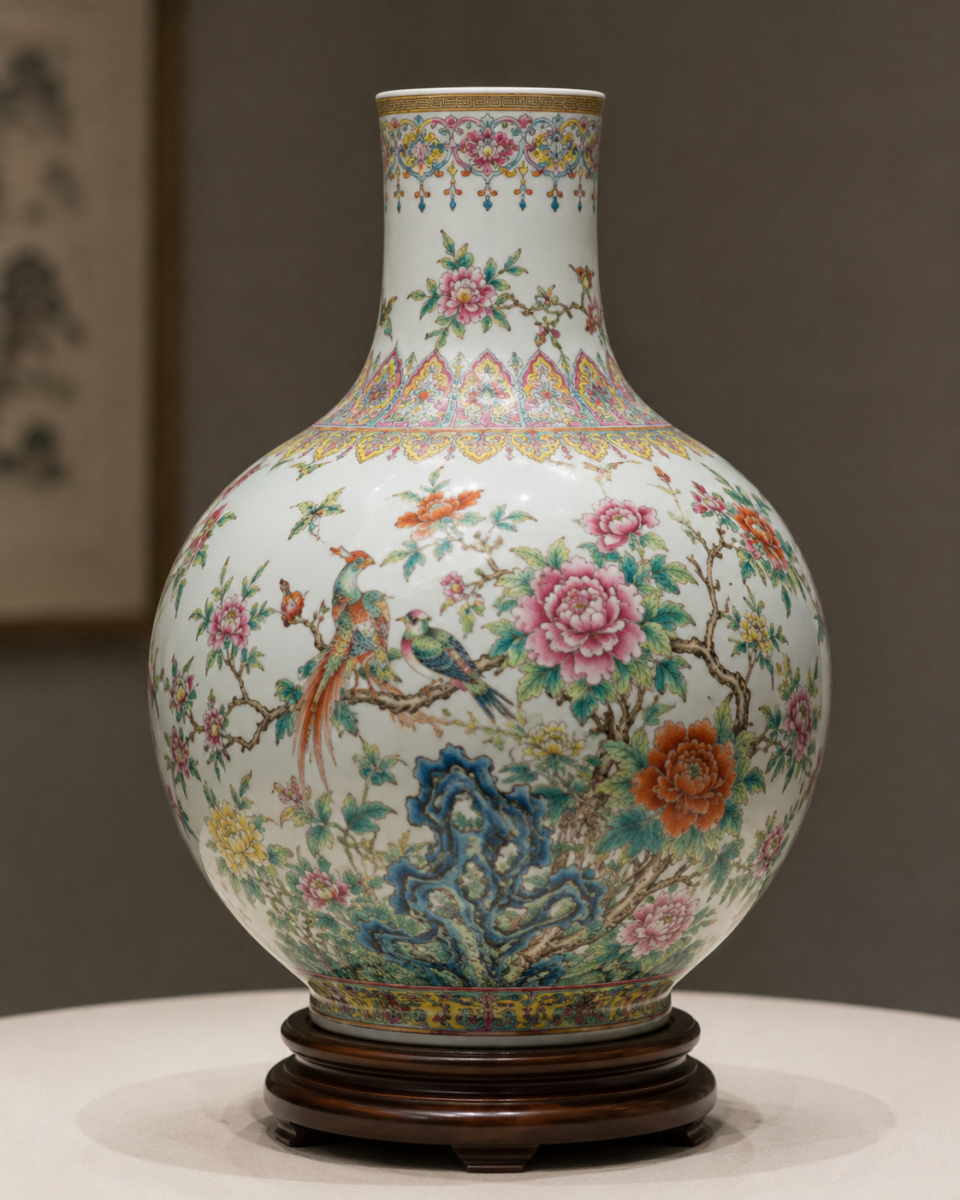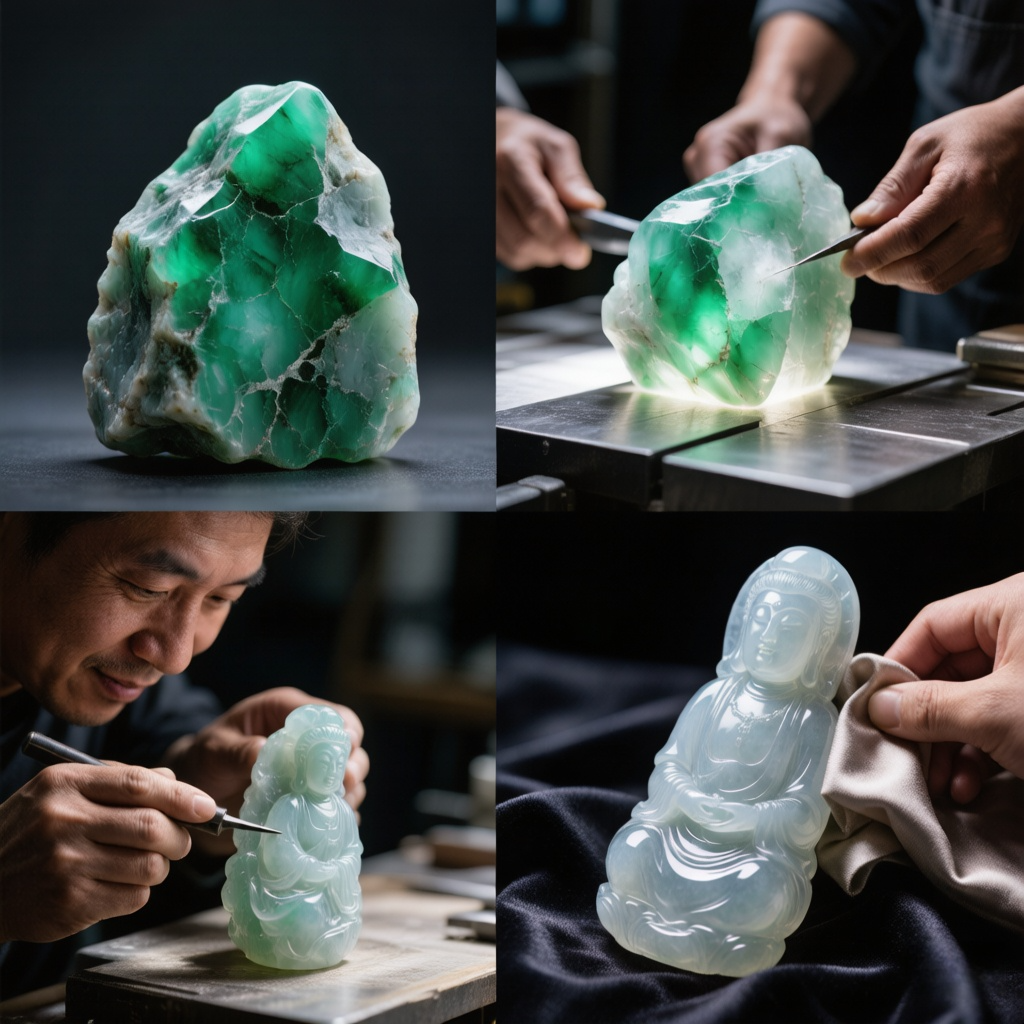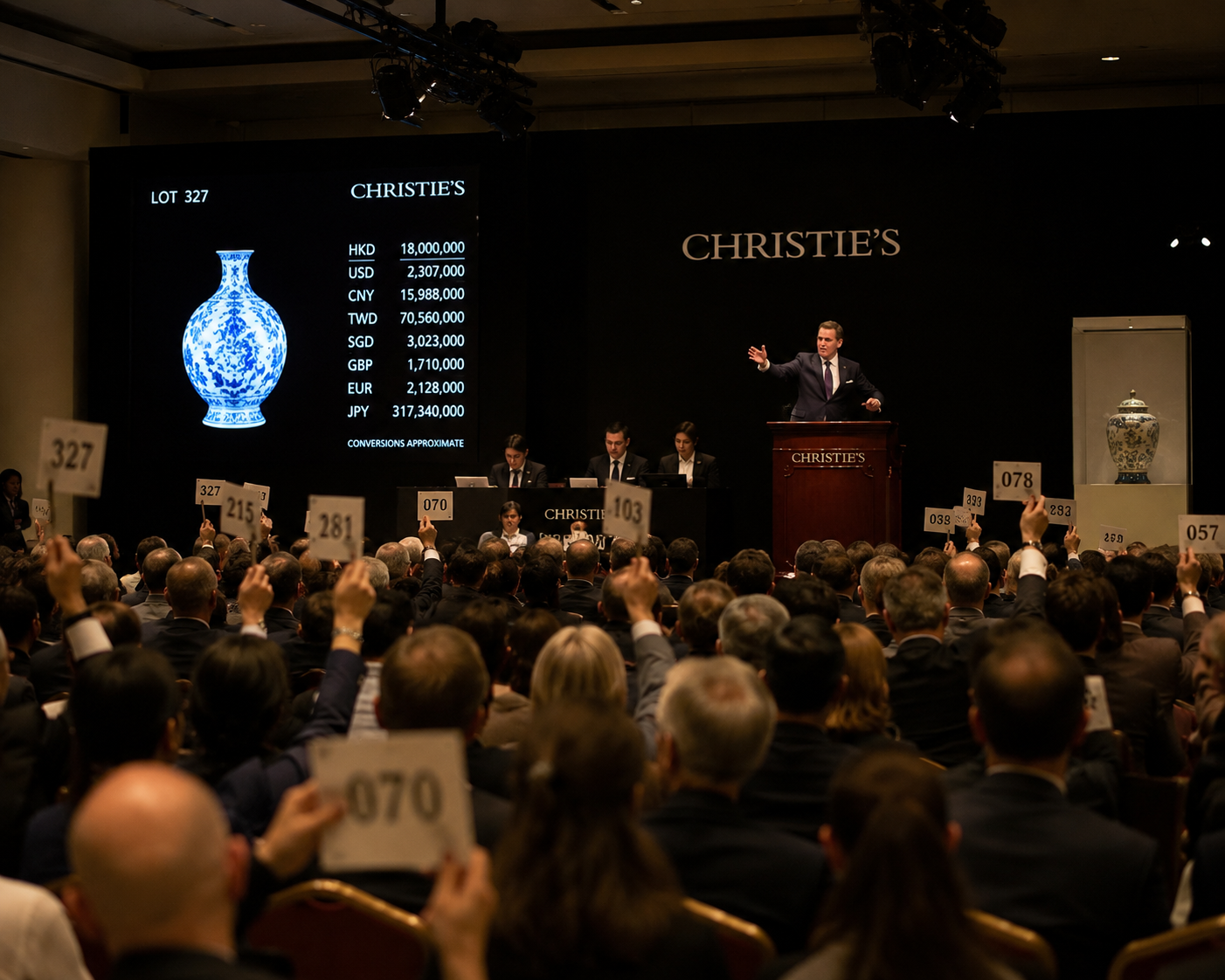
In recent years, as Chinese antique ceramics have continued to attract attention in the international…
The Unique Charm of Japanese Antique Culture
When people think of antique culture, they often think of Chinese bronzes and porcelain or European paintings and jewelry. However, the East Asian island nation of Japan also possesses a unique and profound antique culture. Deeply influenced by traditional Chinese culture while incorporating native Japanese aesthetics and philosophies of life, this heritage, cultivated over millennia, has become a shining pearl of Japanese culture. Today, let us journey into the world of Japanese antiques and discover their charm and stories.
The roots of Japanese antique culture can be traced back to ancient times. During the Asuka period (592-710) and the Nara period (710-794), Japan absorbed extensive Chinese culture, deeply influenced by the Tang Dynasty in architecture, religion, and craftsmanship. During this period, Chinese porcelain, silk, and Buddhist artifacts became prized treasures among the Japanese aristocracy, laying the foundation for the development of Japan’s own antique culture. For example, the Shosoin Repository at Todai-ji Temple in Nara houses a vast collection of artifacts from the Nara period, many of which are treasures from the Tang Dynasty in China. For example, the “Mother-of-pearl Red Sandalwood Five-Stringed Pipa,” with its exquisite craftsmanship and beautiful design, remains a national treasure of Japan, bearing witness to the flourishing cultural exchange between China and Japan at the time and a treasure of immense historical value within Japanese antique culture.

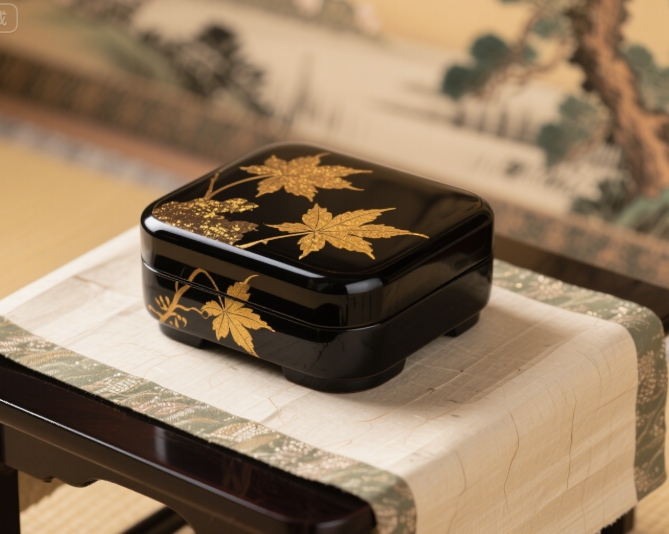
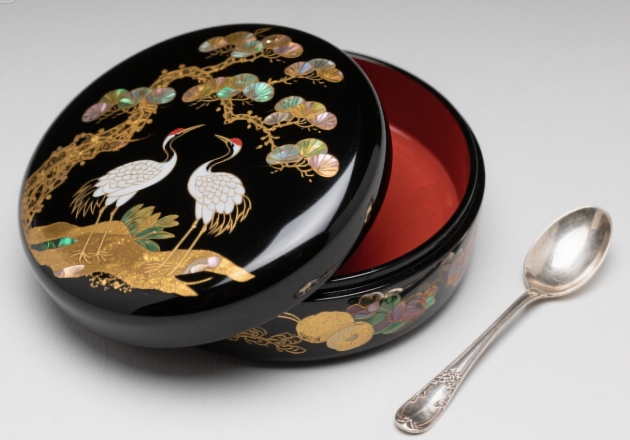
During the Heian period (794-1185), Japanese culture gradually shed its reliance on China, developing its unique aesthetic of “mono no aware.” Antiques from this period increasingly reflect the unique characteristics of Japanese culture. For example, Heian period washi paper, with its light, thin texture and natural texture, often bears elegant landscapes, floral and bird designs, and beautifully inscribed waka poems. These washi paper products, whether in the form of letters or scrolls, embody a subtle and delicate beauty, making them a favorite collection of the literati of the time. Lacquerware from the Heian period also boasts unique characteristics. Using a black lacquer base, exquisite designs were created using gold, silver, and other pigments. Maki-e, for example, incorporates gold powder into the lacquer, creating a gorgeous yet elegant effect upon drying. This type of lacquerware is not only practical but also holds immense artistic value, remaining a popular item on the Japanese antique market.
With the rise of the samurai class during the Kamakura (1185-1333) and Muromachi (1336-1573) periods, Japanese antique culture underwent significant changes. Samurai placed greater emphasis on practicality and dignity, leading to the emergence of swords and armor from this period as important antique items. Japanese swords are expertly crafted, not only for their exceptional sharpness but also for the meticulously crafted textures on the blades and the decorative ornamentation on the handles. A fine Japanese sword often represents years or even decades of painstaking effort by artisans, becoming a symbol of samurai status and honor. Today, these ancient swords and armor not only hold immense historical value but also serve as crucial artifacts for studying Japanese samurai culture. They are highly sought after in the antique market and command high prices.
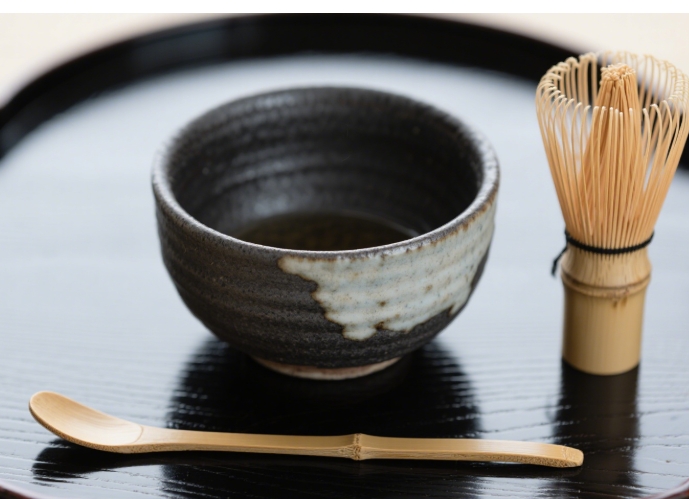
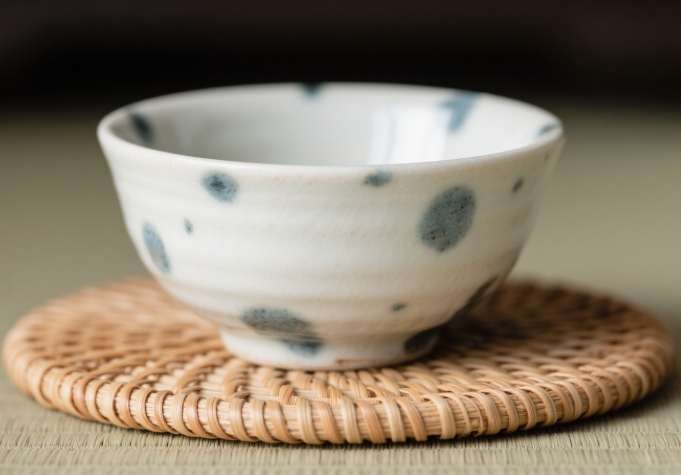
The Edo period (1603-1868) marked the heyday of Japanese antique culture. This period saw a flourishing commodity economy and the rise of civic culture, leading to a richer and more diverse range of antiques. In addition to traditional items like porcelain, lacquerware, and swords, new categories emerged, such as ukiyo-e (Japanese-style ukiyo-e), tea sets, and kimonos. Ukiyo-e, one of the most representative art forms of the Edo period, depicts urban life, landscapes, and theatrical characters, using vibrant colors and flowing lines to evoke a sense of life. Famous ukiyo-e masters such as Hokusai Katsushika and Hiroshige Utagawa were not only highly sought after in Japan but also profoundly influenced European Impressionist painting. Today, a well-preserved Edo-era ukiyo-e print is a treasure trove, coveted by collectors worldwide. During the Edo period, Japan’s love for the tea ceremony reached its peak, leading to extremely demanding requirements for its teaware. Teaware includes tea bowls, teapots, and tea caddies, with the tea bowl being the most important. Japanese tea bowls are crafted with unique techniques, resulting in distinct styles produced by different kilns. Raku ware bowls, for example, feature simple shapes and natural glazes, imbued with a rugged beauty; while Shino ware bowls are renowned for their pure white glaze and delicate textures, exuding an elegant elegance. These teaware are not only essential instruments in the tea ceremony but also embody the Japanese pursuit of the tea spirit of harmony, respect, purity, and tranquility, becoming an integral part of Japanese antique culture.
Japanese antique collectors are a diverse group, ranging from royalty and wealthy entrepreneurs to ordinary cultural enthusiasts. Royals and aristocrats collected antiques primarily to preserve family culture and history, and their collections often possessed immense historical and artistic value. Many were designated national treasures or important cultural properties, carefully preserved in museums or imperial storehouses. Wealthy entrepreneurs view antique collecting as both an investment and a status symbol. They spare no expense in acquiring rare and valuable pieces, fueling a booming Japanese antique market. Ordinary cultural enthusiasts value the cultural connotations and aesthetic value inherent in antiques. Collecting antiques allows them to experience the charm of traditional Japanese culture and enrich their spiritual lives.
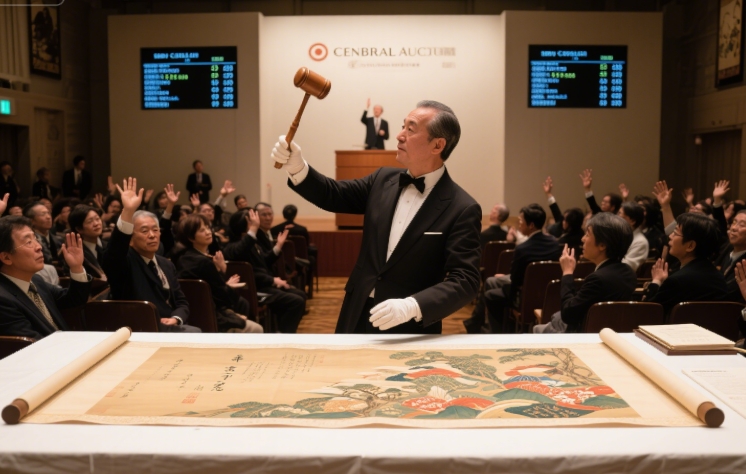
Japan’s antique market is also highly developed, encompassing major auction houses, antique shops, and flea markets. Ginza in Tokyo and Nishiki Market in Kyoto are renowned venues for antiques. These venues offer a wide variety of antiques, from ancient artifacts to modern art. Major auction houses like Tokyo Central Auction hold numerous antique auctions annually, attracting collectors from around the world and achieving record-breaking prices. Antique shops, on the other hand, offer a unique perspective. Many boast a long history, and their owners possess a deep understanding and unique perspective on antiques. They provide customers with detailed explanations of the historical background, craftsmanship, and collectible value of antiques, allowing them to learn more about them while purchasing. Flea markets are a haven for treasure hunters, where you can find unexpected antique treasures at low prices. While these treasures may not be rare, they are imbued with the spirit of life and traces of history.
The allure of Japanese antique culture lies not only in the preciousness and beauty of the antiques themselves, but also in the traditional Japanese culture and philosophy of life they embody. Each antique is a witness to history, carrying stories of the past and the emotions of the people, allowing us to experience the social landscape and cultural atmosphere of different historical periods in Japan. In today’s fast-paced modern society, Japan’s antique culture still exudes a unique charm, reminding people to respect history, cherish traditions, and continuously innovate while inheriting them, allowing ancient culture to be revitalized and revitalized in modern society.
Related Posts