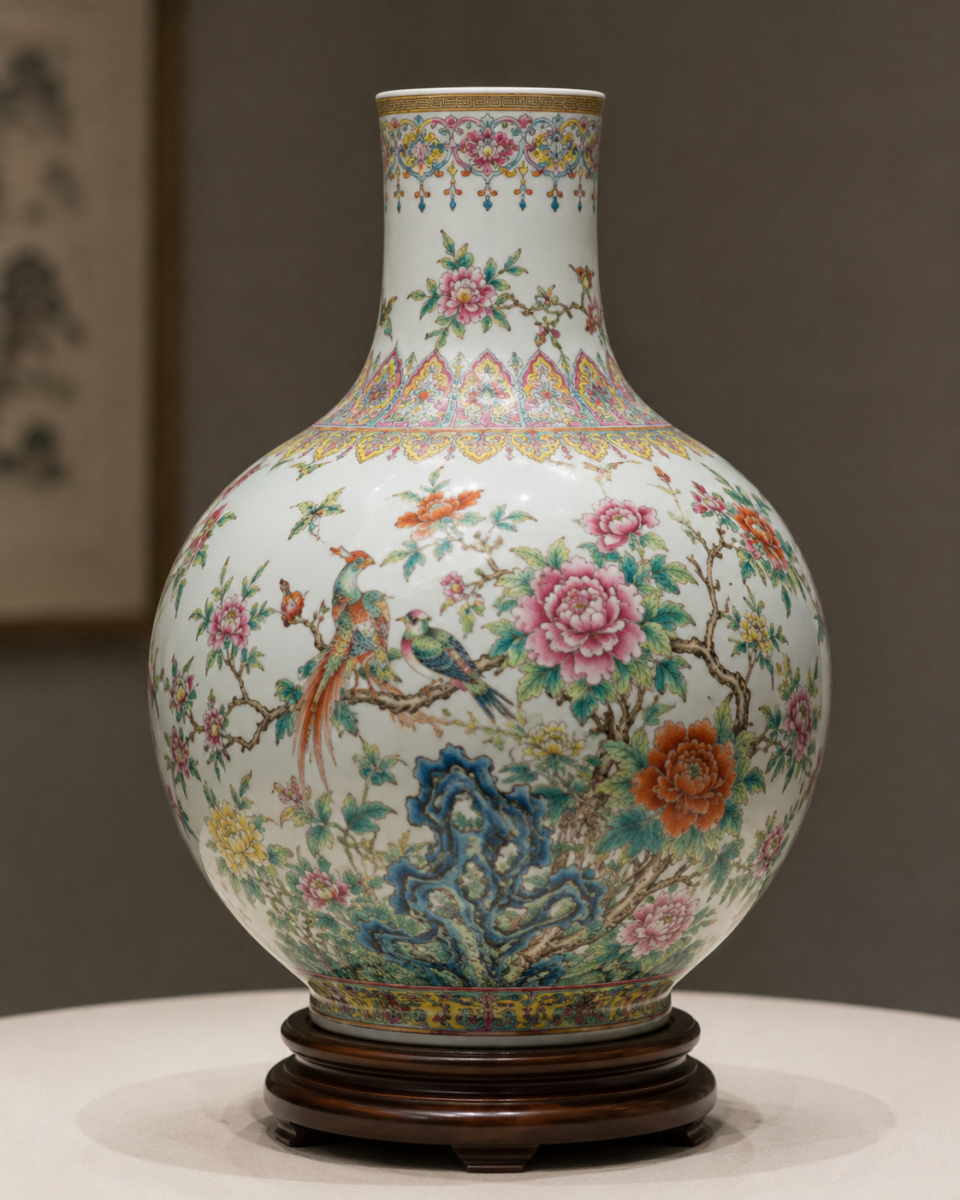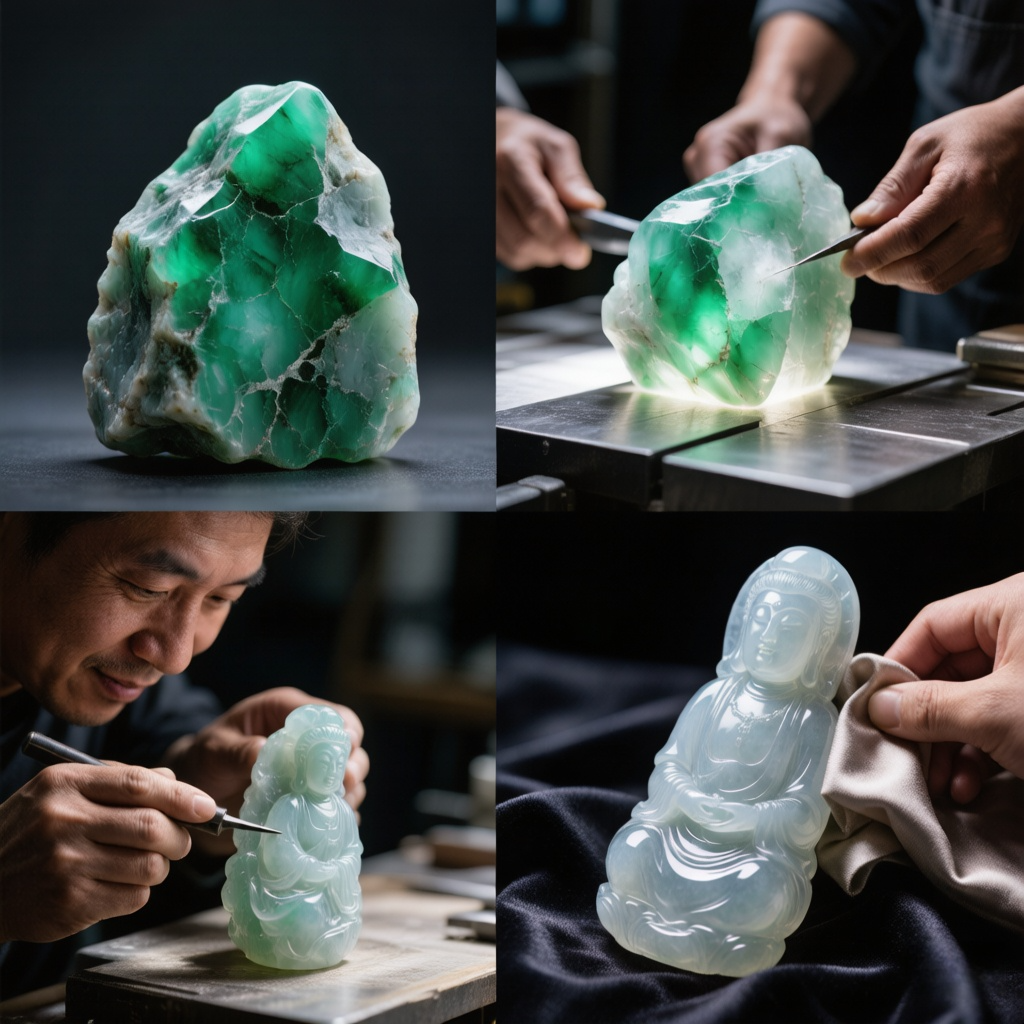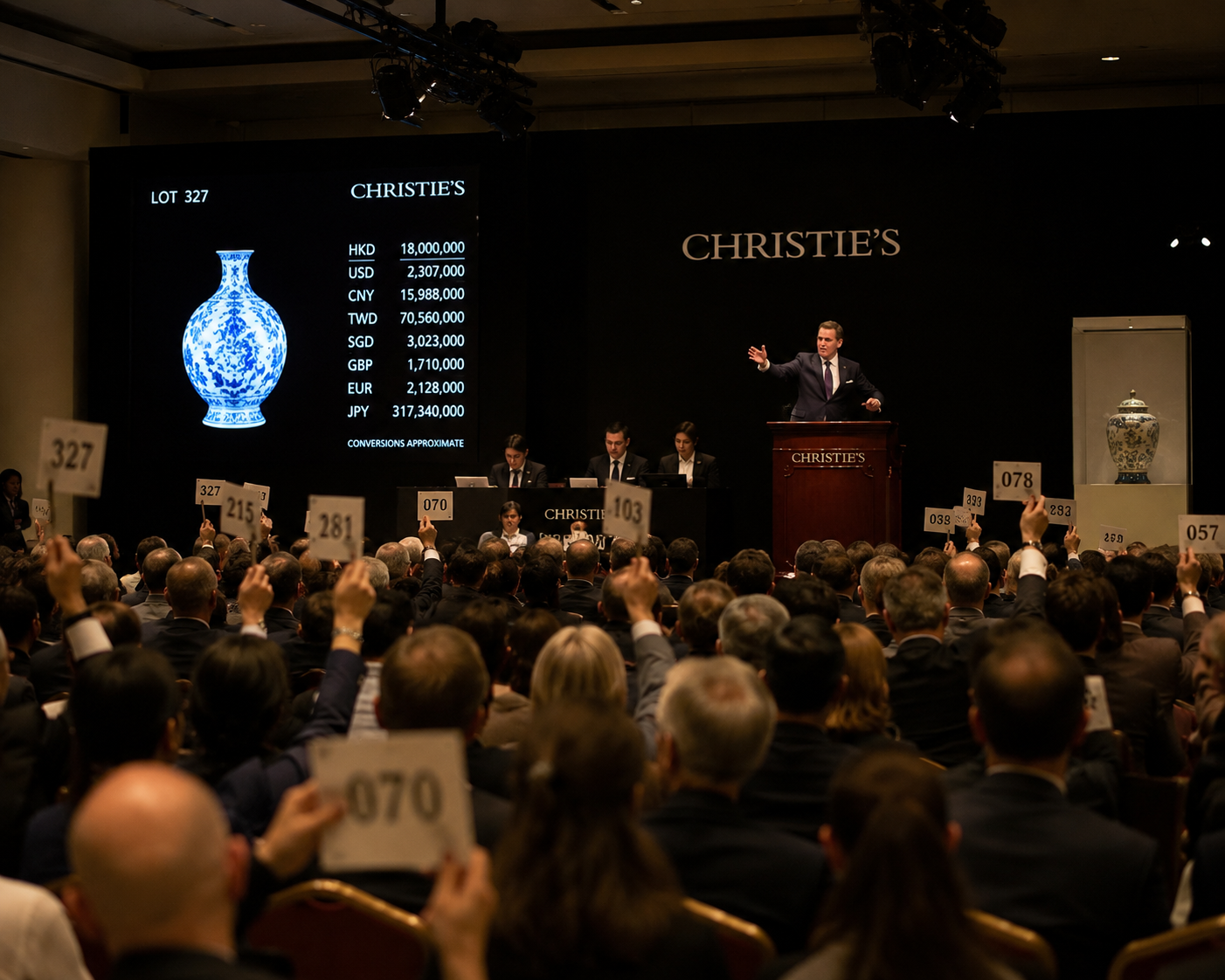
In recent years, as Chinese antique ceramics have continued to attract attention in the international…
The Evolutionary Path of Chinese Jade Culture
Since ancient times, jade has been more than just a mineral—it has represented belief, virtue, and spiritual symbolism. Chinese jade culture has a long and continuous history, running through the entire development of Chinese civilization. From ritual objects in the Neolithic period, to symbols of power in feudal dynasties, and now as a vessel for modern aesthetic appreciation and emotional expression, jade—with its smooth, water-like texture and profound cultural connotation—has become a unique and significant symbol within Chinese culture.
I. Origins of Jade: A Sacred Object in Antiquity
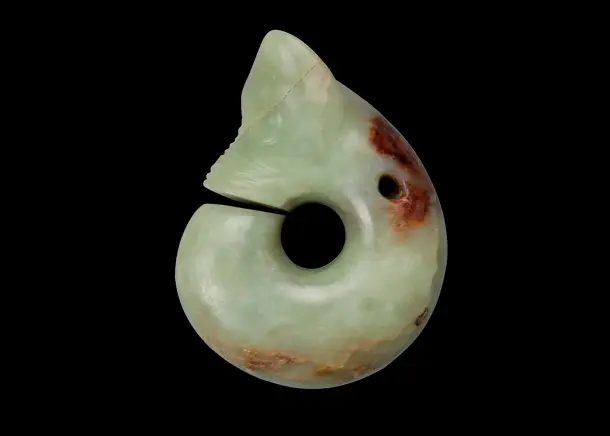
The origins of jade culture can be traced back to the Neolithic period, around seven to eight thousand years ago. Archaeological findings from early civilizations such as the Hongshan, Liangzhu, and Dawenkou cultures show that jade was widely used in sacrificial and ceremonial activities. During this period, jade artifacts were primarily ceremonial—such as bi (discs), cong (tubes), and gui (scepters)—with simple shapes but exquisite craftsmanship. These reflect the ancient people’s reverence for the heavens and gods, as well as jade’s authoritative status in the social hierarchy.
To the ancients, jade was a spiritual material that could connect the heavens and communicate with deities. Renowned scholar Sun Ji once stated: “Jade is the essence of all stones, and embodies the five virtues.” In traditional Chinese culture, jade represents the five virtues of a gentleman: benevolence, righteousness, propriety, wisdom, and faith. This laid the cultural foundation for the later ideal of “comparing a gentleman’s character to jade.”
II. Ritual and Belief: Institutionalization and Symbol of Power
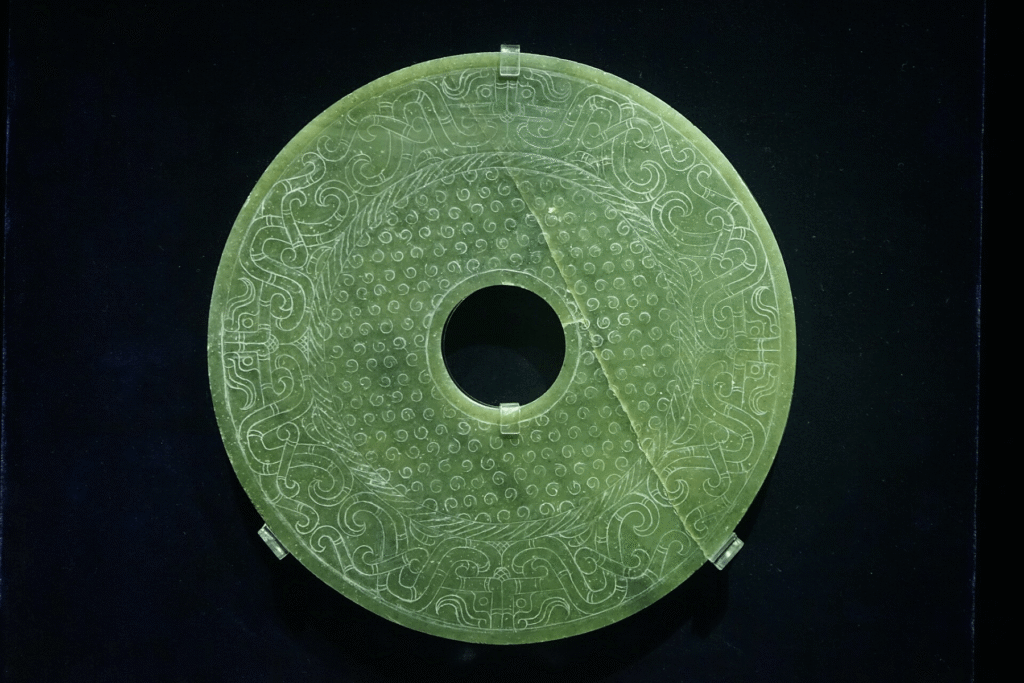
By the time of the Xia, Shang, and Zhou dynasties, jade had become institutionalized, serving as an important marker of social hierarchy and ritual systems. The Rites of Zhou clearly regulated the types of jade, their usage scenarios, and who could wear them based on status. Under the Zhou dynasty’s patriarchal and feudal system, different ranks were assigned different jade types to distinguish status and class. Jade had moved beyond spiritual symbolism to become a representation of political authority and power.
Numerous jade artifacts unearthed from the Yin Ruins (late Shang dynasty) showcase unique forms and sophisticated craftsmanship. These works not only highlight the advanced jade-carving techniques of the time but also reflect jade’s vital role in religious rituals and burial customs. The integration of jade with the ritual system firmly established its irreplaceable role in Chinese culture.
III. Cultural Flourishing: Artistic and Practical Integration in the Han and Tang Dynasties
During the Han dynasty, jade culture entered a new stage. As Confucianism gained prominence, jade was imbued with greater ethical and moral symbolism. The famous saying “Gold has a price, jade is priceless” emerged during this time. People revered wearing jade to cultivate virtue and display decorum—”A gentleman never goes without jade” became a societal trend.
Jade’s applications also diversified during this period. In addition to ritual and decorative use, many everyday objects made of jade appeared, such as jade cups, belts, and pillows. The Tang dynasty inherited and expanded this tradition. Jade styles became more elaborate and varied, reflecting a more open and worldly aesthetic. Jade was no longer exclusive to emperors and nobles but gradually became accessible to the urban population.
IV. Inheritance and Transformation: Sophisticated Craftsmanship from Song to Qing
Beginning in the Song dynasty, the rise of the literati class brought jade culture closer to scholarly aesthetics. The ideal shifted toward qualities such as “gentle and warm like jade” and “pure but not flashy.” Jade carving took on a more subtle and refined character, with a focus on spiritual resonance and form.
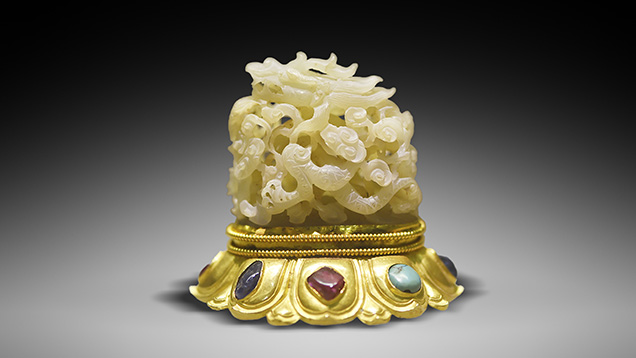
During the Yuan, Ming, and Qing dynasties, jade-carving techniques reached new heights. Especially in the Ming and Qing periods, complex techniques such as openwork carving, shallow relief, and high relief became widespread. Jade became a collectible and object of appreciation among royal and aristocratic circles.
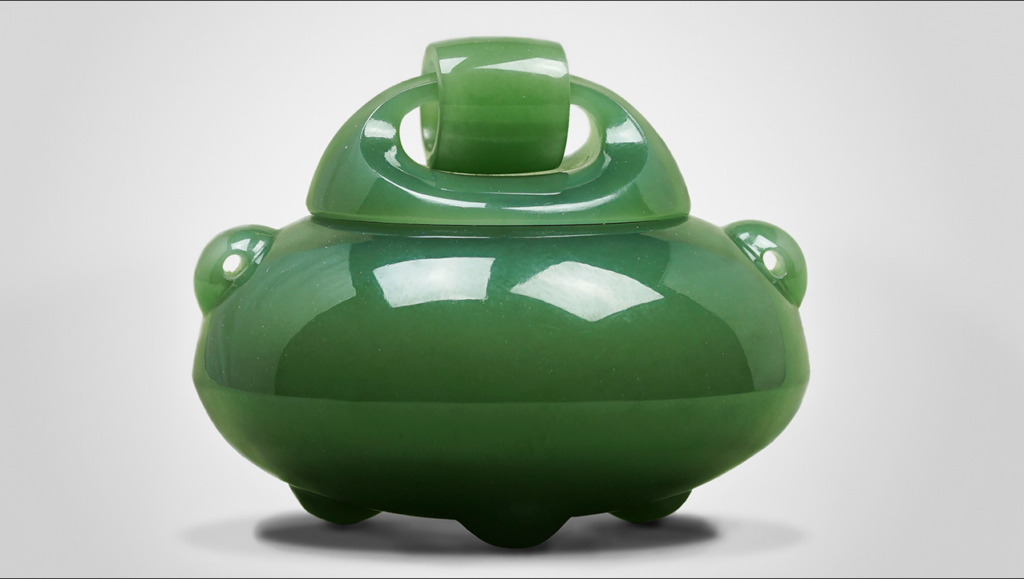
It was during this time that Hetian jade emerged as the most prized variety. Its fine and lustrous texture earned it the title “King of Jade.” Jade culture reached its peak during these centuries, becoming increasingly refined and artistic.
V. Modern Revival and Innovation
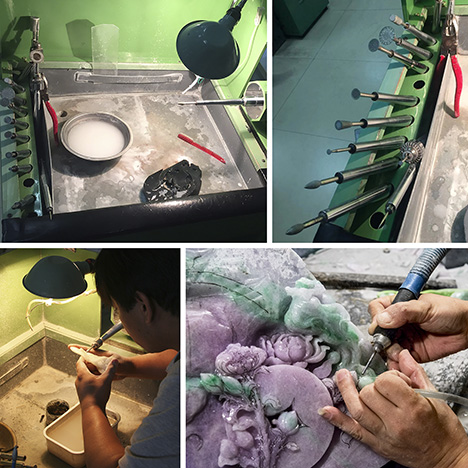
In modern times, with renewed interest in traditional culture, jade culture is undergoing a profound revival. People no longer pursue jade solely for its material value, but are instead returning to its spiritual essence—an embodiment of the Chinese national character: gentleness, restraint, and resilience.
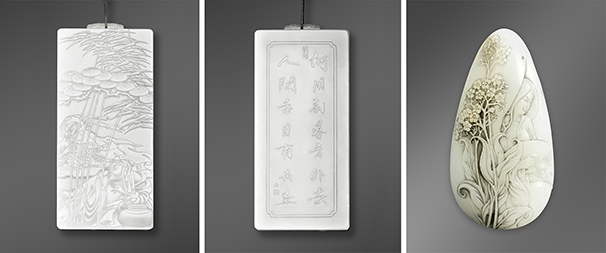
Contemporary jade artists, while preserving traditional craftsmanship, are incorporating modern aesthetics and creative design. This has given jade culture new vitality. Jade is no longer just a precious ornament; it has become a cultural medium for expressing emotion, belief, and aesthetic vision.
Conclusion: Jade Nourishes China, a Light of Civilization
The evolution of Chinese jade culture is not merely a history of material craftsmanship but also a profound inheritance of spiritual civilization. It encapsulates the Chinese people’s deep understanding of nature, life, society, and personal virtue. In the vast river of history, jade—with its unique cultural value and artistic charm—has become an eternal symbol of Chinese civilization.
As stated in the Book of Rites: “Jade possesses five virtues, likened to the qualities of a gentleman.” Even today, jade culture continues to shine with the spirit of the Chinese nation—subtly nourishing, dignified, and enduring.
Related Posts