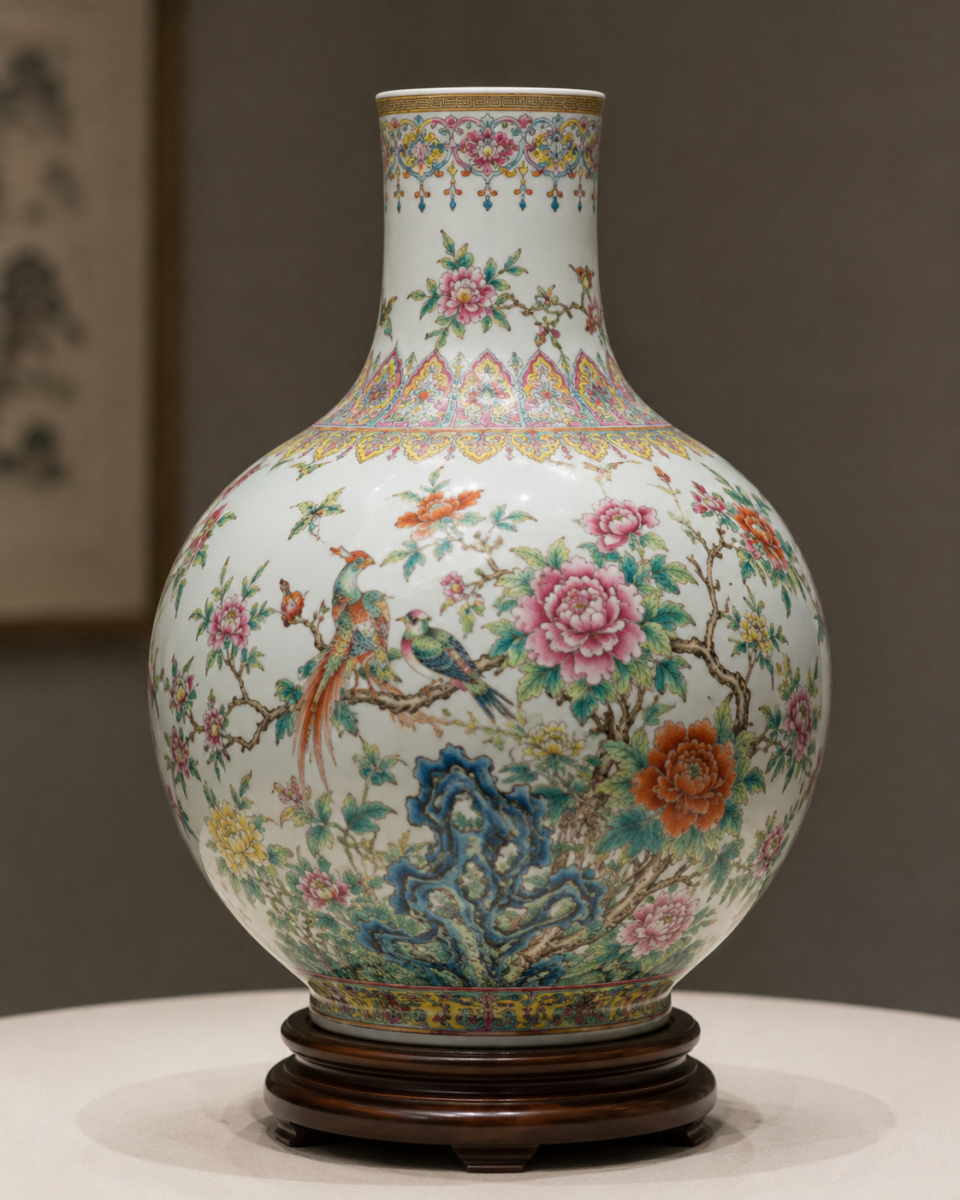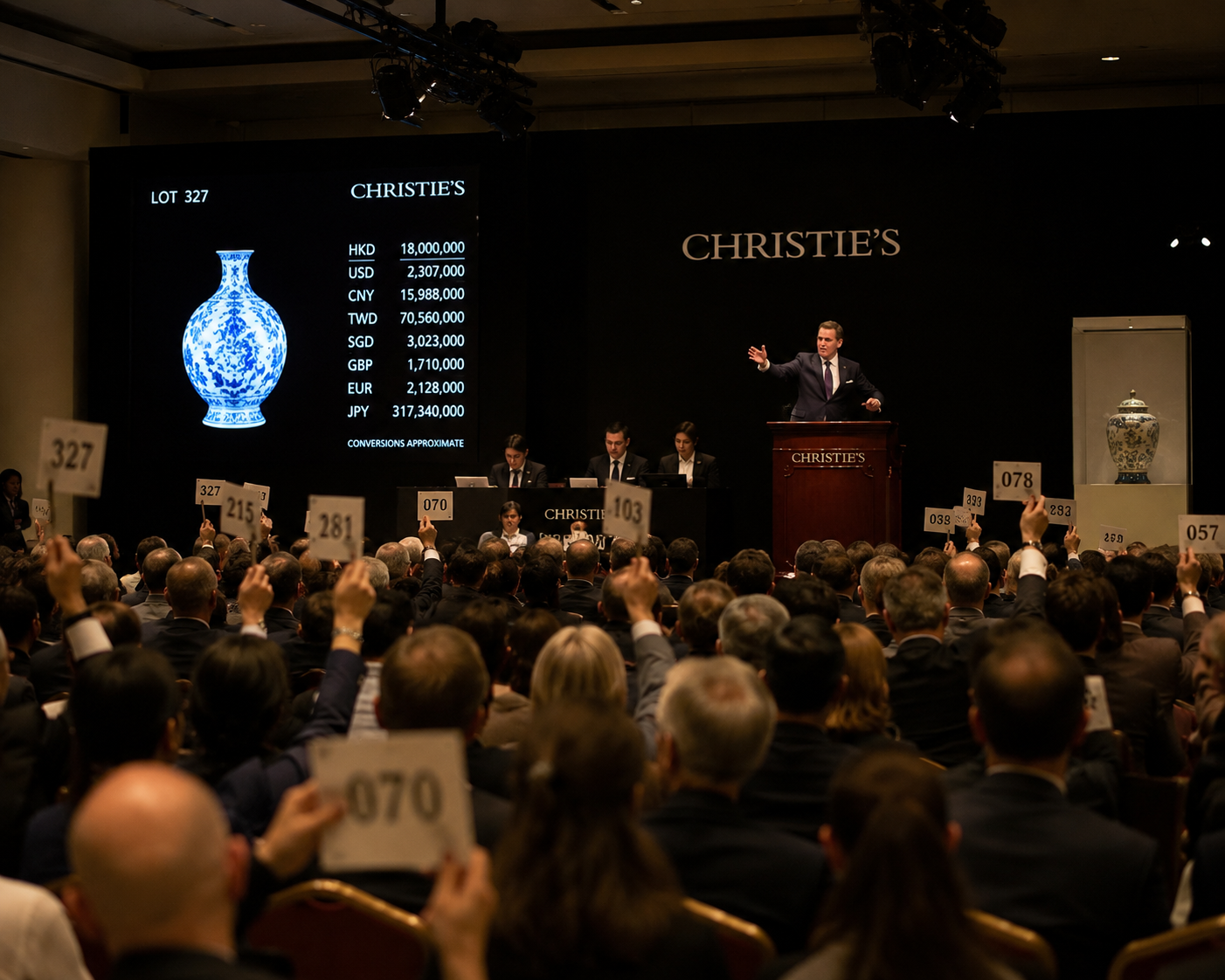
In recent years, as Chinese antique ceramics have continued to attract attention in the international…
Collecting: More Than Just Objects, It’s a Profound Dialogue with Time
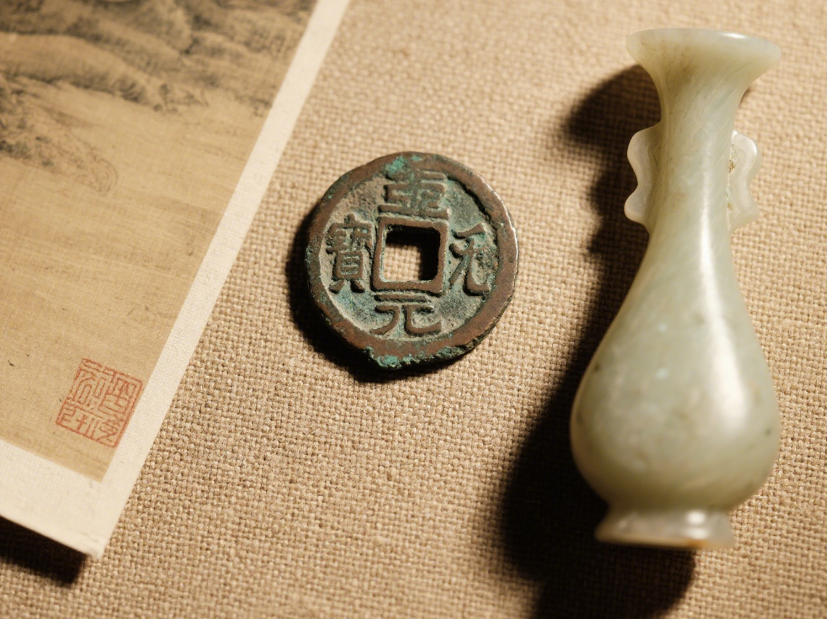
When we gaze at a collected item that has weathered the years, we see far more than just cold materials and craftsmanship. That ancient coin with worn edges holds the hustle and bustle of ancient marketplaces; that old painting with faded colors embodies the artist’s state of mind when the brush touched the paper; that simple-patterned jade artifact carries cultural codes unchanged for millennia. Collecting is never merely about “possession” — it is a long journey of dialogue with history, craftsmanship, and civilization, with objects serving as the bridge.
Genuine collecting begins with the perception of “uniqueness.” Every item that survives the test of time bears an irreproducible mark: it might be the one-of-a-kind crackle pattern on the glaze of a Song Dynasty porcelain piece, where each crack forms due to tiny variations in kiln temperature; it could be the intricate, uneven details of filigree inlay on a Qing Dynasty bracelet, embodying days or even months of a craftsman’s dedication; or it might be an old bookmark tucked inside a thread-bound book from the Republic of China era, its blurred handwriting hiding the reading thoughts of those who came before. These “one-of-a-kind” traits lift collected items beyond the category of “objects” and turn them into “living fossils of time.”

The joy of collecting lies even more in the process of exploration and interpretation. To identify the kiln origin of a pottery jar, many collectors will comb through archaeological documents and visit museums across regions to compare vessel shapes; to verify the authenticity of an inscription on an ancient painting, they will study calligraphy styles of different dynasties and consult painting and calligraphy authentication experts. In this process, collected items cease to be isolated existences: through a Ming Dynasty blue-and-white bowl, we can understand the firing techniques of the official kilns in Jingdezhen at that time; through a Qing Dynasty inkstone, we can feel the scholarly elegance of the “world on a desk” cherished by literati. Every in-depth exploration of an item’s background is a fresh understanding of history and culture, and the joy of “unlocking the truth” far surpasses the material value of the item itself.
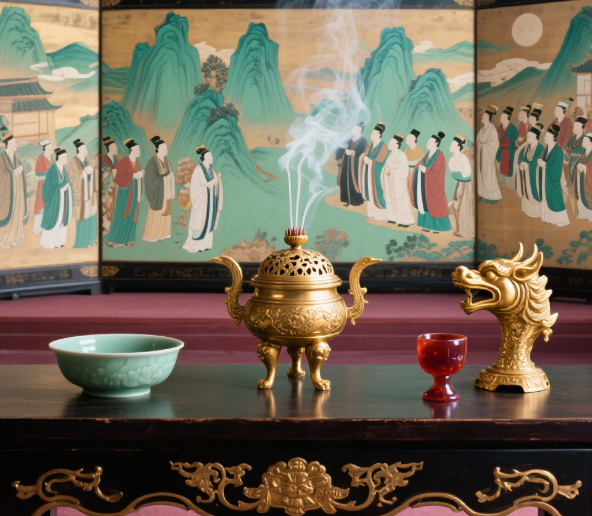
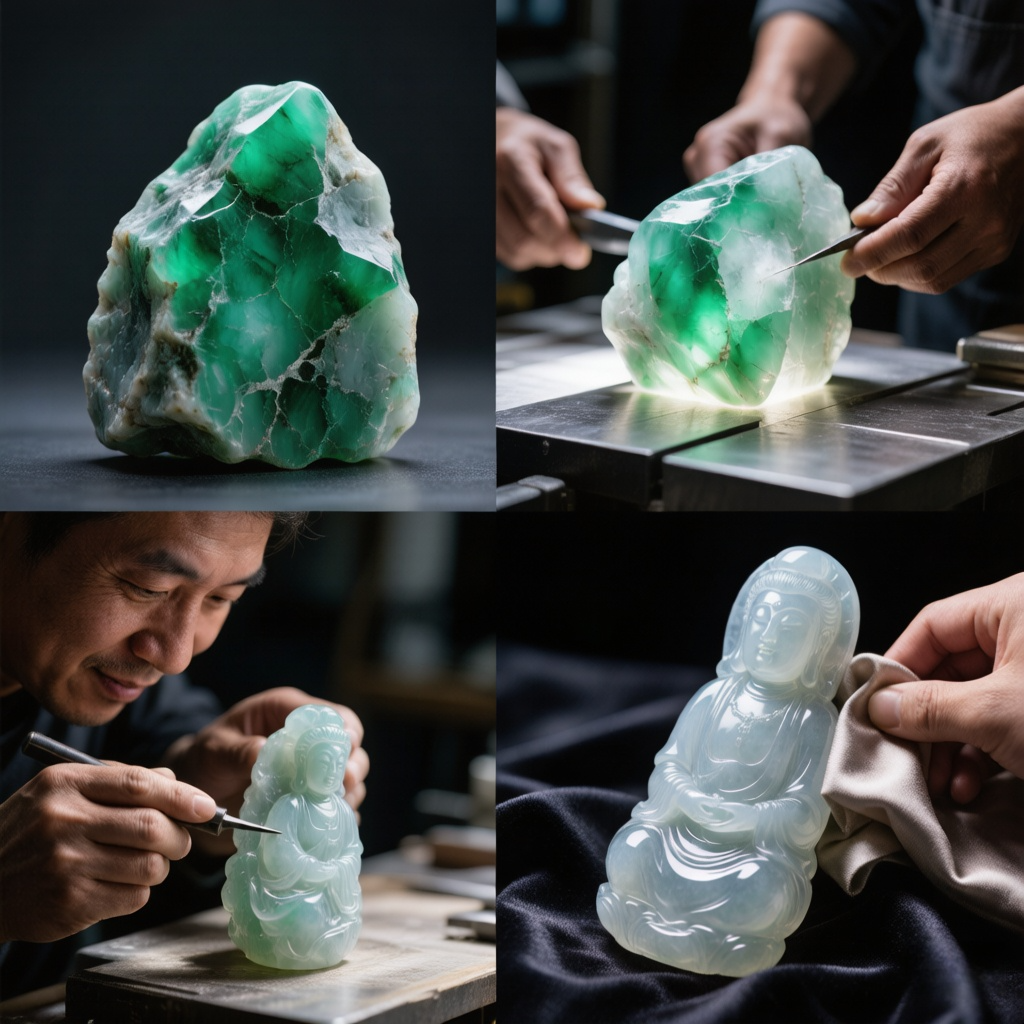
More importantly, collecting carries the weight of cultural inheritance. Collected items that embody traditional craftsmanship — such as the splendor of cloisonné, the warmth of jade carvings, and the texture of wood carvings — are all crystallizations of ancient aesthetics and wisdom. When we collect an item made with intangible cultural heritage craftsmanship, we are essentially “archiving” these endangered skills; when we tell the stories behind collected items to the next generation, we are ensuring the continuation of cultural threads. From this perspective, collectors are more like “guardians of civilization,” allowing cultural marks that might otherwise be lost to time to live on in the present, with objects as their carriers.
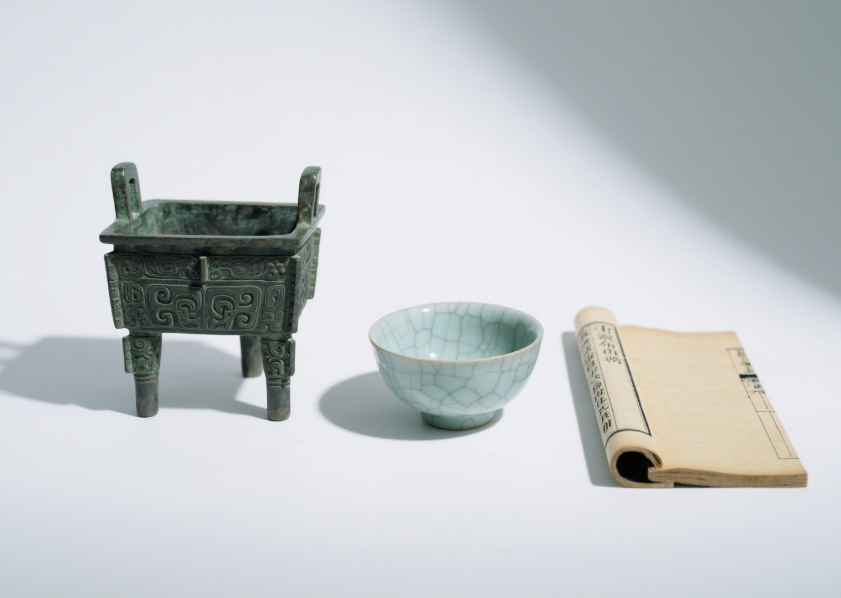
Today, more and more people are entering the world of collecting. Some may start out of a love for beauty, others out of curiosity about history, but all will eventually discover: the ultimate meaning of collecting is to build a connection between objects and the soul. When we gently polish an old item at our desk, when we read research materials about a collected piece under the lamp, when we tell others the stories behind these items — we are no longer just “owning” a collected piece, but engaging in a gentle yet profound dialogue with the craftsmanship, civilization, and time of thousands of years ago.
Related Posts