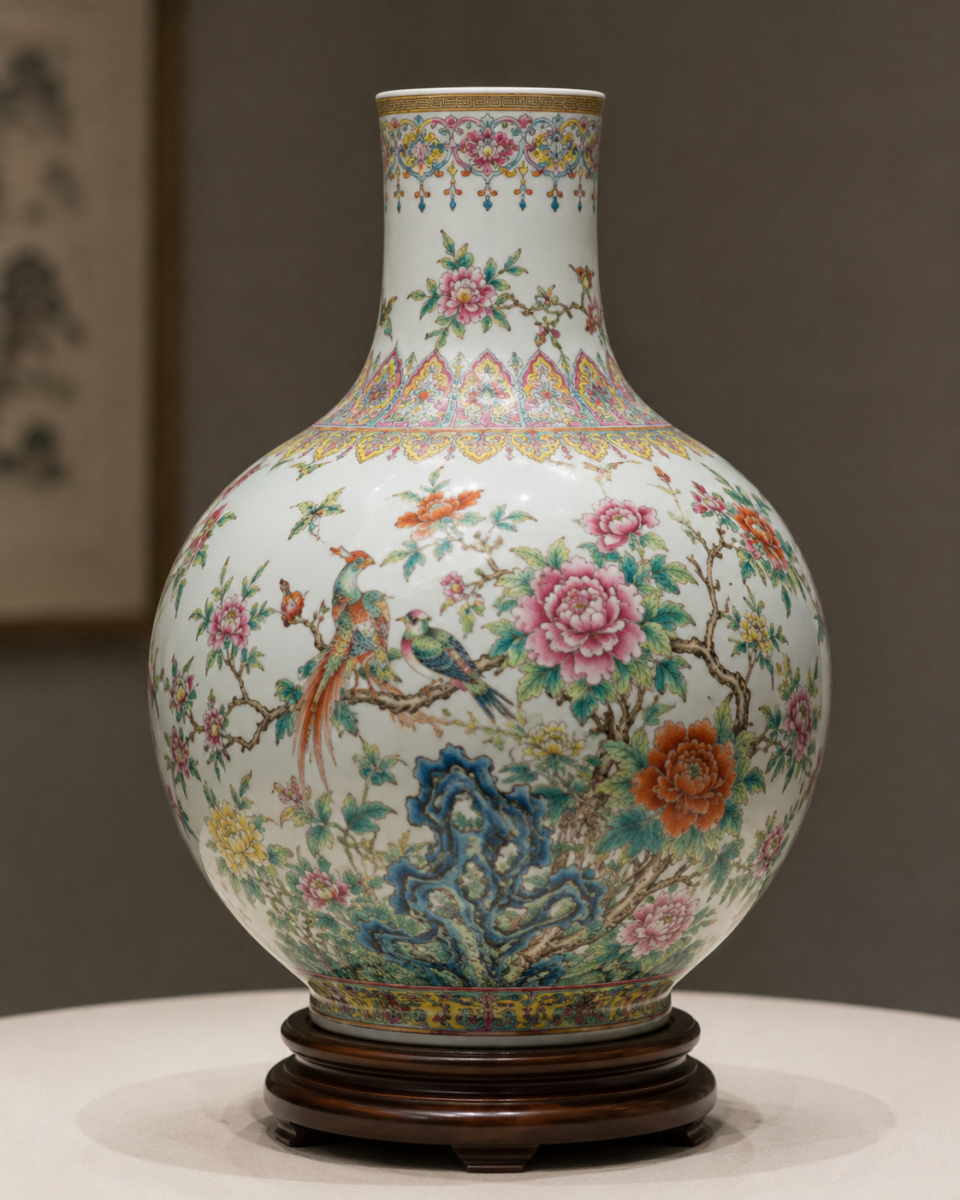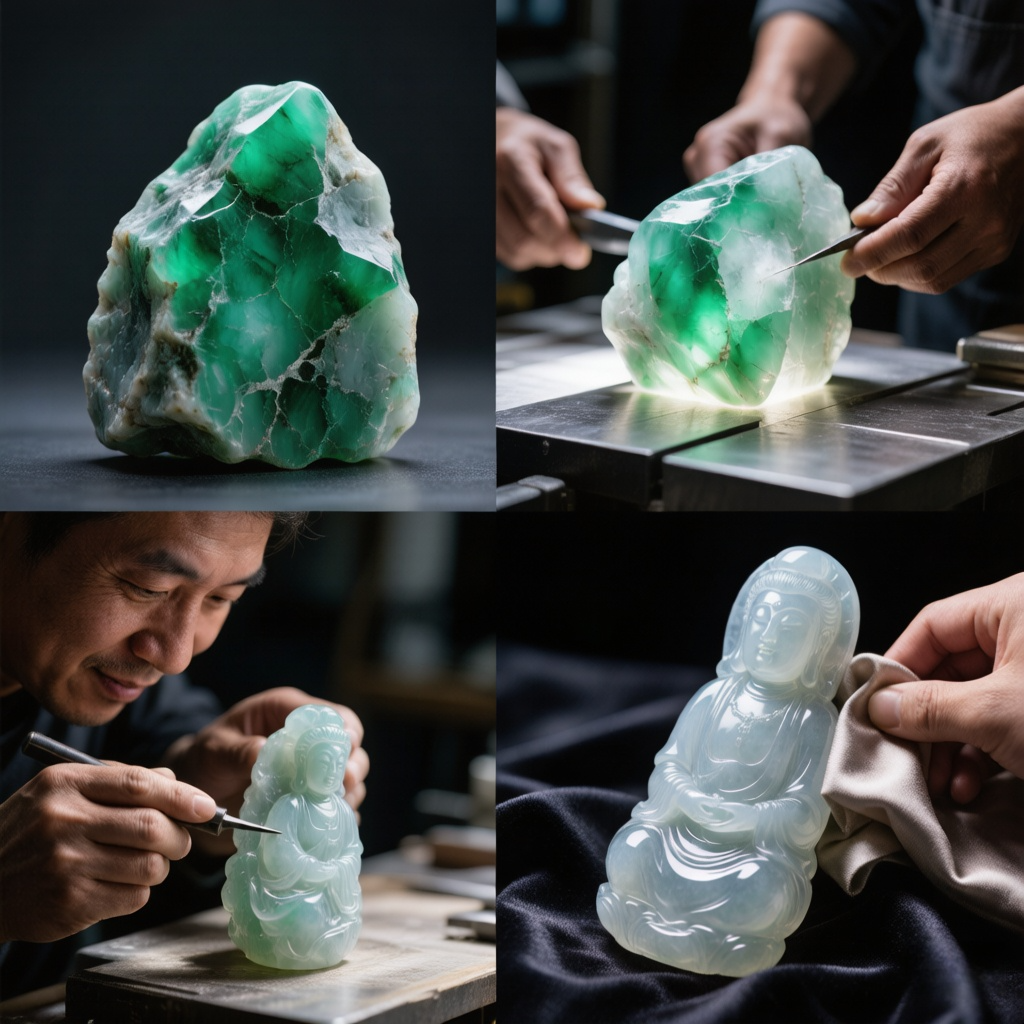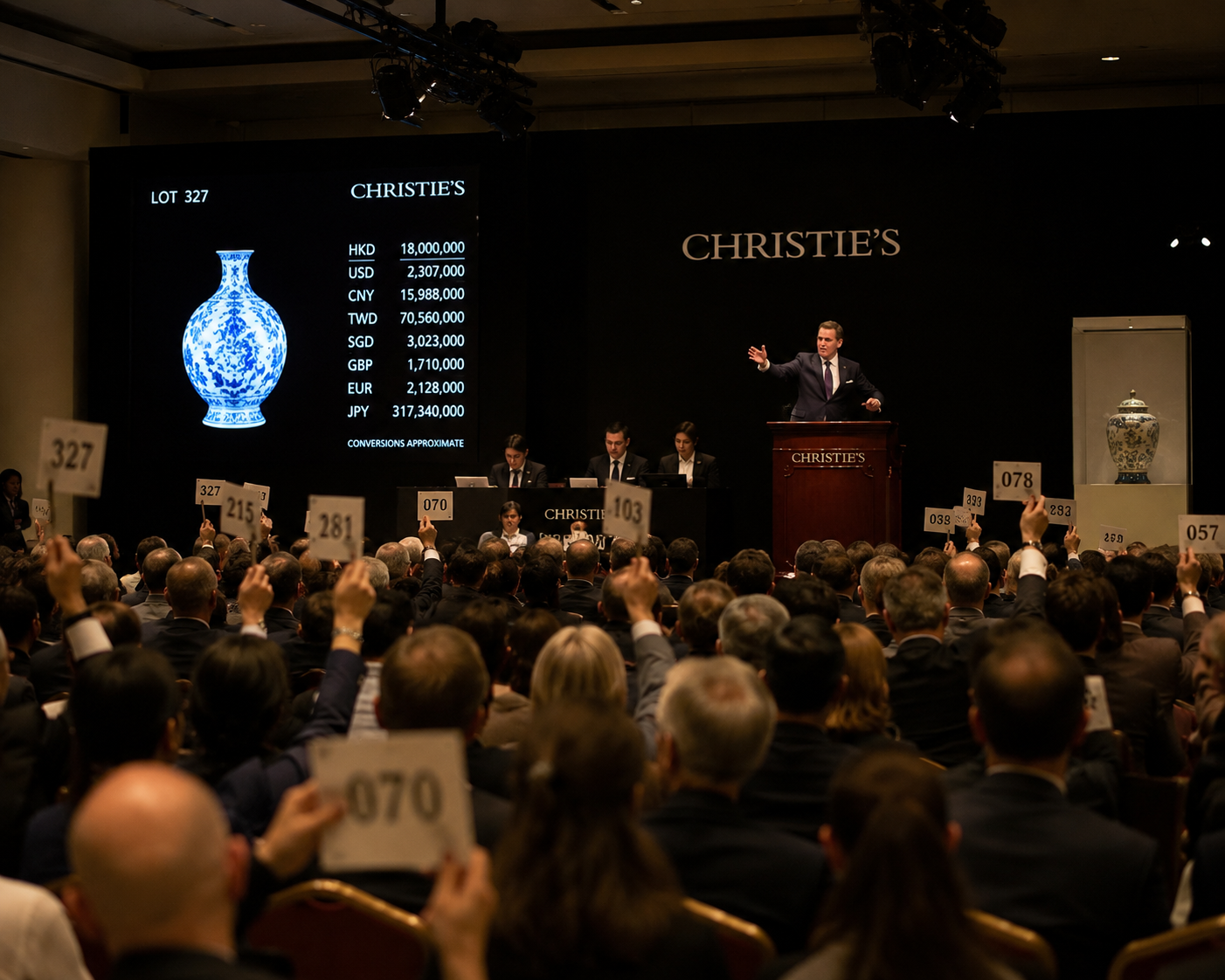
In recent years, as Chinese antique ceramics have continued to attract attention in the international…
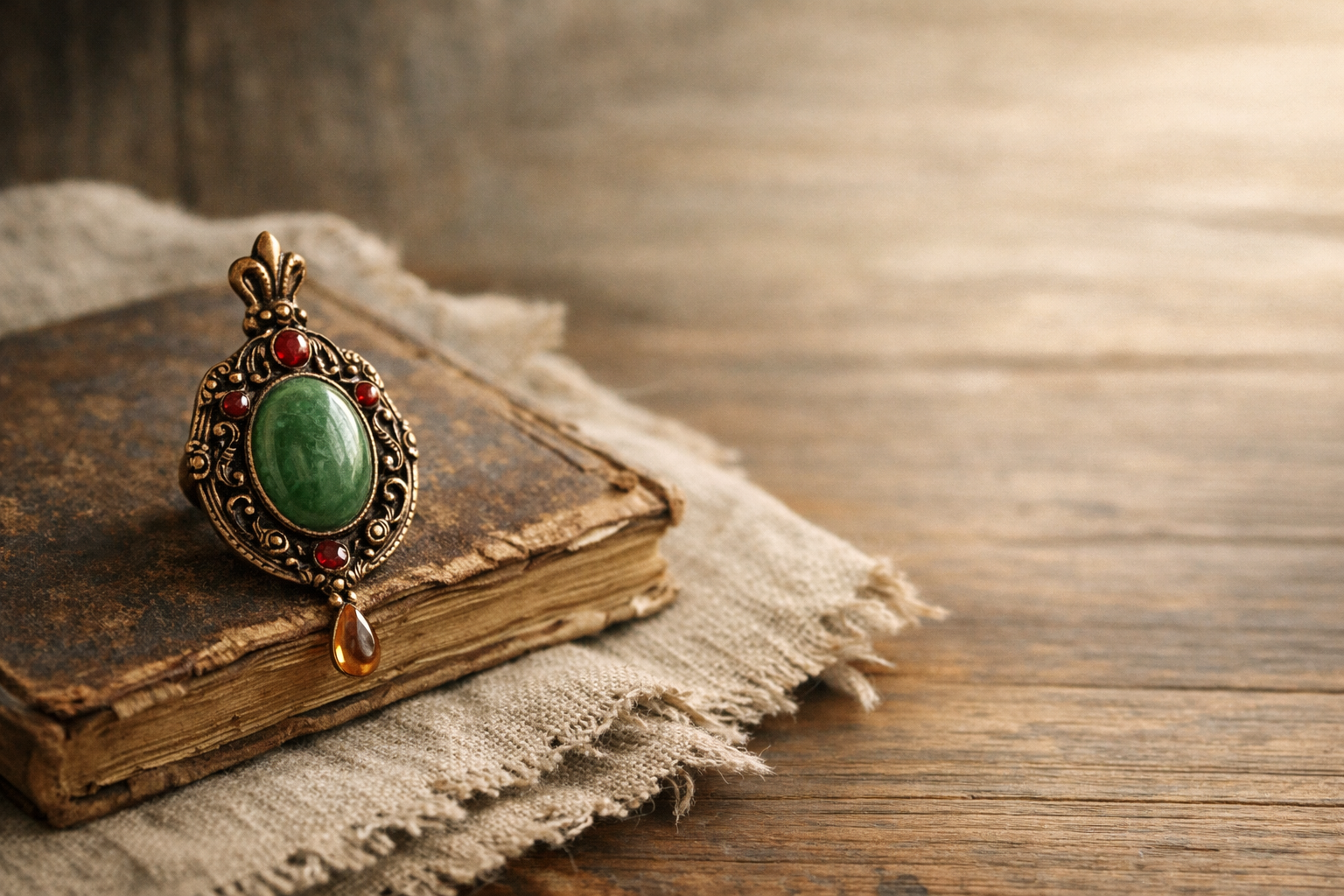
The Culture Worn: The Temporal Significance of an Antique-Style Piece of Jewelry
In today’s discussions about culture, conversations often remain at the conceptual level. History, tradition, aesthetics—they are endlessly debated, yet rarely truly integrated into everyday life. Some aspects of culture, however, don’t need to be “explained”; they are experienced, worn, and gradually understood through time.
Jewelry is precisely such a cultural carrier that is often overlooked.
Unlike artifacts displayed in glass cases, a piece of jewelry, from the moment it is created, is destined to interact with the human body. It moves with its wearer, entering daily routines, social interactions, and rituals. When jewelry adopts an antique style, it conveys more than mere decoration—it becomes a form of cultural expression that transcends time.
Antique is not a replication of the past
Antique-style design is often misunderstood as merely copying historical forms. In reality, true antique-inspired design does not simply reproduce the appearance of a particular era; it reinterprets the aesthetic logic of the past.
In traditional contexts, jewelry was seldom about being ostentatious. Proportion, order, and symbolic meaning often mattered more than display. Patterns had cultural origins, and the choice of gemstones related to faith, status, or personal sentiment. These subtle aspects—often simplified in today’s fast-paced aesthetics—are precisely what antique-inspired design seeks to reintroduce into contemporary life.
When authentic precious metals and natural gemstones are used in antique-inspired designs, they carry dual temporal dimensions: belonging to the present while resonating with the past.
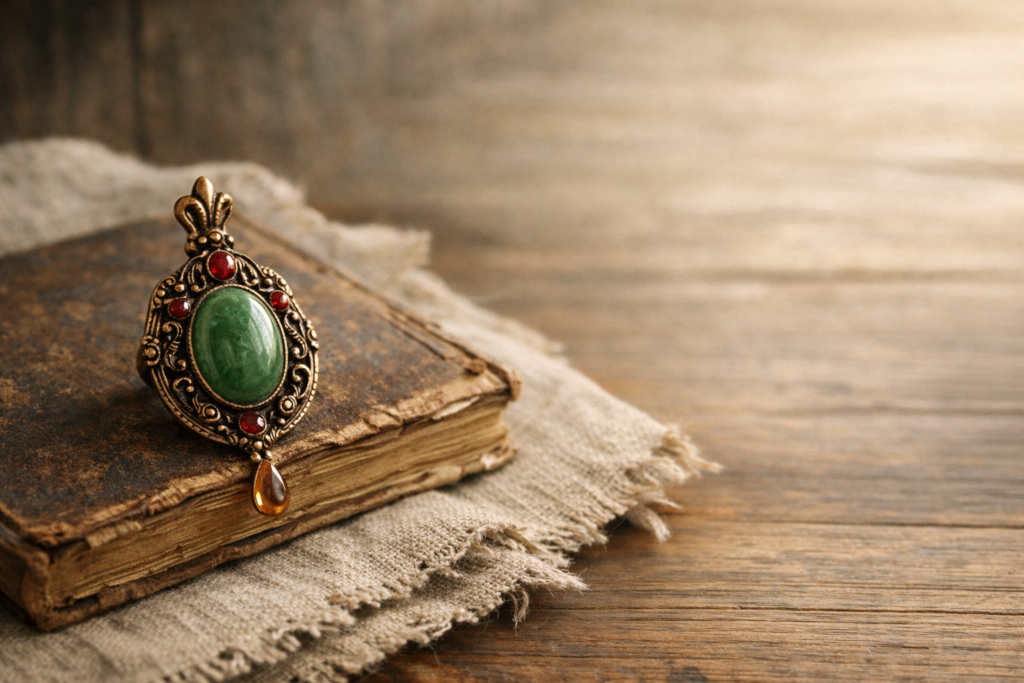
Time Resides in the Details
The charm of antique-style jewelry rarely lies in instant impact. It is more like a book that unfolds slowly, revealing its story page by page.
The metal surfaces are never perfectly polished; subtle textures record the marks of craftsmanship. The gemstones glow with a restrained, steady light, never chasing fleeting brilliance. These details are not “imperfections,” but proof of human touch. It is precisely these traces that free jewelry from the coldness of industrial products, transforming it into an object imbued with cultural warmth.
Time is not the enemy of jewelry. On the contrary, it continuously endows these details with new meaning.
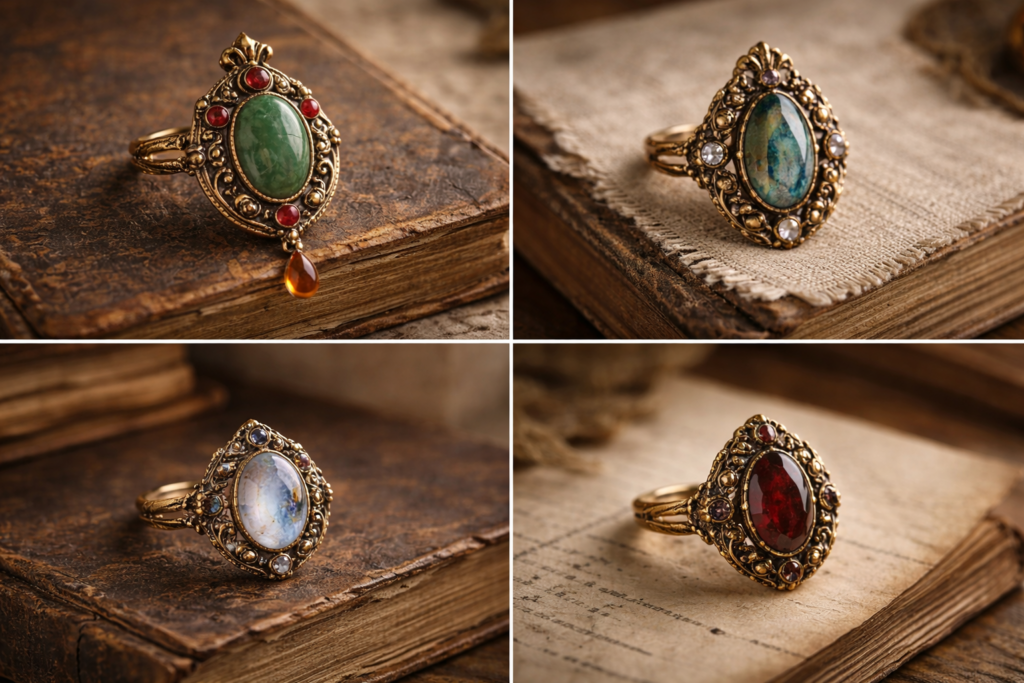
Culture Needs to Be Lived
Truly vital culture is never something meant to be preserved in isolation.
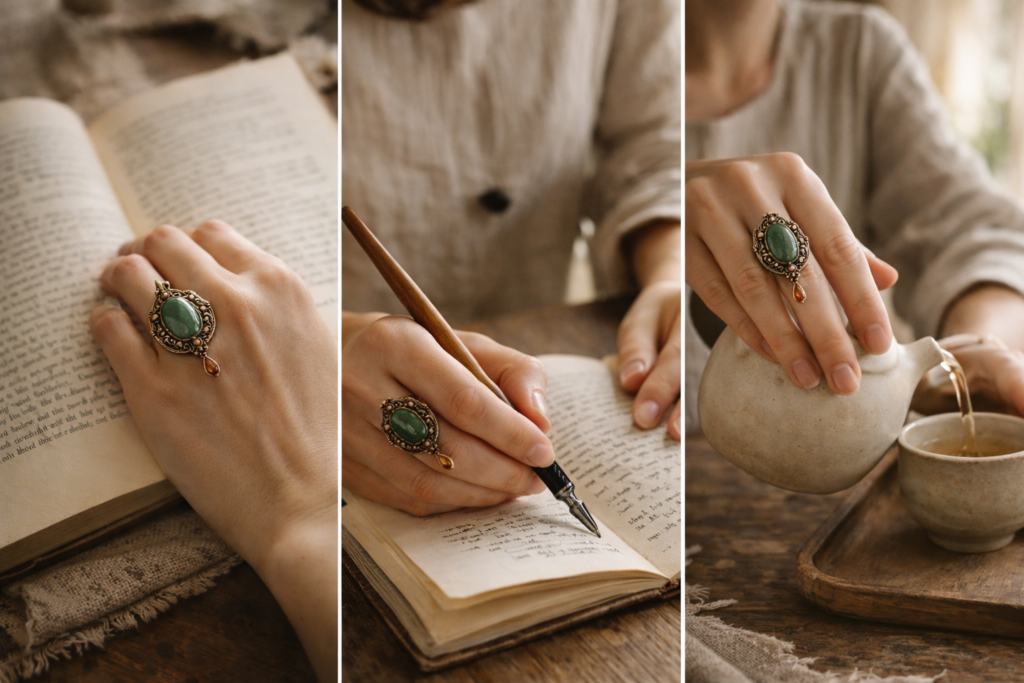
When an antique-style piece of real jewelry enters daily life, it participates in ordinary moments: turning pages, writing, thinking, conversing. The wearer may not always be consciously aware of its presence, yet it is precisely in this understated state that culture is transmitted most naturally.
Jewelry ceases to be merely an object to be observed; it becomes part of life itself. This relationship conveys the essence of culture far more powerfully than any explanatory text ever could.
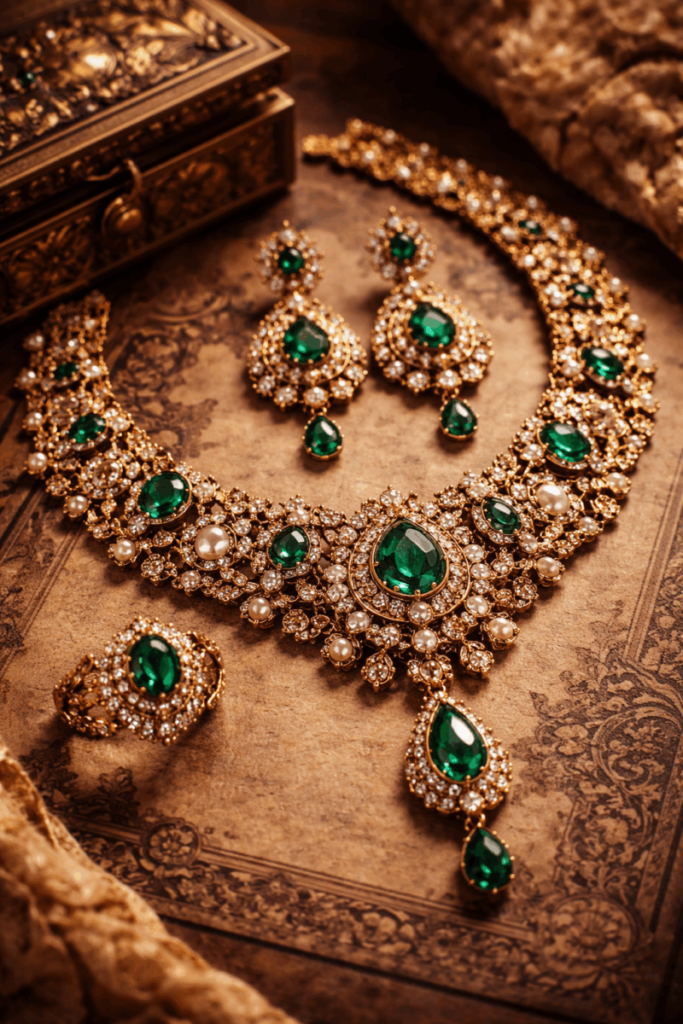
The Cultural Space of Jewelry
Every object needs its context.
Antique-style jewelry often appears in quiet spaces: a study, a workbench, a corner of old furniture. It does not strive to become the visual center, yet it forms a subtle harmony with its surroundings. This understated presence aligns perfectly with the cultural temperament it represents—restrained, introspective, and enduring over time.
In such a space, jewelry ceases to be an “object on display” and becomes an “object to be understood.”
Quiet and Enduring Presence
The power of culture does not come from noise.
When a piece of antique-style jewelry is repeatedly worn, put away, and taken out again, the meaning it carries accumulates over time. It records the changes of life while accompanying the passage of time.
Perhaps the truest state of culture is like this—never needing to be loudly proclaimed, yet always present.
Related Posts