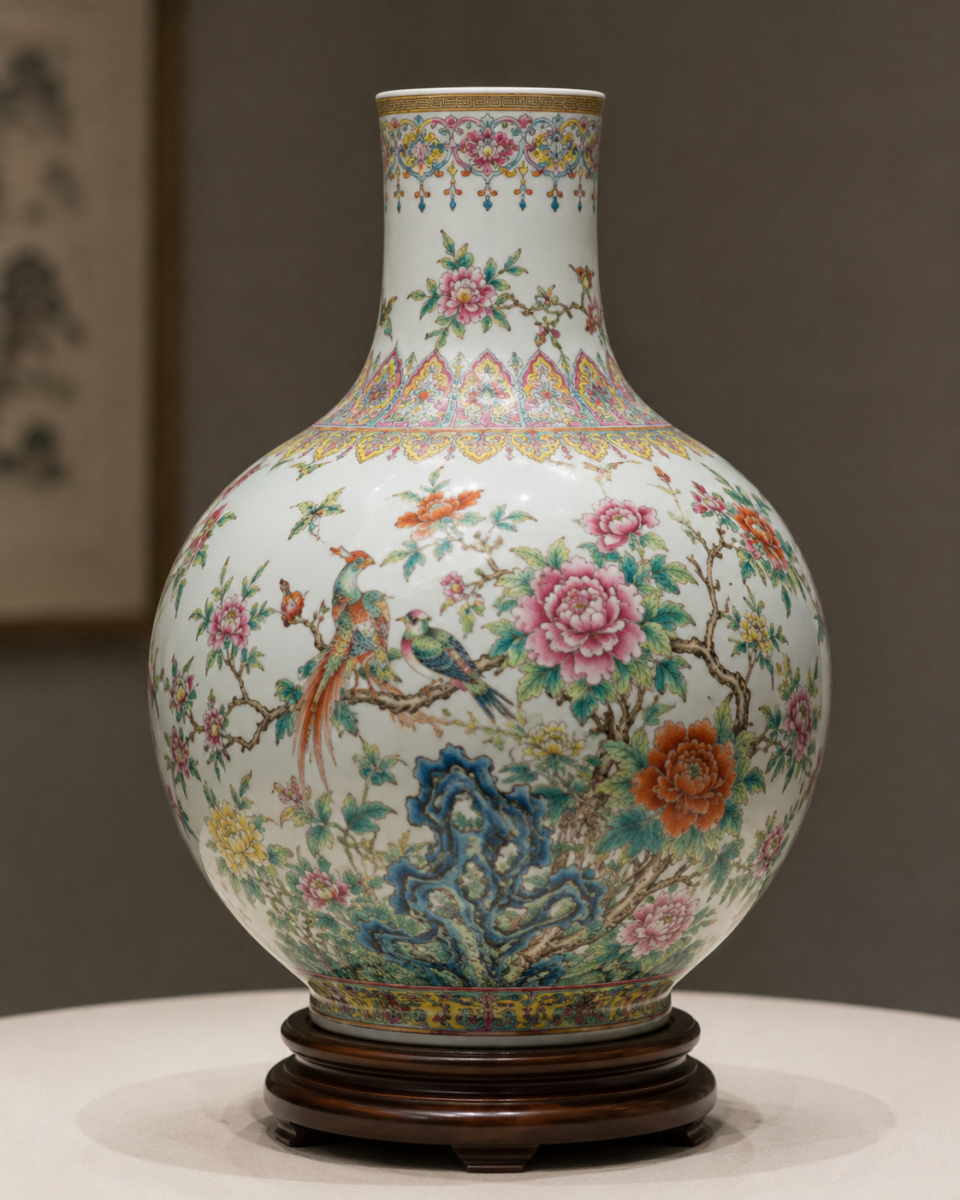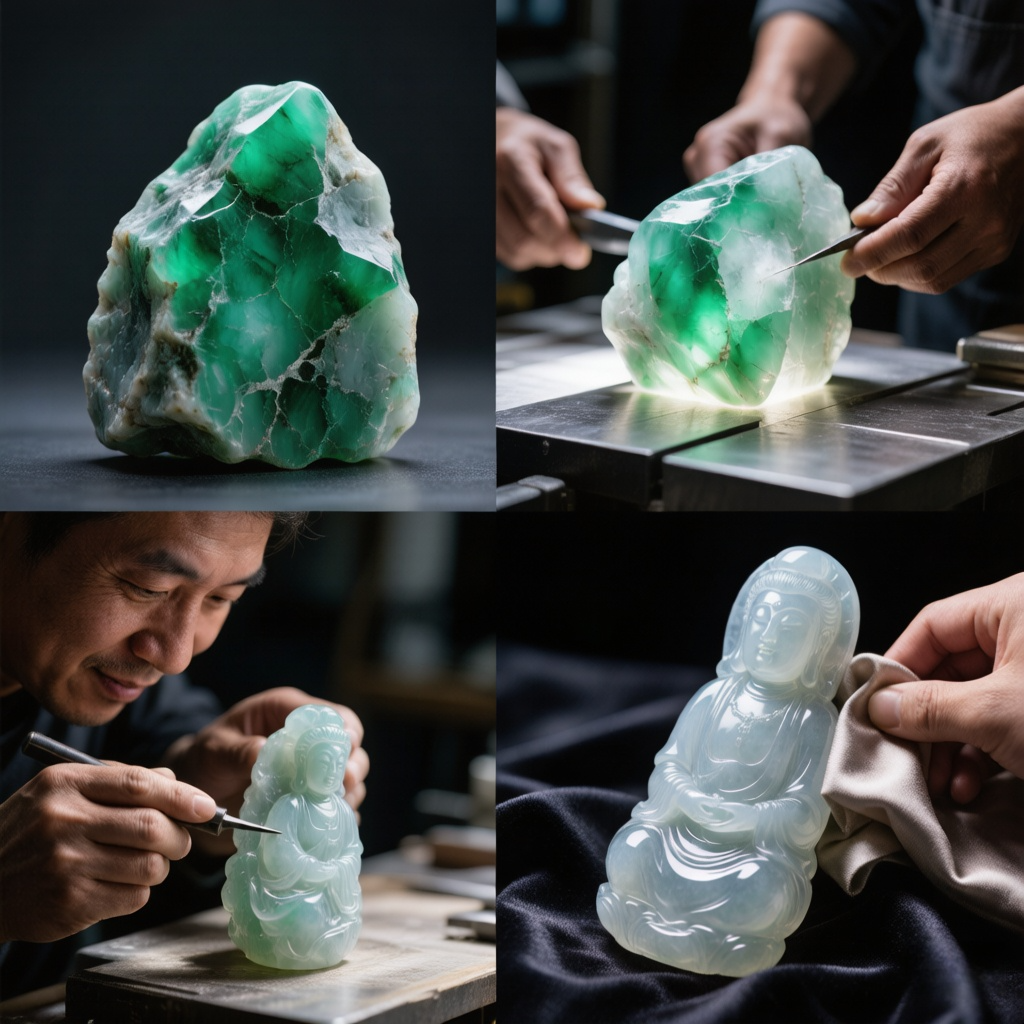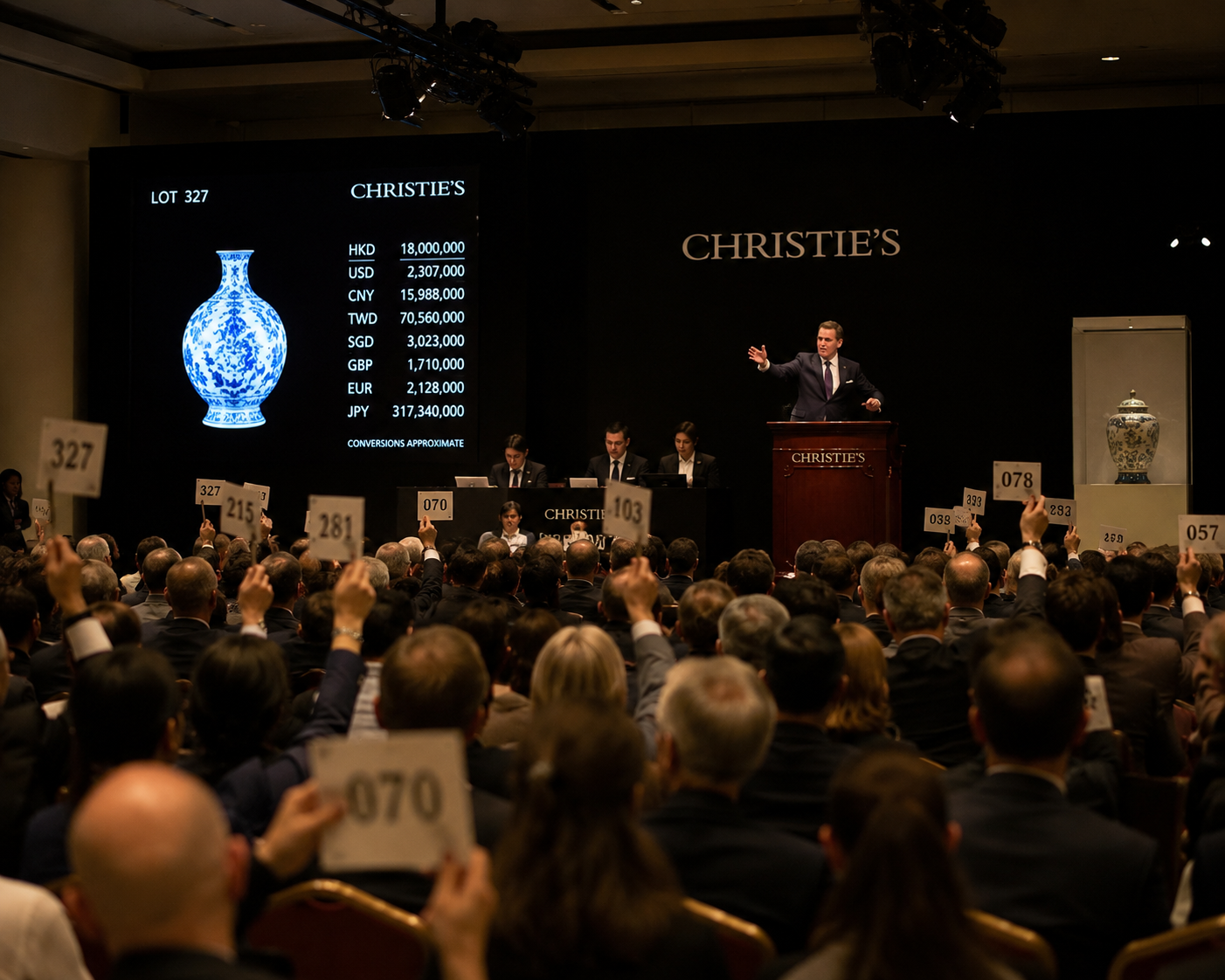
In recent years, as Chinese antique ceramics have continued to attract attention in the international…
The Aesthetic World of Japanese Collectors: Tradition, Refinement, and a Global Perspective
In the global landscape of the art market, Japanese collectors have long played a discreet yet influential role. Characterized by their refined aesthetic sensibilities, long-term collecting philosophy, and deep devotion to traditional craftsmanship, they represent a unique cultural phenomenon. This community may not seek the spotlight, but they consistently drive the circulation and redefinition of value in Asian—and even global—artworks through auctions, antique shops, and galleries.
1. Aesthetic Preferences: Depth, Elegance, and a Reverence for Craftsmanship
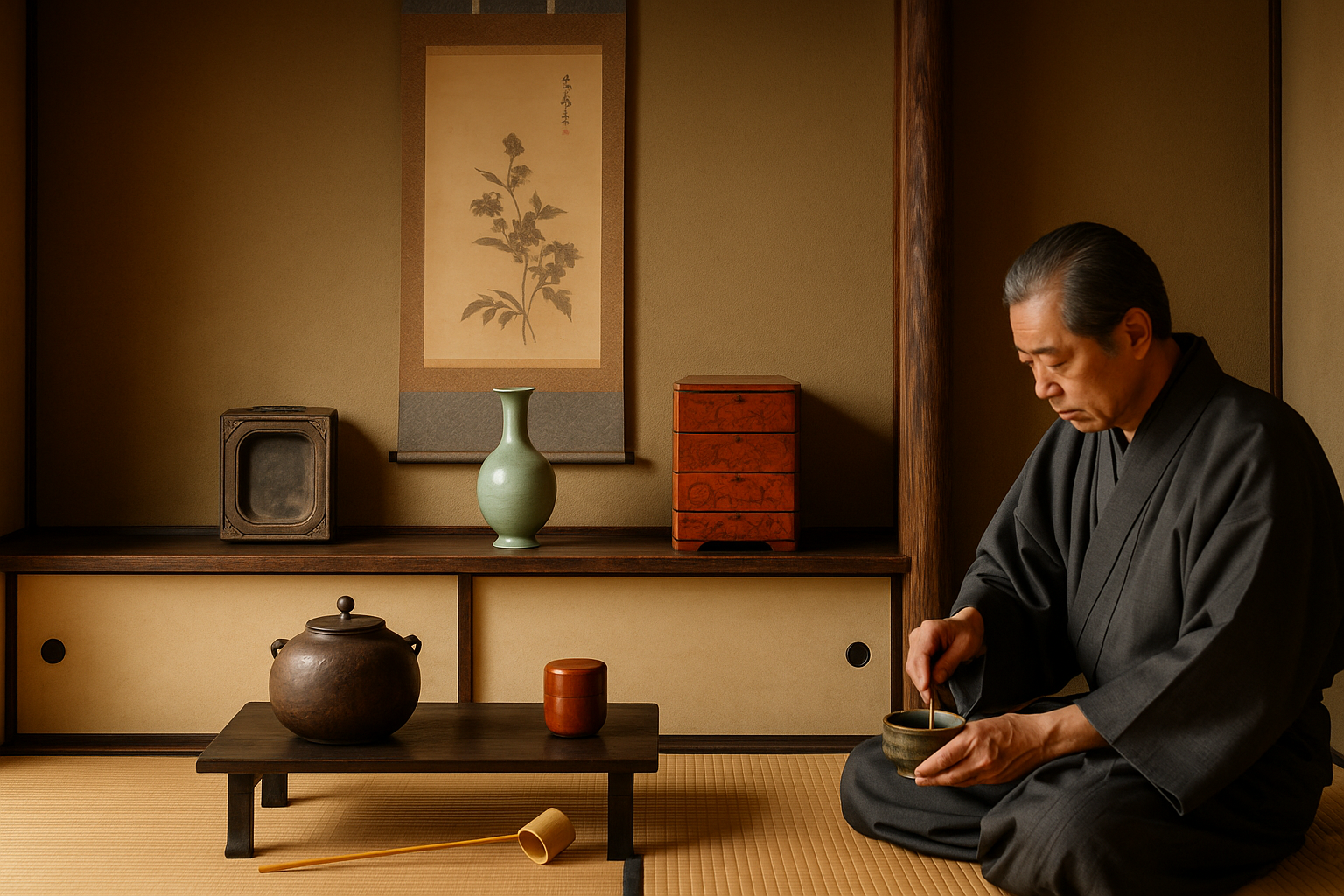
In contrast to Western collectors, who often favor opulent, large-scale works with strong visual impact, Japanese collectors tend to gravitate toward the aesthetics of wabi-sabi and what might be called “subtle luxury.” Whether it is Song-dynasty celadon, Edo-period paintings and calligraphy, lacquerware, tea utensils, or ancient bronzes, what they value most is the intent and spirit embodied in each object, emphasizing a symbiotic relationship between people and things.
This aesthetic philosophy is deeply intertwined with the culture of tea ceremony and Zen Buddhist thought. Qualities such as the “beauty of imperfection” and “traces of time” are seen not as flaws but as marks of wisdom and depth. As a result, ancient inkstones with repair marks, weathered wooden Buddhist statues, and Ming porcelain with worn rims often achieve prices in the Japanese market that exceed international averages.
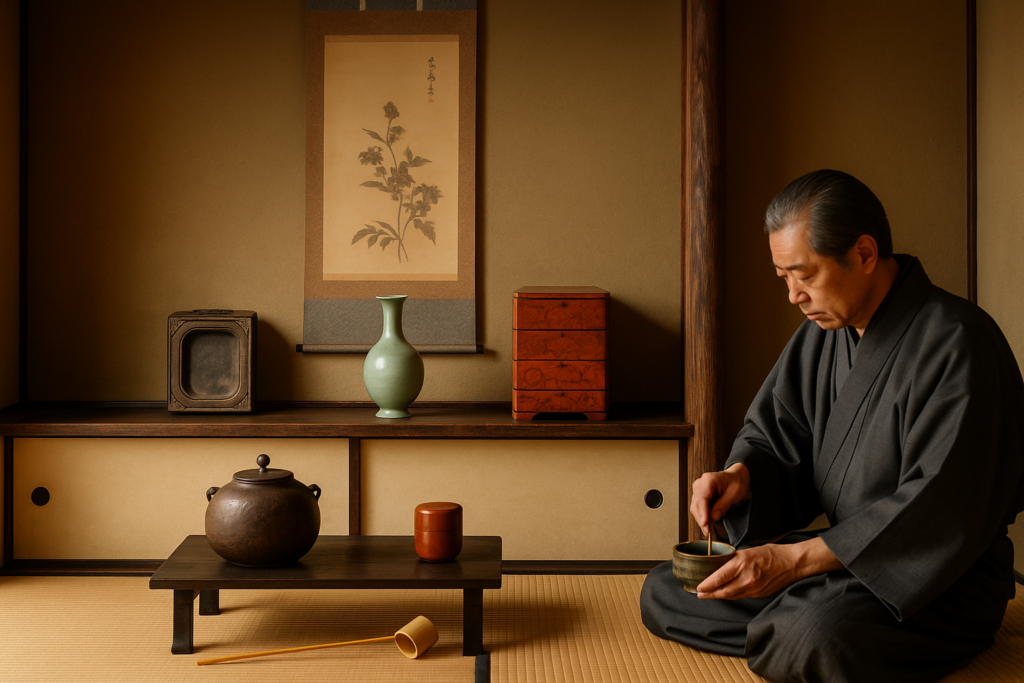
2. Collecting Behavior: Low-Key, Meticulous, and Long-Term Commitment
Compared to some collectors who view collecting primarily as an investment, Japanese collectors tend to establish a more “lifestyle-oriented” relationship with their collections. They are usually not in a rush to trade but instead deepen their understanding of the cultural background of their items through repeated research, cross-referencing literature, consulting experts, participating in small exhibitions, and joining reading groups. The collected pieces are regarded as “lifelong companions” rather than tools for short-term capital operations.
The uniquely Japanese culture of “family heirloom collections” also shapes this group’s generational continuity. For example, many antiques have been collected starting from grandparents and passed down through generations, sometimes even displayed or enshrined in dedicated rooms within the home. This “daily respect” for their collections also leads them to be extremely particular about preservation environments and restoration methods.
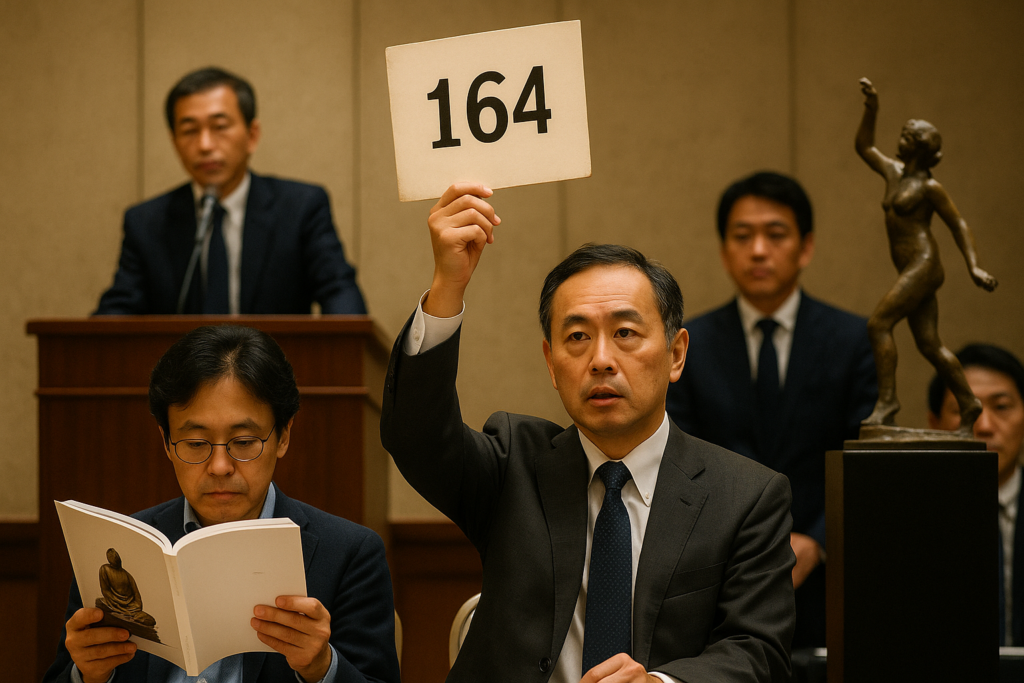
3. Market Behavior: Emphasis on Research, Avoidance of Hype
In the auction market, Japanese collectors often do not appear prominently during previews but are decisive and strategic when placing bids. They excel at uncovering “overlooked value” across major auction houses worldwide, particularly favoring items with “East Asian cultural contexts,” such as Tang dynasty pottery figurines, Ming and Qing dynasty paintings and calligraphy, the Four Treasures of the Study, and Chinese export porcelain.
At the same time, they place far greater importance on “lot descriptions” than collectors from other regions. They frequently request original catalogs, high-resolution close-up images, comparative literature, and even carbon-14 dating data from auction houses. This practice has, to some extent, raised the standards for research and documentation in the auction industry, indirectly promoting the professional development of the market.
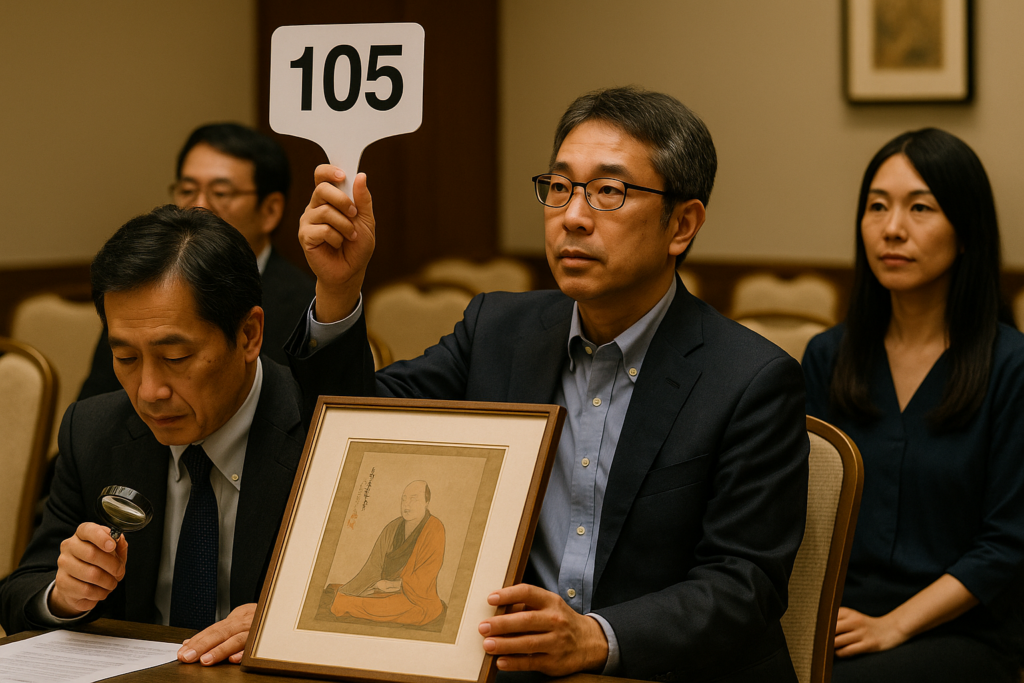
4. Influence and Cultural Export
Although Japanese collectors are not as conspicuous in the international art discourse system as Middle Eastern consortia or Western funds, their actions continue to influence the direction of the Asian art market. For example, longstanding antique shops in Tokyo such as “Ryūsendo” and “Fuyando” have long supplied collections to museums in Europe and America. Meanwhile, private collections like the Nezu Museum, Eisei Bunko Museum, and Idemitsu Museum of Arts have expanded the international influence of East Asian classical art through exhibitions and publications.
In addition, in recent years, younger Japanese collectors have begun to emerge. They are more open to contemporary art, design, and cross-media practices, while still maintaining a rational path of “research—understanding—collecting.” This generational shift has brought a new language of collecting and has helped the Japanese art market seek a new balance between tradition and contemporary art.
Related Posts