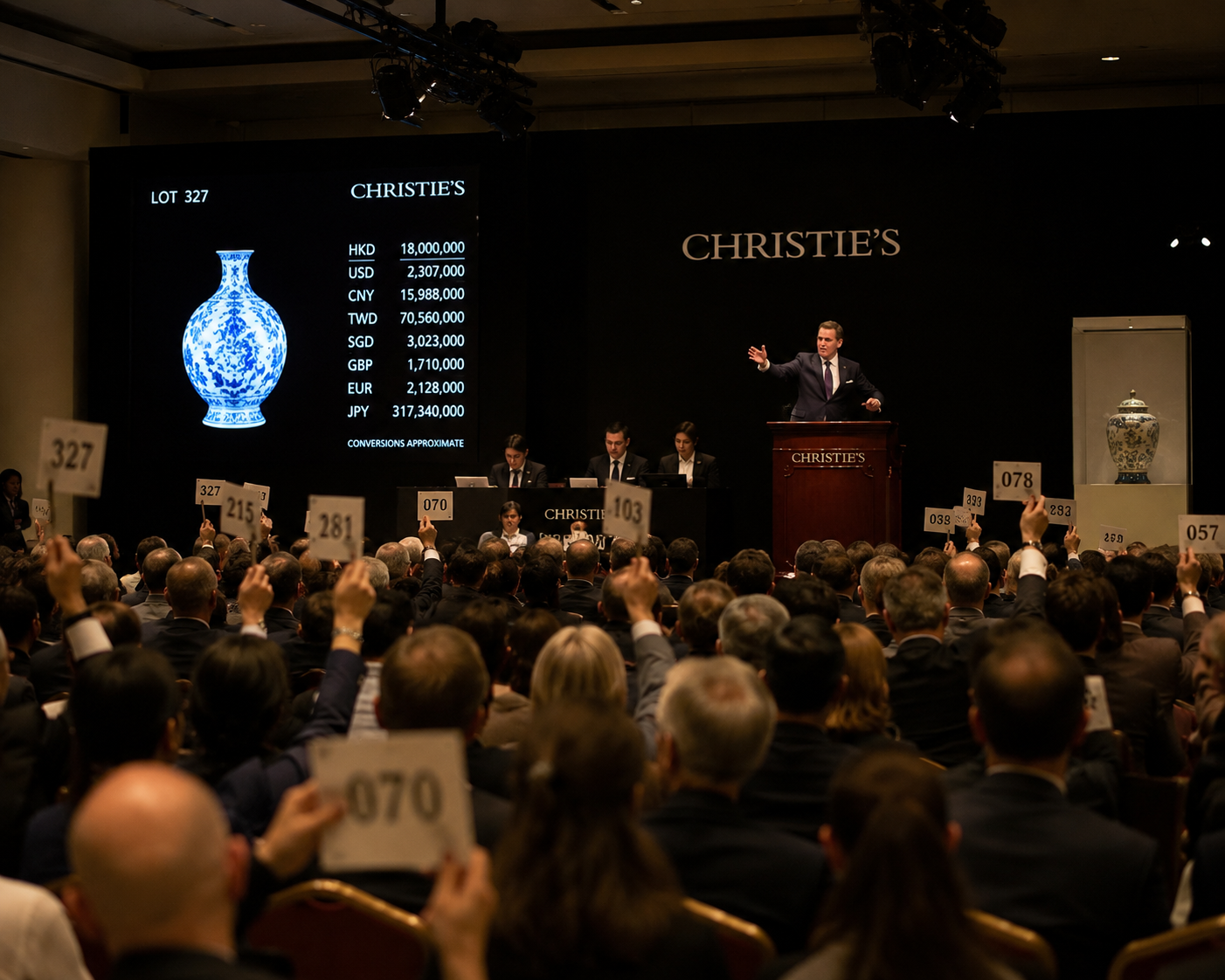
In recent years, as Chinese antique ceramics have continued to attract attention in the international…
“Poems of the Creators”: A Timeless Feast of Artifacts
In the long river of human civilization, artifacts are undoubtedly the poems left by creators in the world. They carry the traces of time, embody the dedication of craftsmen, and across time and space, tell us stories of the past, revealing the aesthetics and wisdom of different eras.
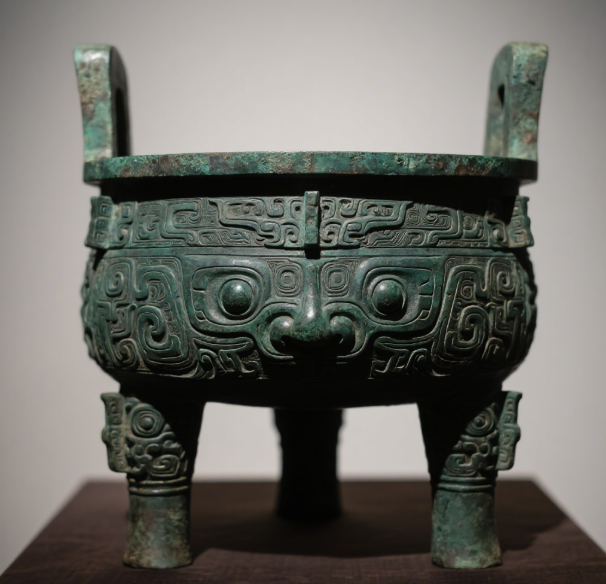
When we step into this timeless feast of artifacts, the first thing that catches our eye may be an ancient bronze ware. Bronze vessels from the Shang and Zhou dynasties, with their solemn and majestic shapes and intricate, exquisite patterns, became symbols of power and belief in that era. Every texture and every casting mark seems to recount the rituals, wars, and social order of the time. They are epics of the Bronze Age—majestic and profound.
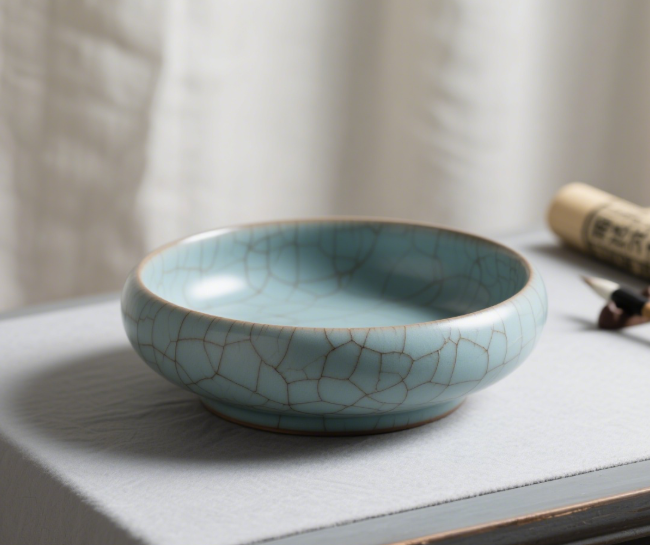
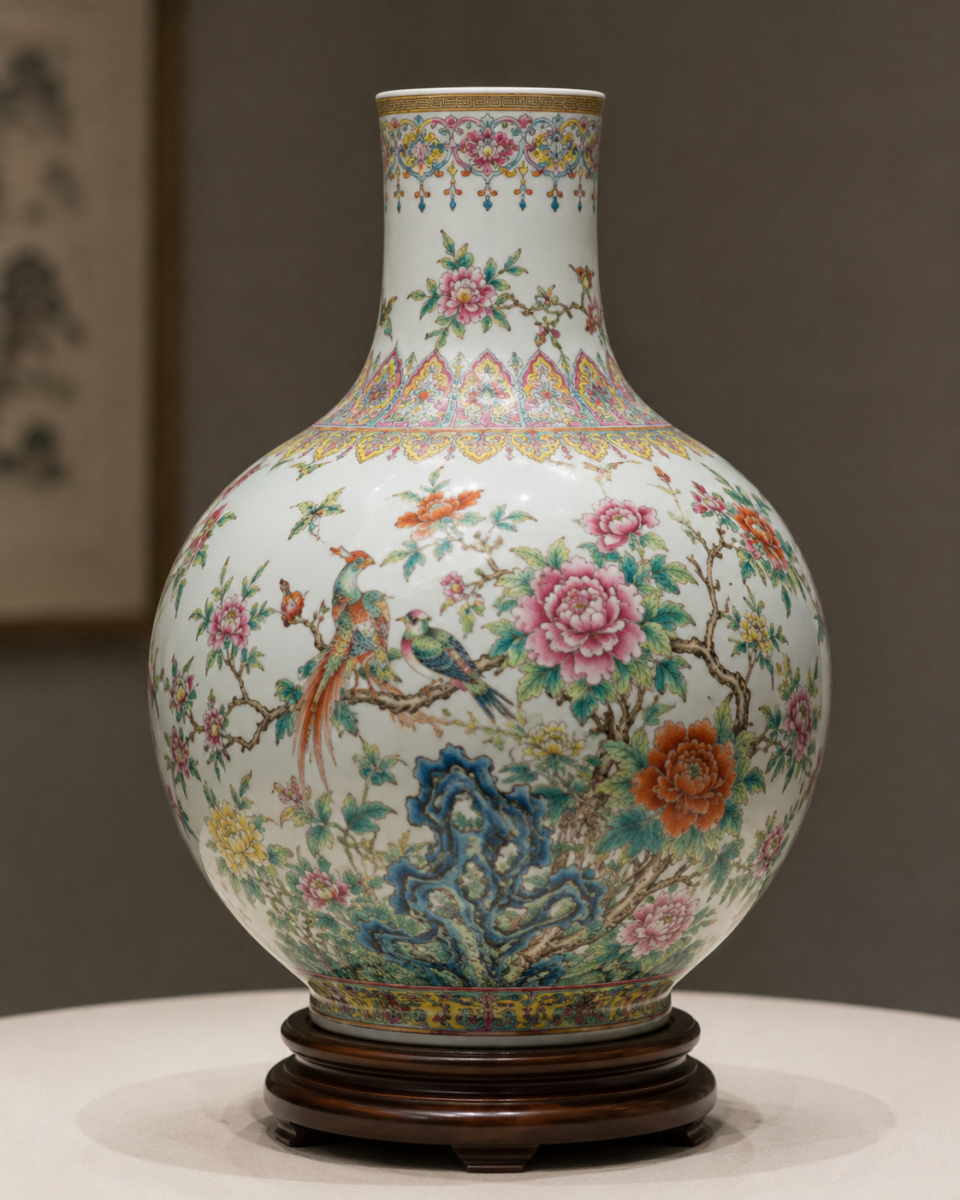
As time flows, we enter the world of porcelain. Porcelain is undoubtedly one of China’s greatest contributions to world civilization. From the simple primitive celadon to the “southern celadon and northern white” of the Tang Dynasty, and then to the unparalleled elegance of the five great kilns of the Song Dynasty, the development of porcelain is like a beautiful lyrical poem. The sky-blue glazed washer from the Ru Kiln of the Northern Song Dynasty, with its glaze as smooth as condensed fat, sky-blue as fresh as emerald, and ice cracks as clear as crystal, and its elegant shape, perfectly embodies the Song Dynasty’s aesthetic pursuit of nature, subtlety, and simplicity. In the Song Dynasty, porcelain was not only a practical utensil but also a refined decoration on the desks of literati and scholars, carrying their love for life and pursuit of beauty.
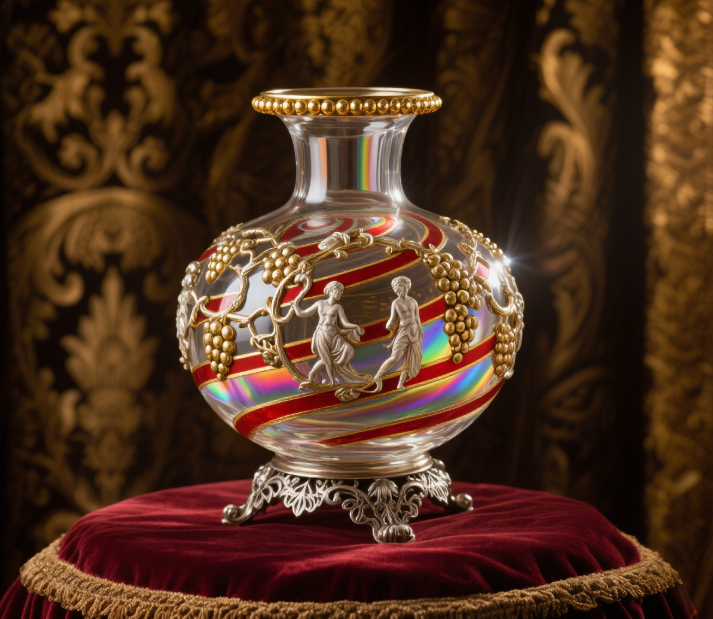
Turning our gaze to another land in the East—Japan—we can see the unique Oriental philosophy embodied in its artifacts. Japanese ceramic works, especially those with wabi-sabi beauty, are like haikus filled with Zen. They do not pursue perfection; instead, they find beauty in imperfection and simplicity. In their simple forms lies a profound understanding of nature and life. This wabi-sabi aesthetic allows us to find a sense of inner peace and tranquility in the fast-paced modern life.
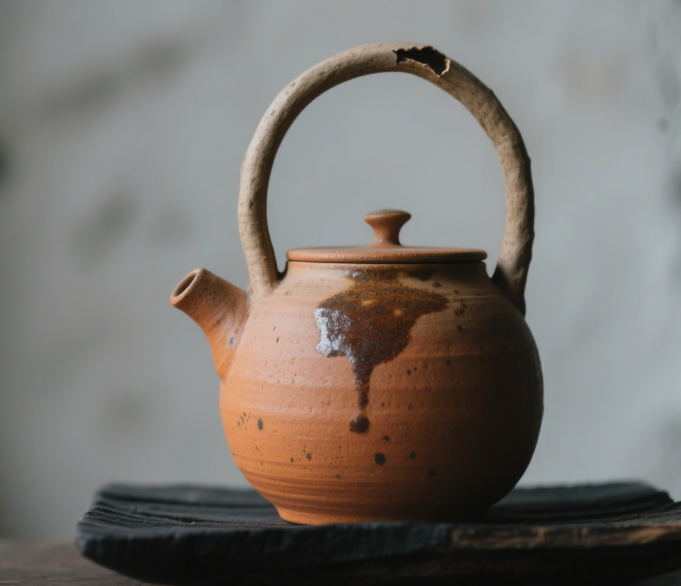
In the distant West, there is also a splendid civilization of artifacts. European glass craftsmanship, evolving from ancient Roman times, underwent the accumulation of the Middle Ages and reached new heights during the Renaissance. Those exquisite glass artifacts, crystal clear and colorful, are like poems in a dream. They not only showcase superb craftsmanship but also integrate the artistic styles and cultural connotations of the time, becoming a unique bright spot in Western civilization.
This feast of artifacts is more than just a display of objects; it is a dialogue across time and space. Artifacts from different regions and eras collide and blend here, allowing us to appreciate the boundless charm of human creativity. They are poems written by creators with their hands—some majestic, some graceful, some simple, some gorgeous—but all reveal humanity’s yearning and pursuit of a better life. Let us immerse ourselves in this feast, listen carefully to the whispers of these artifacts, and feel the light of civilization that transcends time and space.
Related Posts