In recent years, as Chinese antique ceramics have continued to attract attention in the international…
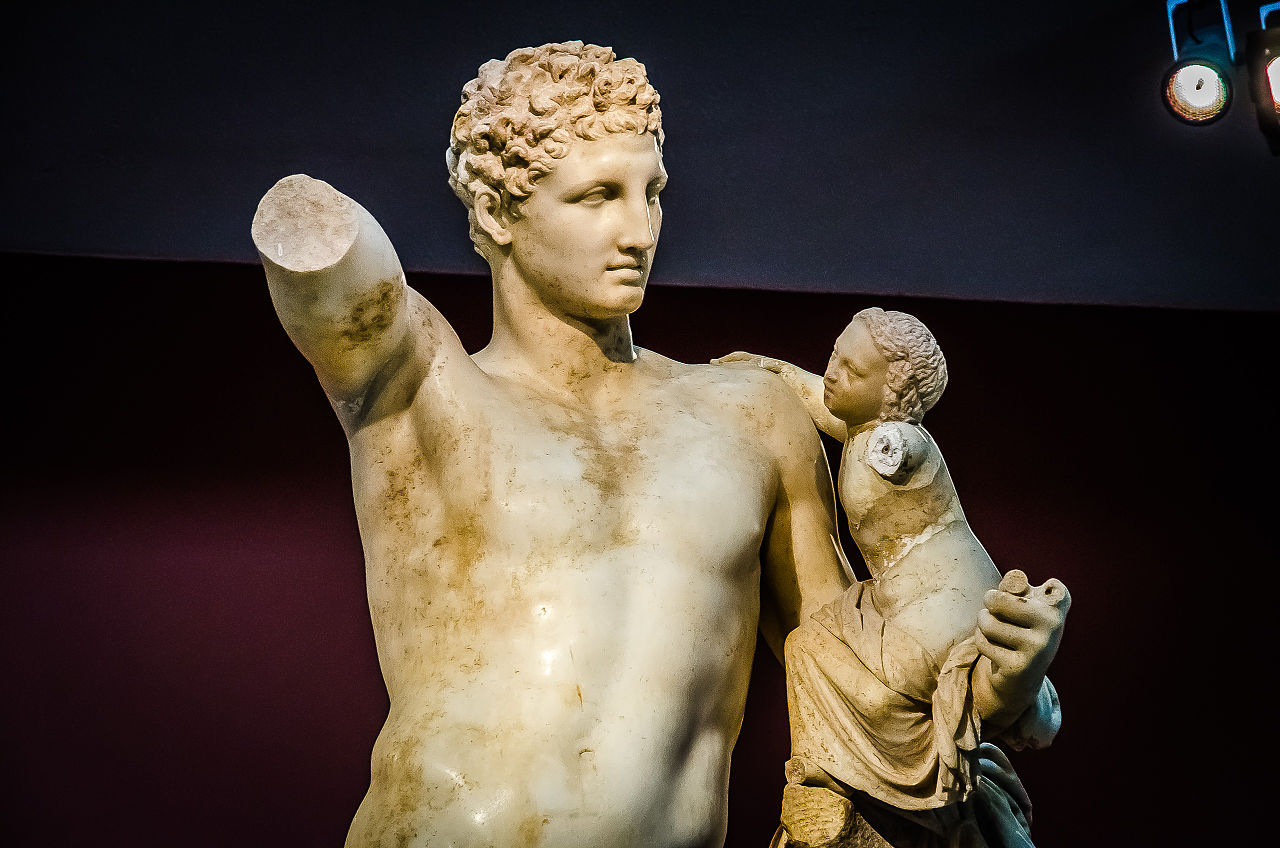
Sculpture: Three-Dimensional Memory, Silent Language
In the long course of human art, sculpture is undoubtedly one of the most ancient and enduring art forms. Using materials such as stone, wood, metal, clay, and even modern media, sculpture solidifies thought, belief, history, emotion, and aesthetics into three-dimensional space. Sculpture is not just a physical form—it is a cultural sediment, one of the deepest annotations of human civilization.
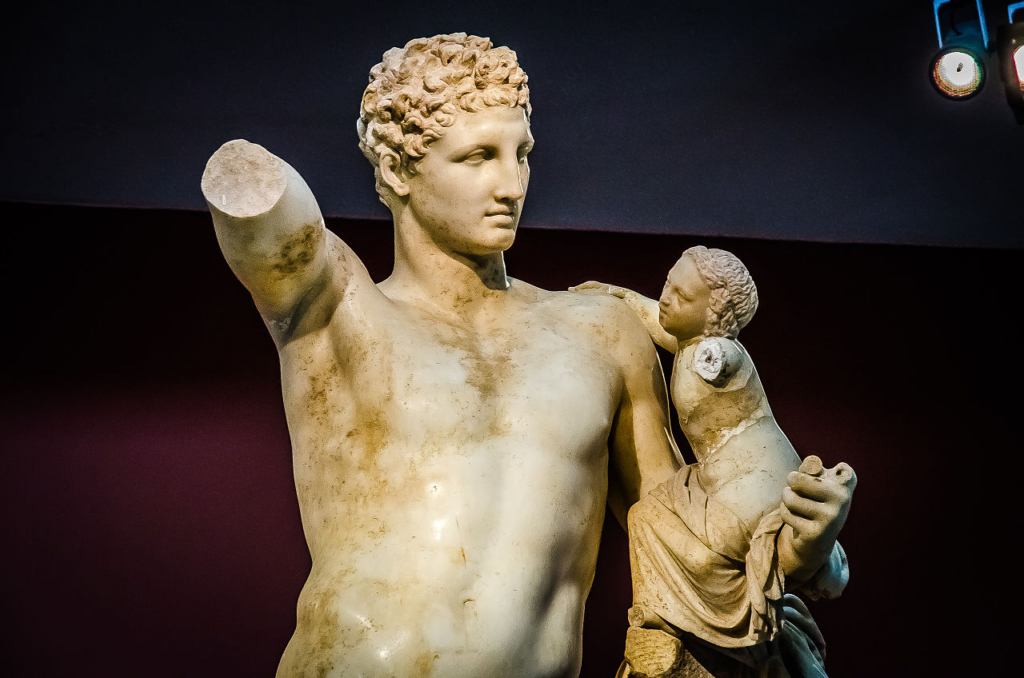
I. From Totem to Art: The Cultural Roots of Sculpture
The origins of sculpture trace back to prehistoric times. As early as the Paleolithic era, humans began carving simple totems and idols from stones, bones, and ivory—such as the “Venus figurines” unearthed in Europe. These sculptures, symbolizing fertility and life, served both as religious icons and cultural symbols.
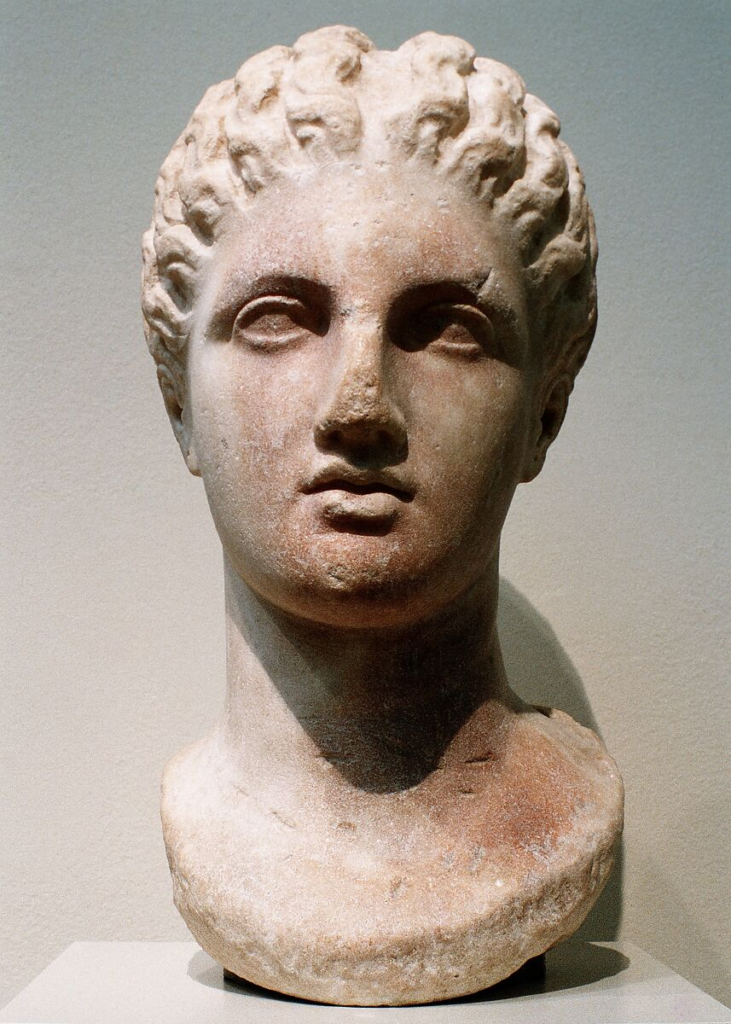
With the rise of ancient civilizations, sculpture became even more prosperous. In ancient Egypt, it was used in temples and tombs as a medium to communicate with the divine. In ancient Greece, sculpture embodied the ultimate pursuit of the beauty of the human body, expressing ideals of rationality, harmony, and proportion. In China, from the Han Dynasty’s tomb sculptures to the Buddhist grottoes and the stone lions and archways of the Ming and Qing Dynasties, sculpture carried rich religious, ethical, and aesthetic meanings.
Sculpture holds cultural significance because it not only reflects the societal structure and technological level of its time but also mirrors people’s worldviews and values. In eras without writing, photography, or film, sculpture was a tangible carrier of memory and heritage.
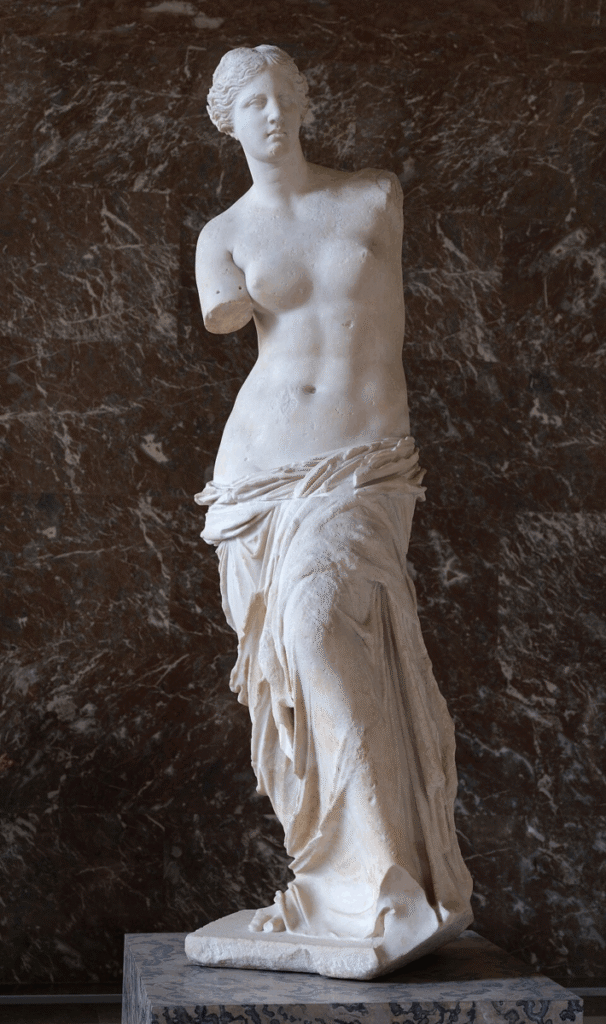
II. The Language of Sculpture: Dialogue of Material, Form, and Space
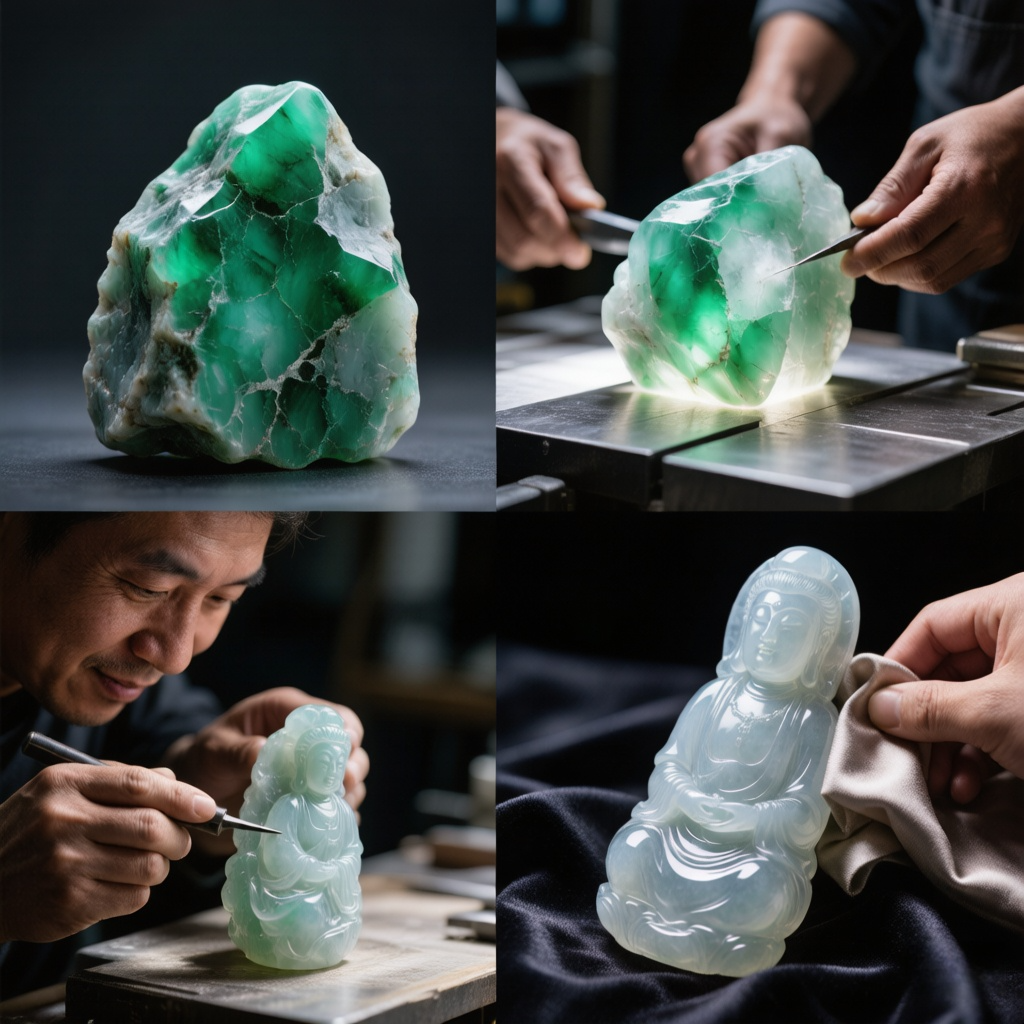
Sculpture differs from painting in that it must “dance” with space. Whether it’s a majestic public monument, a delicately crafted Buddha statue, mask, or relief, sculpture speaks a three-dimensional language.
Material is a crucial element in sculptural expression. Stone is hard and solemn, ideal for conveying permanence and gravity; wood is warm and organic, often used in folk and religious contexts; metal sculptures combine strength with a modern aesthetic. China’s traditional bronze sculptures embody the ritual and musical culture of ancient civilization, while modern materials like stainless steel, glass, and resin give sculpture a futuristic edge.
Form is another part of the sculptural language. From realism to abstract expression, from figurative symbols to spatial installations, sculpture constantly evolves and innovates. For example, Michelangelo’s David seeks to portray the perfect proportions of the human body, while Henry Moore’s abstract curves evoke the forms of life and a dialogue between man and nature.
More importantly, sculpture is never isolated—it is inseparable from its environment. Whether it’s a monument in a city square, a landscape piece in a garden, or an installation on the street, sculpture interacts with surrounding architecture, light, and people, shaping a unique cultural atmosphere.
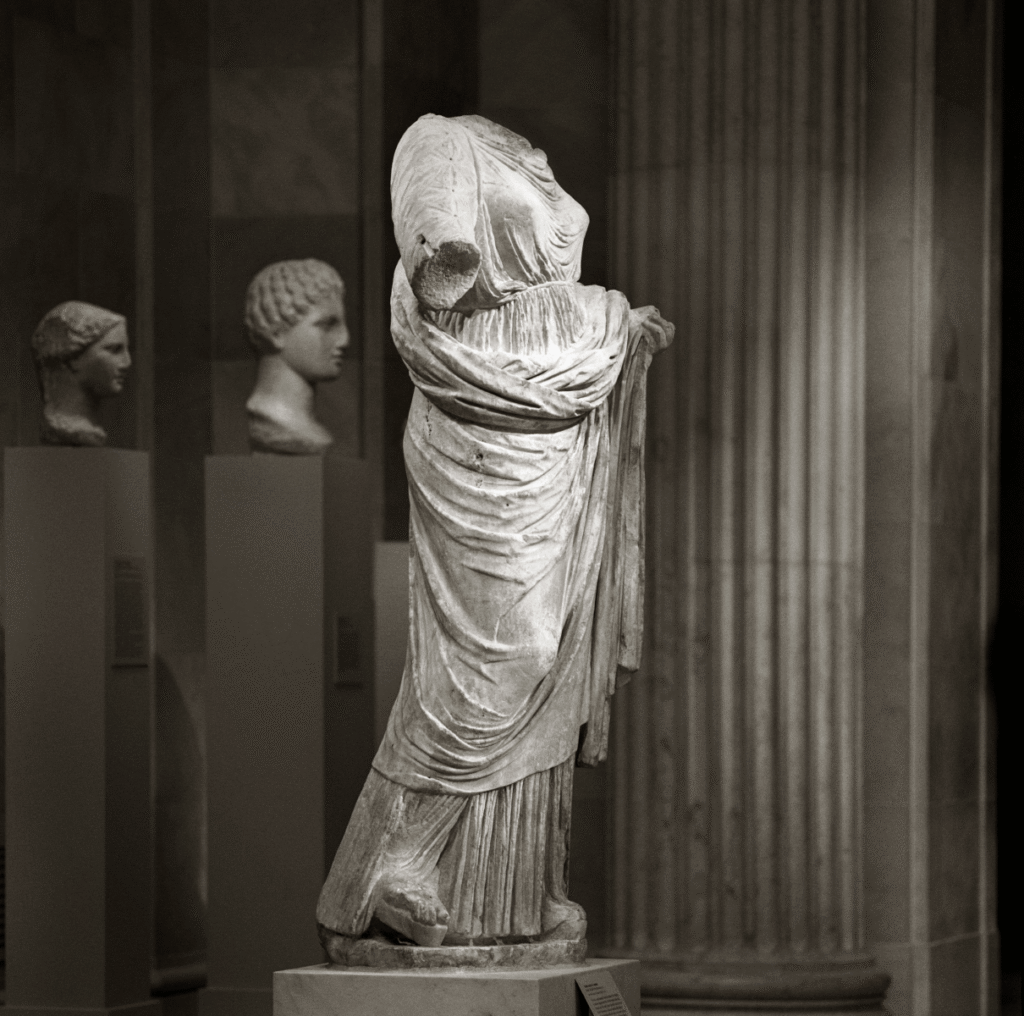
III. Sculpture and the Times: From Monuments to Public Art
As society evolved, sculpture gradually moved beyond the confines of courts, temples, and tombs and entered broader public spaces. It is no longer just a symbol of power and religion but has become an essential part of urban culture.
Monuments were the earliest form of public sculpture. From the Arc de Triomphe in Paris, the Lincoln Memorial in Washington D.C., to the sculptures at the Nanjing Massacre Memorial Hall, these commemorative sculptures carry historical memory and serve as reminders to never forget the past.
Modern sculpture, however, places more emphasis on interaction and aesthetic experience. It is not merely something to “look at” but also something to “engage with.” Yayoi Kusama’s polka-dot pumpkins, for instance, have become global selfie hotspots and break down the barriers between art and the public. In China, urban sculptures, campus sculptures, and metro installations are increasingly common, integrating sculpture into the everyday life of citizens.
In the new era, sculpture is being endowed with more diverse functions—it can beautify a cityscape, provoke thought, convey social issues, or express personal emotion.
IV. The Future of Sculpture: The Intersection of Technology and Tradition
With technological advancements, sculpture has entered a brand-new phase. Technologies like 3D printing, artificial intelligence, and virtual reality offer unprecedented possibilities. Artists can model through programming and directly “print” their works; digital sculpture can exist in virtual form, independent of physical materials, within the metaverse.
At the same time, the value of traditional craftsmanship is being re-evaluated and respected. Chinese traditional techniques in wood, brick, and stone carving are experiencing a revival under the promotion of intangible cultural heritage protection, becoming a powerful expression of cultural confidence. Increasingly, young sculptors are seeking a balance between tradition and modernity—both inheriting craftsmanship and embracing technology.
The future of sculptural culture will no longer follow a single linear path but will move toward a state of fusion and diversity. Whether in the avant-garde explorations of tech-based art or the emotional expressions of folk craft, all of it represents the rich expansion of sculptural culture.
Conclusion: Sculpture is Frozen Time
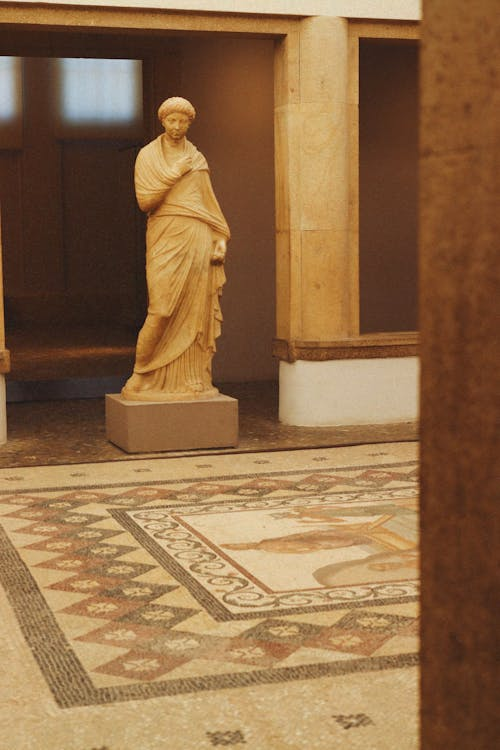
Sculpture is frozen time. It is a three-dimensional language. It is the soul condensed into material. It transcends eras and regions, bearing humanity’s dreams, beliefs, and memories.
In this fast-paced, information-driven age, we may need more than ever this kind of “slow” art form. To touch the texture of a sculpture, to feel the stories and culture behind it, to contemplate the relationships between people and objects, people and space, people and history.
Sculpture is not cold stone—it is culture with warmth, a corner of our innermost spirit—where echoes of the past meet whispers of the future.
Related Posts