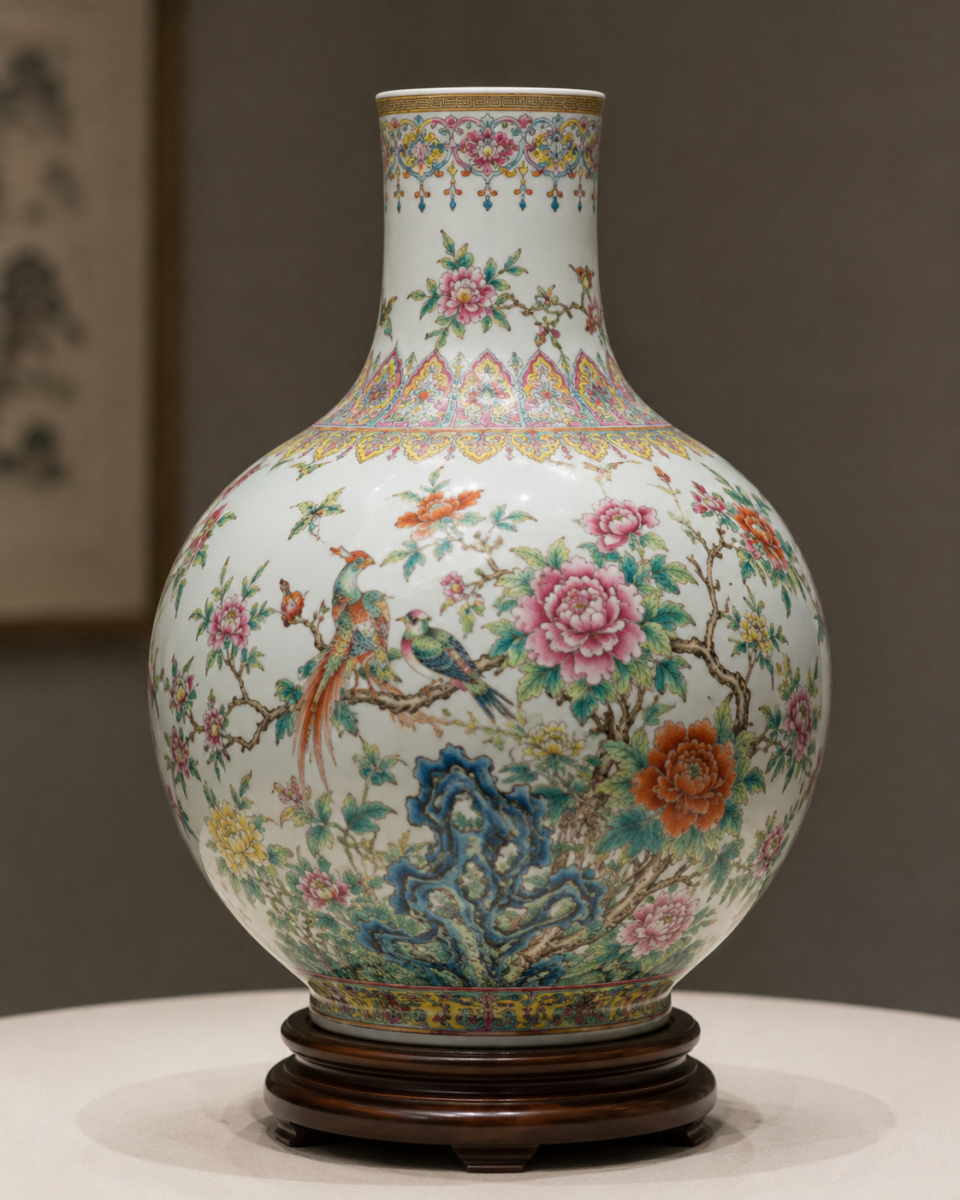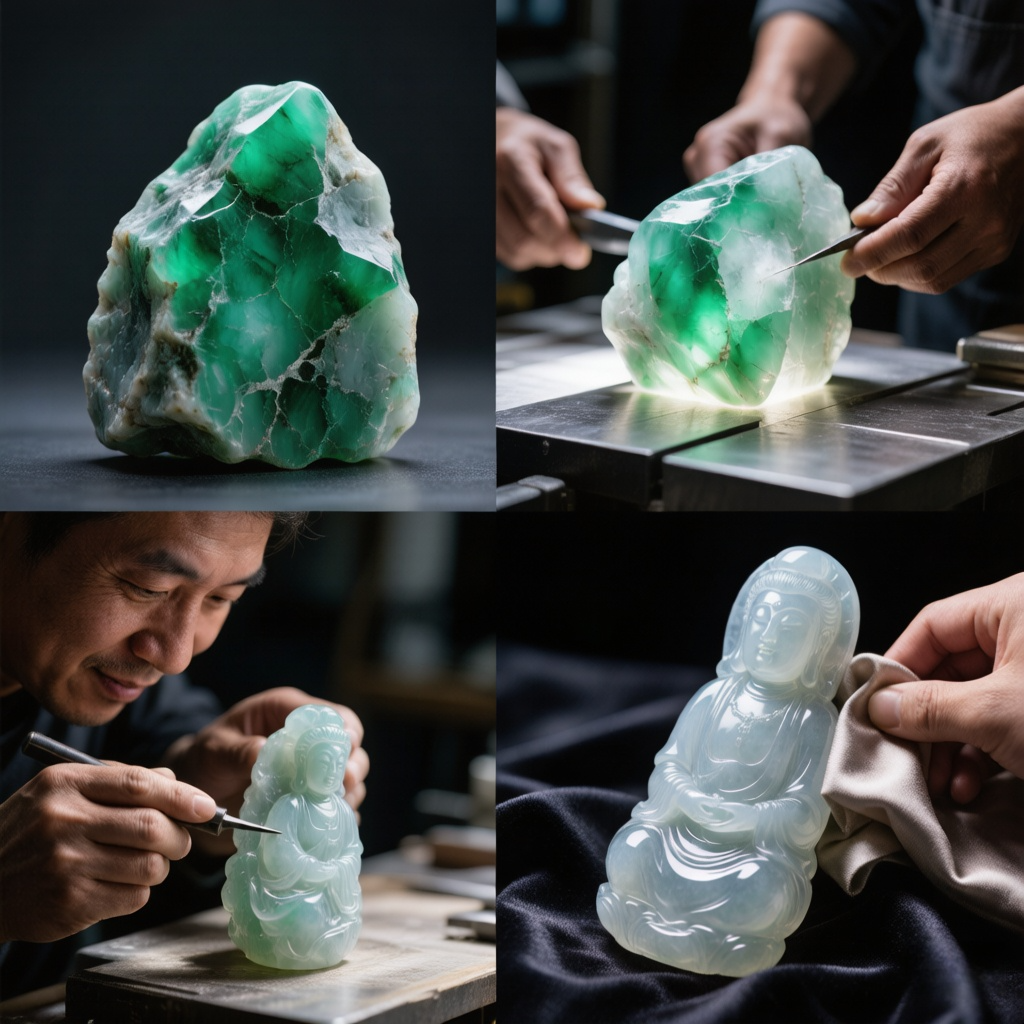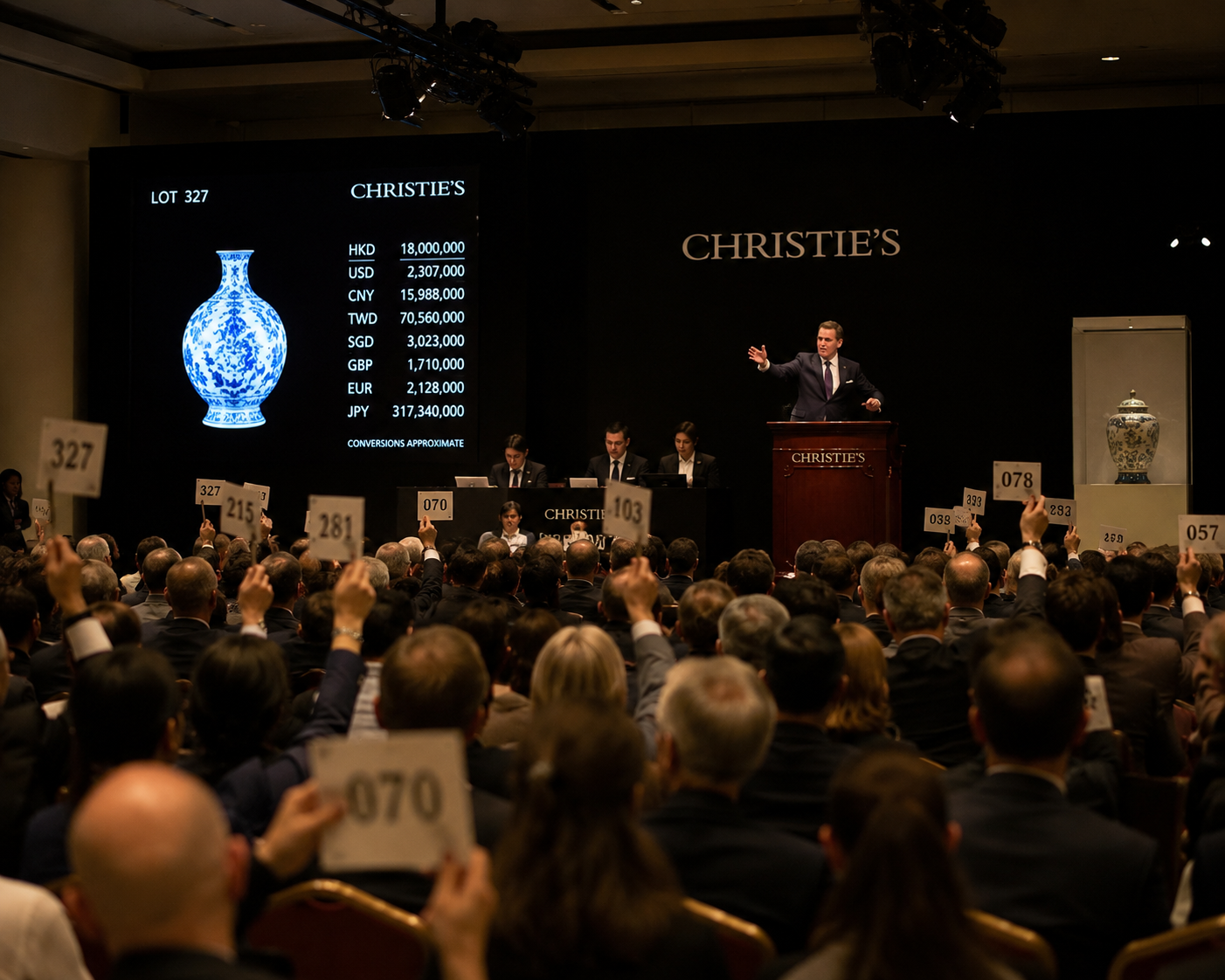
In recent years, as Chinese antique ceramics have continued to attract attention in the international…
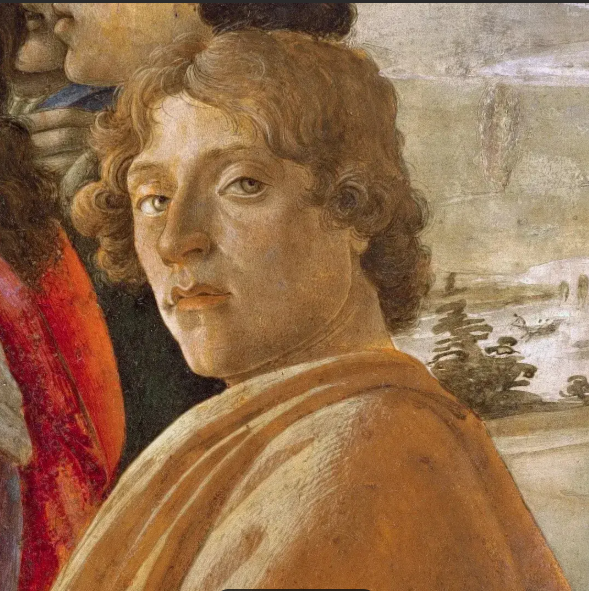
Sandro Botticelli: A Poetic Pioneer of the Renaissance
Sandro Botticelli (1445-1510) was a renowned Florentine painter of the late 15th century, and the last outstanding representative of the Florentine school of the early European Renaissance. His original name was Alessandro Filippo, and his nickname “Botticelli,” meaning “little barrel,” embodies some of the most elegant lines and poetic beauty in Western art history.
The Golden Age of His Artistic Career
Born into a middle-class family in Florence, Botticelli apprenticed in a goldsmith’s workshop in his early years, later studying painting under Filippo Lippi. In 1470, he established his own studio, quickly gaining the appreciation of the Medici family and ushering in the golden age of his artistic career. In the 1480s and 1490s, Botticelli became the most famous artist in Florence, creating numerous works for the Medici family.
However, in 1492, a political upheaval occurred in Florence, the Medici family was exiled, and the religious extremist Savonarola seized power. Botticelli became a follower, even burning his own paintings at the “Bonfire of Vanity.” In his later years, his reputation declined, and he lived in poverty, dying in 1510 in poverty and loneliness. He was buried in the cemetery of the Church of All Saints in Florence.
The Artistic Appeal of His Representative Works
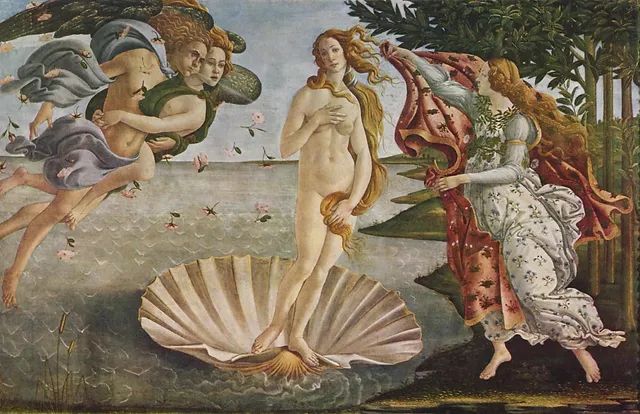
The Birth of Venus (c. 1485)
This painting is Botticelli’s most well-known work and is now housed in the Uffizi Gallery in Florence. It depicts the birth of Venus, the goddess of love and beauty, from sea foam: Venus stands on a seashell, with Zephyrus and Flora (the goddess of flowers) on her left blowing her ashore, and Spring (the goddess of spring) on her right, holding a floral robe to greet her. The goddess has fair skin and flowing golden hair, but her face carries a faint trace of melancholy and bewilderment.
Botticelli employed a unique painting technique in this work, emphasizing outlines rather than chiaroscuro to depict the human form, giving the figure a bas-relief quality. This style was quite different at the time, yet it created an elegant and delicate beauty. The image of Venus is both a tribute to ancient Greek sculpture and incorporates the painter’s unique aesthetic concepts, becoming a perfect interpretation of the Neoplatonic aesthetic concept that “beauty is eternal and unchanging.”
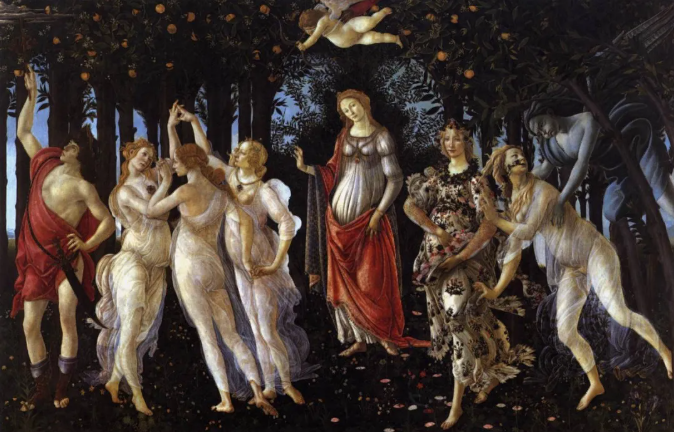
La Primavera (Spring, 1477-1480)
This painting, another masterpiece by Botticelli for the Medici family, is also housed in the Uffizi Gallery. It depicts a vibrant spring scene with Venus dancing with the gods: Venus is in the center, above her is Cupid, to her right are Zephyrus and Flora, to her left are the Three Graces, and on the far left is Mercury, the messenger. The figures are arranged in an orange grove, their postures light and graceful, full of poetry and rhythm.
La Primavera was inspired by a long poem by the poet Polytian praising Venus. Botticelli depicts the eternal spring with remarkable lightness and beauty. While the figures are graceful, a sense of melancholy lingers, reflecting the complex emotions of a political marriage. This unique style—”Botticelli’s allure”—elegant lines and a melancholic temperament—became a hallmark of his artistic style.
Artistic Style and Influence
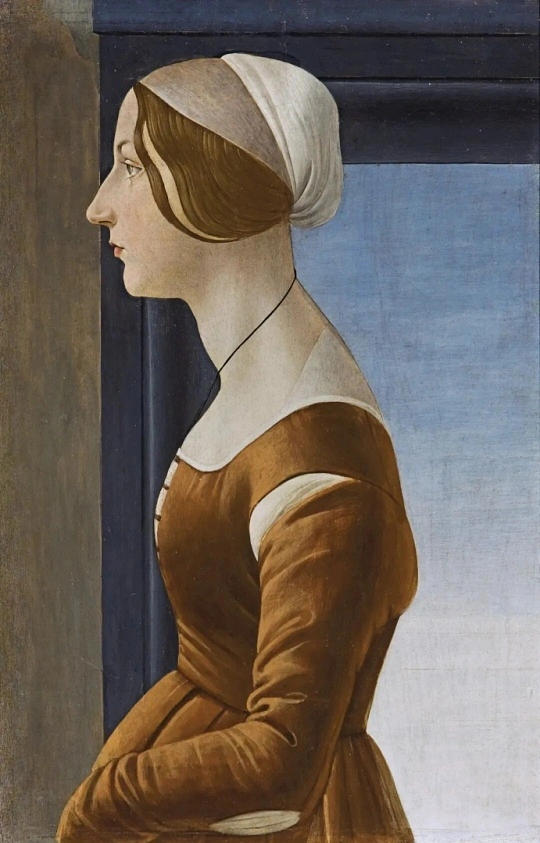
Botticelli’s painting style is elegant, beautiful, delicate, and captivating. He was particularly adept at using lines to shape figures, giving them a light and ethereal quality. His figures possess a unique “alluring” and mysterious beauty, known as “Botticelli’s allure.” This style has influenced generations of artists and continues to radiate a captivating brilliance today.
Botticelli boldly employed pagan themes opposed by the Church, painting nudes, which greatly influenced later painting. His works blended secular spirit with religious piety, pioneering a unique artistic style in the early Renaissance. In the 19th century, the Pre-Raphaelite Brotherhood rediscovered his value, calling him “the poetic forerunner of the Renaissance.”
Botticelli’s paintings are not only a visual feast but also embody an eternal dialogue between humanity and divinity, glory and disillusionment. He dedicated his life to integrating classical culture and humanistic spirit into his paintings, leaving a precious legacy for the history of world art.
Related Posts