In recent years, as Chinese antique ceramics have continued to attract attention in the international…
Ode to Iron: The Eiffel Tower and the Birth of Modern Civilization
1|The Era of Rising Steel
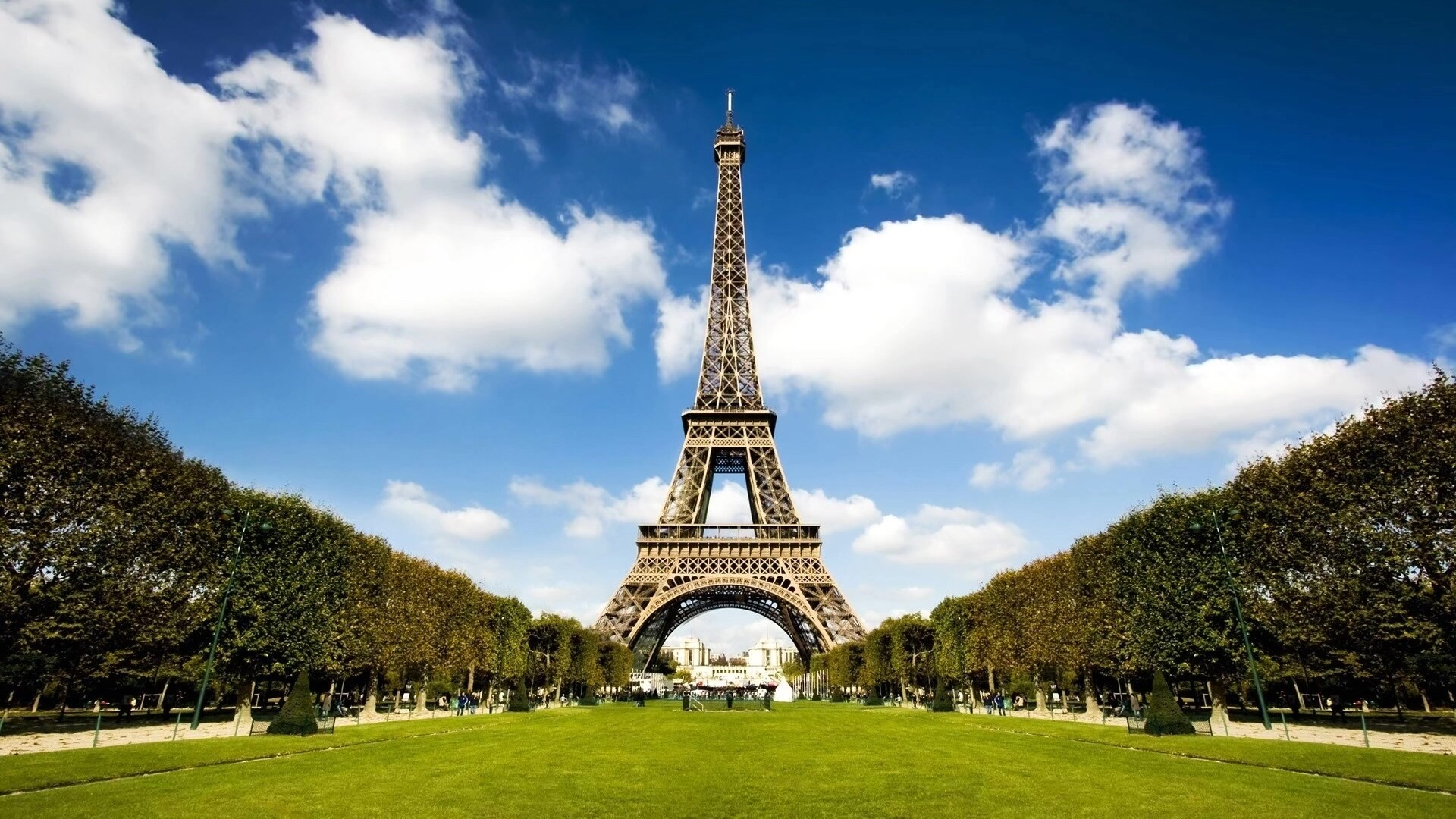
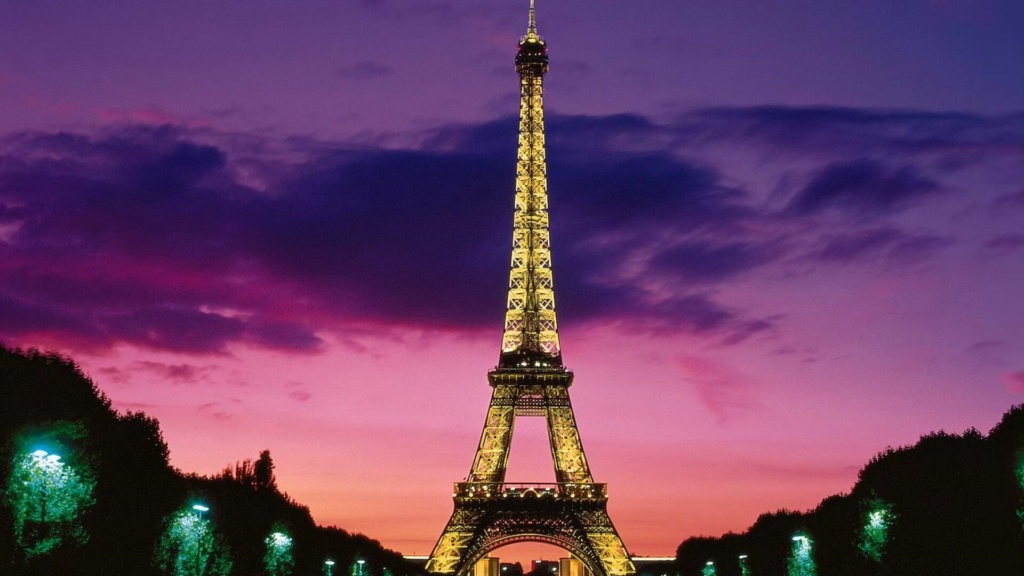
Beneath the sky on the left bank of the Seine, the Eiffel Tower stands along Paris’s urban axis with an almost rational poise. It clings to no palace, belongs to no religion; it announces a new era through its bare structure and unapologetic steel skeleton. In the late 19th century, Europe was undergoing profound transformations due to the Industrial Revolution, with steam, steel, and machinery continuously reshaping the scale and pace of cities. In 1889, to commemorate the centennial of the French Revolution, the Paris World’s Fair demanded a structure that could symbolize the nation’s technological prowess and modern spirit. It was in response to this historical need that the Eiffel Tower was born.
2|A Tower of Engineering Rationality and Controversy
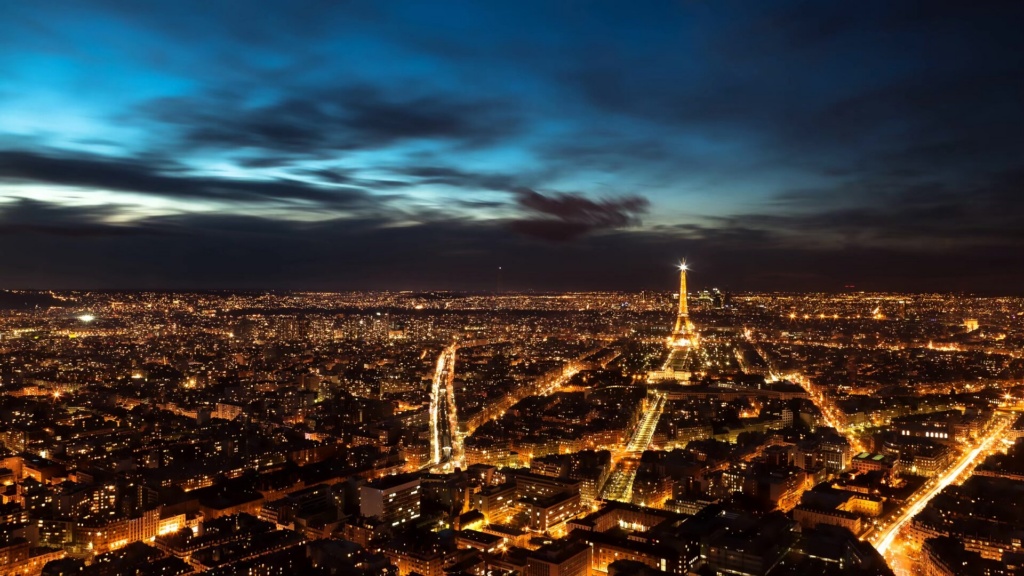
Designed by engineer Gustave Eiffel and his team, the Tower was not conceived for conventional “beauty” but as a demonstration of engineering limits: a 300-meter-tall steel structure that, at the time, nearly challenged humanity’s understanding of height and stability. Yet its appearance sparked intense controversy. Cultural figures, including writers and artists, openly opposed it, deeming the metallic giant crude and cold, incompatible with Paris’s elegant stone cityscape. Yet it was precisely this “uncompromising” nature that made the Tower a symbol of a turning era—it rejected decoration and boldly exposed its structure, responding to aesthetics through reason.
3|Structure as a Language of Beauty
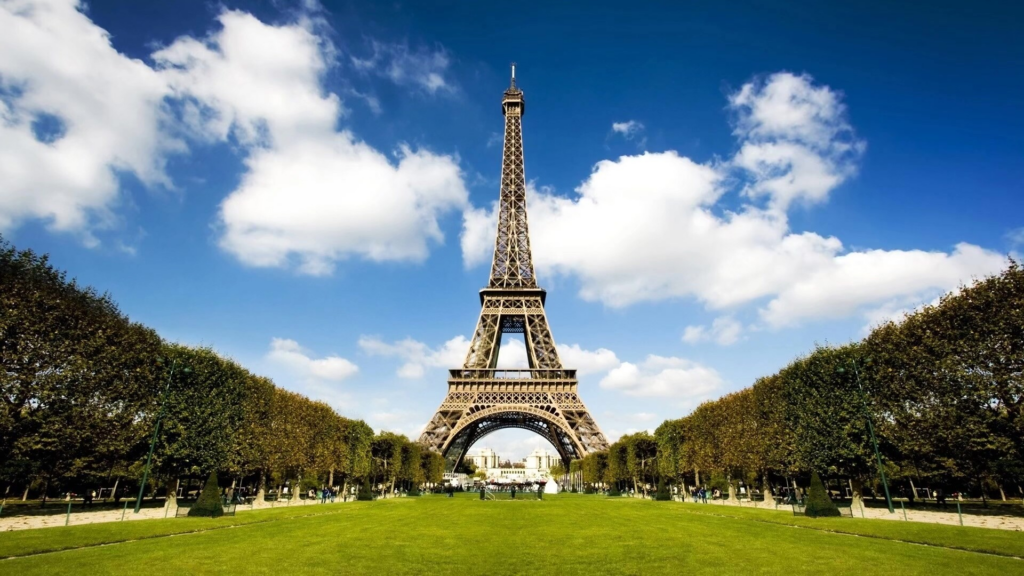
Architecturally, the Eiffel Tower is a poem written in calculations and mechanics. Its four legs splay outward to effectively disperse wind forces; the gradually tapering body conforms to aerodynamic principles, ensuring stability at high altitudes. This form does not precede function; it is the natural outcome of function and structure. Steel is no longer a hidden material but the visual subject itself, creating an unprecedented “engineering beauty.” Its sense of lightness comes not from ornamentation but from a precise understanding and response to natural forces.
4|From Temporary Structure to National Symbol
Initially, the Eiffel Tower was planned as a temporary structure with a lifespan of twenty years. What truly altered its fate was its value in radio communication. Entering the 20th century, the Tower became a signal and broadcasting tower, carrying out crucial information transmission in times of war and peace. It transformed from a World’s Fair emblem to part of the national technological infrastructure, quietly integrating into the course of modern French history. By then, the Tower was no longer merely an object to be observed but an actively “functioning” organ of the city.
5|Romantic Imagery and an Eternal Landmark
Over time, the Eiffel Tower has come to bear emotional significance beyond engineering and technology. For Parisians, it is part of the everyday cityscape; for travelers from around the world, it is the first sight that confirms arrival in Paris. Morning mist, evening glow, and the sparkling lights at night continually imbue the Tower with new moods and memories. It has witnessed countless love stories, meetings, and farewells, and foretells the future of modern architecture where “structure is beauty.” Today, when we gaze once more at the Eiffel Tower, it has long become a steel poem connecting past, present, and future, breathing continuously through time.
Related Posts