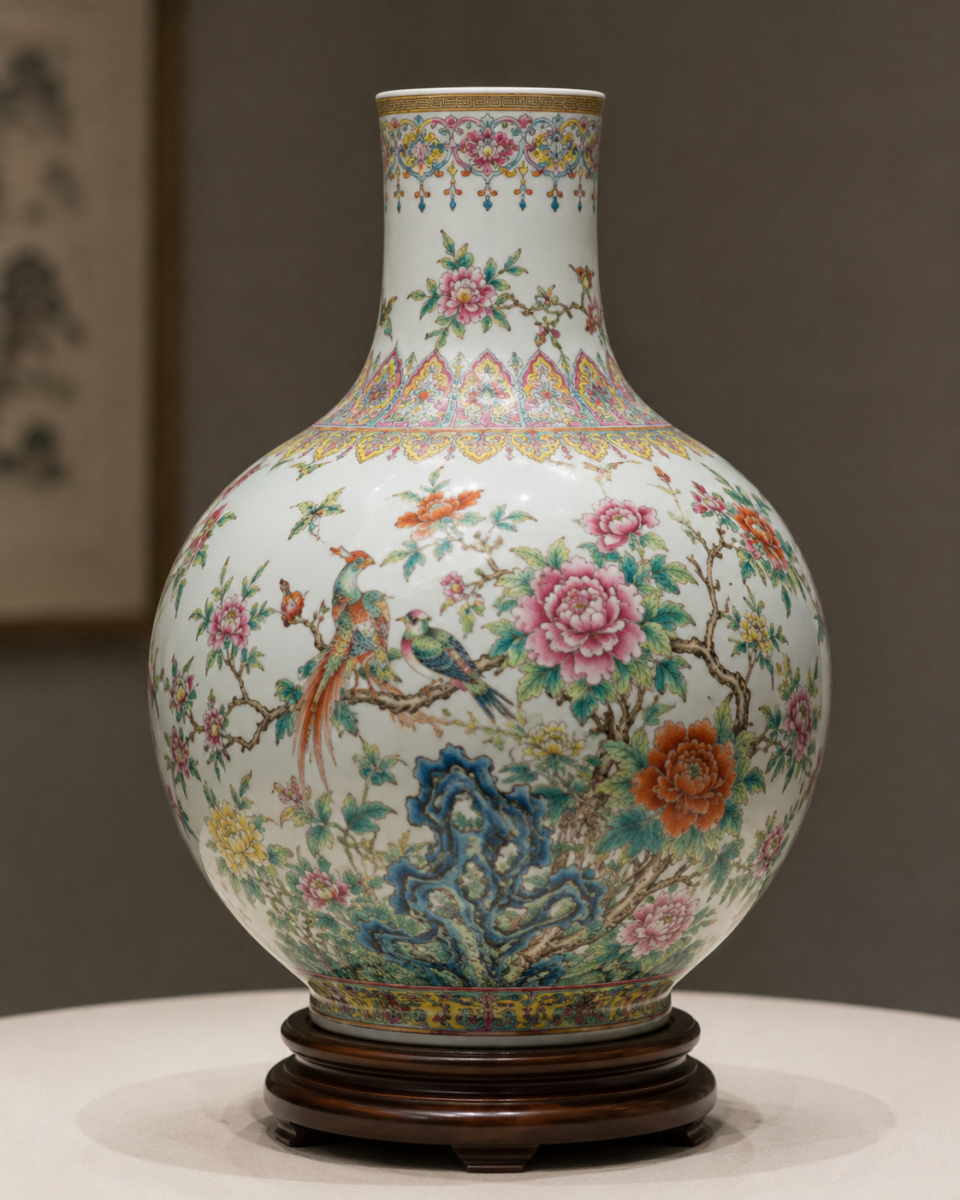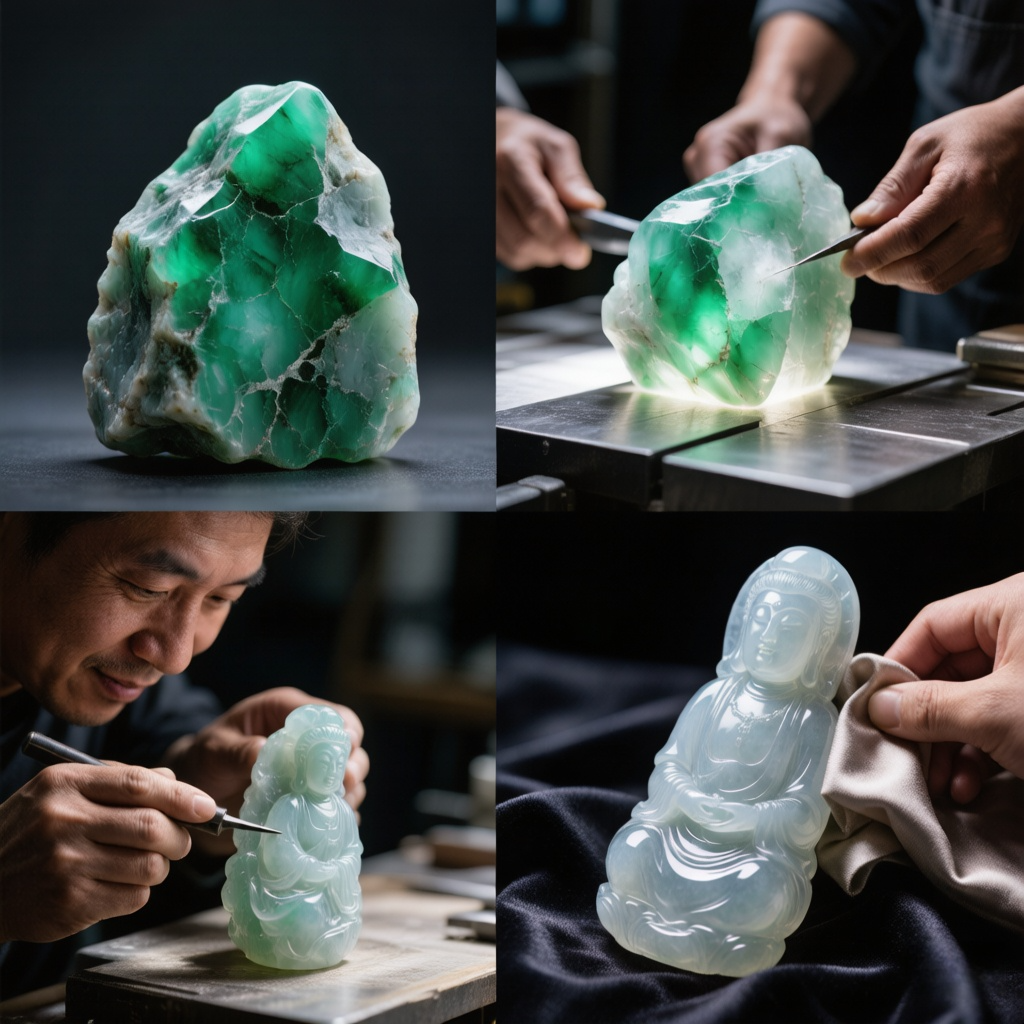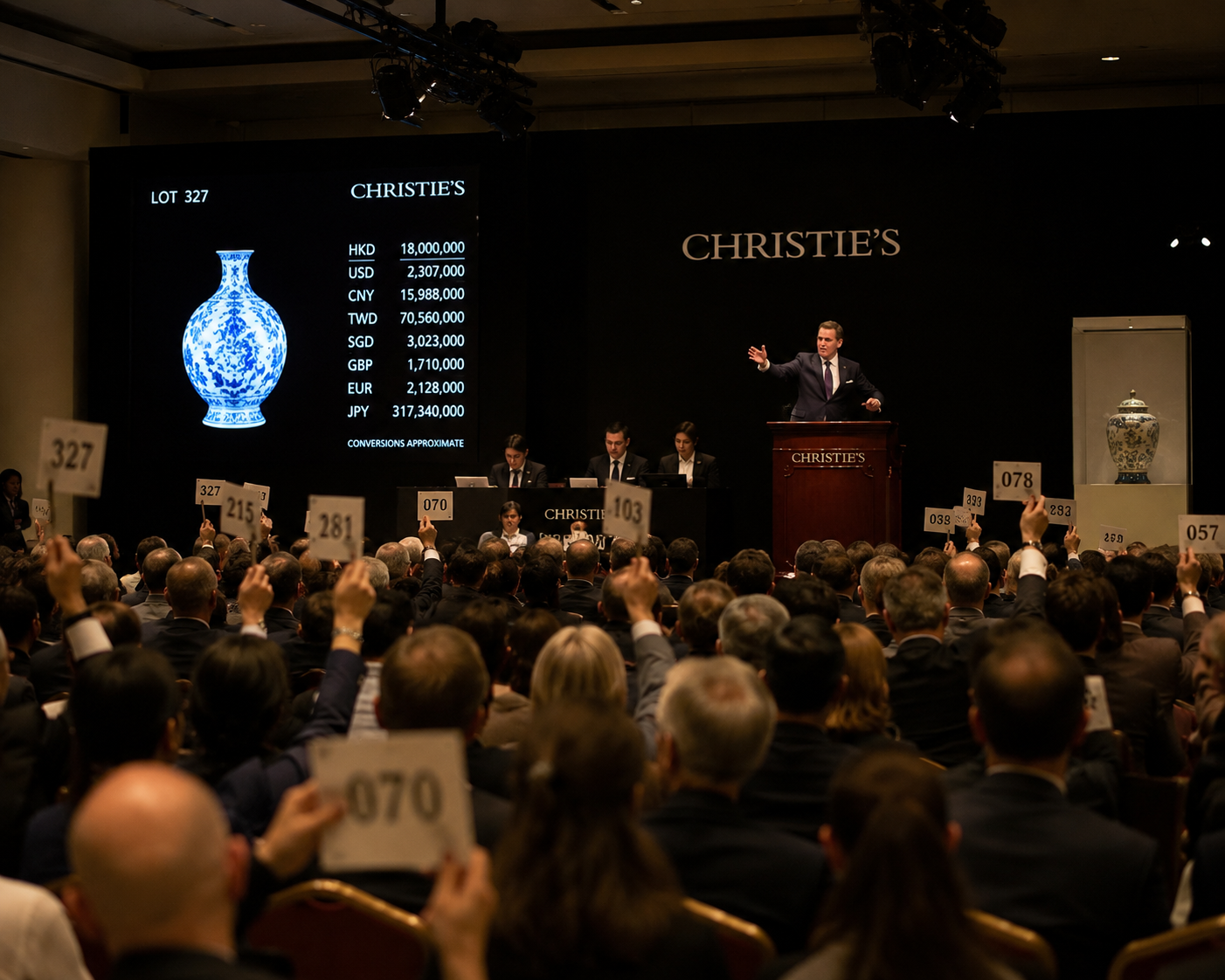
In recent years, as Chinese antique ceramics have continued to attract attention in the international…
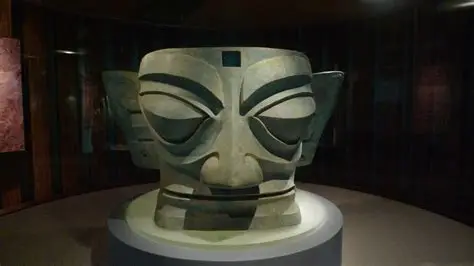
Millennia-old Faces, Mysteries of Civilization: Unveiling the Enigma of Sanxingdui
On the vast Chengdu Plain in southwestern China, an ancient and mysterious civilization has awakened from its millennia-long slumber. In 1929, when a farmer in Guanghan, Sichuan accidentally unearthed jade artifacts while digging a well, no one could have imagined that this single shovel would pry open a historical enigma sealed for thousands of years.
This is Sanxingdui, a cultural site hailed as “another origin of Chinese civilization,” and a dialogue across three millennia of history. With its dazzling and fantastical bronzeware, enigmatic golden masks, and an aesthetic system defying classification, Sanxingdui has astonished the world.
I. The Discovery of Sanxingdui: Echoes of History from the Earth
The Sanxingdui site is located in Guanghan City, Sichuan Province. It dates back approximately 4,500 years, with its peak period around 3,200 to 3,000 years ago, during the late Neolithic to early Bronze Age. Covering an area of over 12 square kilometers, it is one of the largest, longest-lasting, and most culturally rich ancient sites ever found in China.
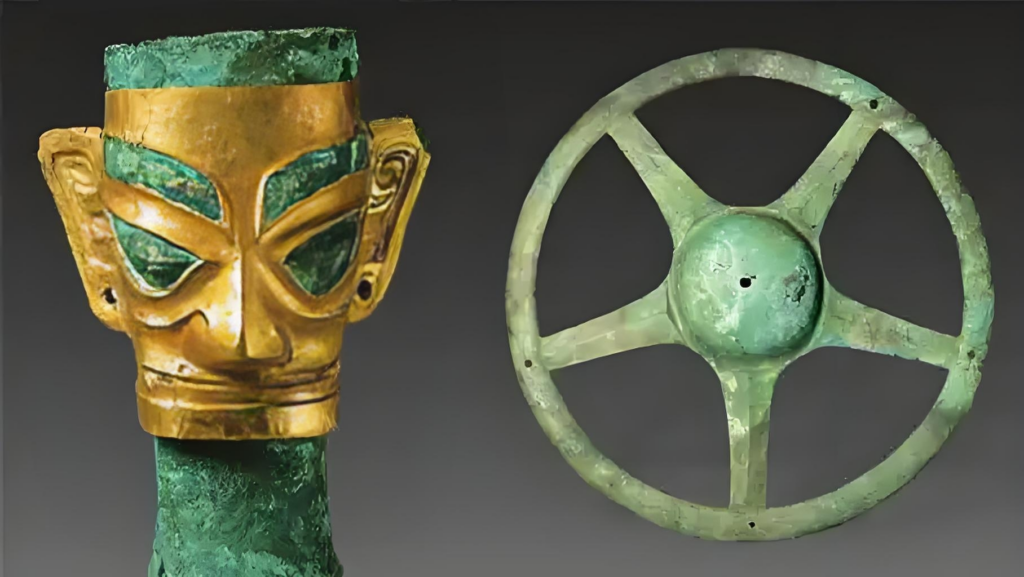
What truly shocked the world was the 1986 excavation of two “sacrificial pits”. In these pits, archaeologists unearthed a vast number of previously unseen bronzeware, gold artifacts, jades, and ivory items. Most striking were the mysterious and bizarre bronze masks and figures, with piercing eyes and fantastical features — a visual language completely different from that of the Central Plains civilization.
II. Mysterious Faces: A Civilizational Expression Unlike the Central Plains
The bronze art of Sanxingdui challenges the limits of human imagination. One bronze figure, standing 2.62 meters tall, holds its arms in a circular position, wears ceremonial robes, and bears a solemn, divine expression — as if mediating between gods and humans.
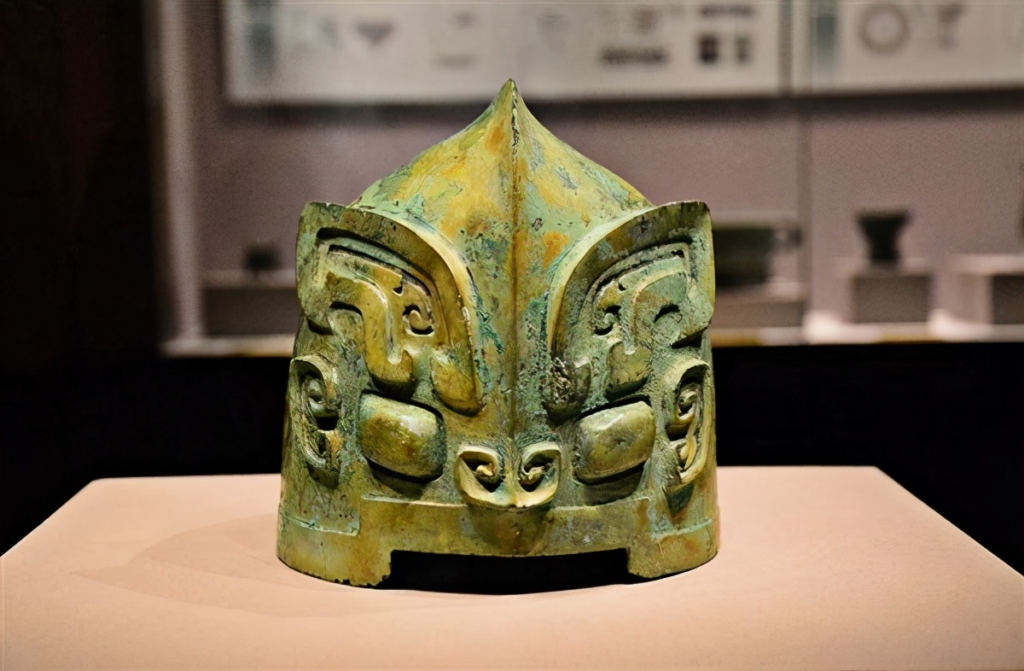
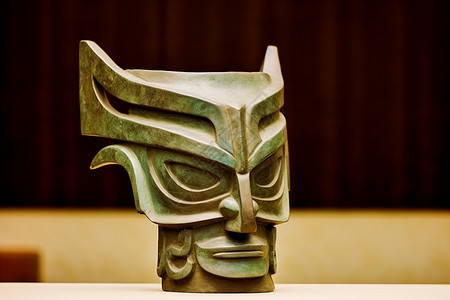
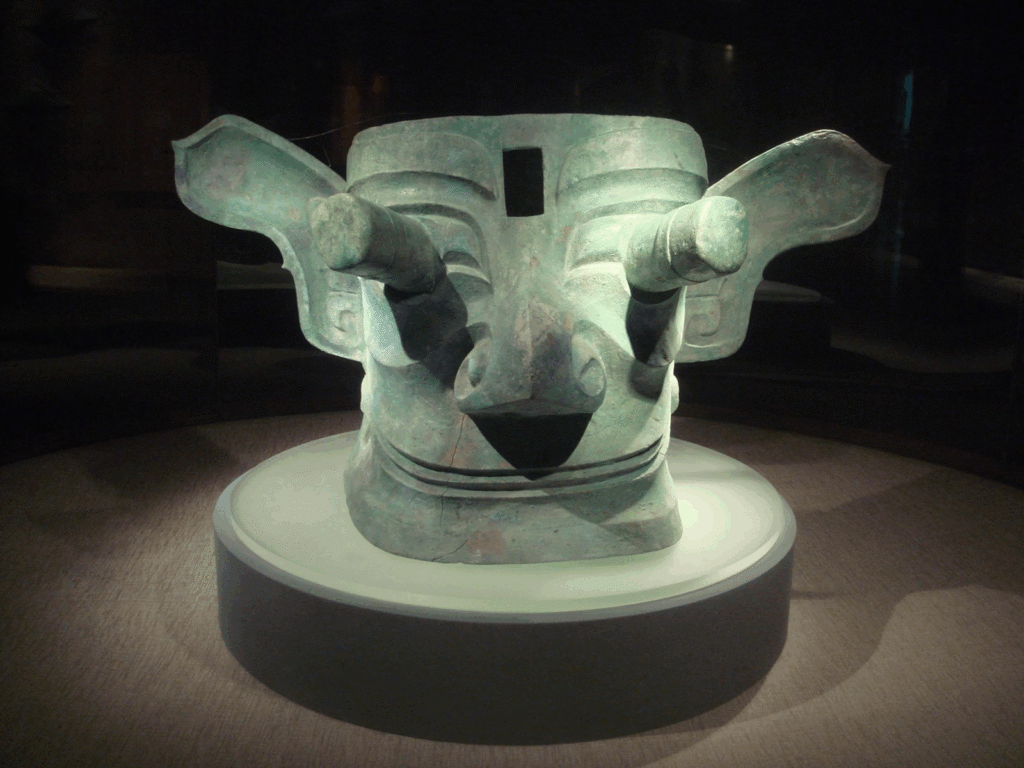
Most iconic are the giant bronze masks, with exaggerated, protruding eyes, elongated ears nearly touching the shoulders, and sharply defined facial lines full of tension. One mask, known as the “protruding-eye mask,” features telescope-like bulging eyes — utterly otherworldly. These works seem to come from another planet and have been dubbed as “a civilization from beyond the stars.”
Unlike the restrained and subtle aesthetics of the Central Plains, Sanxingdui’s bronze figures are bold, exaggerated, and infused with strong religious and mystical symbolism. This “aesthetic heterogeneity” illustrates that Chinese civilization, from its very beginnings, was never a singular lineage — but a product of multiple, diverse, and interwoven cultural threads.
III. An “Alternative Possibility” of Chinese Civilization
For a long time, the Yellow River basin was considered the sole cradle of Chinese civilization. But the discovery of Sanxingdui has shattered this single-origin narrative.
Sanxingdui’s advanced bronze-casting techniques, unique religious systems, and exquisite jade craftsmanship prove that it was not a peripheral culture — but a central civilization with a complete social and spiritual framework.
This was further confirmed in 2021, with the discovery of six new sacrificial pits, yielding a treasure trove of artifacts including bronze altars, kneeling statues with top-headdress, tree-like structures, and golden mask fragments — all forming a mythic and richly ritualistic ancient religious system.
Archaeologists now believe Sanxingdui represents the ancient Shu civilization and is a key component of the Yangtze River civilization, which, alongside the Yellow River civilization, shapes the pluralistic, coexisting origins of Chinese civilization.
IV. From Sacred Trees to Divine Power: The Religious World of Sanxingdui
The Bronze Sacred Tree of Sanxingdui is the earliest, tallest, and most complex tree-shaped bronze artifact known to the world, standing 3.96 meters tall, with spiraling branches and abundant fruit. At its top stands a bird in flight — a symbol of divine presence.
This tree is believed to represent the ancient Shu people’s spiritual connection between heaven and earth — a vertical cosmos where gods dwell above, humans below, and the tree acts as a conduit. This echoes the later Chinese concept of “unity between heaven and man”
Moreover, the remains of burnt ivory, bronzeware, jade, and textile fragments found in the sacrificial pits suggest a well-developed ritual system and complex divine hierarchy. Sanxingdui was not just technologically advanced — it was spiritually profound.
V. The Significance of Sanxingdui: A Civilizational Coordinate Linking Past and Present
Sanxingdui’s importance lies not just in its “strangeness” or “mystery,” but in how it compels us to rethink the very nature of Chinese civilization.
In the face of Sanxingdui, history ceases to be a straight timeline and instead becomes a rich, colorful map. On this map, the river basins of the Yellow River, Yangtze, Liaohe, and Lancang have all sparked flames of civilization. Sanxingdui reminds us that Chinese civilization has never had a single origin, but is the convergence of countless sparks into one blazing light.
Sanxingdui also elevates ancient Chinese bronze art onto the world stage. Its creativity and craftsmanship stand shoulder-to-shoulder with those of Ancient Egypt, Babylon, and the Maya — a powerful Chinese contribution to the shared heritage of human civilization.
VI. Sanxingdui Today: A Living Cultural Heritage
In 2023, the brand-new Sanxingdui Museum opened to global attention. With nearly 60,000 square meters of exhibition space, the new facility integrates advanced technology with interactive displays, breathing new life into this once-silent land.
Beyond the museum, Sanxingdui is also “breaking the mold” and entering popular culture. It has appeared at Paris Fashion Week, become a trendy icon in cultural and creative industries, and fused with virtual reality, animation, and music festivals — becoming approachable and modern.
That once-mysterious golden mask is no longer just an artifact behind glass — it is now a cultural IP, a totem on smartphone cases, a graphic on T-shirts, and one of the most powerful symbols of the “Guochao” (national trend) movement among Chinese youth.
VII. Conclusion: Civilization Unfinished, Exploration Unending
Sanxingdui is a “mystery,” but it is precisely this mystery that gives meaning to exploration. Every excavation, every artifact unearthed, is a profound dialogue across time between us and our ancestors.
Sanxingdui tells us that Chinese civilization is not a lonely river, but a vast and dynamic web — a civilizational epic woven by diverse regions, peoples, and philosophies.
Thousands of years later, those bronze faces still gaze at us — silent, yet full of power. As if to say:
“You have never truly left me — and I have never stopped watching over you.”
Related Posts