In recent years, as Chinese antique ceramics have continued to attract attention in the international…
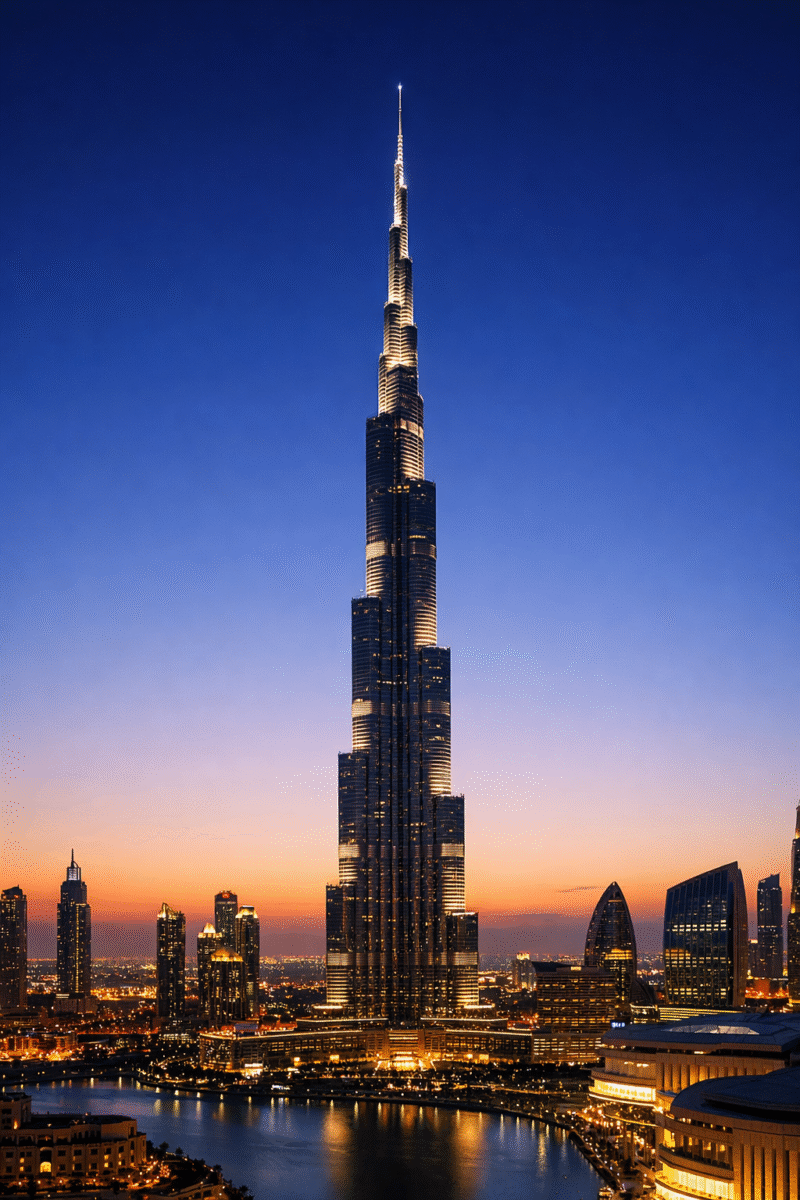
Burj Khalifa (United Arab Emirates): A Symbol of the Heights of Modern Civilization
In the history of world architecture, few buildings have answered one of humanity’s oldest questions as directly as the Burj Khalifa:
How high can we build?
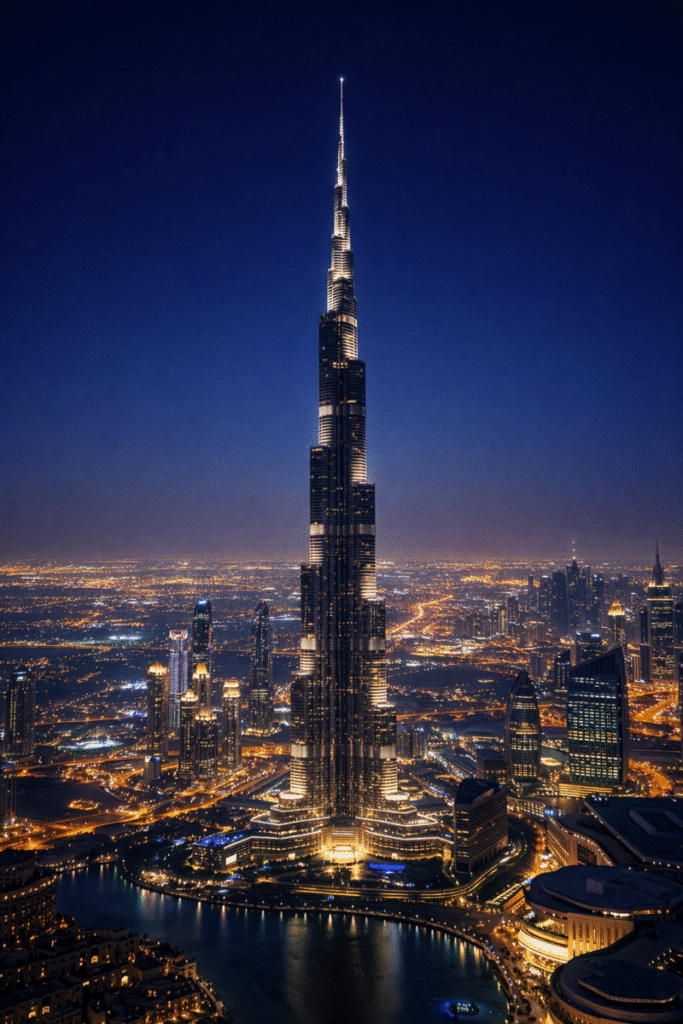
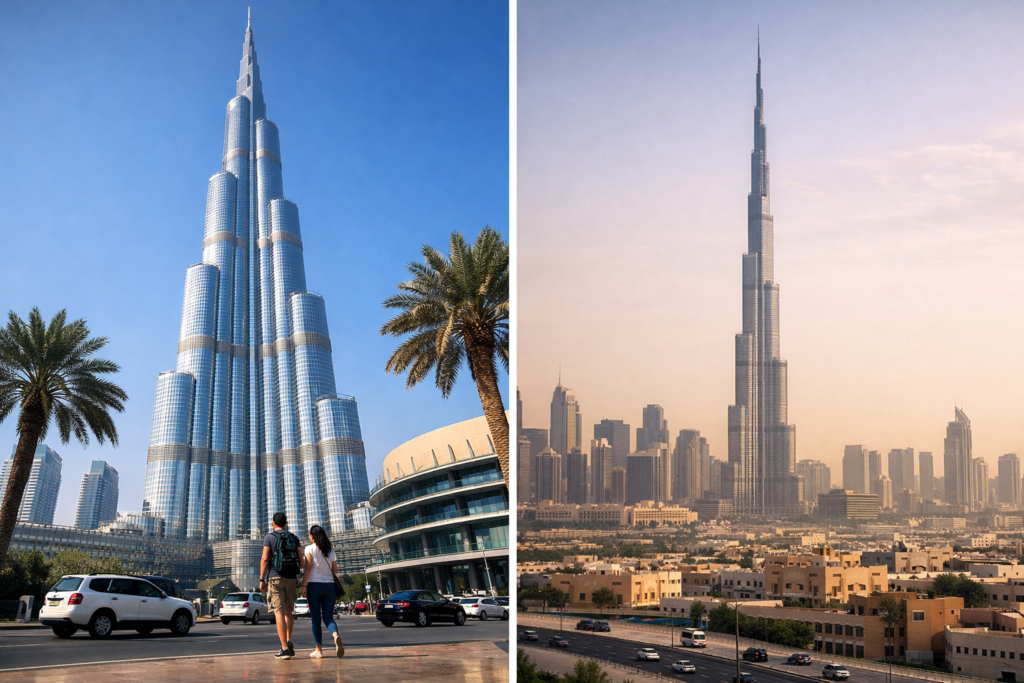
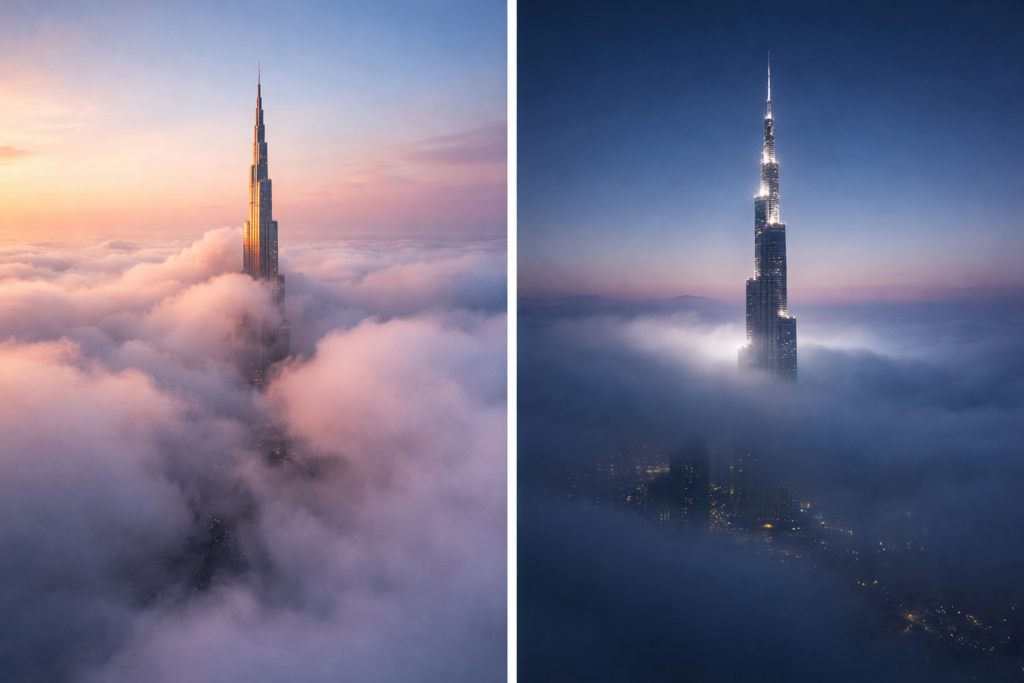
Rising on the edge of the desert in Dubai, United Arab Emirates, it stands at over 800 meters—so tall that it nearly escapes our everyday understanding of urban scale. From a distance, it does not resemble a conventional skyscraper so much as a vertical marker piercing the sky, announcing a distinctly modern ambition.
Yet the meaning of the Burj Khalifa lies in more than simply being “the tallest in the world.” What truly deserves attention is the spirit of the era it represents.
I. From Desert to Vertical City: How Ambition Became Reality
Only a few decades ago, Dubai was primarily a port and desert trading city. Limited resources and harsh natural conditions offered little indication that it would become a global metropolis.
It was precisely in this context that the emergence of the Burj Khalifa appeared radical.
It was not the organic outcome of gradual urban growth, but a deliberate decision—
to use architecture as a means of redefining the city’s position in the world.
The Burj Khalifa is not an isolated skyscraper. It functions as the vertical core of Dubai’s broader urban strategy. Residences, hotels, offices, and observation spaces are layered within a single structure, forming a model of a “city rising upward.” In an environment where land, resources, and climate impose strict limits, verticality became the most rational response.
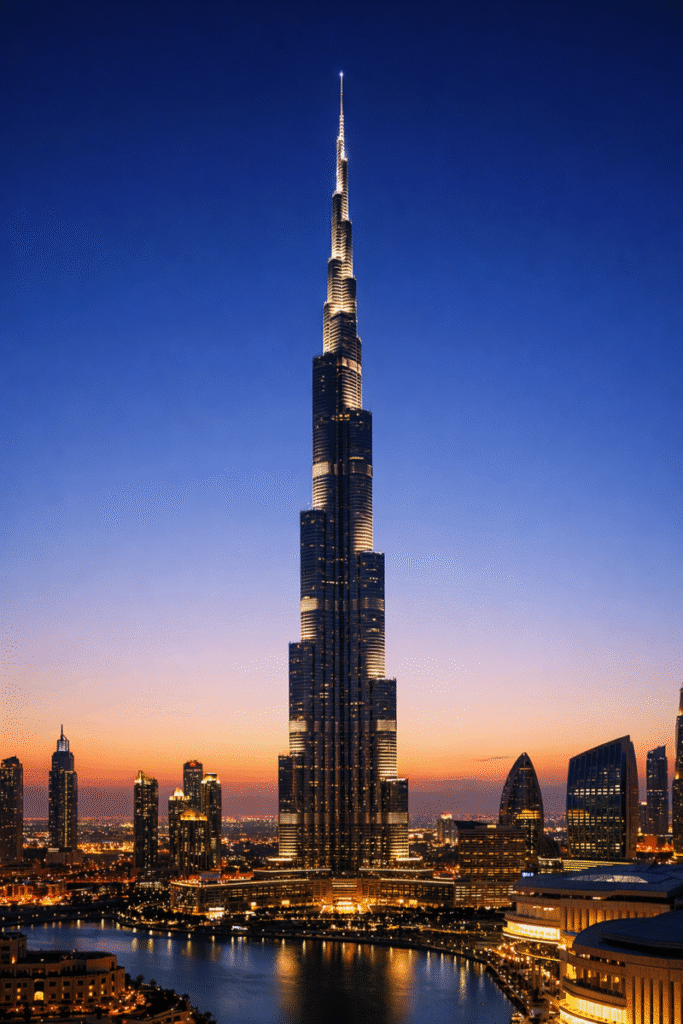
II. Height Itself: The Ultimate Test of Modern Engineering
From an engineering perspective, the Burj Khalifa is a multi-year experiment pushed to the limits of possibility.
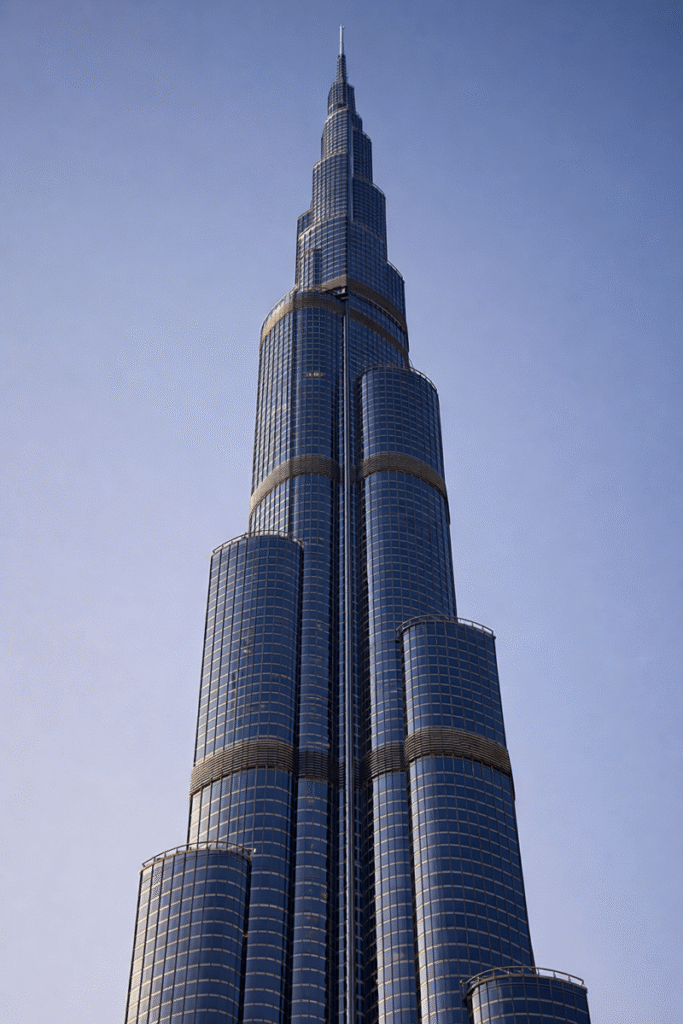
High-strength concrete, advanced wind-resistant systems, and its distinctive stepped, setback form all address one central question:
when a building rises into the clouds, how does humanity maintain order?
The tower is not a simple vertical stacking of floors. Its gradually shifting floor plates disperse wind forces layer by layer, breaking up pressure as the structure ascends. Height here is no longer a gesture of spectacle—it is the outcome of meticulous calculation.
This reveals a fundamental difference between modern and ancient monuments.
If the pyramids or Gothic cathedrals symbolized a height driven by faith, the Burj Khalifa represents a height shaped by reason, data, and coordinated systems.
V. Beyond Height: The Implicit Questions of Modern Civilization
Of course, debate surrounding the Burj Khalifa has never ceased.
Does it consume excessive resources?
Does it intensify urban inequality?
Is it merely a symbol of capital and power?
These questions are real—and they reflect the unavoidable costs of modern civilization.
Perhaps the value of the Burj Khalifa lies precisely here:
it renders the contradictions of contemporary society visible in an extreme and unmistakable form.
Within this single structure, we see simultaneously:
-
Confidence in technology
-
Concentration of capital
-
Humanity’s obsession with pushing limits
-
And a restless mix of anxiety and longing for the future
The tower rises not only into the sky, but into the unresolved tensions of our age.
Related Posts