In recent years, as Chinese antique ceramics have continued to attract attention in the international…
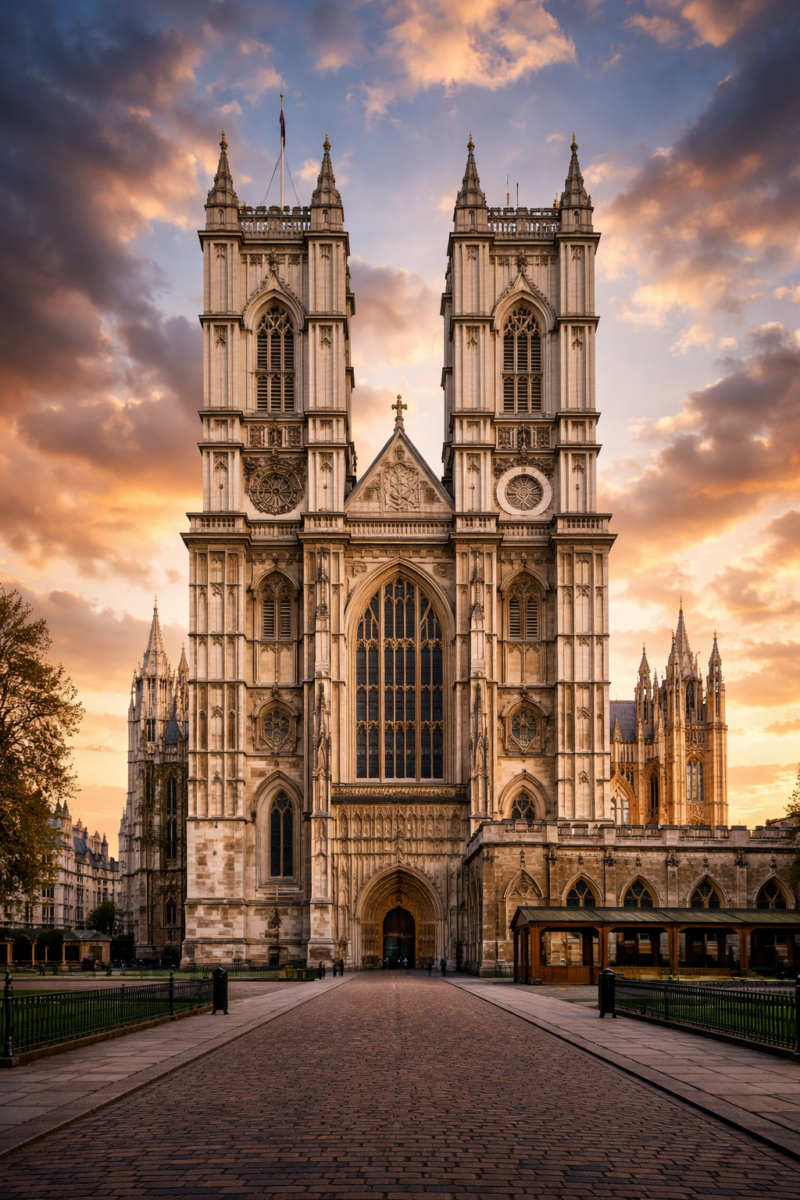
A Millennium Cathedral of Power and Faith: The Historical Echoes of Westminster Abbey
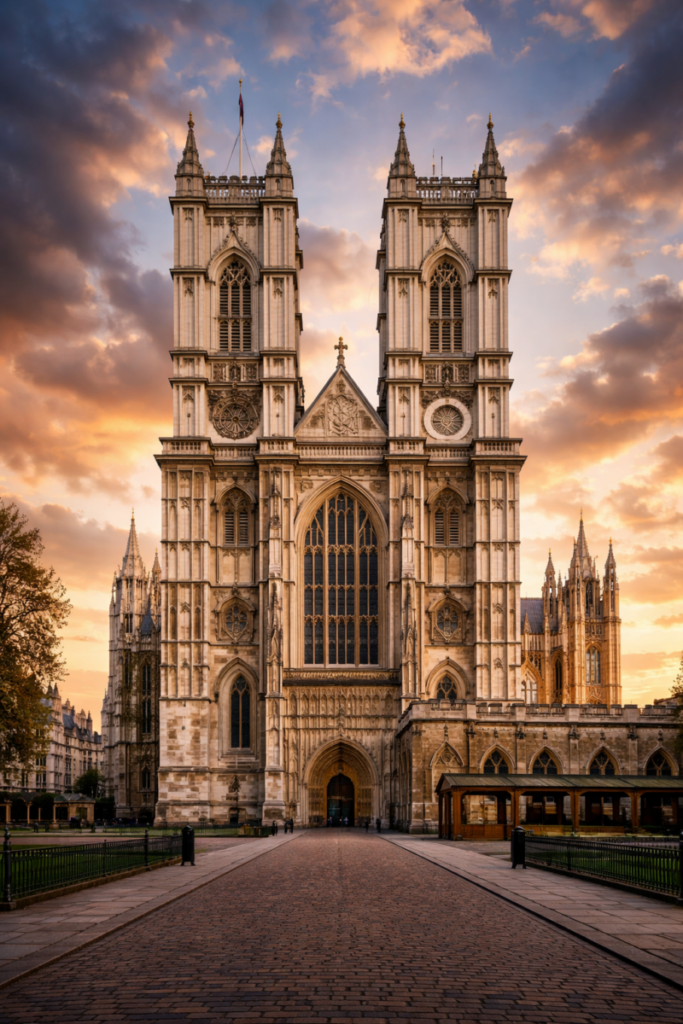
In the heart of London, beside the River Thames and adjacent to the Houses of Parliament, stands a building that has witnessed nearly the entirety of British history — Westminster Abbey.
More than a religious structure, it is a grand epic carved in stone. For nearly a thousand years, kings have been crowned here, royal weddings have been celebrated within its walls, and great figures have been laid to rest beneath its floors. It is both a sacred site of faith and one of the most powerful symbols of the British national spirit.
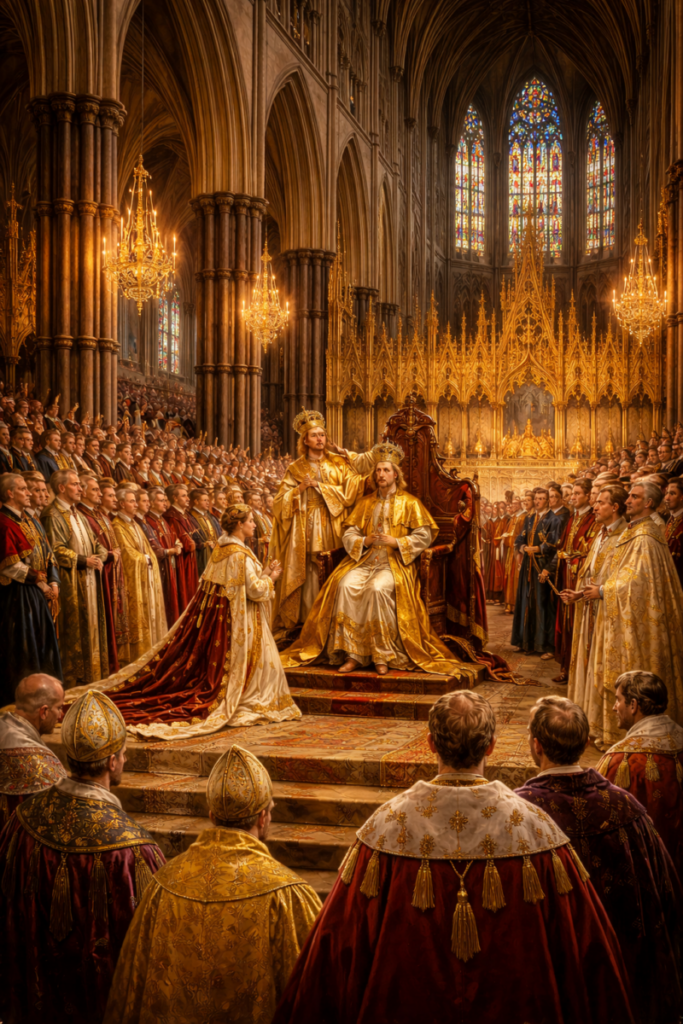
Since 1066, with only a few exceptions, every British monarch has been crowned here.
I. From Monastery to National Symbol: The Beginning of a Millennium
The origins of Westminster Abbey can be traced back to a Benedictine monastery in the 10th century. Its historical significance was firmly established by King Edward the Confessor, who rebuilt the church in the 11th century and consecrated it in 1065. Shortly after, he was buried there, marking the Abbey as a sacred site of royal and spiritual importance.
In the 13th century, King Henry III ordered a grand reconstruction of the church in the Gothic style, giving it the soaring, majestic form we see today. Much of the present structure dates from this period.
From that moment on, it evolved beyond a place of worship into the spiritual heart of English monarchy.
II. The Coronation Church: The Most Sacred Stage of British Monarchy
Westminster Abbey is best known as:
The Coronation Church of British Monarchs
Since the coronation of William the Conqueror in 1066, the tradition has continued uninterrupted to this day.
Whenever a new monarch ascends the throne, the Abbey becomes the focal point of the nation:
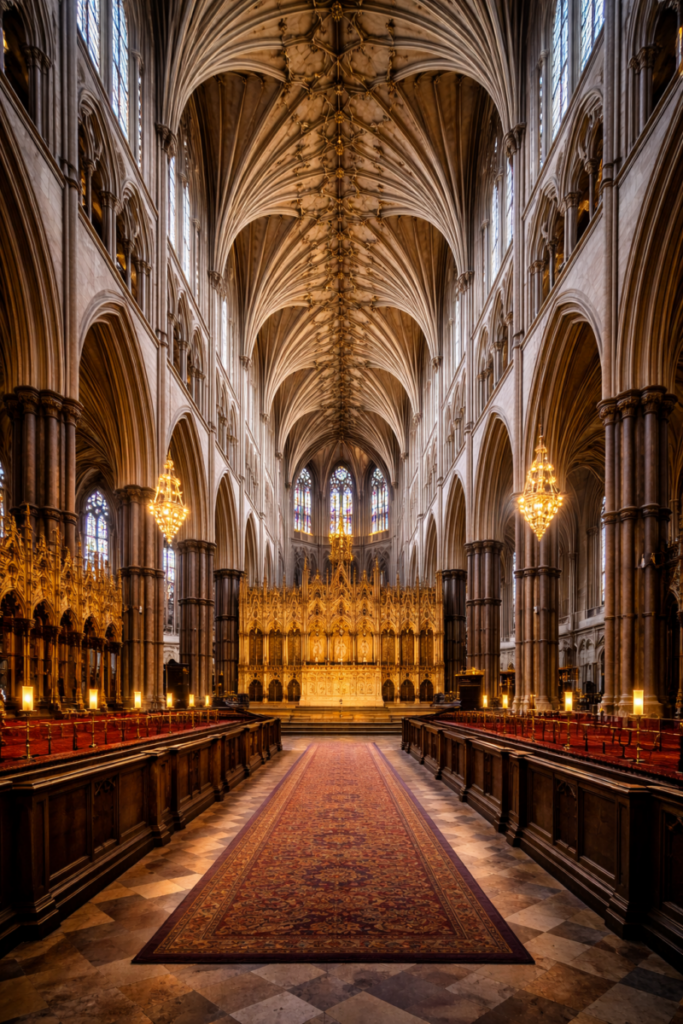
The crown, the sacred anointing oil, the echoing hymns, and the golden candlelight beneath towering stone vaults — all combine to create a ceremony that seems to bridge the human and the divine.
To the British people, a king or queen is not truly “born” at the moment of succession, but at the moment of coronation within Westminster Abbey.
It is here that monarchy is not only legitimized, but sanctified.
III. Royal Weddings and Historic Moments: Where Romance Meets Majesty
In addition to coronations, Westminster Abbey is also a major venue for royal weddings.
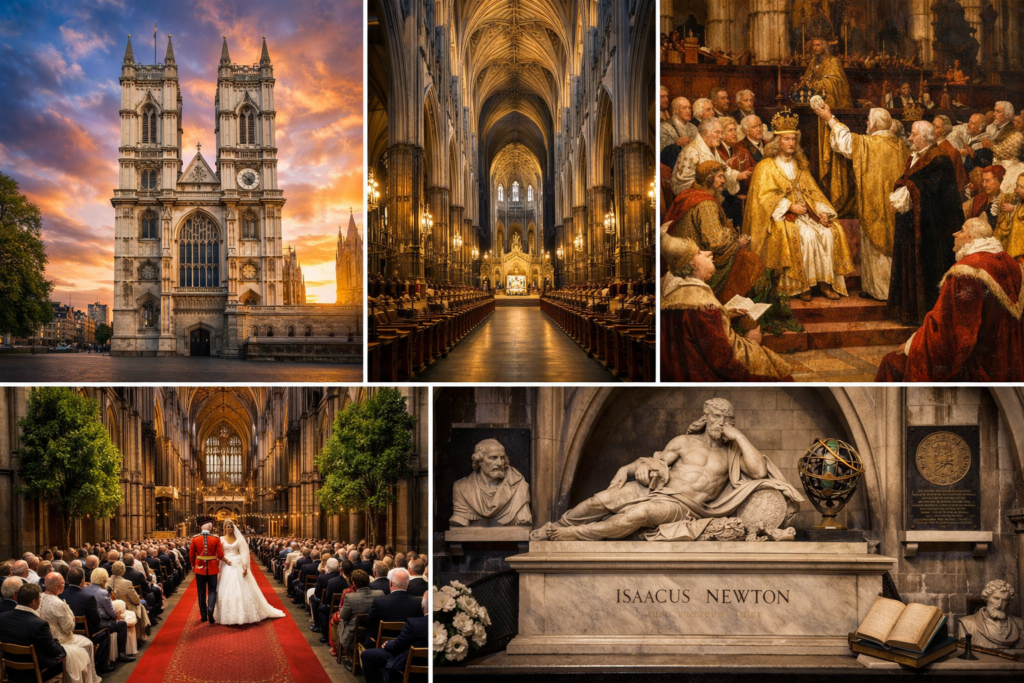
In 2011, Prince William and Catherine Middleton were married here, in a ceremony watched by billions around the world. Once again, the ancient Abbey became the center of global attention.
Beneath its soaring arches, a white wedding gown glided along the red carpet as bells rang across London.
This timeless romance, spanning centuries, allows Westminster Abbey to hold not only national memory, but also the world’s imagination of love and grandeur.
It is like a grand theatre of time, staging world-shaping moments every few decades.
IV. The Resting Place of Great Minds: Britain’s Hall of Fame
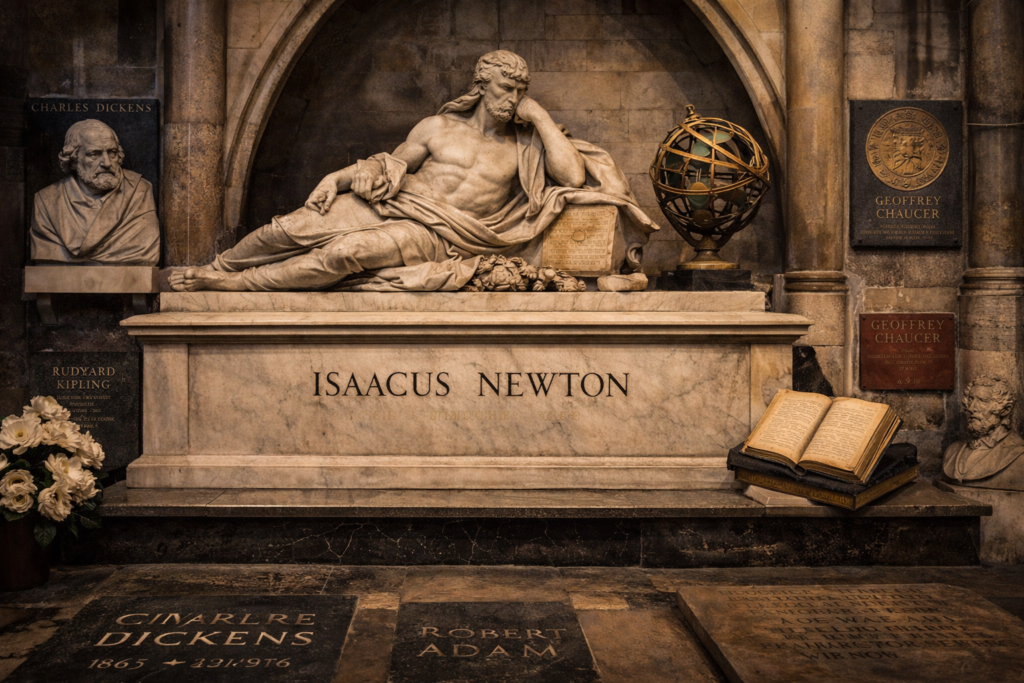
If Westminster Abbey is a stage for monarchy, it is also the final resting place of Britain’s greatest minds.
Buried or commemorated here are figures such as:
Isaac Newton
Charles Darwin
Stephen Hawking
Charles Dickens
Alongside many poets, scientists, politicians, and artists.
The most famous section is:
Poets’ Corner
This area gathers some of the most brilliant names in English literary history, forming a sanctuary of culture and intellect.
Walking through it, one realizes:
The British do not define heroes solely as kings or warriors.
They equally honor thinkers, writers, and scientists as architects of the nation’s spirit.
V. The Architecture Itself: A Gothic Masterpiece in Stone
Even without its history, Westminster Abbey stands as a masterpiece of Gothic architecture.
It is renowned for:
Pointed arches
Flying buttresses
Ribbed vaulting
Stained glass rose windows
When sunlight filters through the colored glass and falls upon the stone floors and tombs, the entire space is bathed in a quiet, sacred glow.
Its beauty is not flamboyant, but solemn, serene, and deeply awe-inspiring.
VI. Why Does This Building Symbolize the British Spirit?
The true greatness of Westminster Abbey lies in this:
It does not merely preserve history —
it is history.
For nearly a thousand years:
Dynasties have risen and fallen here;
Victories have been celebrated here;
National mourning has taken place here;
Imperial glory has echoed through its halls.
It is like the beating heart of British civilization, quietly pulsing in the center of London.
No matter how the outside world changes,
it remains.
A reminder that tradition, faith, honor, and history
have never truly faded away.
Related Posts