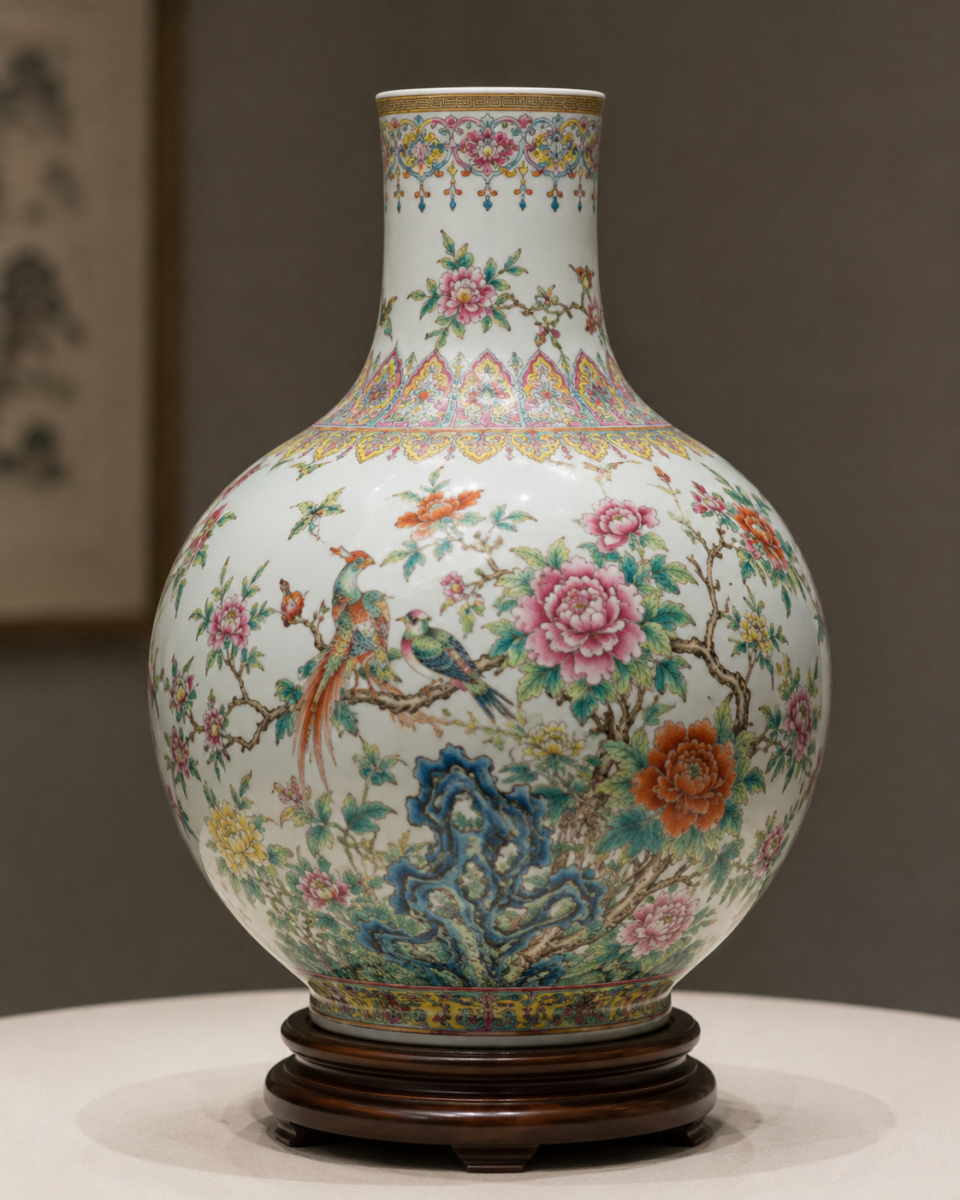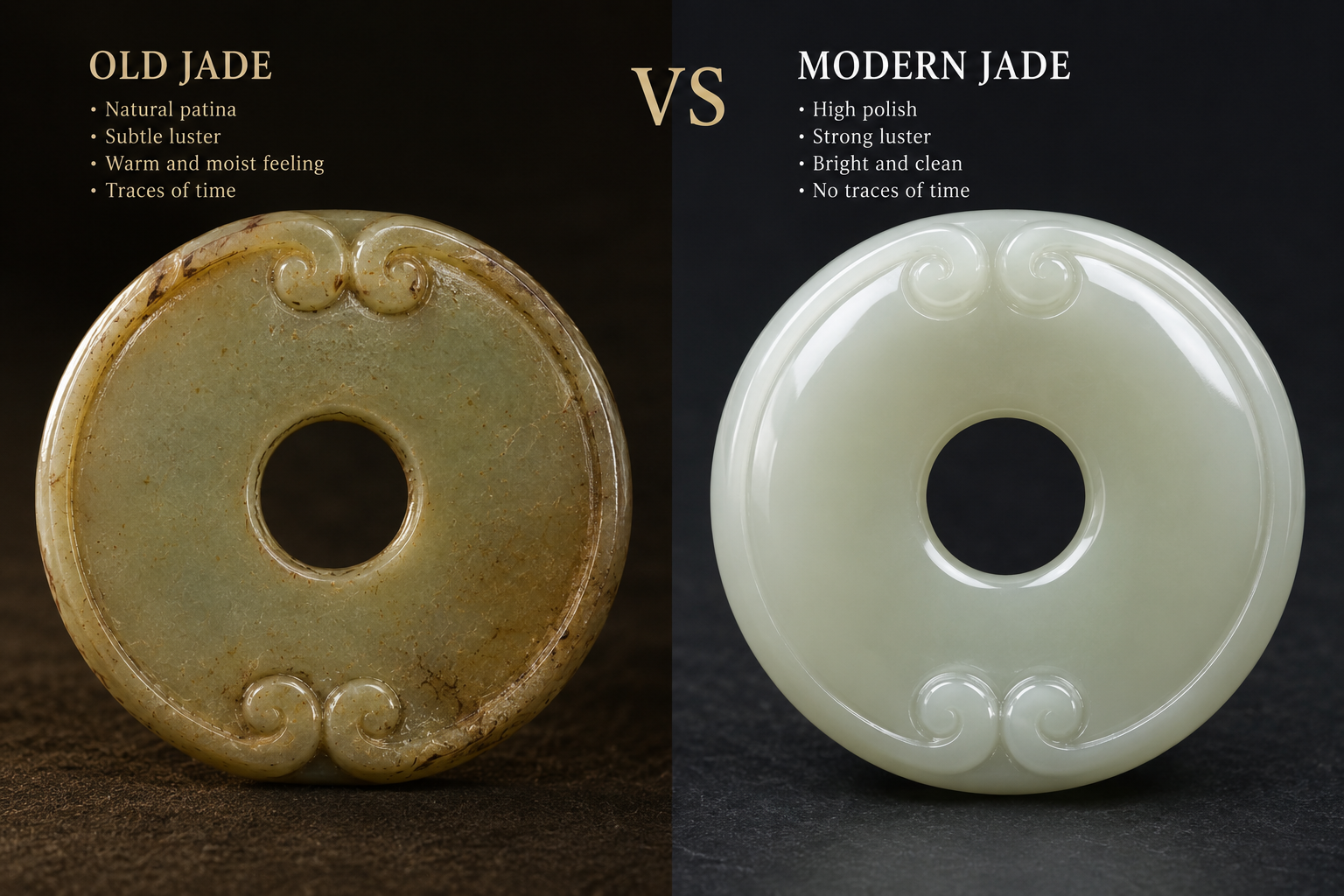
In recent years, as Chinese antique ceramics have continued to attract attention in the international…
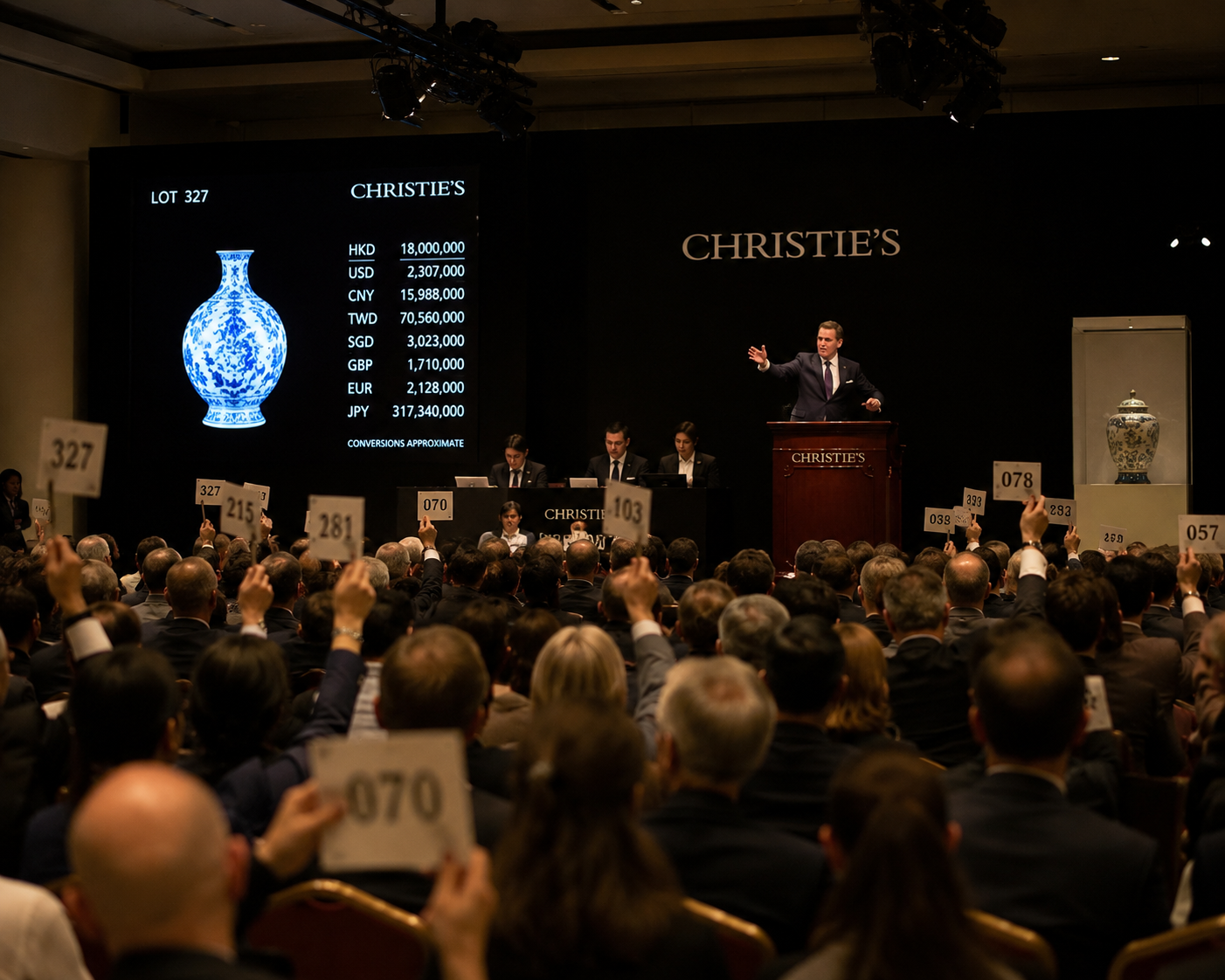
Selling Antiques: Is Auction Better or Private Sale?
In the world of antiques, many collectors eventually face the same question:
Should a piece from their collection be sent to auction, or sold privately?
At first glance, this may seem like a simple choice of selling method. In reality, however, it involves far more: price, timing, risk, market perception, and even the future circulation path of the object itself.
Some believe auction houses are more formal and offer a better chance of achieving high prices. Others prefer private transactions for their efficiency and potentially greater profit margins. In truth, neither approach is absolutely superior. They represent two entirely different market systems.
What truly matters is not which method appears more prestigious, but rather this:
Which market is the right one for your antique?
1. Auctions: Letting the Market Decide the Price
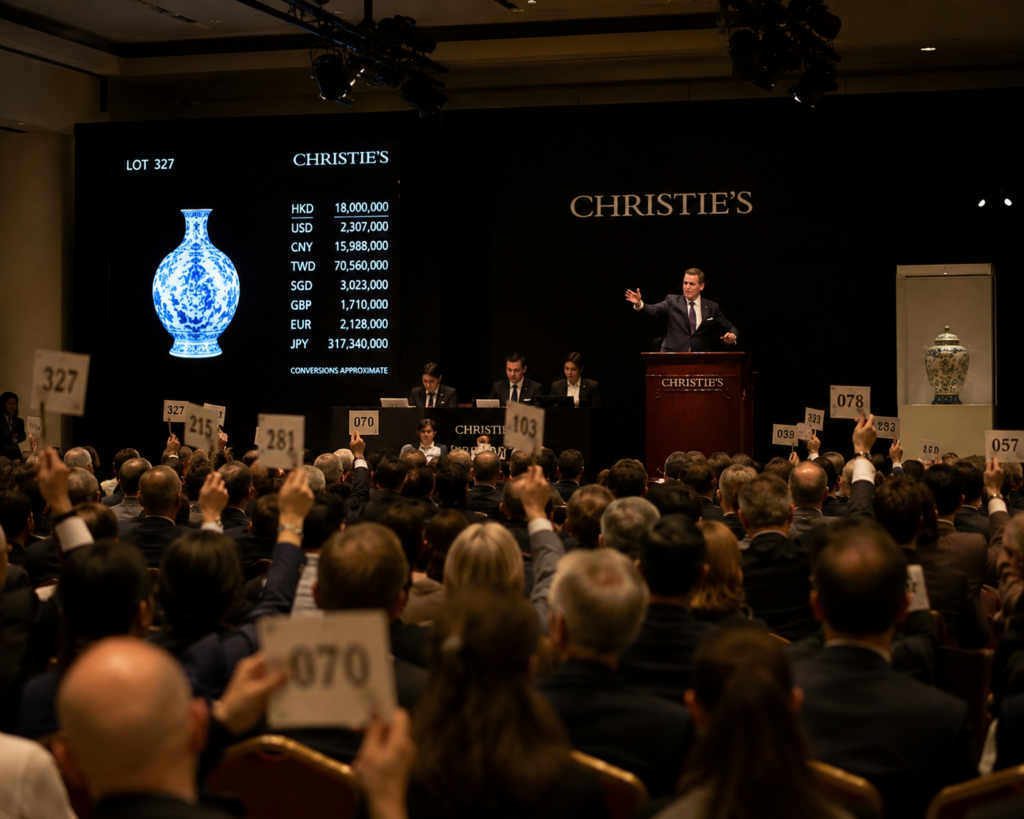
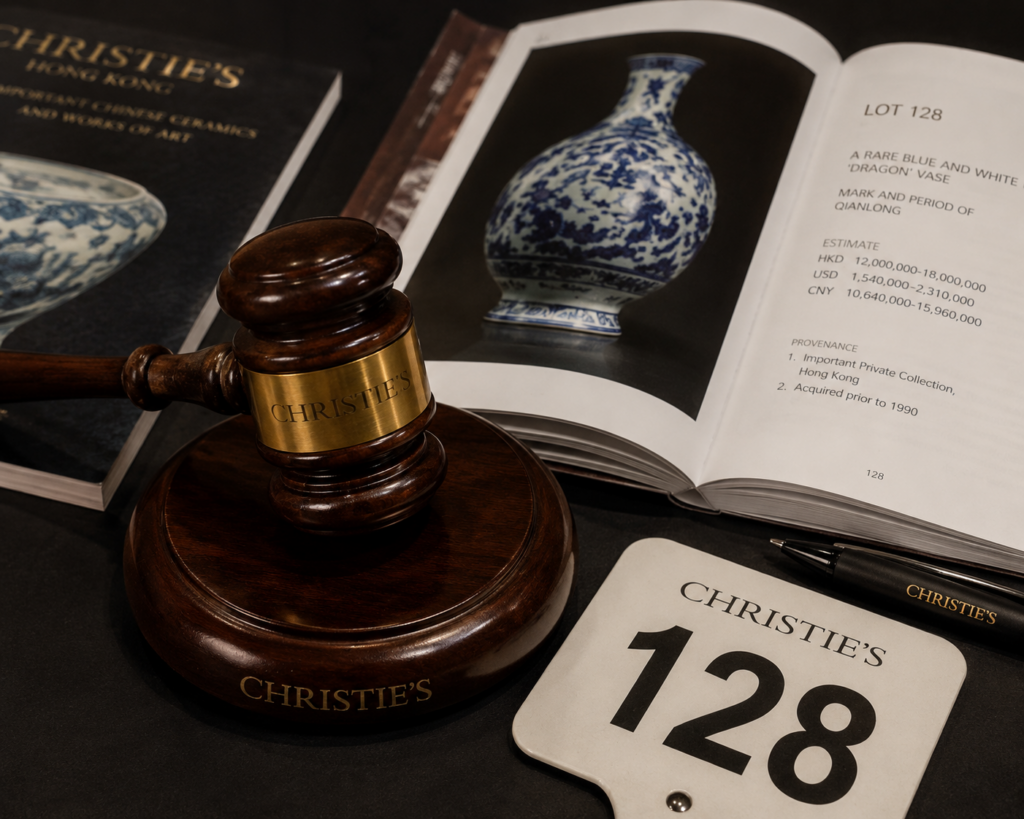
The defining feature of an auction is public competition.
Once an antique enters the auction system, its price is no longer determined solely by the seller. Instead, it is shaped through competitive bidding among multiple buyers in the market.
In theory, this means that truly rare and desirable pieces may achieve prices far beyond expectations.
This is especially true for:
- Antiques with clear provenance
- Pieces with publication or exhibition records
- Well-recognized collecting categories
- Objects that align with current market trends
Such works are far more likely to generate competitive bidding in an auction environment.
Because the essence of an auction is not simply “selling an object,” but rather:
creating a concentrated release of market emotion.
Many record-breaking sales are not driven solely by the object itself, but by the moment when multiple buyers want the same piece at the same time.
This is why the very same antique that might sell for hundreds of thousands in a private transaction can sometimes double in price under intense bidding competition.
2. But Auctions Are Not Suitable for Every Antique
Many people mistakenly believe:
“If I send it to auction, it will automatically sell for a high price.”
In reality, auction houses are themselves a form of market selection.
They tend to favor:
- Collecting categories with mature market recognition
- Objects that are easy to understand and communicate visually
- Works supported by a clear and widely shared aesthetic consensus
On the other hand, certain categories may not perform well in a public auction setting, such as:
- Niche collectibles
- Pieces whose scholarly value outweighs immediate visual appeal
- Categories that have not yet gained strong market attention
This is because auctions rely heavily on emotion and momentum in the room.
If buyers cannot quickly understand the value of an object, bidding momentum becomes difficult to build.
Beyond this, auctions also involve several practical challenges:
- Long selling cycles
- High commissions and fees
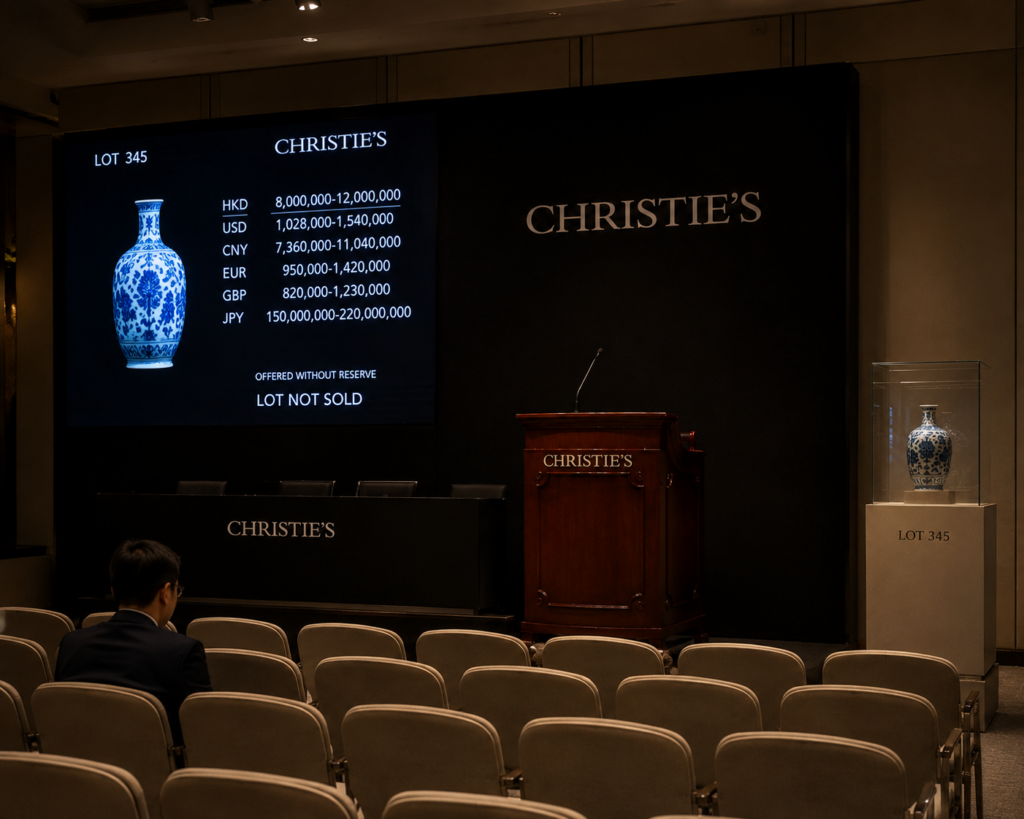
- The risk of passing unsold
- Limited control over the final selling price
Even genuinely strong pieces may sometimes sell below expectations simply because the timing is not ideal.
And once a public sales record is established, future buyers and sellers often reference that result as a benchmark.
This is one reason why experienced collectors tend to be cautious about sending important pieces to auction.
3. Private Sales: Quieter, but Often More Practical
Compared with auctions, private sales function more like a form of targeted circulation.
They usually take place:
- Between collectors
- Between dealers and clients
- Within established collecting circles
The defining characteristic of private transactions is this:
the price is not fully public.
Such transactions rely far more on:
- Trust
- Experience
- Personal networks
- Long-term understanding of the market
In fact, many truly important antiques never appear at public auction at all, but change hands privately.
The reason is simple:
Top-level buyers do not always want to compete in public.
For sellers, private transactions also offer several clear advantages:
- Faster transactions
- More flexible negotiation
- No public pressure of an unsold lot
- Avoidance of high auction commissions
Especially during periods of market uncertainty, private sales are often more stable than public auctions.

4. What Truly Determines Price Is Never the Selling Channel
Many newcomers focus too much on one question:
“Where can I sell it for the highest price?”
But experienced collectors care far more about something else:
Who is going to buy it?
The true foundation of an antique’s value is not the sales channel itself, but rather:
- Whether it reaches someone who truly understands it
- Whether it enters the right collecting ecosystem
- Whether it appears at the right moment in the market cycle
The very same object may be seen in completely different ways:
- To someone unfamiliar with the field, it may appear to be nothing more than an old object
- To a knowledgeable collector, it may be something they have searched for over many years
For this reason, high prices are often not simply “achieved through selling.”
More often, they happen because the object encounters the right buyer.
5. The Real Shift in the Collectibles Market: From “Circulation” to “Selection”
In the past, many people believed the antiques market was simply about who could buy the most.
Today, however, the market increasingly functions as a system of selection.
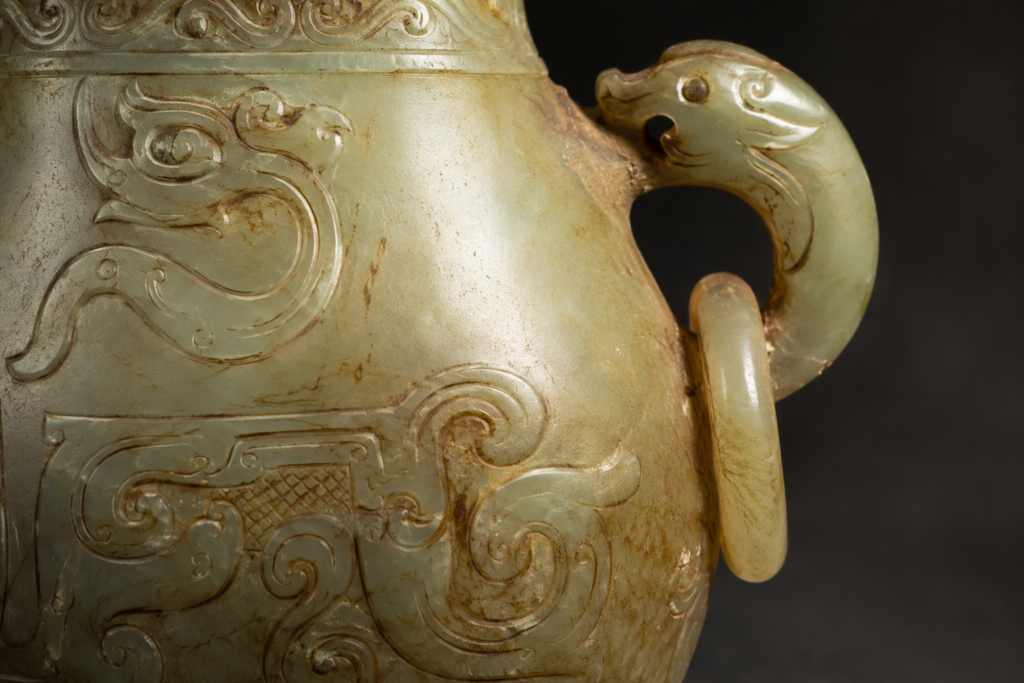
The pieces that truly retain value over the long term — and may even continue to appreciate — usually possess several key qualities:
- Clear characteristics of their historical period
- Rarity
- Strong craftsmanship
- Distinct cultural identity
Meanwhile, more ordinary or highly homogenized objects may not achieve strong results, even when offered at auction.
As a result, an increasing number of experienced collectors have begun to realize:
Selling an antique is not simply about “selling it as quickly as possible,”
but about choosing the most appropriate path of circulation for it.
Some objects are suited to public competition.
Others are better suited to quieter, more selective circulation.

Conclusion: Antique Transactions Are Ultimately About Value Judgment
There is no absolute superiority between auctions and private sales.
They are simply two different market languages:
- Auctions believe in competition
- Private sales believe in judgment
Truly experienced collectors are rarely obsessed with the “form” of the transaction itself. What concerns them more is this:
Who should ultimately own the object?
Because antiques have never been merely commodities.
What truly circulates through the antique market is not simply price, but:
time, aesthetics, and understanding.
Related Posts