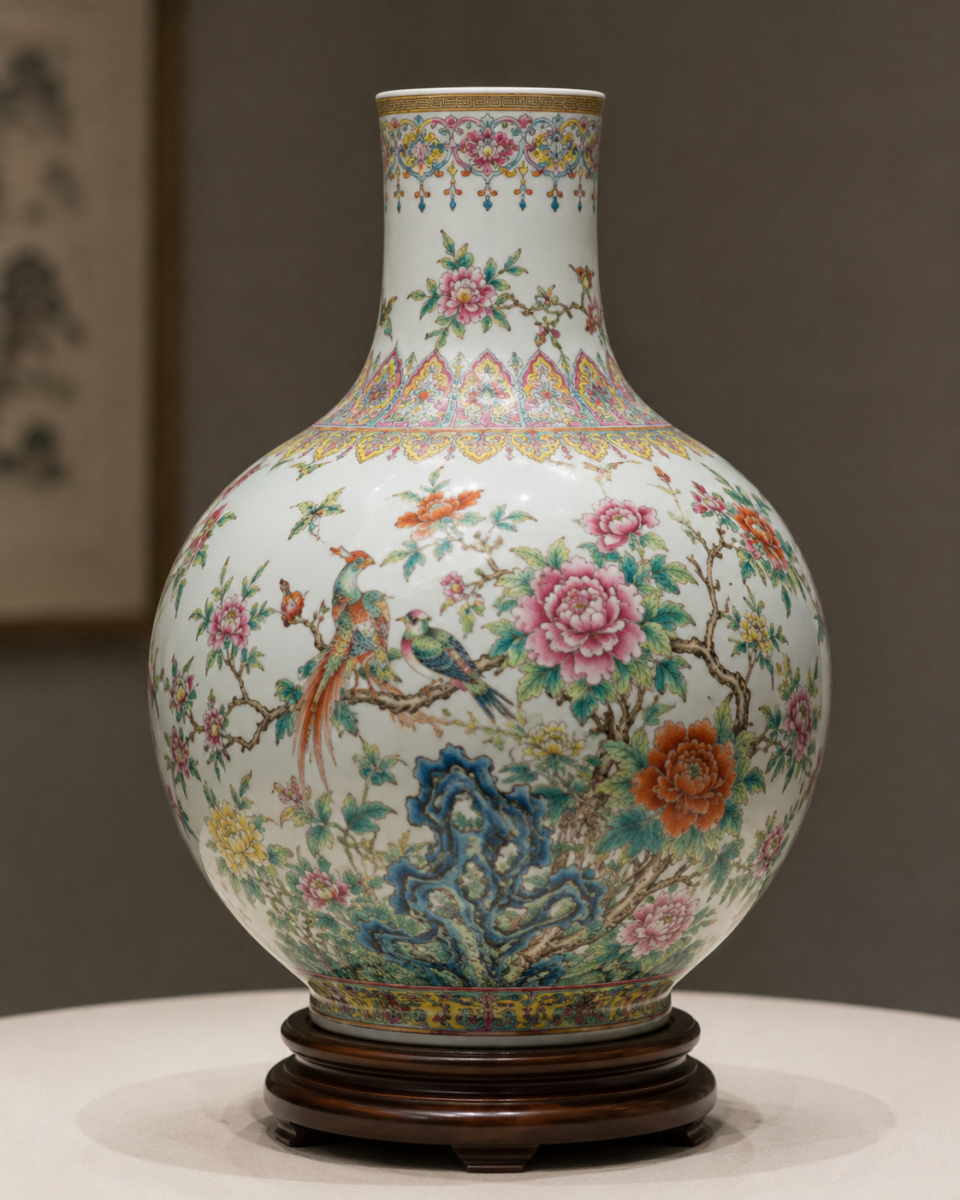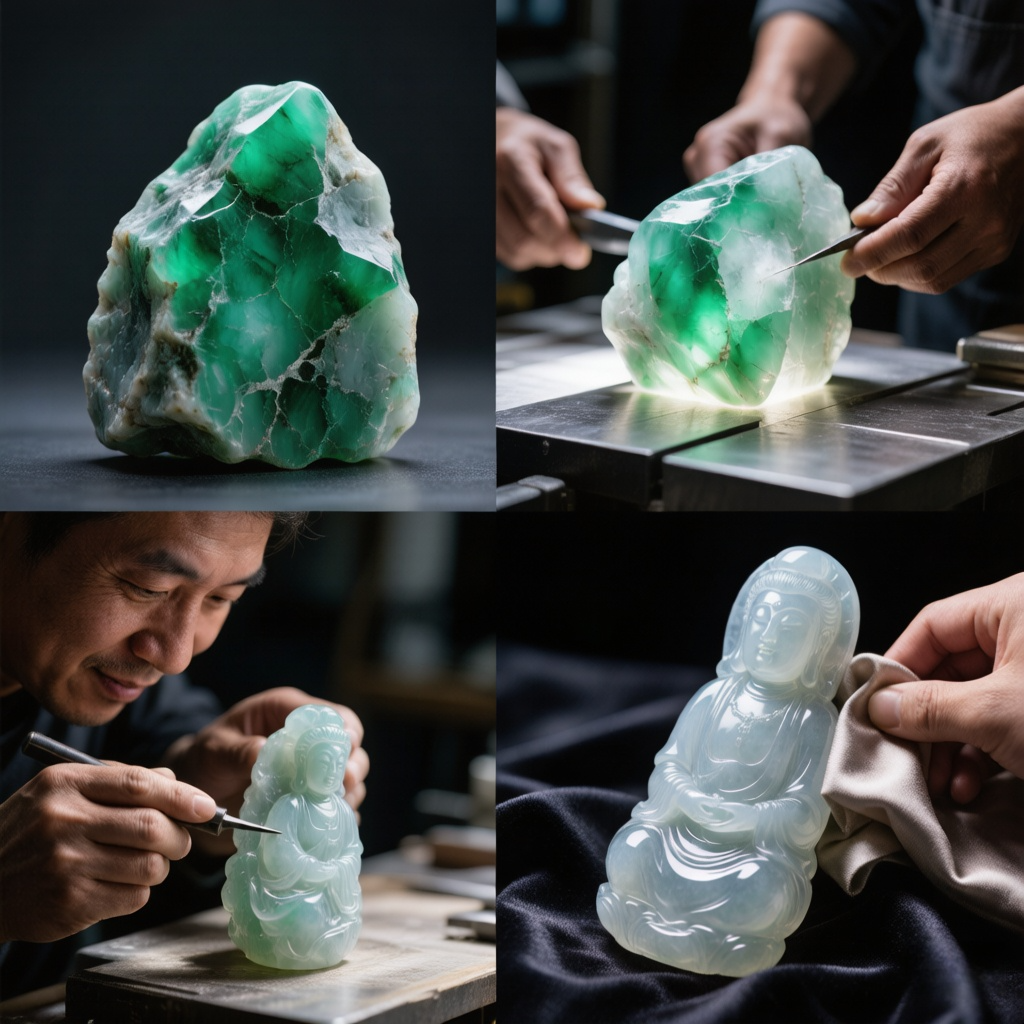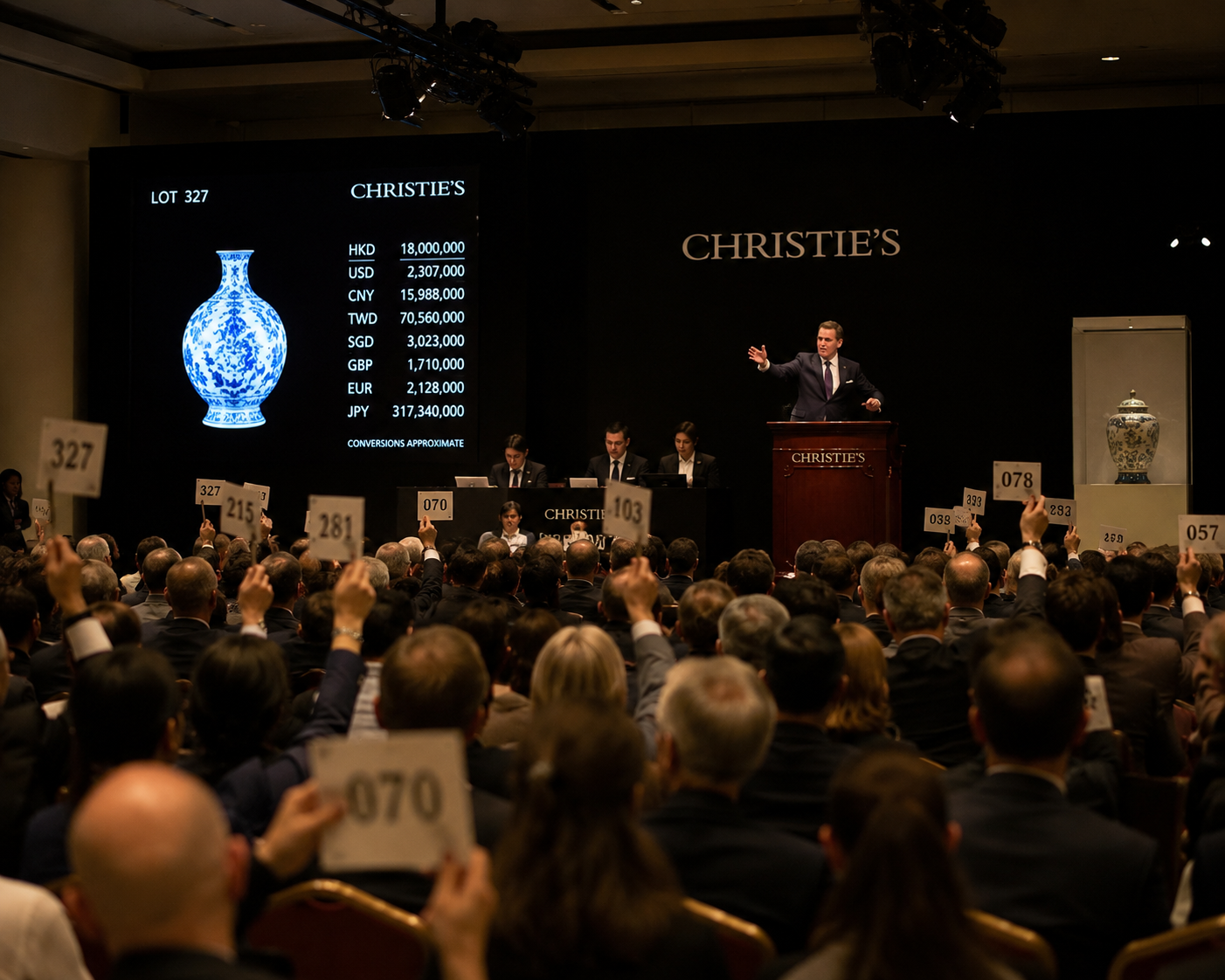
In recent years, as Chinese antique ceramics have continued to attract attention in the international…
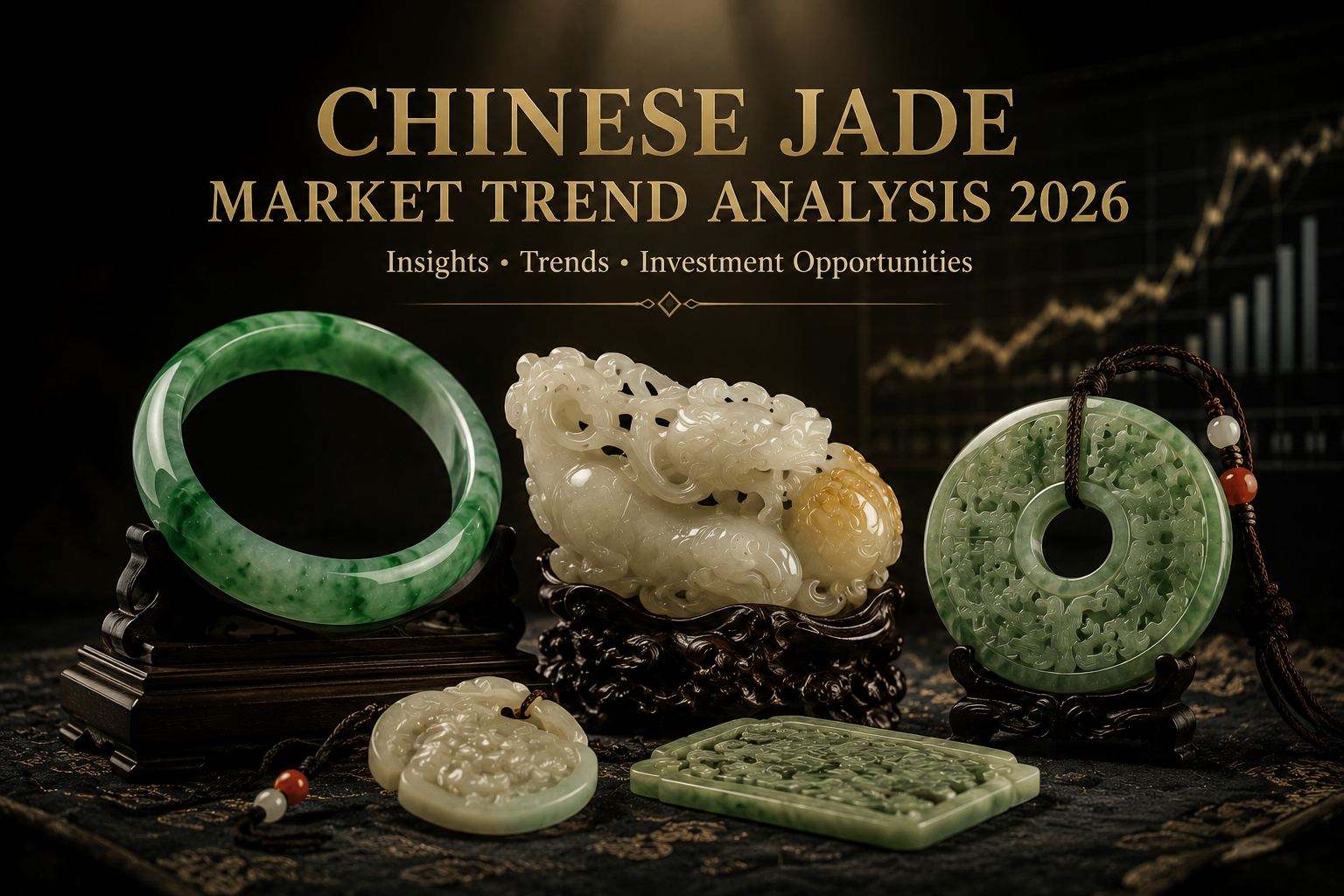
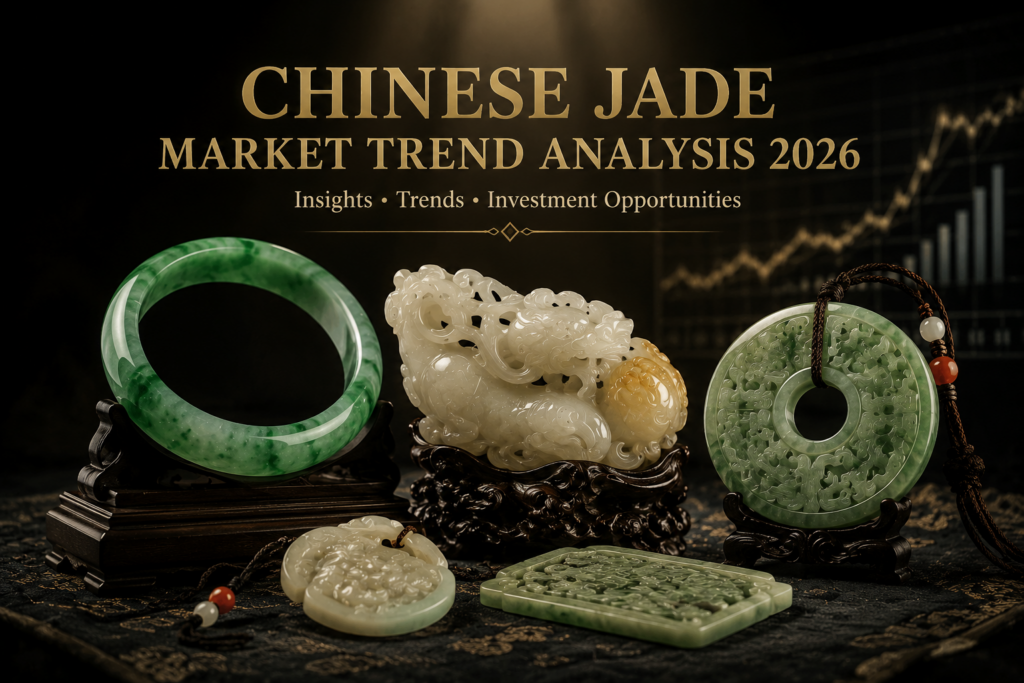
What Is Happening in the Chinese Jade Market in 2026?
4. Younger Buyers Are Reshaping the Market
This is one of the most important trends in the jade market in 2026.
More young collectors are entering the jade market than ever before.
According to market research, younger consumers are actively changing both jade aesthetics and purchasing behavior.
What Do Younger Buyers Prefer?
Compared with traditional collectors, younger buyers tend to favor:
- Minimalist designs
- Everyday wearable pieces
- Smaller jade jewelry
- Modern gemstone settings
Popular examples include:
- Jadeite pendants
- Jade bead necklaces
- 18K gold-set jade jewelry
These styles are becoming increasingly popular in both Asian and international markets.
Why Is This Important?
Because it is changing the structure of the market itself.
In the past:
👉 The jade market was primarily driven by older high-net-worth collectors.
Today:
👉 Younger consumers are becoming active participants as well.
This means:
- The collector base is expanding
- New demand is emerging
- Traditional aesthetic preferences are gradually evolving
5. Why Is the International Market Paying More Attention to Chinese Jade?
In the past, Chinese jade circulated mainly within Asian markets.
However, in recent years, interest from Europe and North America has increased significantly.
There are several key reasons behind this trend.
1. The Globalization of Asian Art
The growth of international auction platforms has made Asian antiques more accessible to overseas buyers.
Platforms such as
LiveAuctioneers
have become important entry points for international collectors interested in Chinese jade.
2. The Rising Popularity of Eastern Aesthetics
In recent years, international interest in:
- Zen-inspired aesthetics
- Eastern jewelry design
- Natural materials
has continued to grow.
As a result, Chinese jade has attracted increasing attention from collectors and designers worldwide.
3. Increasing Scarcity
As natural jade resources continue to decline, the long-term scarcity of high-quality jade has become more apparent.
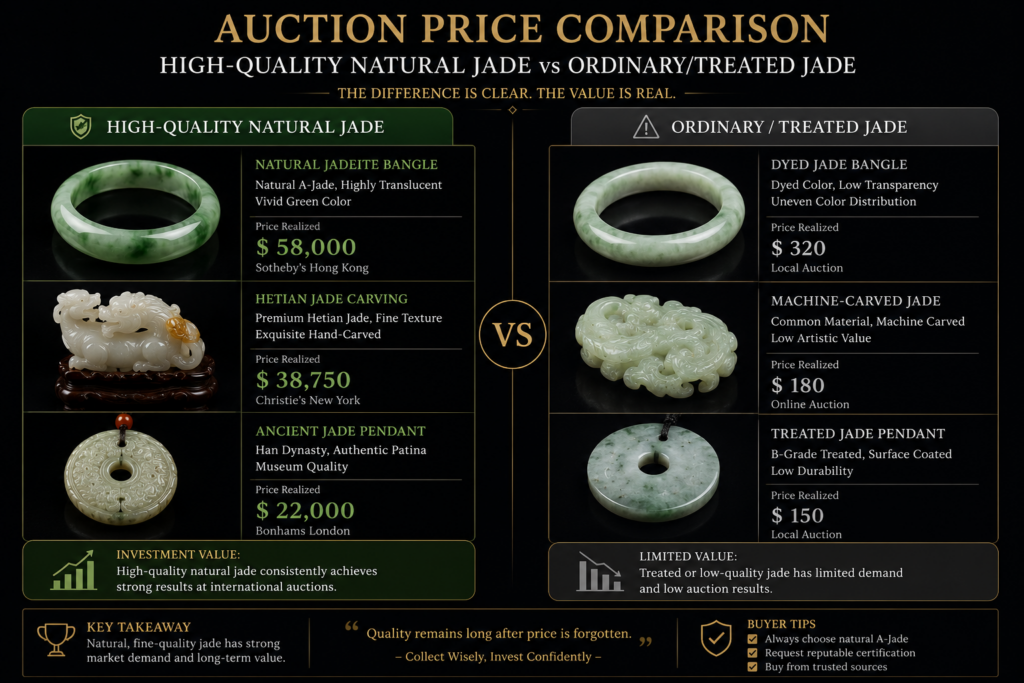
Some market analysts believe that premium natural jadeite and fine Hetian jade may continue to appreciate in the future due to limited supply and growing global demand.
6. Which Types of Jade Are Being Left Behind in 2026?
This is equally important for collectors and investors to understand.
In today’s market, the following categories are facing increasing pressure:
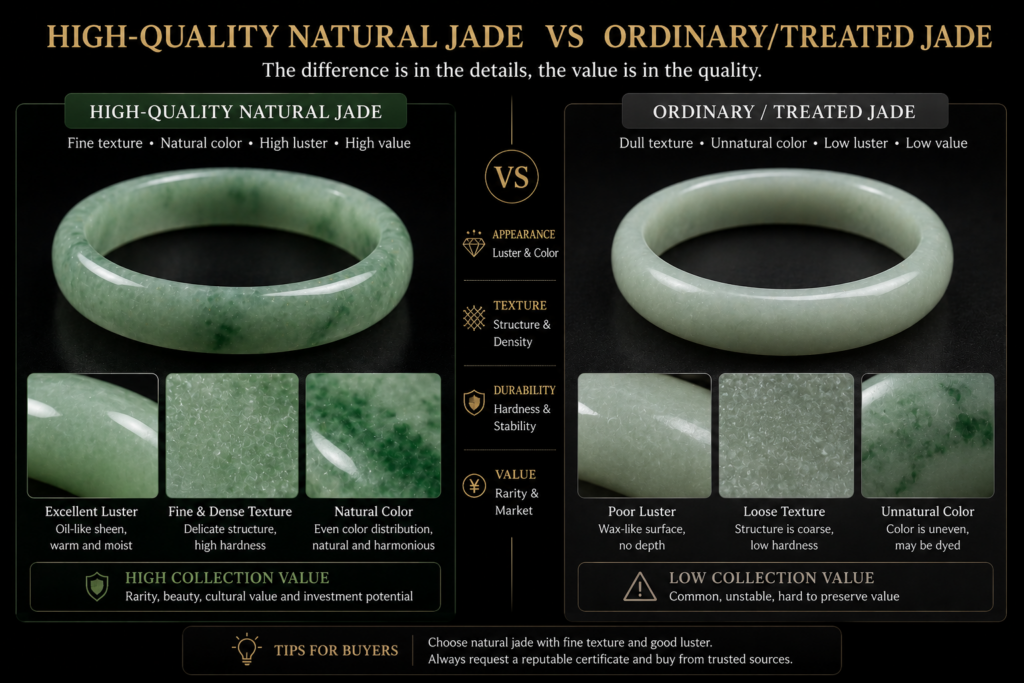
1. Treated Jade (Type B / Type C)
High-end buyers are paying much closer attention to:
- Natural authenticity
- Certification
- Provenance
As a result, treated jade is gradually losing competitiveness in the premium market.
Pieces that have been bleached, dyed, or resin-filled are becoming harder to sell at strong prices, especially in international auctions.
2. Mass-Produced Commercial Pieces
The market is becoming less willing to pay premium prices for:
- Machine-carved jade
- Repetitive commercial designs
- Factory-produced jewelry
Collectors today increasingly value individuality, craftsmanship, and artistic quality over mass production.
3. Ordinary Jade Without Provenance
Modern buyers are placing far greater importance on:
- Provenance
- Old collection history
- Auction records
- Documentation
Without a credible background or supporting history, ordinary jade pieces are finding it more difficult to achieve strong premiums in the market.
👉 In today’s jade market, authenticity alone is no longer enough — provenance and collectibility matter more than ever.
7. Will the Chinese Jade Market Continue to Rise in the Coming Years?
From a long-term perspective, the Chinese jade market still shows strong potential for future growth.
Several factors continue to support the market:
- Declining supply of high-quality natural jade
- Increasing international demand
- Growing participation from younger buyers
- The rising global influence of Eastern culture and aesthetics
However, the market is also becoming far more selective.
👉 Not every jade piece will increase in value.
The works that continue to gain recognition are usually those that combine:
- Natural, untreated material
- Exceptional craftsmanship
- Genuine rarity
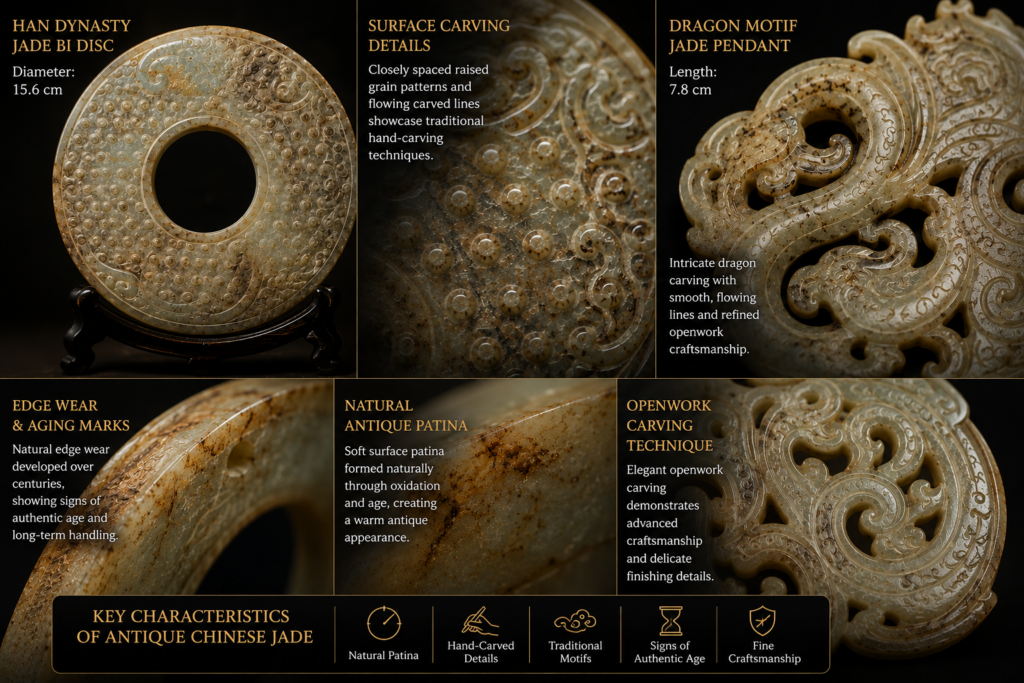
- Clear provenance and collecting history
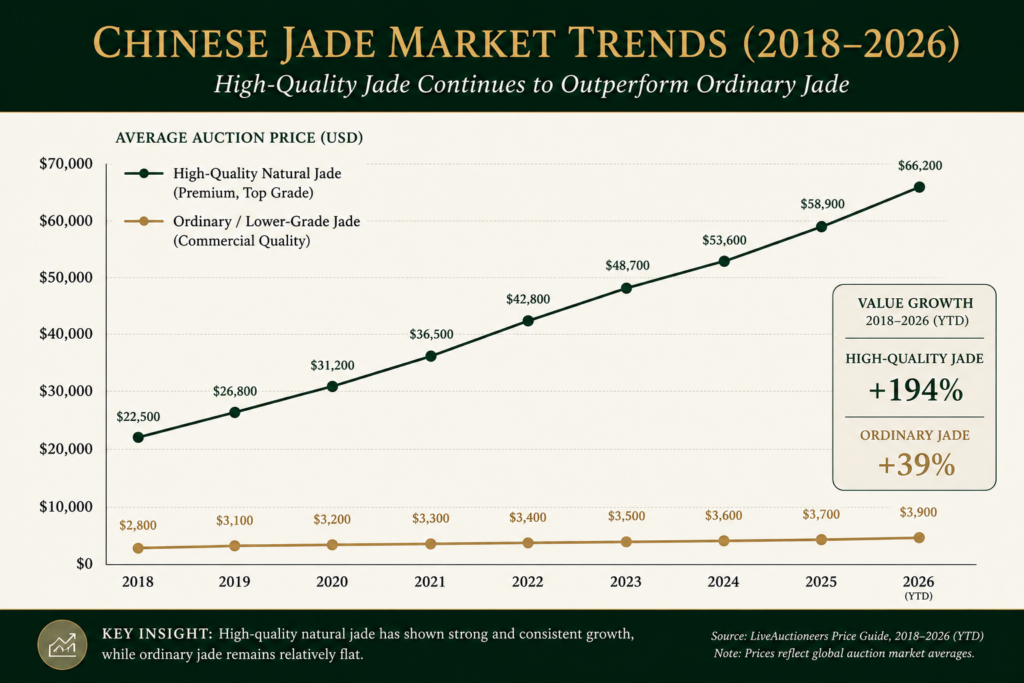
In the future, quality and authenticity will matter more than ever in determining long-term value.
8. Conclusion: In the Future, What Truly Holds Value Is More Than Just “Jade”
In the past, many people believed:
👉 As long as it was jade, it would increase in value.
But the 2026 market has made one thing clear:
The pieces that truly continue to rise are not ordinary commercial products, but rather:
- Exceptional works
- Rare pieces
- Objects with cultural and historical significance
Looking ahead, the Chinese jade market will become increasingly professional — and increasingly polarized.
For collectors, the most important skill is no longer simply “buying jade.”
👉 It is learning how to recognize what is genuinely worth collecting.
Related Posts