In recent years, as Chinese antique ceramics have continued to attract attention in the international…
What are Asian Antiques? A Beginner’s Guide
When people first encounter the concept of “Asian antiques,” they are often overwhelmed by its breadth and complexity. It is not a single category of collectibles, but a vast system spanning regions, histories, and cultures. From Chinese blue and white porcelain to Japanese ukiyo-e prints, from Southeast Asian Buddhist sculptures to Central Asian metalwork, each antique carries the aesthetics, technology, and social context of a specific era. Therefore, understanding Asian antiques is, in effect, learning a three-dimensional history of Asian culture.
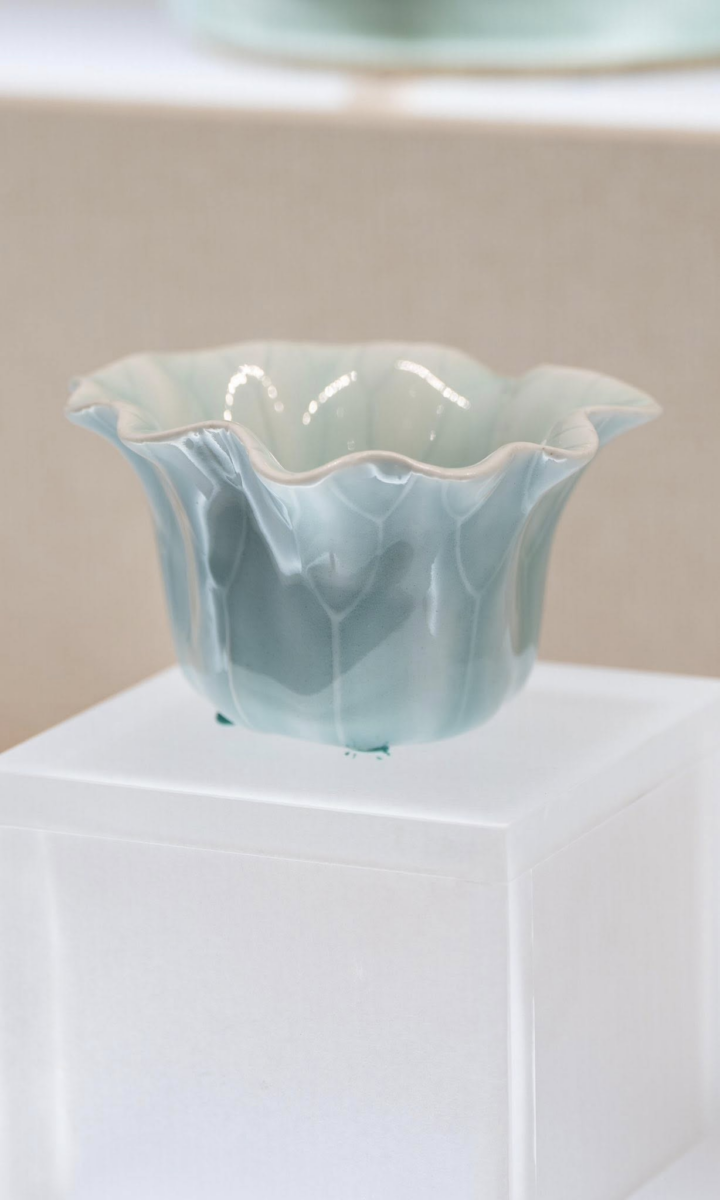
Strictly speaking, “antiques” usually refer to items with a history of over a hundred years. However, in the actual collecting market, this boundary is not absolute. Many works made in modern times but with exquisite craftsmanship and outstanding artistic value are also included in the category of “antiques” or “art collectibles.” Therefore, for beginners, instead of focusing on whether an item meets the age requirement, it is better to establish an understanding of “value composition” earlier: the reason why an item is considered worthy of collection often depends on a combination of its historical background, craftsmanship, condition of preservation, and market recognition.
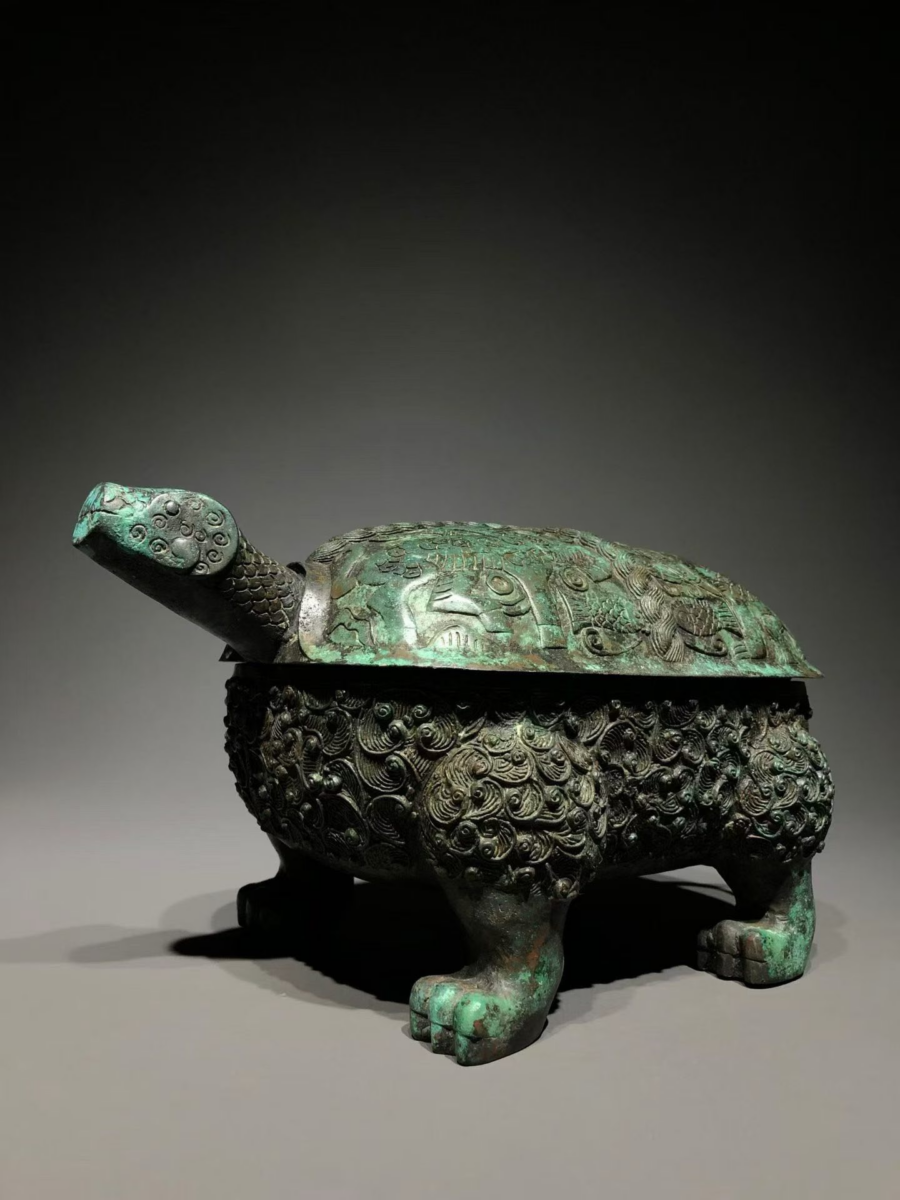
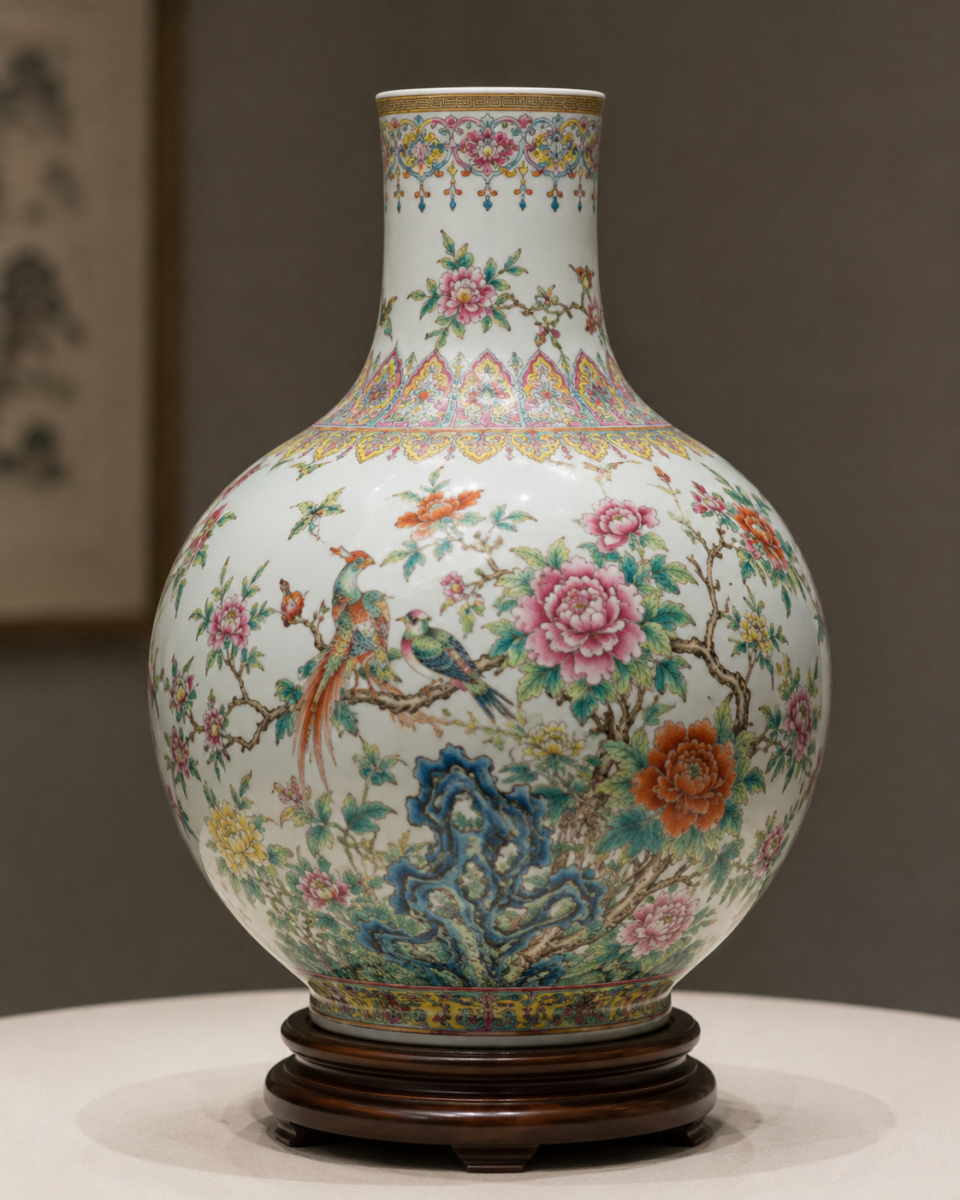
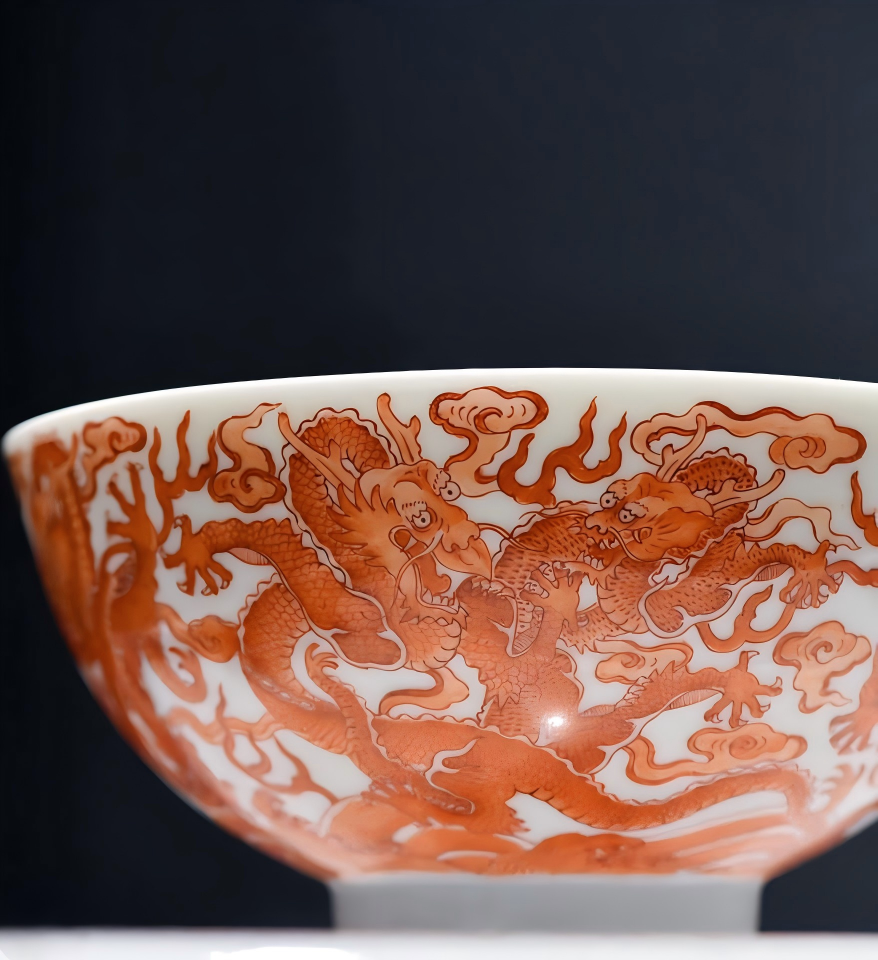
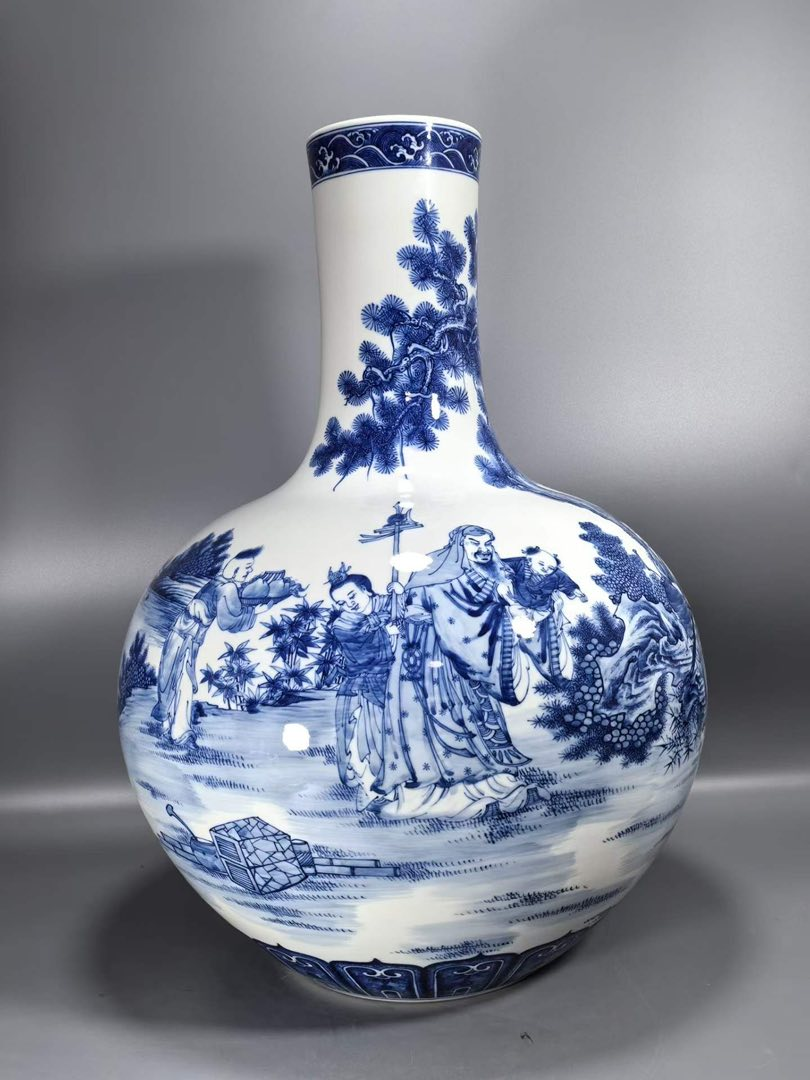
The unique appeal of Asian antiques largely stems from their profound cultural heritage. Take Chinese porcelain, for example: artifacts from different eras exhibit distinct differences in shape, glaze, and decoration. These differences reflect not only technological evolution but also shifts in aesthetic trends. Japanese antiques often embody the aesthetic of “wabi-sabi,” an appreciation of imperfection and the marks of time; while Buddhist statues and religious objects from Southeast Asia carry more religious significance and spiritual symbolism. This diversity transforms Asian antiques from mere “objects” into cultural expressions.
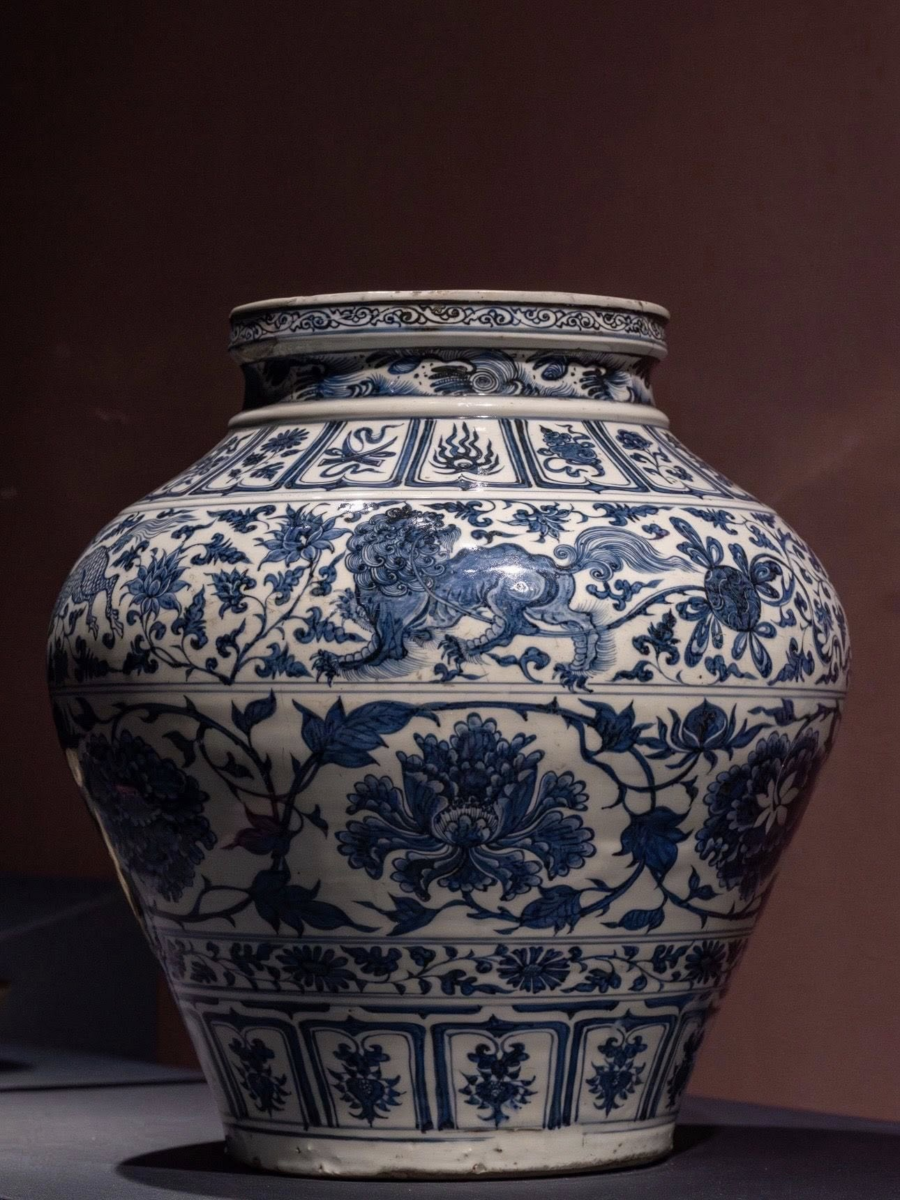
However, precisely because this field is so complex, beginners are prone to falling into common pitfalls. One of the most common misconceptions is that “the older, the more valuable.” In reality, age is only one dimension of value assessment; rarity, artistry, and condition are often more crucial. A well-preserved, exquisitely crafted Qing Dynasty artifact may have a far greater market value than a severely damaged but older item. Another common misconception is over-reliance on “appearance judgment.” Modern antique reproduction techniques can achieve highly realistic results; many forgeries not only resemble the original in form but even meticulously simulate signs of use, making simply “looking old” almost unreliable evidence.

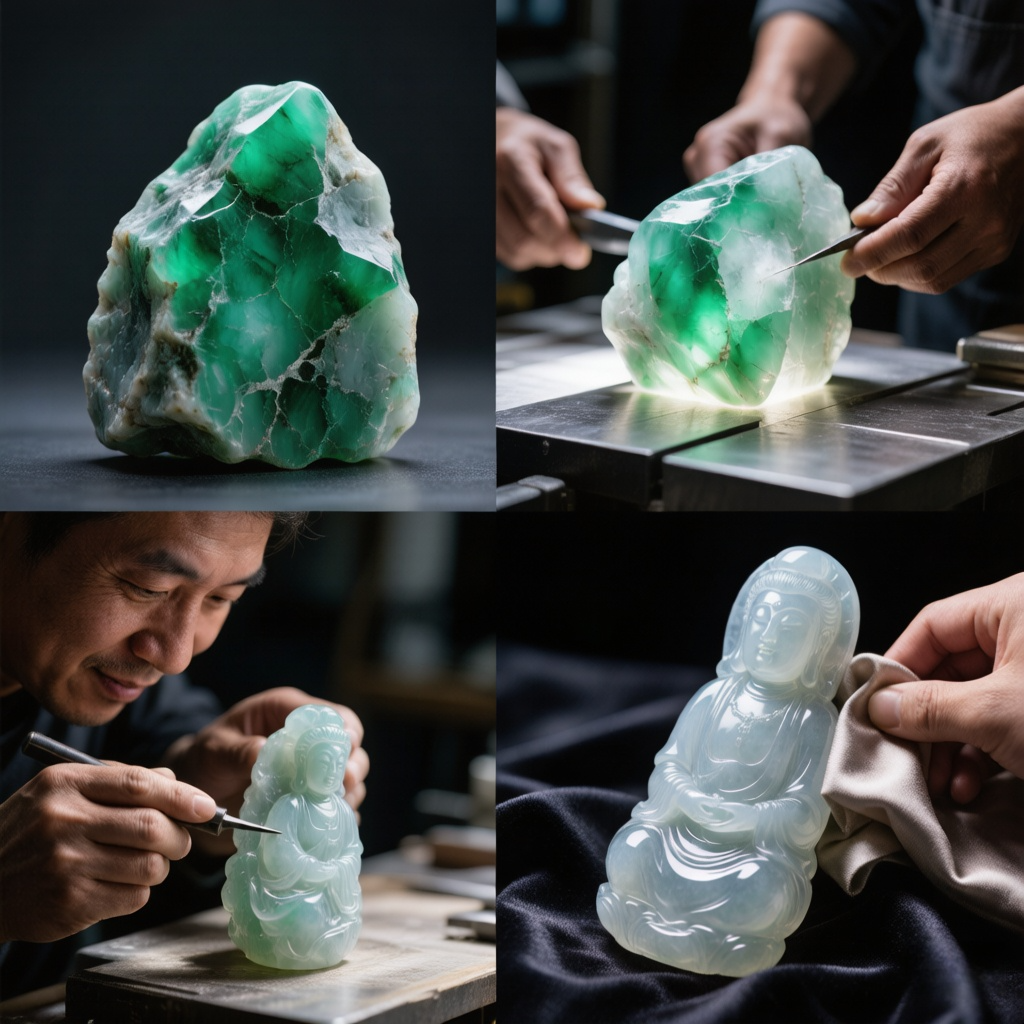
For novice collectors, choosing the right entry point is crucial. Porcelain is generally considered a more approachable category for beginners because its system is relatively mature, and its dating standards and market prices are relatively transparent. In contrast, while calligraphy and painting have extremely high cultural value, their authentication is difficult and the market is often inflated, making them more suitable for those who have gained some experience. Additionally, smaller craft items such as snuff bottles, jade ornaments, or seals are also popular starting points for many beginners. These items are relatively affordable and can help develop the ability to observe details.
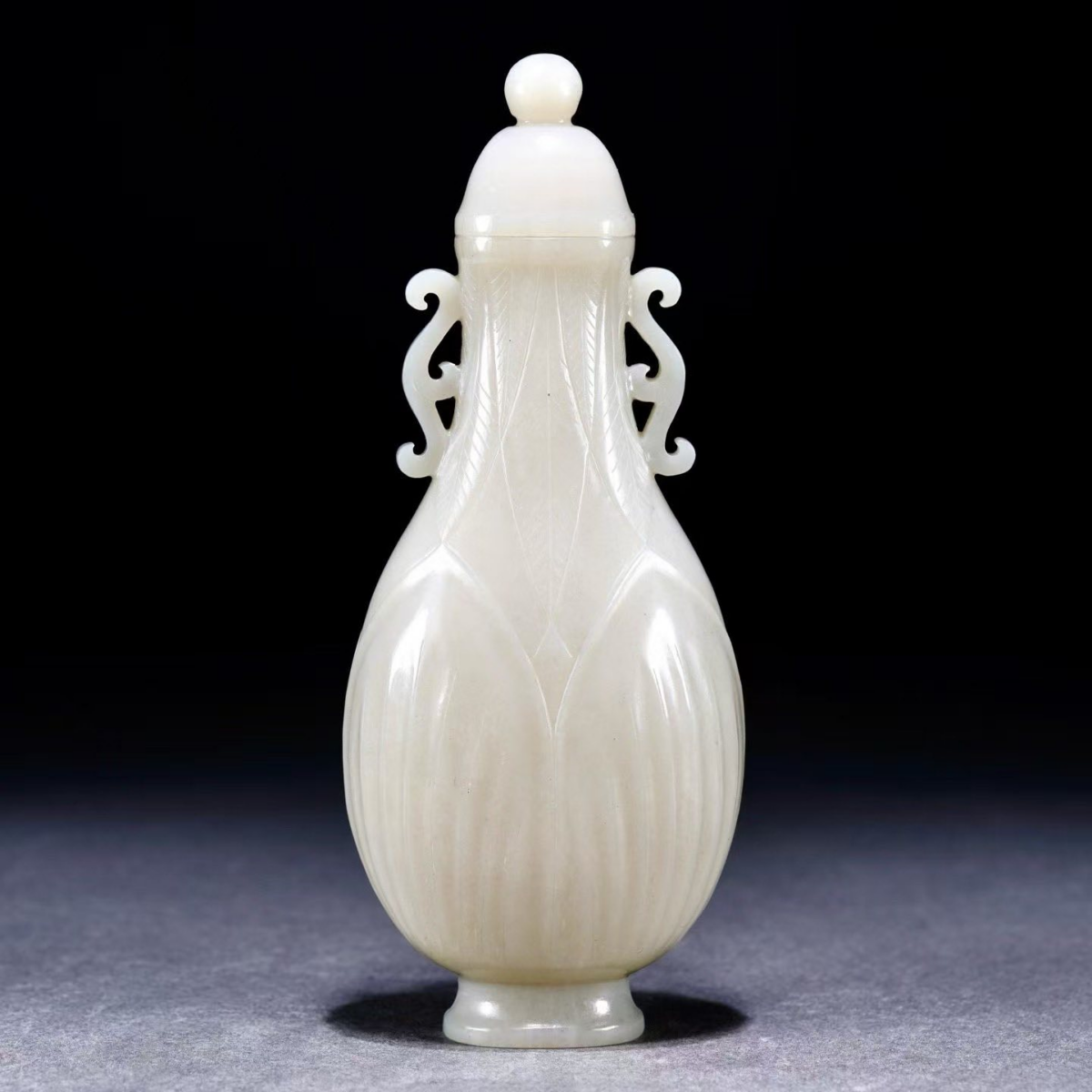
When assessing an antique, beginners can start with several basic dimensions. First is “condition,” meaning its state of preservation, including the presence of cracks, repair marks, or missing parts, all of which directly affect its value. Second is “craftsmanship,” referring to the fineness of its production and whether it conforms to the typical characteristics of its era. Third is “patina,” the natural marks formed by long-term use and oxidation, often a crucial clue distinguishing between old and new pieces. Finally, “provenance” is important; an antique with a clear record of its provenance is usually more readily accepted in the market.
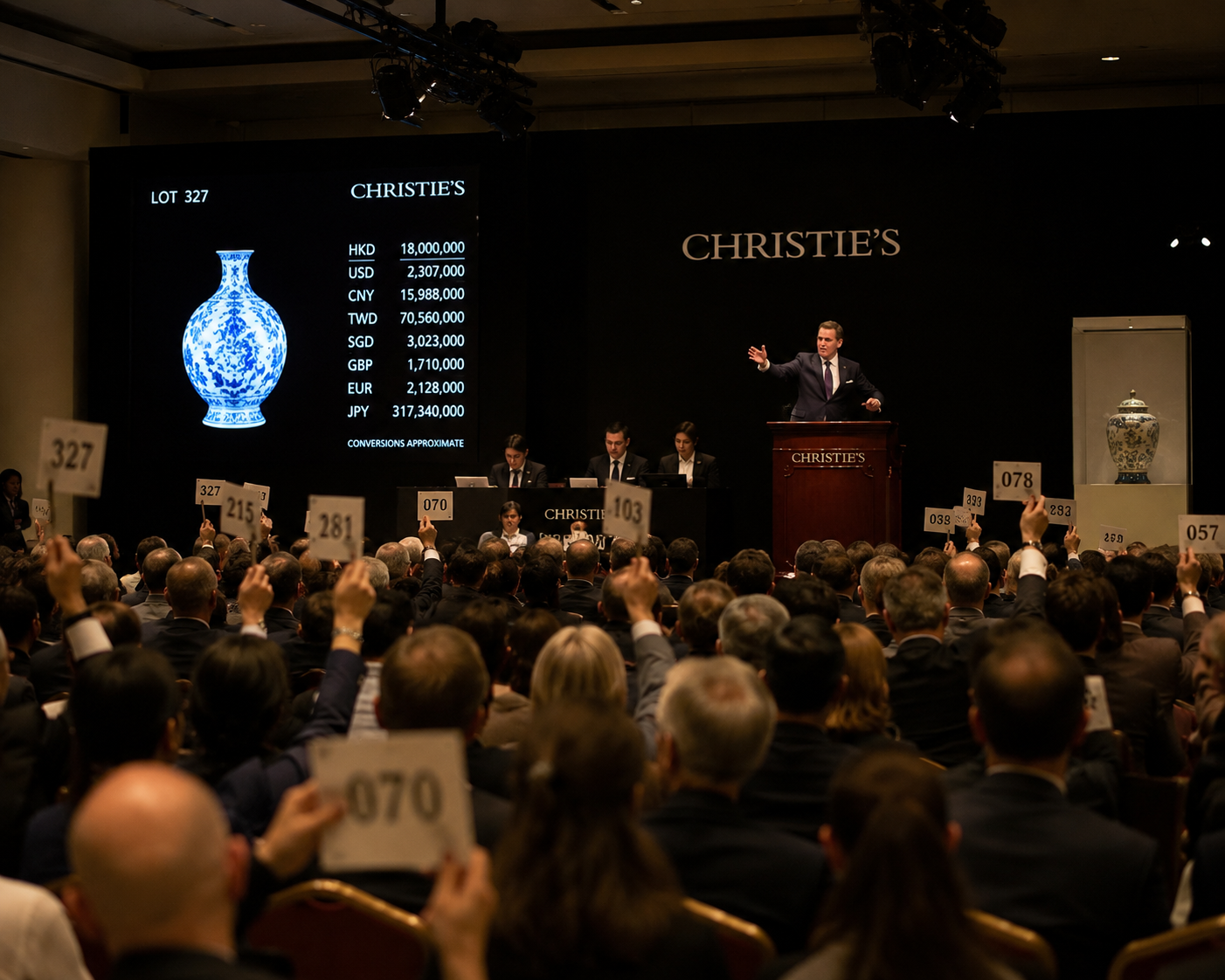
Regarding purchasing channels, auction houses are generally considered a relatively safe option because they conduct a certain level of verification and authentication, but their prices are often higher. Antique dealers and galleries rely more on trust relationships and are suitable for long-term communication and learning. In recent years, online platforms have offered more convenient options, but they also come with the risk of difficulty in distinguishing genuine from fake, so beginners should exercise extra caution in this channel.
From a broader perspective, collecting Asian antiques is not a short-term endeavor, but rather a skill that requires time to develop. What truly matters is not acquiring “good stuff” from the outset, but gradually establishing judgment criteria through continuous exposure and comparison. Many experienced collectors have gone through a phase of “paying tuition,” which is almost inevitable. The key is to manage risk and treat each attempt as part of the learning process.
Ultimately, the allure of Asian antiques lies not in their price tags, but in the time and stories they embody. When you can glean the historical context, craftsmanship, and even cultural mindset from an object, collecting transcends mere transaction, becoming a way to deeply understand history and aesthetics. For beginners, patience and rationality are far more important than chasing “bargains.” As long as you’re on the right track, with accumulated experience, you will eventually find your own judgment and enjoyment in this field.
Related Posts