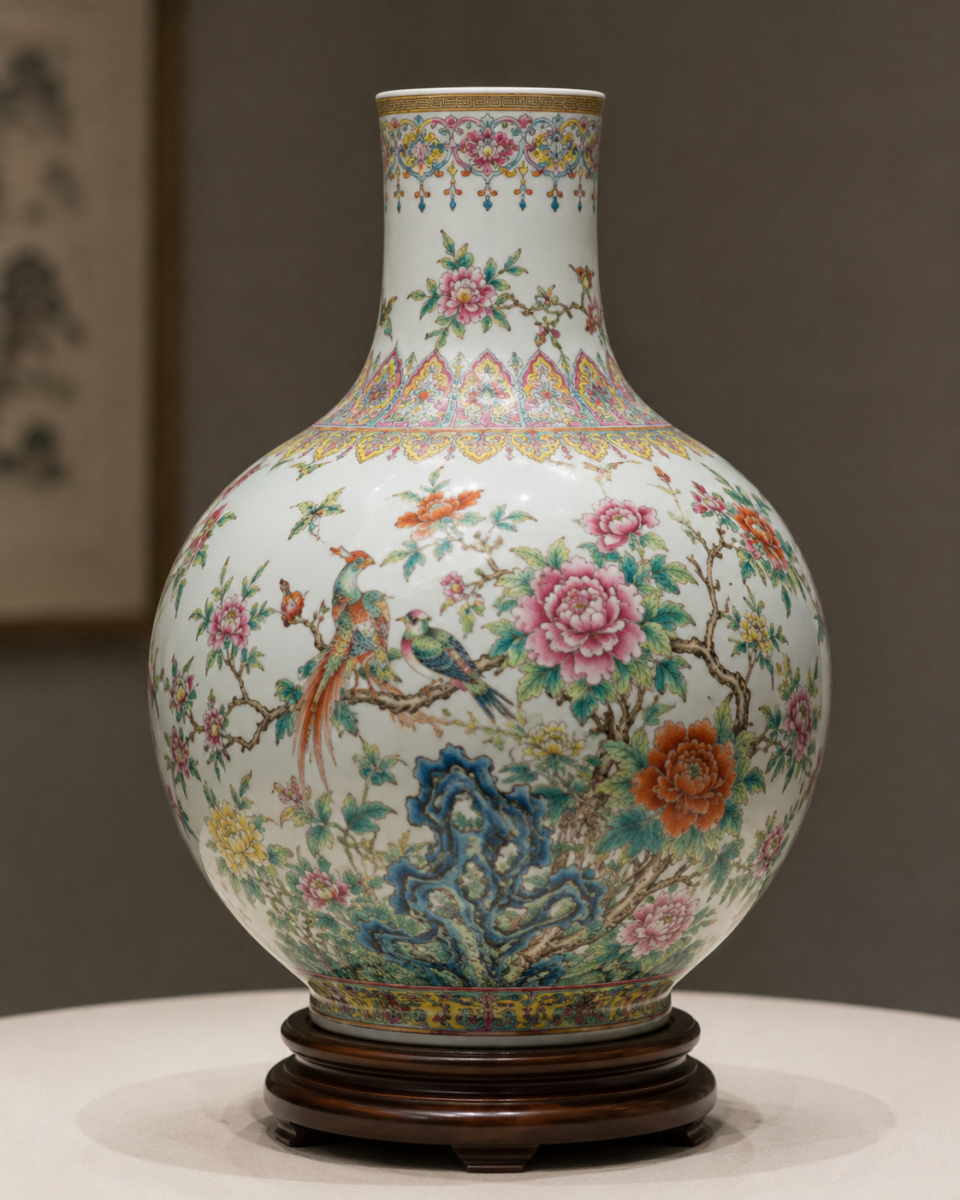
In recent years, as Chinese antique ceramics have continued to attract attention in the international…
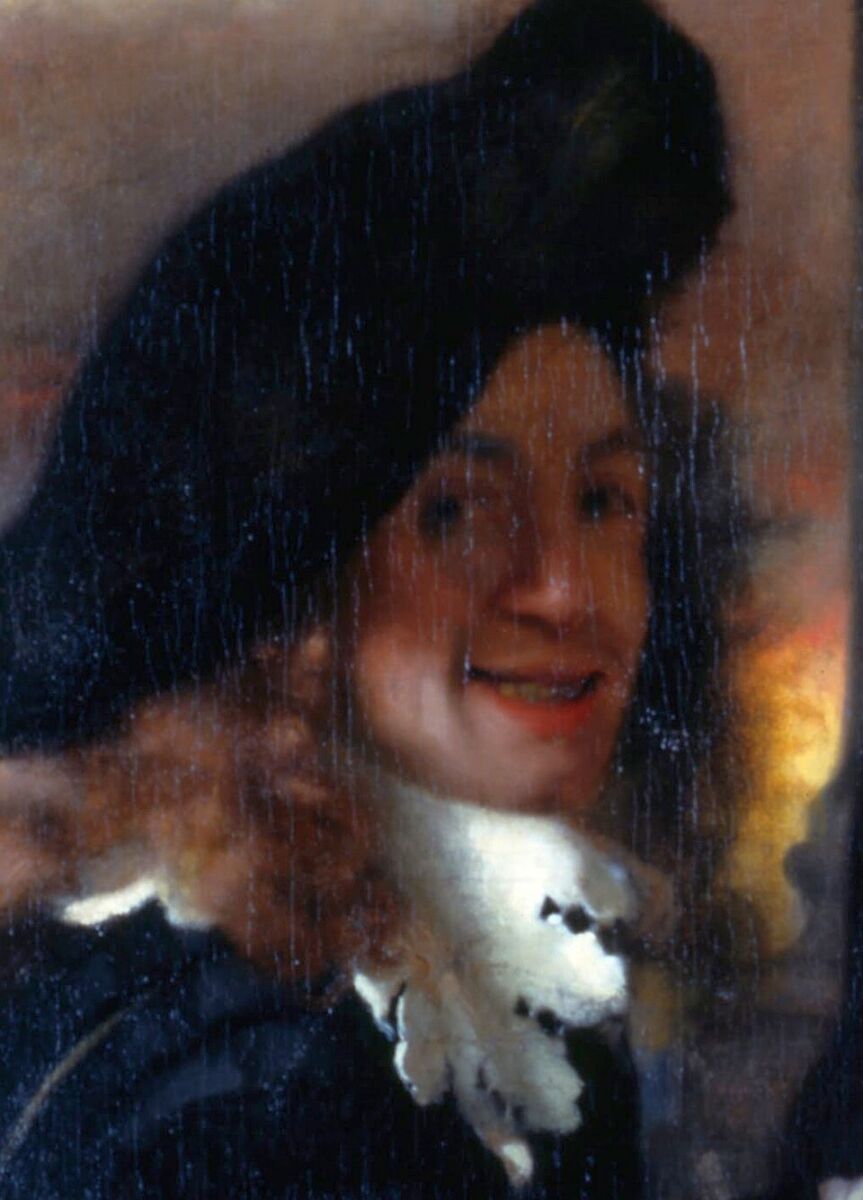
A Silent Poem of Light and Shadow: Vermeer’s Rise to Fame Through “Slowness”
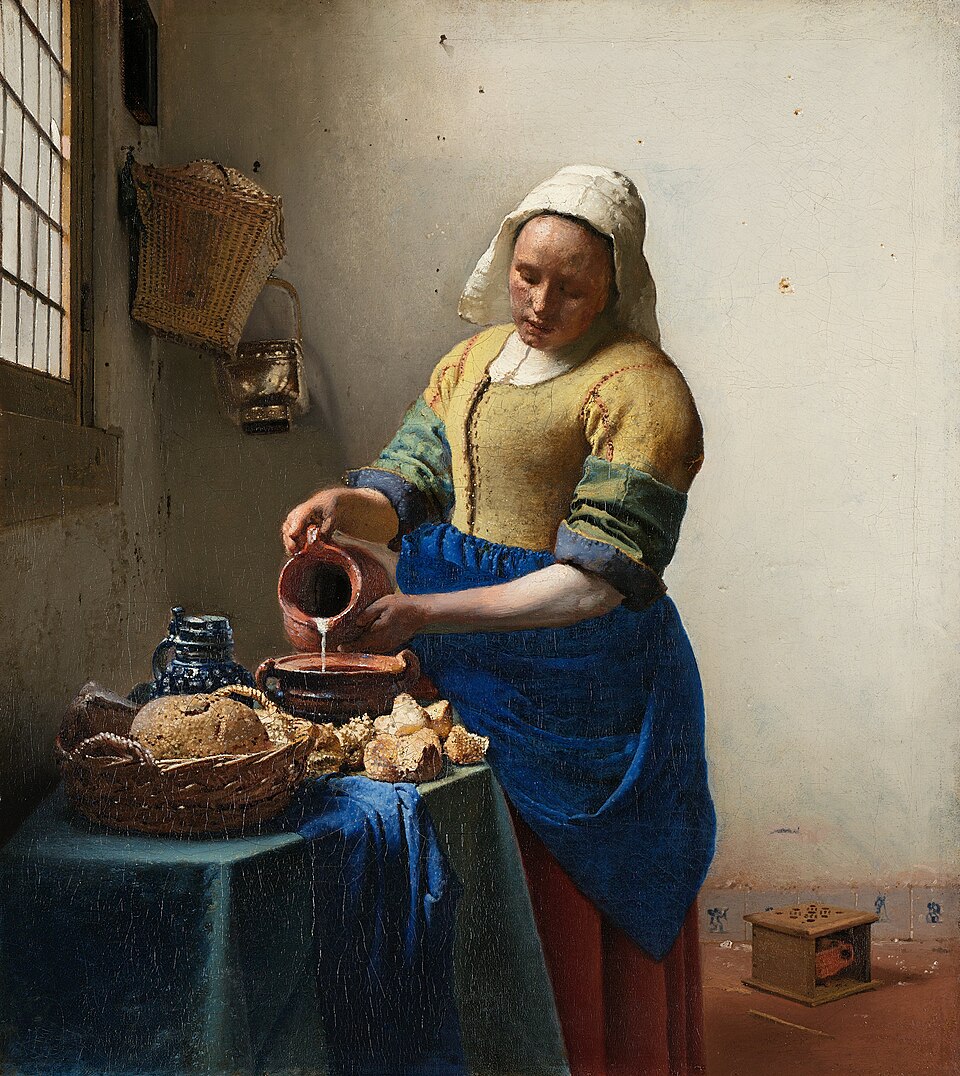
The Milkmaid (c. 1657-1658), a prime example of Vermeer’s use of light and everyday poetry. Note the subtle transitions of light on the bread, earthenware pot, and walls.
Delft in 1660, the glimmer of the Dutch Golden Age still shines. The townspeople might occasionally speak of the painter Johannes Vermeer, who painted in the market square.
He wasn’t the most dazzling star of his time; Rembrandt’s theatrical lighting and Hals’s free-flowing brushstrokes were more sought after.
Vermeer’s life revolved around this small town—joining the Saint-Luc Society, raising 11 children, running his mother’s inn, and occasionally selling a few paintings to make ends meet. His studio was on the second floor, its north-facing windows providing a steady, soft light.
It was in this studio that Vermeer created the paintings that would later captivate the world.
Light was his most exquisite language. The light in Vermeer’s paintings wasn’t Rembrandt’s stage lighting, but rather everyday, concrete, and tangible. In *The Milkmaid*, light streams in from the left window, gently washing over the earthenware pot, the bread basket, the maid’s yellow blouse and blue apron, finally casting soft shadows on the walls and floor.
Every reflection is meticulously calculated—the highlights on the rim of the pot, the texture of the bread crust, the shimmering light of the flowing milk. Vermeer used the then-rare camera obscura to aid his observation, but he transcended the tools, seeing the very texture of light with his naked eye.
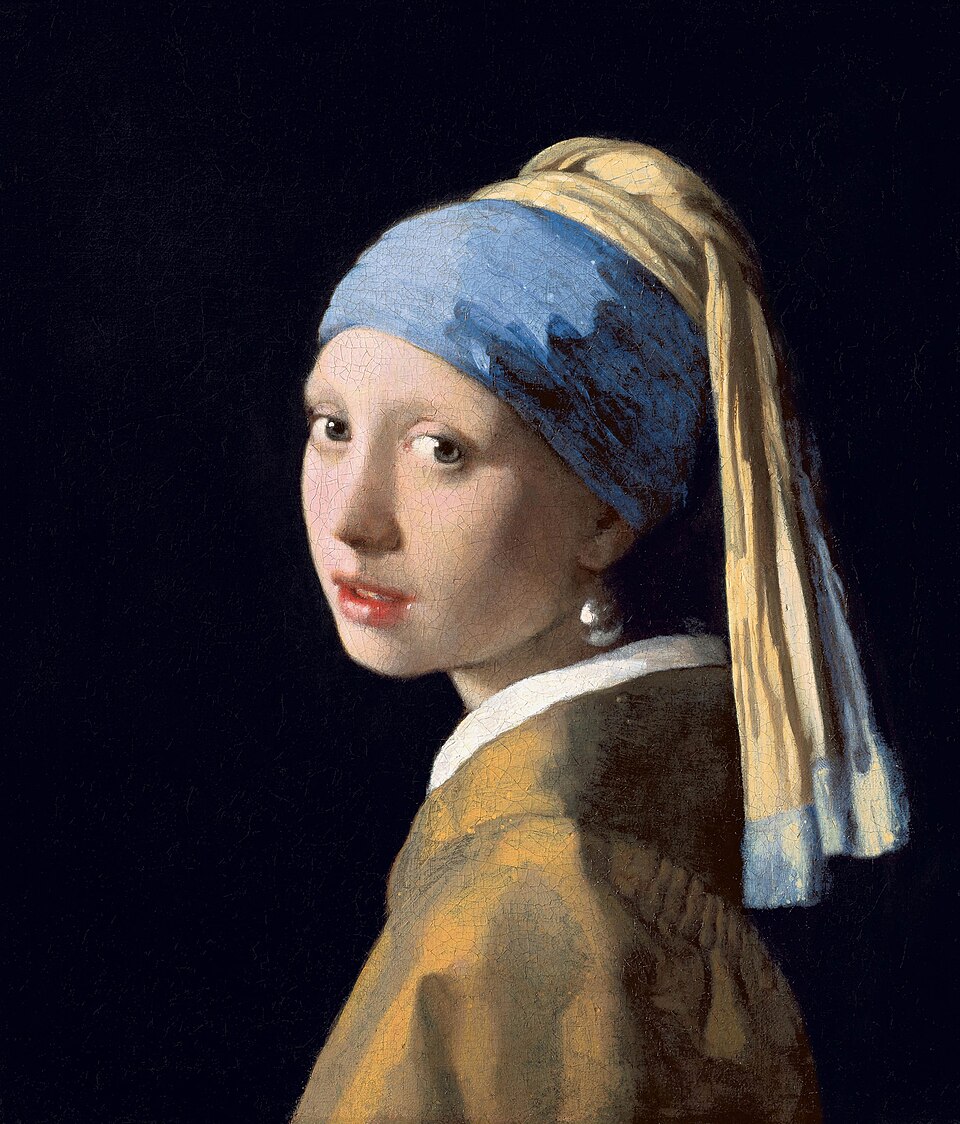
“Girl with a Pearl Earring” (c. 1665), Vermeer’s most famous work, is hailed as the “Mona Lisa of the North.” The fleeting moment of her glance back and the treatment of the pearl’s luster reveal an ultimate mystery and exquisite technique.
He painted extremely slowly, completing only two or three works a year. This slowness was almost a luxury in the efficiency-driven Dutch art market. His paintings were mostly commissioned by local collectors, such as the baker Van Bauten, who exchanged goods for the paintings.
Vermeer’s subjects are almost mundane and everyday: women reading letters, girls playing the piano, geographers studying maps, astronomers observing celestial globes. There are no grand historical scenes, no solemn religious narratives, only tranquil interiors and focused figures.
“Girl with a Pearl Earring” is perhaps Vermeer’s most enigmatic figure. In the fleeting moment of her glance back, her lips slightly parted, the pearl on her earlobe shimmering with a wondrous light. It is not a portrait, but a “Tjoni”—a fantasy portrait, yet more moving than any realistic portrait. In 1675, Vermeer died suddenly at the age of 43, leaving behind debts that forced his wife, Catherine, to sell his paintings. The auction list included more than twenty of Vermeer’s works, with *The Art of Painting* estimated at only 50 guilders.
For nearly two centuries afterward, Vermeer was almost forgotten by the art world. His works were often mistaken for those of Peter de Hoch or other Dutch painters, and his signature disappeared in the process of transmission.
It wasn’t until the mid-19th century that the French art critic Théophile Torre-Bilgé, searching throughout the Netherlands, rediscovered this “Sphinx of Delft.” In 1866, he published an article in *des Beaux-Arts*, providing the first systematic introduction to Vermeer’s work.
At this moment, nearly two centuries had passed since Vermeer’s death.
In the 20th century, Vermeer’s reputation reached its peak. His treatment of light and shadow influenced Impressionist painters, and *Girl with a Pearl Earring* was even called the “Mona Lisa of the North.” Films and novels have continuously depicted his life, despite the scarcity of true historical records about him.
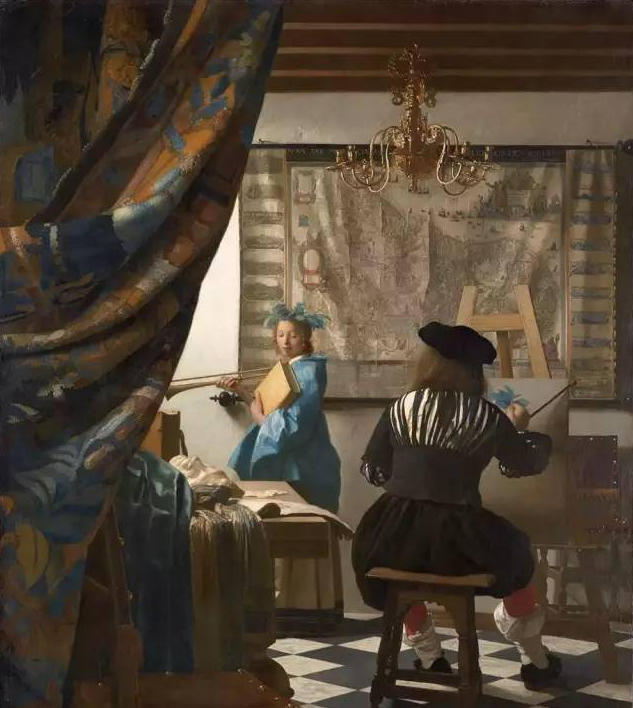
The Art of Painting(c. 1666-1668), one of Vermeer’s most complex and allegorical works, depicts the relationship between the painter and his model (the Muse) in his studio, and can be considered a manifesto of his artistic philosophy.
Standing before Vermeer’s paintings today, we see not only a 17th-century Dutch interior scene, but also a way of seeing—finding eternity in the ordinary, hearing echoes in silence.
Vermeer’s rise to fame is like a slowly unfolding light, starting from the small window of his studio in Delft, traversing the long corridor of time, and ultimately illuminating the walls of art history. He taught the world: sometimes, the most profound change is not a loud bang, but the subtle murmur of light falling on a still life.
Related Posts