In recent years, as Chinese antique ceramics have continued to attract attention in the international…
Gemstones and Collecting: The Light of Time Flowing at Your Fingertips
Throughout the long history of human civilization, gemstones have always played a unique role. Unlike gold and silver, they are not easily obtained, nor are they influenced by the creative whims of artists like works of art. The birth of a gemstone requires tens of millions—even hundreds of millions—of years of intense heat and pressure beneath the Earth, through sedimentation and crystallization, to form a glimpse of profound color and brilliance. Therefore, when people wear or collect gemstones, they are, in fact, holding the crystallized convergence of time, nature, and culture.
1. The Value of Gemstones: Origin, Rarity, and Meaning
The value of gemstones usually stems from three dimensions: rarity, aesthetics, and cultural significance.
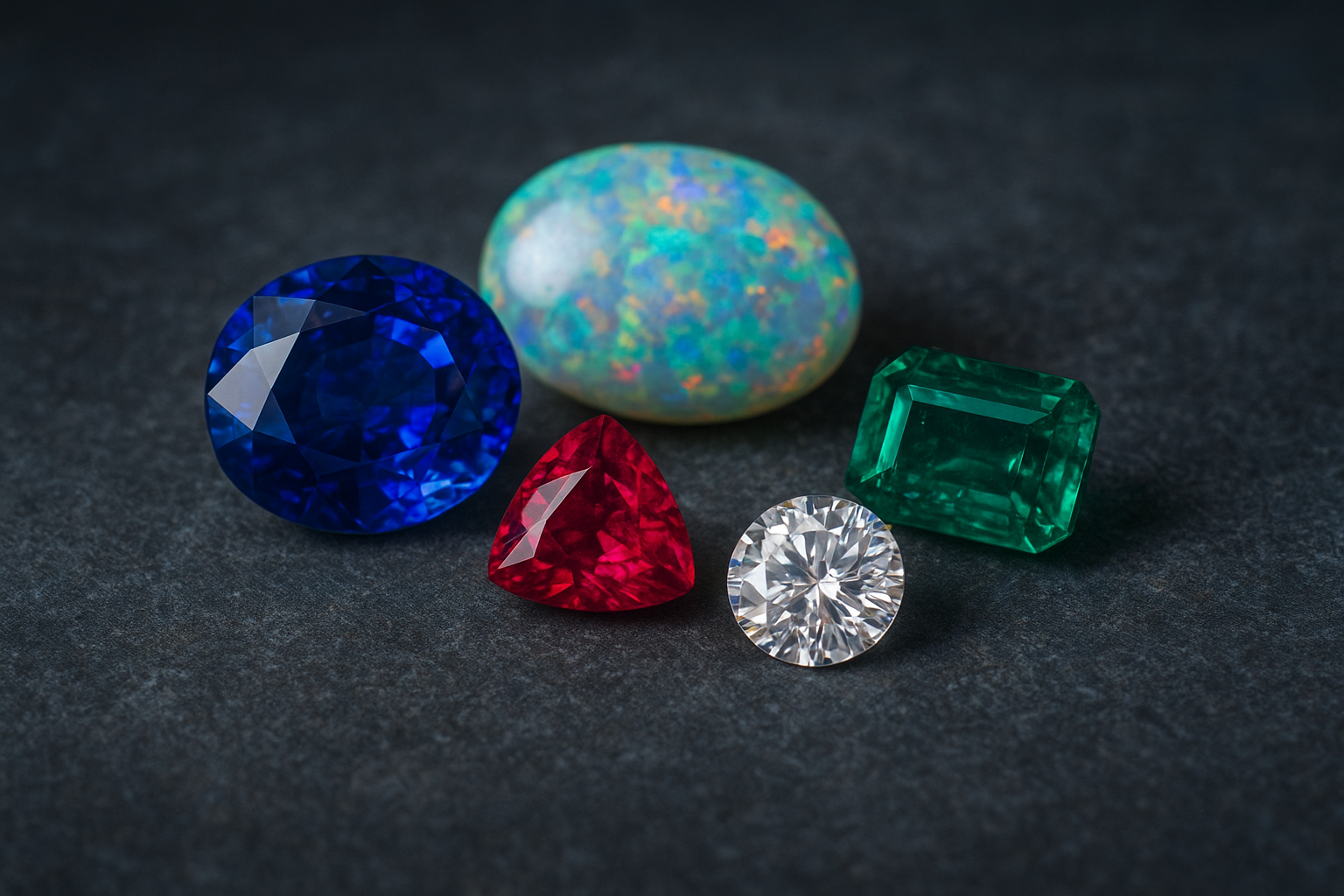
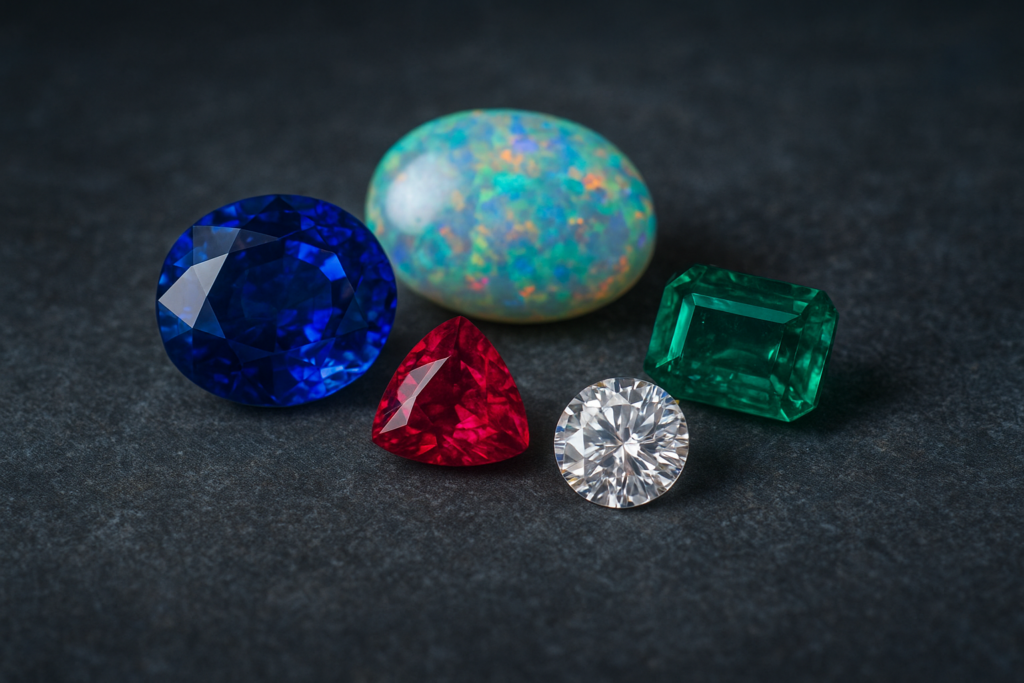
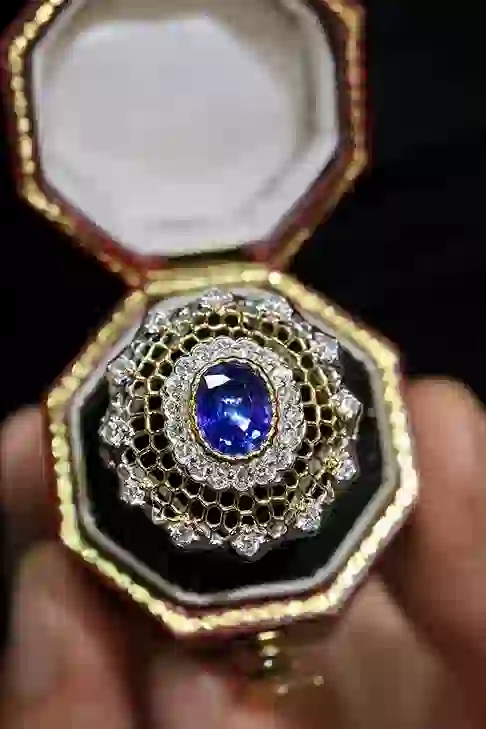
Rarity implies limited supply and non-renewability. For example, the Kashmir sapphire mines have already been depleted, making them a “legend” in the collecting market. Natural opal, tanzanite, and Colombian emeralds follow the same principle.
Aesthetics relate to human perception of color, luster, clarity, and cut. A gemstone is not merely a material existence, but a symbol of beauty.
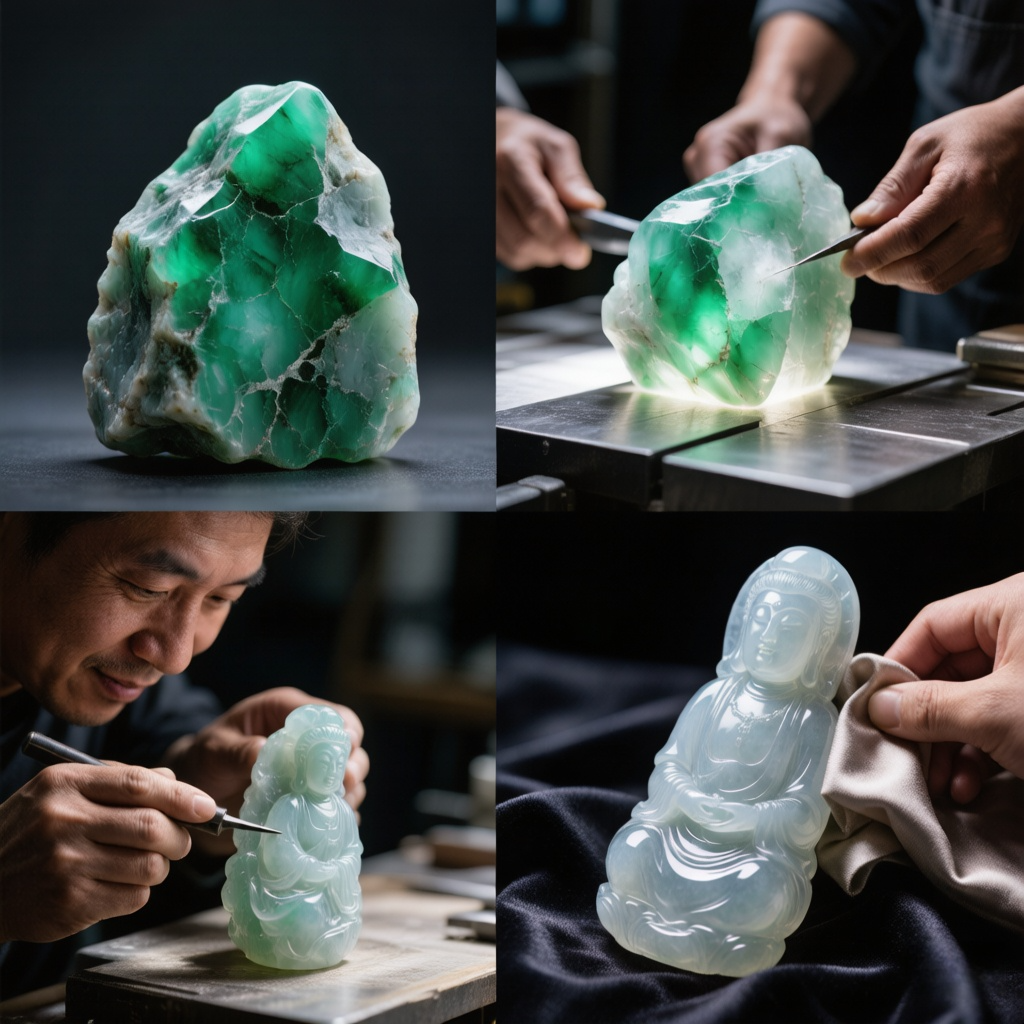
Cultural significance determines the meaning behind a gemstone. Diamonds are believed to symbolize eternity, rubies represent power, and jade embodies Eastern notions of fortune and blessing. The stories behind gemstones grant them emotional value.
When these factors combine, gemstones cease to be simple commodities — instead, they become vessels of history and culture.
2. The Threshold of Collecting Gemstones: Knowledge, Insight, and Mindset
Many people assume that collecting gemstones only requires money, but that is far from enough. The true threshold lies in knowledge and discernment.
For beginners, one can start from the following aspects:
Learn basic classifications
Diamonds, colored gemstones, organic gemstones, and semi-precious stones each have unique characteristics.
Understand the “4C” standard
For diamonds, cut, color, clarity, and carat weight are all essential.
Learn to read certificates
International certificates such as GIA, GRS, and SSEF are key references for authentication and pricing.
Observe market trends
Market demand determines price movement. In recent years, antique jewelry, old-mine jadeite, and colored diamonds have shown steady growth in popularity and value.
Insight comes from experience. For example, the play-of-color in opal, the “pigeon’s blood” hue in rubies, and the saturation and fractures in emeralds all require repeated comparison to truly understand.
Mindset is even more important. Collecting should not be driven by gambling impulses, but by long-term companionship — an appreciation built on study, patience, and conviction.
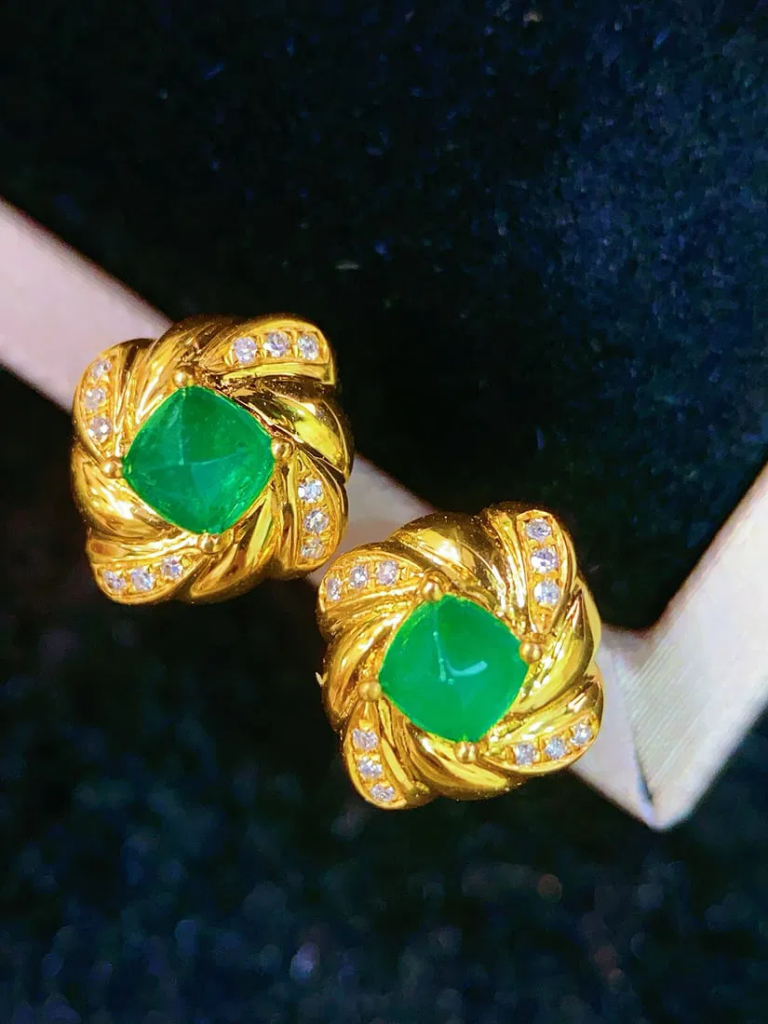
3. The Essence of Gemstone Collecting: Aesthetic Freedom and Personal Taste
Unlike stocks or real estate, gemstones are an intensely personal form of collection.
Some people are drawn to the depth of sapphires, others are mesmerized by the rainbow-like flashes of opal, and some admire the noble aura of rubies. In the end, collecting gemstones is a way of perceiving the world — an extension of one’s individual aesthetic.
As jewelers often say:
You do not choose the gemstone — the gemstone chooses you.
Every gemstone carries its own unique waves of light and energy. After sleeping within the Earth for hundreds of millions of years, it is eventually discovered, cut, and worn by human hands — a romantic dialogue between mankind and nature.

4. The Value of Collecting: Not Just Appreciation, but Heritage
“The eternity of gemstones” is more than a slogan — it is a cultural truth.
Compared with oil paintings that can deteriorate over time or technology that quickly becomes obsolete, gemstones possess remarkable stability. As a result, many families choose gemstones as heirlooms.
A perfect gemstone can transcend three generations.
This is also why auction houses have seen frequent record-breaking sales in recent years:
antique jewelry, rare rough stones, and top-grade colored diamonds continue to attract intense bidding interest. Investors increasingly realize that gemstones are not merely decorative — they are a form of asset preservation.
5. Market Misconceptions: Blind Following and Emotional Speculation
There are two common pitfalls in gemstone collecting:
Buying simply because you hear the price is rising
This is often a trap, as market cycles vary greatly, and the difference between high and low quality can be significant.
Relying too heavily on “stories”
Without certificates or data to support them, stories alone cannot create real value.
Rational thinking is always the most essential quality for gemstone collectors.
6. Conclusion: Gemstones Are Gifts of Time
In collecting gemstones, what you ultimately gain is not just the material itself, but:
the growth of your aesthetic sense, the accumulation of culture, the touch of history, and the weight of time.
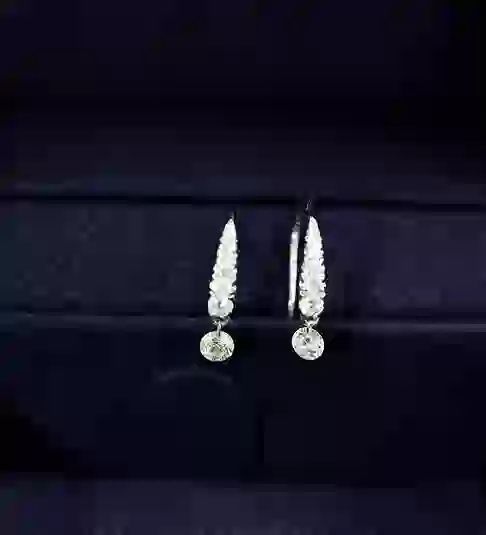
When a gemstone sparkles under the light — and when you understand the ages it has endured, the shifts in its origin, and the highs and lows of its auction journey — you cannot help but feel a subtle, indescribable reverence.
For gemstones remind us:
The Earth is vast, time is long, humanity is small — but beauty endures.
Let collecting be a gentle way of connecting with the world.
Related Posts