
In recent years, as Chinese antique ceramics have continued to attract attention in the international…
World Landmark Architecture: Culture and Civilization Frozen in Space
When we talk about the soul of a city, it is often not defined by language but written across the skyline by its architecture. Architecture is more than a functional structure—it is a monument to human civilization, a solidified form of culture, and the most direct projection of history and aesthetics. Across the world, unique architectural landmarks are like cultural coordinates scattered across the earth, allowing us to travel through time, geography, and ideas—whether on the road or in our imagination.
1. Europe: From Classical Order to the Heavens of Faith
If European architecture is a weighty chronicle of civilization, then the Parthenon of ancient Greece is its opening chapter. Its simple and precisely proportioned Doric columns represent not only the maturity of building techniques but also a philosophical expression of the “human scale.” The Greeks carved reason into stone, while the Romans, through arches and domes, proved that engineering could redefine the scale of a city. The Colosseum and the Pantheon—one symbolizing power and public life, the other a miracle of divinity and engineering.
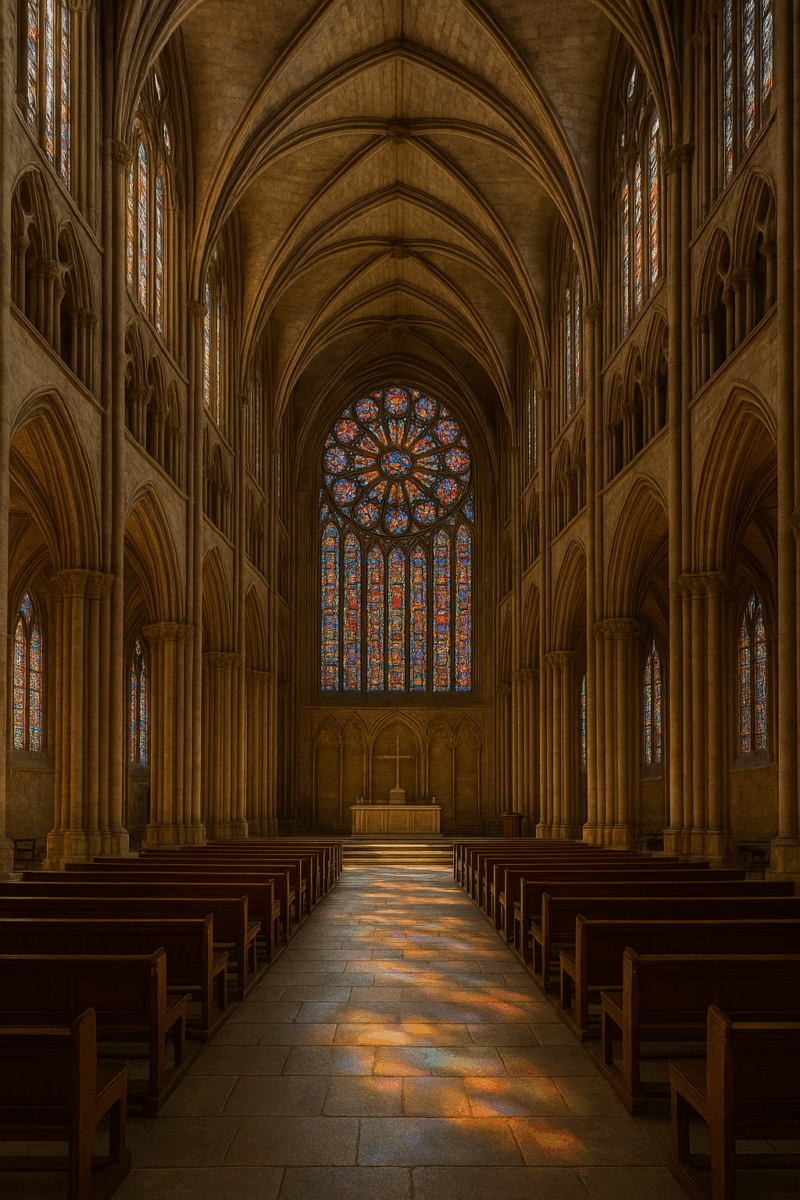
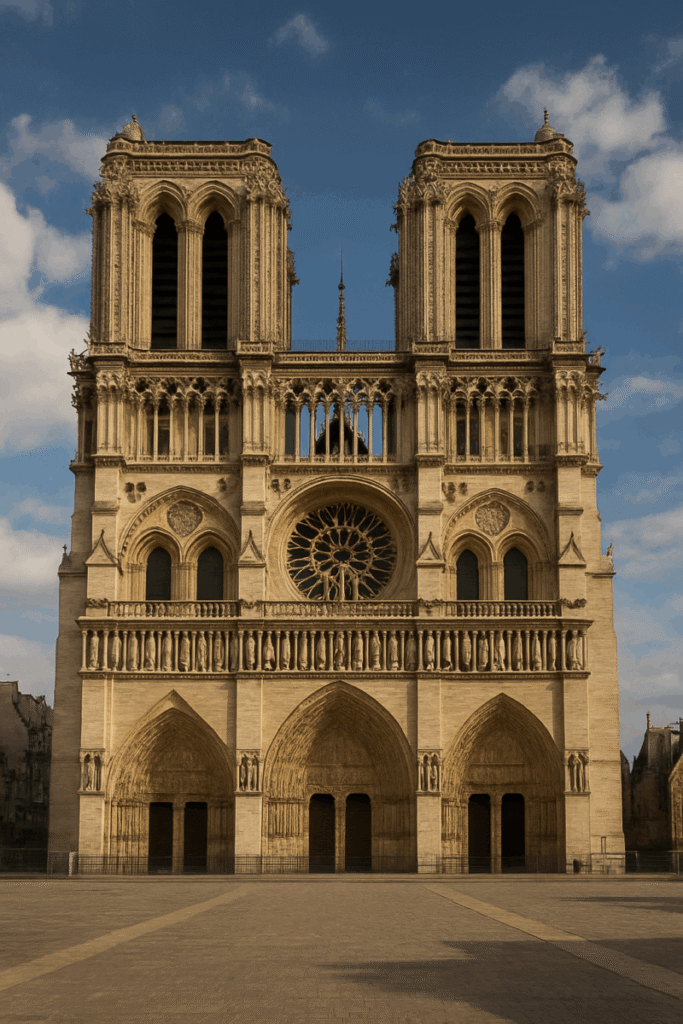
Medieval Gothic cathedrals, however, tell a different story. The flying buttresses and towering spires of Notre-Dame de Paris and Cologne Cathedral make stone appear weightless, directing faith upward toward the heavens. Light pouring through stained-glass windows creates a spiritual experience that transcends physical structure. During the Renaissance, architecture returned to “humanism and order.” The dome of Florence Cathedral and the grand spatial composition of St. Peter’s Basilica became a harmonious fusion of art, beauty, and engineering.
2. Middle East and North Africa: Geometry, Light, and the Wisdom of Desert Civilizations
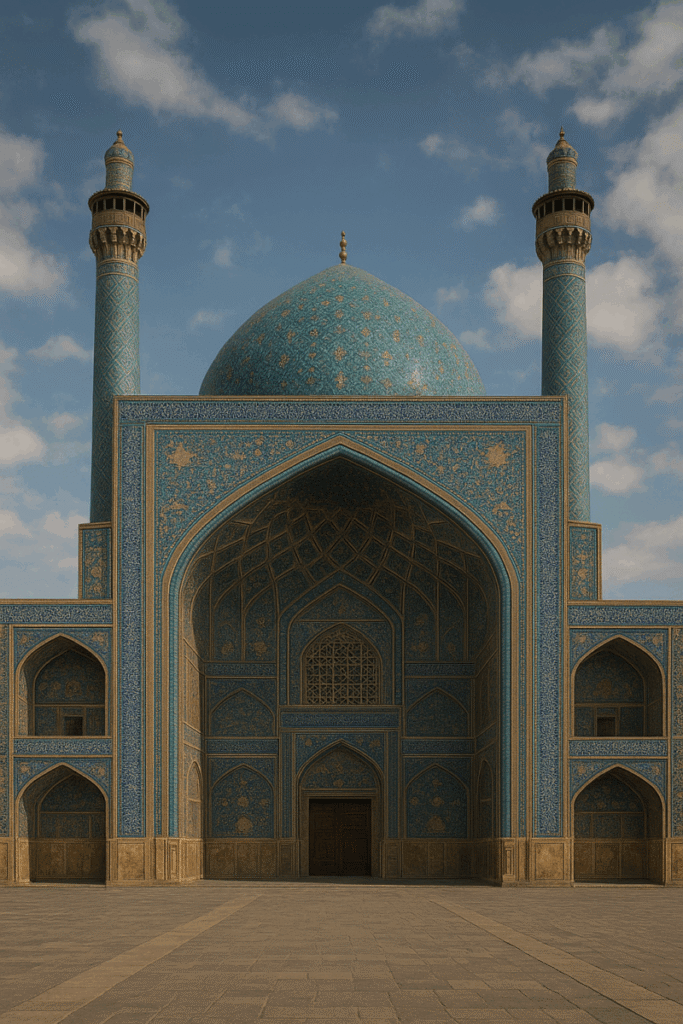
Crossing the Mediterranean into the Middle East and North Africa, architecture takes on a completely different character. The most captivating aspect of Islamic architecture is the way it expresses the sacred through geometry and light. In Spain’s Alhambra Palace, intricately carved surfaces resembling lace and endlessly repeating octagonal patterns on the domes create a sense of infinite symmetry and order. Iranian mosques, with their blue tiles, radiate a celestial glow, while the Egyptian pyramids stand in the desert as pure geometric forms that have endured for thousands of years.
Behind these architectural forms lies the combined influence of scorching climates, irrigation-based civilizations, and religious worldviews. Thick walls, arches, and inward-facing courtyards reflect the region’s practical response to arid environments, while the repeated geometric patterns embody the pursuit of abstract beauty rooted in aniconic faith.
3. Asia: A Architectural Language of Philosophy, Order, and Harmony with Nature
Civilizations such as China, India, and Japan each hold entirely different understandings of what architecture means.
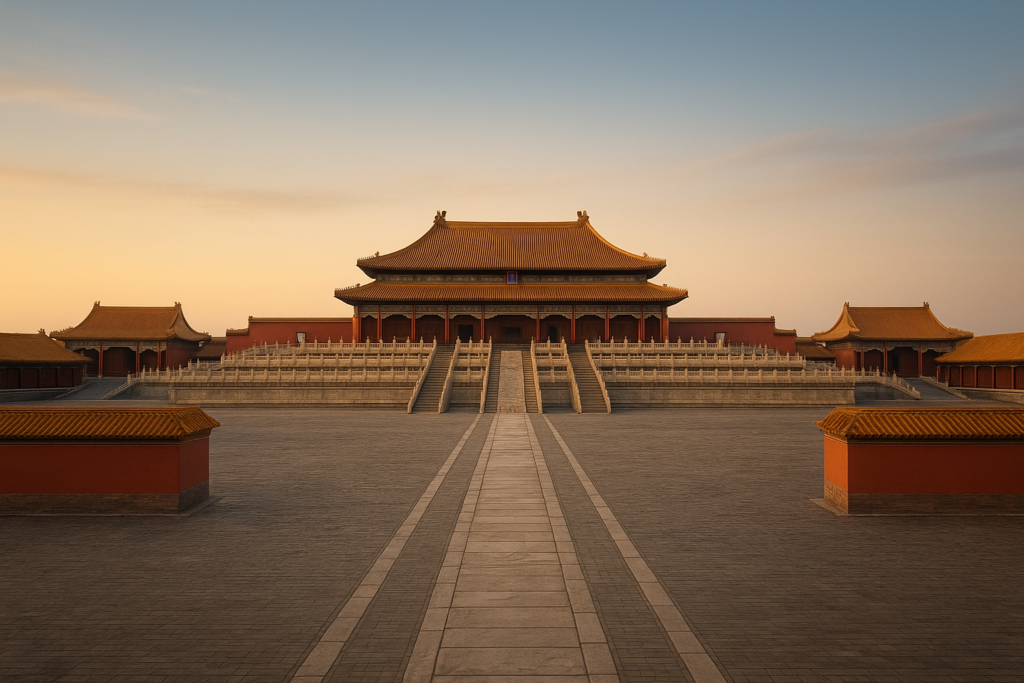
Traditional Chinese architecture emphasizes axial symmetry, hierarchical order, and the philosophy of harmony between heaven and humanity. The layered courtyards of Beijing’s Forbidden City embody ritual systems, political structure, and cosmological views. In contrast, Suzhou’s classical gardens express another philosophy: creating infinite poetic charm within limited space. Through rockeries, water, lattice windows, and the art of borrowed scenery, they present a “livable landscape painting.”
India’s Taj Mahal speaks of love and eternity through pure white marble. Blending Persian, Indian, and Islamic elements, it elevates symmetry to perfection. Its domes and pavilions seem to float poetically upon their reflections in the water.
Japanese architecture takes a path toward minimalism and nature. The Golden Pavilion in Kyoto and the humble wooden structures of the Ise Grand Shrine highlight the authenticity of materials and the beauty of empty space. Together, they convey a message to the world: architecture does not need to be towering to be profound.
4. The Americas: Where Modernization Intertwines With Cultural Diversity
In the Americas, architecture often reflects the collision between modernization and multicultural influences. The skyscrapers of New York symbolize efficiency, capital, and technology; from the Empire State Building to the World Trade Center, the city’s vertical growth is inscribed with the ambitions of its era.
The capital of Brazil, Brasília, was shaped by architect Oscar Niemeyer’s sculptural lines. Soft curves and vast column-free spaces allow concrete to move with a dance-like freedom. Meanwhile, Mexico’s colonial architecture and Inca ruins coexist across cities and valleys, telling the story of conquest and cultural fusion.
5. The Future and the Contemporary: A New Language Shaped by Technology
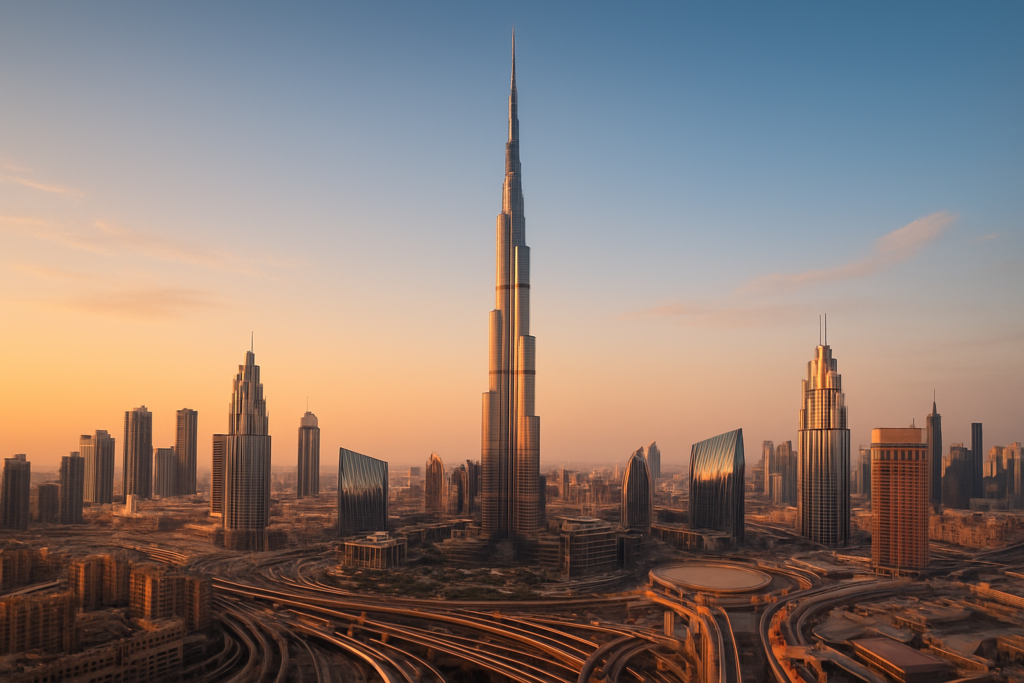
Entering the 21st century, the definition of architecture has expanded once again. The Louvre Abu Dhabi creates a “rain of light” with its massive metal dome; the Burj Khalifa in Dubai pushes the limits of how high humans can build; and sustainable architecture in countries like Denmark and the Netherlands is weaving “green, renewable, and intelligent” principles into the cities of the future.
Contemporary architects increasingly emphasize “symbiosis” — symbiosis with nature, with culture, and with technology. Architecture is no longer merely a container for space; it has become a medium through which humans engage with the world.
6. Conclusion: Architecture Is a Cultural Coordinate and a Self-Portrait of Its Era
Around the world,
Some structures awe through sheer power, others enchant with light and shadow;
Some emphasize rational order, others pursue a dialogue with nature;
Some commemorate the past, while others point toward the future.
Whether pyramids, mosques, the Forbidden City, skyscrapers, or museums of the future, each is a different answer to the questions “Who are we?” and “How do we understand the world?”
When we gaze at architecture, we are, in fact, gazing into the depths of civilization itself.
Related Posts