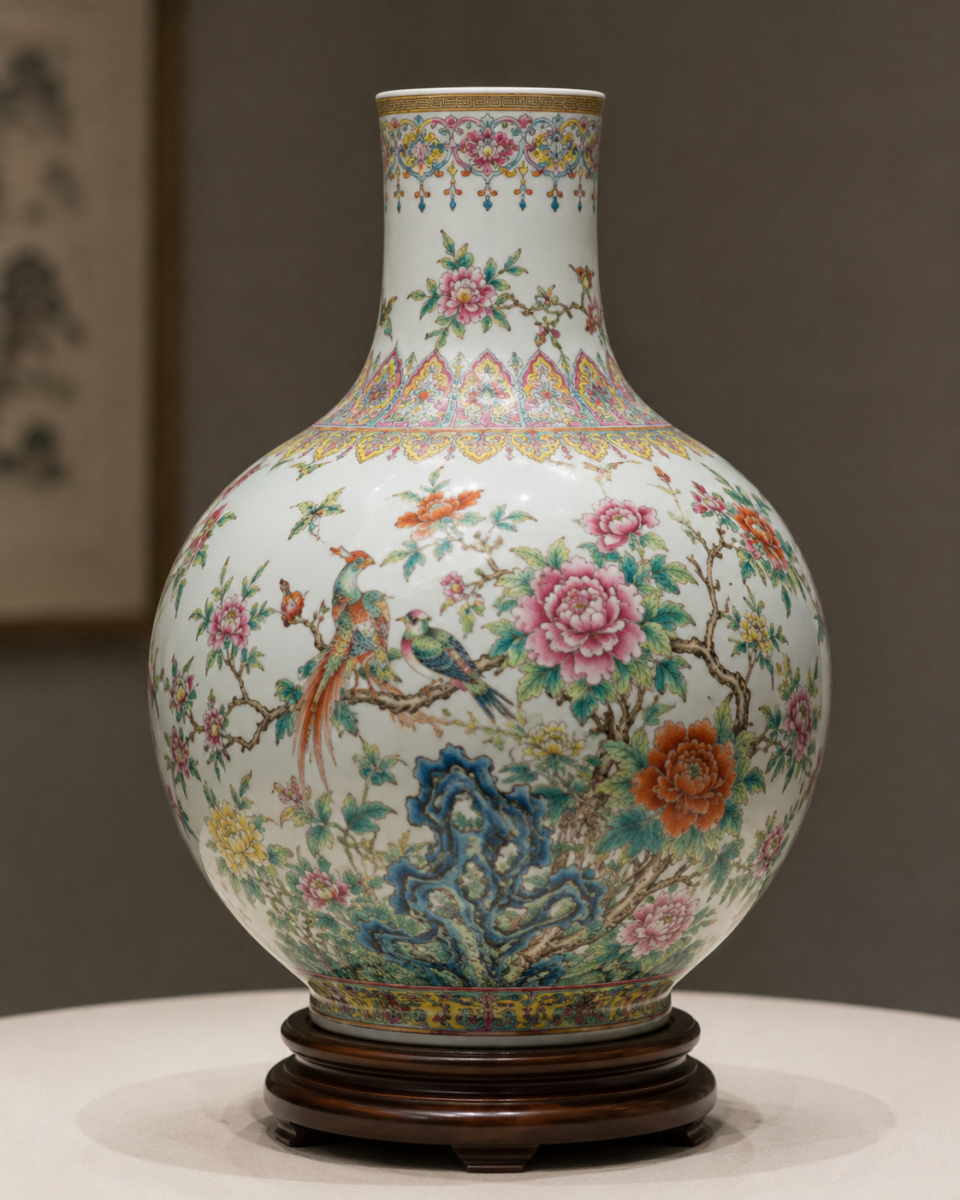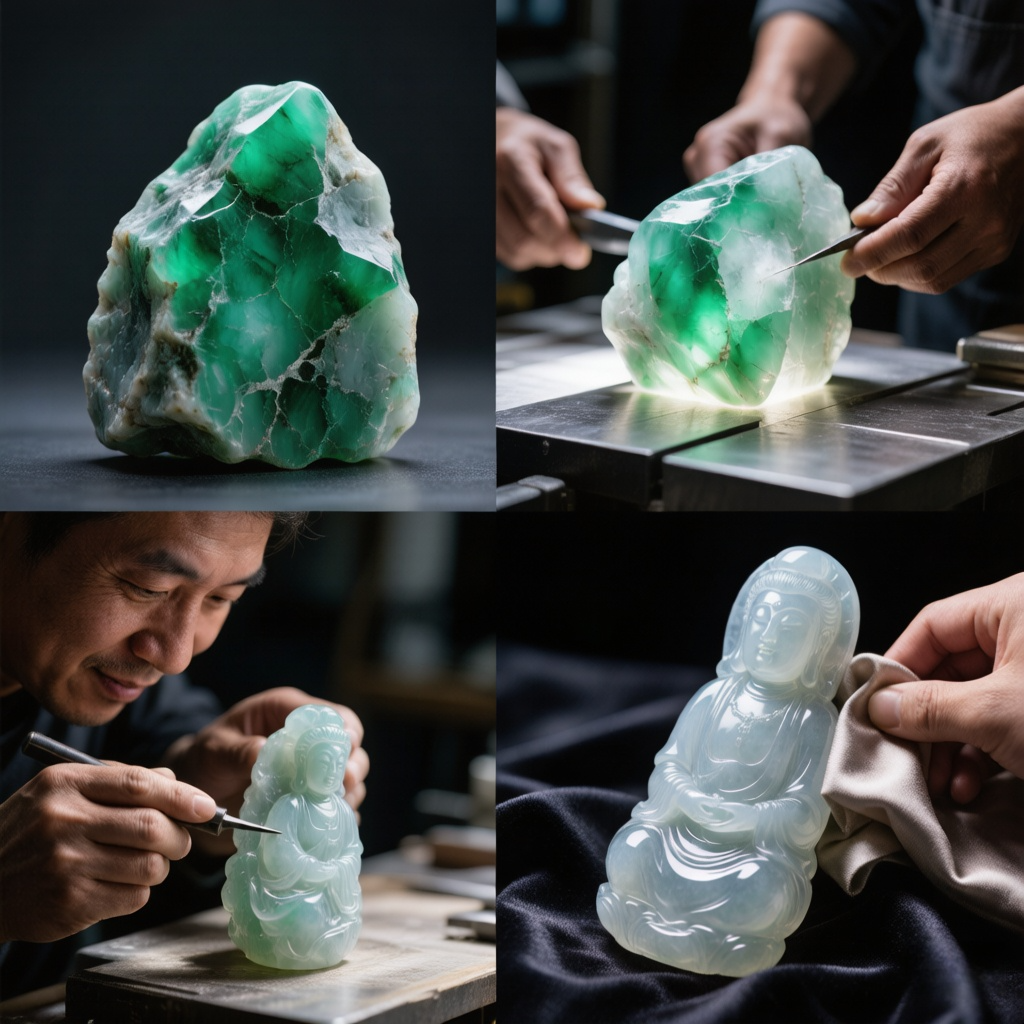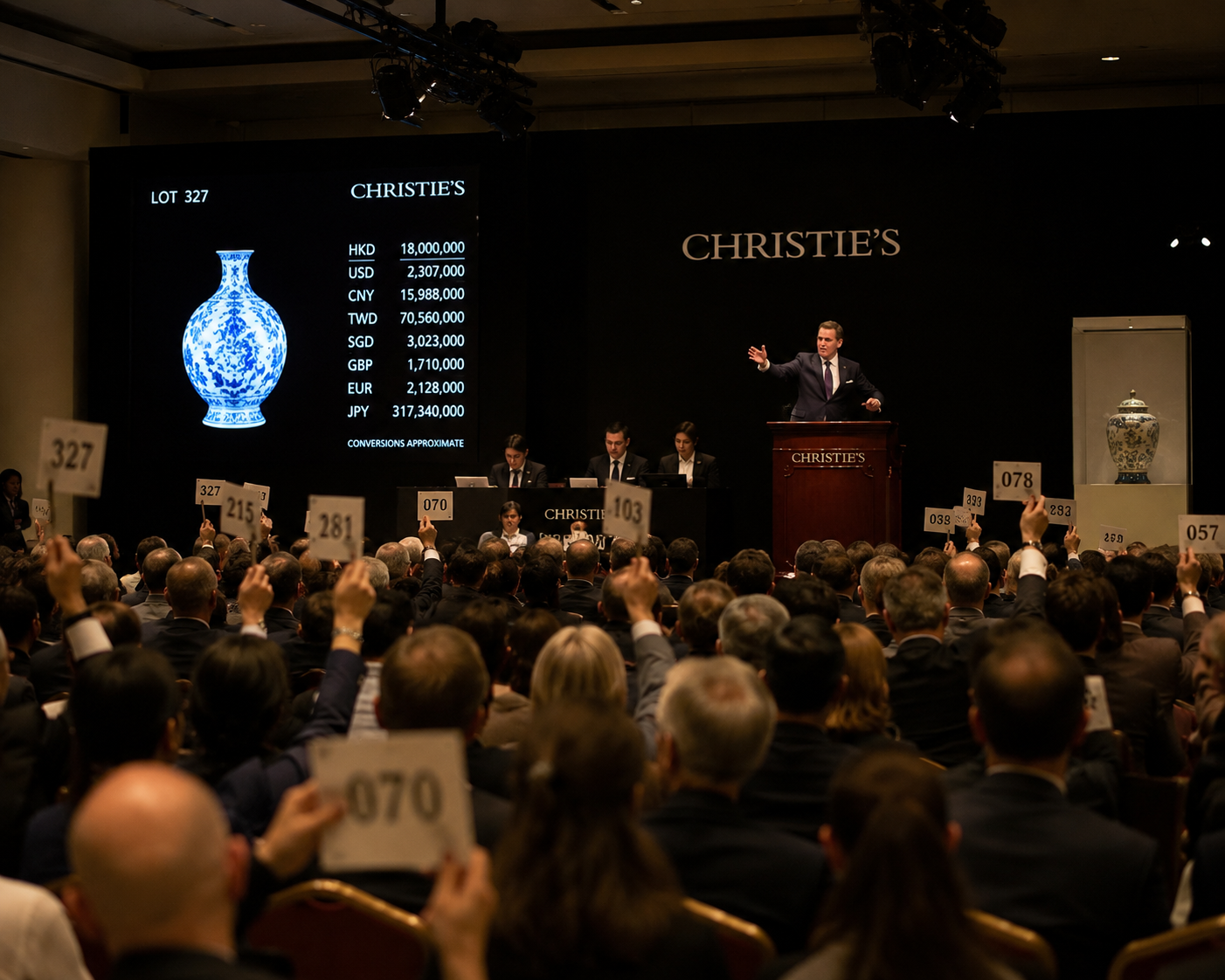
In recent years, as Chinese antique ceramics have continued to attract attention in the international…
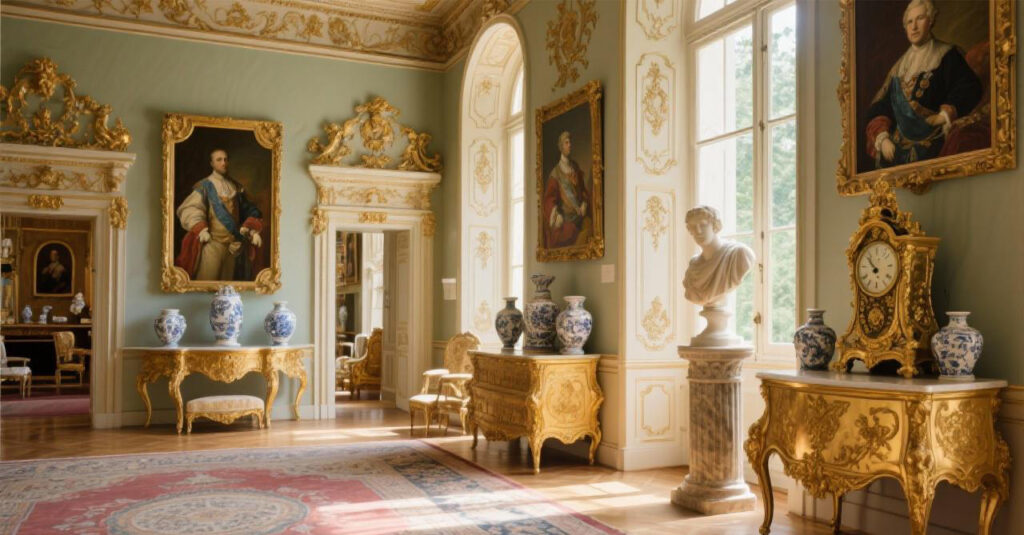
Western Classics: The Artistic Epic of European Antiquity
From Renaissance Florence to Rococo Versailles, European antiques document every artistic revolution in Western civilization. These time-tested treasures are not only the pinnacle of decorative art but also vivid testaments to the transformations of European society.
Furniture: A Moving Court Epic
The Splendor of the Baroque Period
17th-century Baroque furniture is characterized by exaggerated movement and intense color contrast. The Boulle technique of inlaid furniture from the Louis XIV era of France is a prime example. Artisans inlaid ebony with brass, tin, and lead alloys to create intricate patterns. The Boulle Cabinet in the Palace of Versailles represents the pinnacle of this technique.
The Elegant Innovation of the Rococo
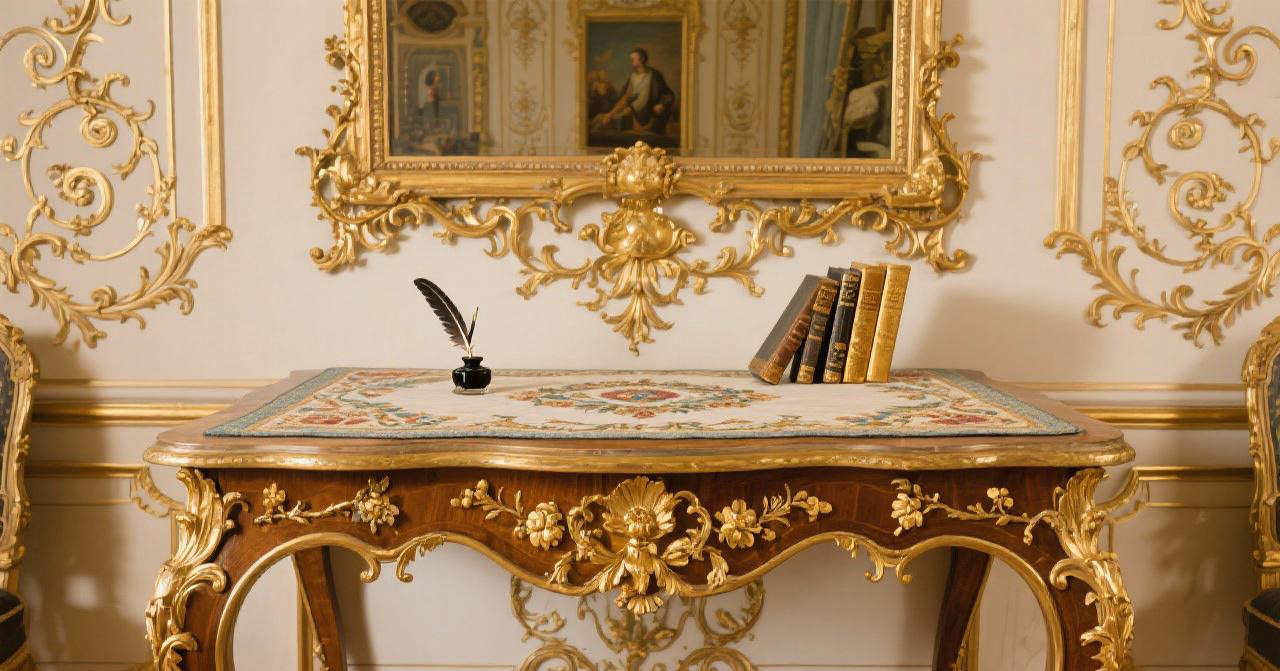
In the 18th century, the Rococo style replaced the heaviness of the Baroque with a fusion of light, elegant curves. The porcelain inlaid furniture produced by the Meissen Porcelain Manufacture in Germany for the Dresden court seamlessly blended Eastern influences with European craftsmanship. These pieces often featured graceful S-curves on their legs, accentuated by intricate floral carvings, embodying the opulence and romance of the court.
Silver: A Glittering Aristocracy
The Elegance of British Silver
The artisans of the London Silversmiths’ Guild created a uniquely British style. 18th-century candlesticks by Paul de Lamery, featuring relief carvings depicting mythological scenes, are engraved with the date, location, and craftsman’s mark, making them valuable artifacts for studying contemporary society.
The Luxuriousness of the Russian Imperial Court
Fabergé eggs are a marvel of European silversmithing. The “Coronation Egg” crafted for Tsar Alexander III, encased in translucent enamel, contains a precise replica of the imperial carriage, with only the wheels remaining freely rotating, a display of astonishing craftsmanship.
Ceramics: The Transformation of Clay
The Legend of Meissen, Germany
In 1708, Böttger invented European hard porcelain in Dresden. The Meissen Porcelain Manufacture’s “Blue Sword” mark serves as a guarantee of quality. The renowned “Swan Service,” comprising 2,200 pieces of tableware, each hand-painted with a swan in a different pose, took 20 years to complete. Sèvres, France: A National Glory
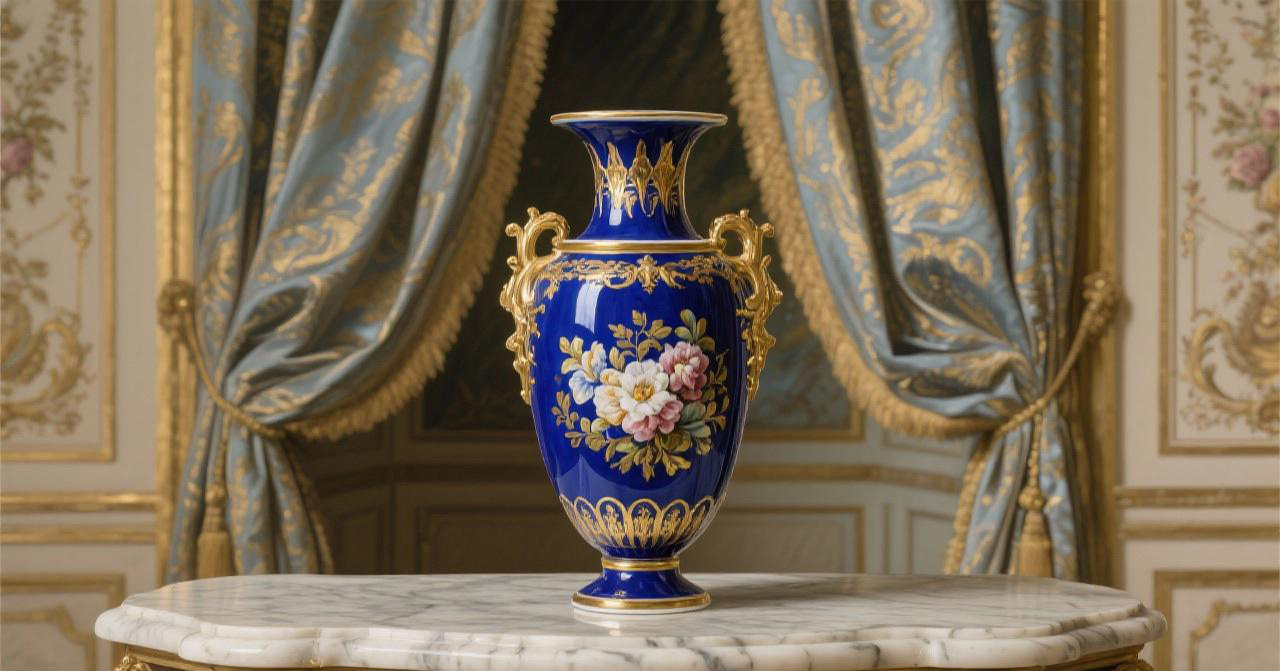
The formula for the “Imperial Blue” glaze of the Sèvres porcelain factory remains a secret. The “Rose of Pompadour” series, created for Madame de Pompadour, combined a pink glaze with gilded decoration, influencing aesthetic tastes throughout Europe.
Painting: A Time Capsule of Light and Shadow
The Realistic Light of the Dutch Golden Age
Vermeer’s “Girl with a Pearl Earring” uses pointillism to depict light and shadow. The precise contrast of light and dark creates a striking visual effect when the girl looks back. The Dutch school of painting used everyday scenes to showcase the aesthetic tastes of the bourgeoisie.
The Aristocratic Elegance of British Portraiture
Gainsborough’s “Mr. and Mrs. Andrews” places the figures in a natural landscape. The unfinished hem of the wife’s dress suggests the prey to be stuffed, skillfully capturing the life of the British gentry. This “conversational painting” format has become a hallmark of British portraiture.
Clocks: A Song of Mechanical Art
French Gilded Bronze Wall Clock
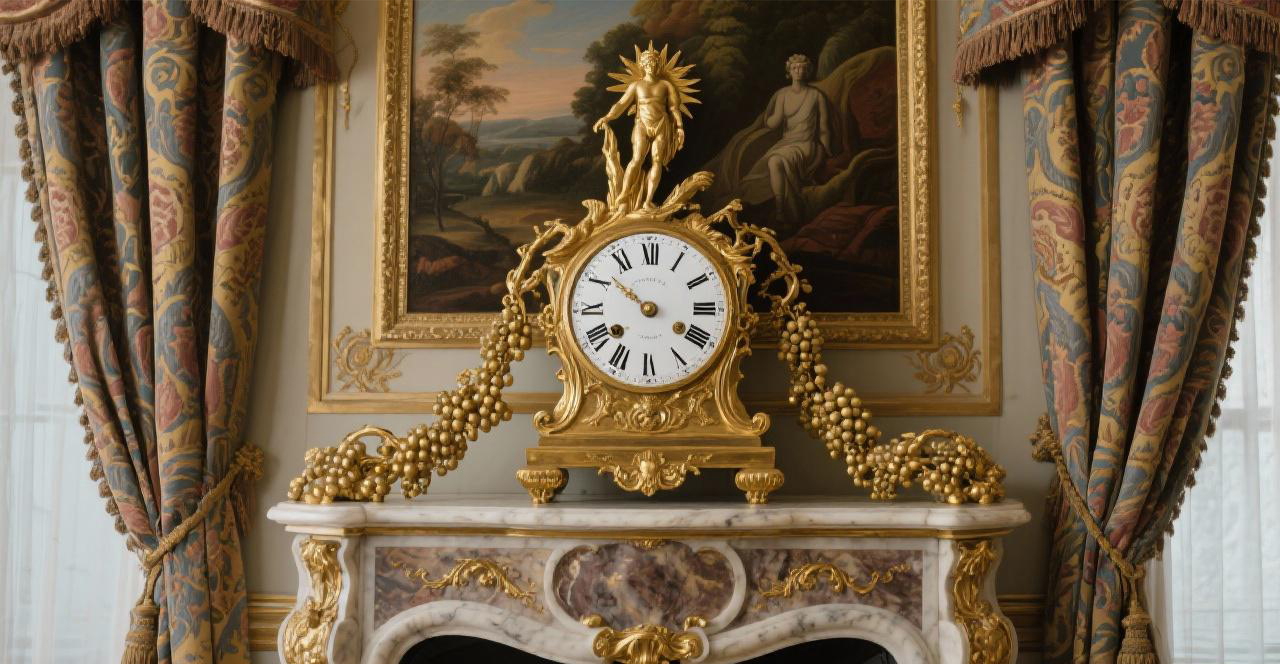
French clockmaking reached its peak in the 18th century. A typical Louis XVI-era wall clock typically consists of three components: a gilded bronze sculpture, a marble base, and a precision movement. The sculptures on the clock case are often inspired by mythology, making it both a timekeeping instrument and a work of sculpture. The Precision Revolution of British Marine Clocks
John Harrison’s H4 marine clock solved the problem of longitude measurement. This 13-centimeter-diameter silver clock, featuring an ingenious temperature compensation mechanism, achieved a daily accuracy of just 0.1 seconds, revolutionizing the course of maritime history.
Collecting and Appreciation Guide
Key Points for Periodization
Renaissance: Symmetrical composition, classical elements
Baroque: Strong dynamism, gilded ornamentation
Rococo: Asymmetrical curves, natural themes
Neoclassicism: A return to simplicity, inspired by ancient Greece
Maintenance Instructions
Classical furniture should be kept out of direct sunlight and maintained at around 50% humidity. Silverware should be regularly cleaned with a professional silver polishing cloth, and ceramics should be protected from sudden changes in temperature. Masterpieces require a constant temperature and humidity to avoid UV damage.
European antiques are not only a material heritage but also a form of living art. Each piece embodies the aesthetic ideals and pinnacle of craftsmanship of the era. When we admire an 18th-century French writing desk, we not only feel the warmth of the wood but also imagine the scene of aristocrats writing at their desks.
These antiques remain captivating after centuries because they embody humanity’s unwavering pursuit of beauty. In today’s world of mechanized production, the ingenuity of handcrafts is even more precious. Next time you visit a museum, stop and feel the stories these antiques tell, and let the light of art illuminate modern life.
Related Posts