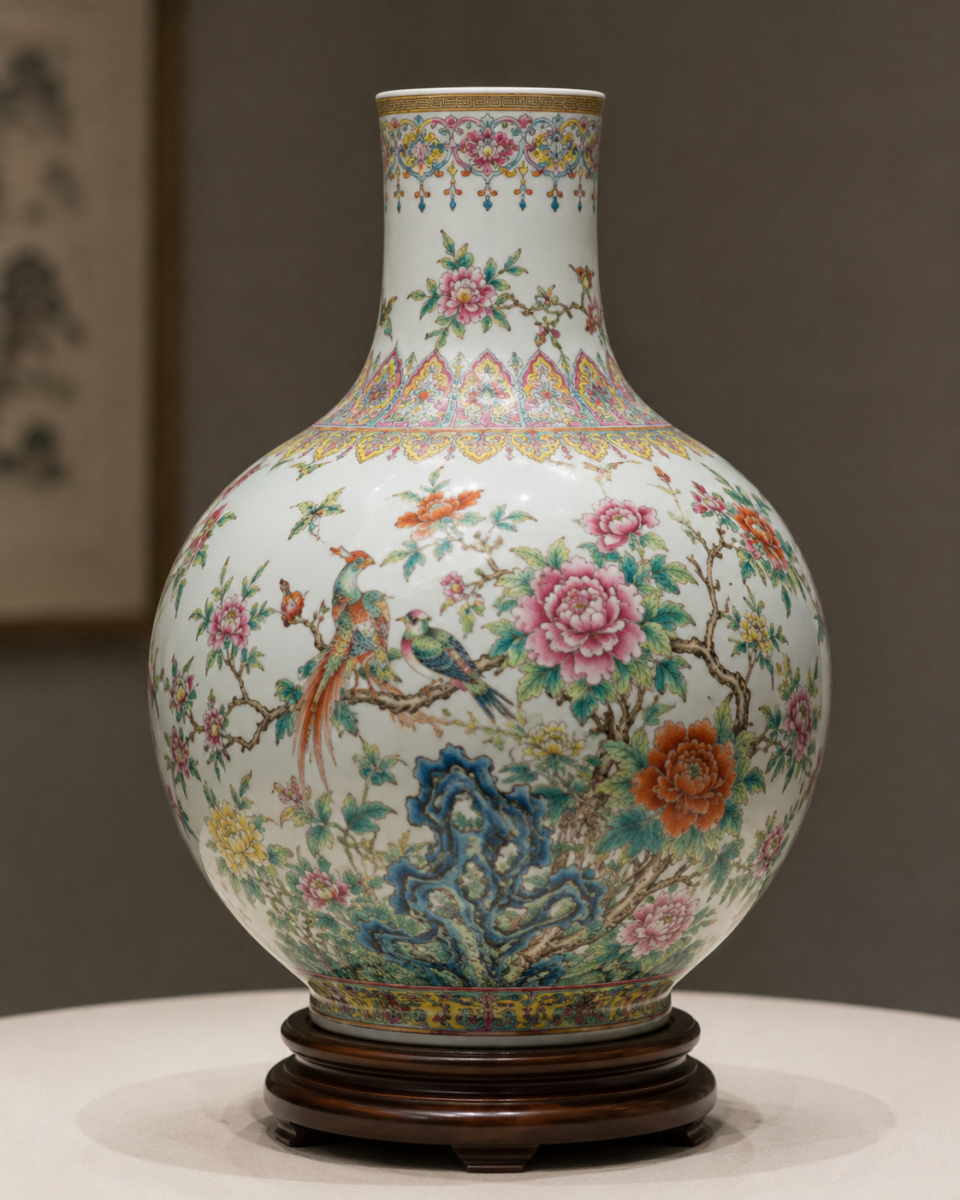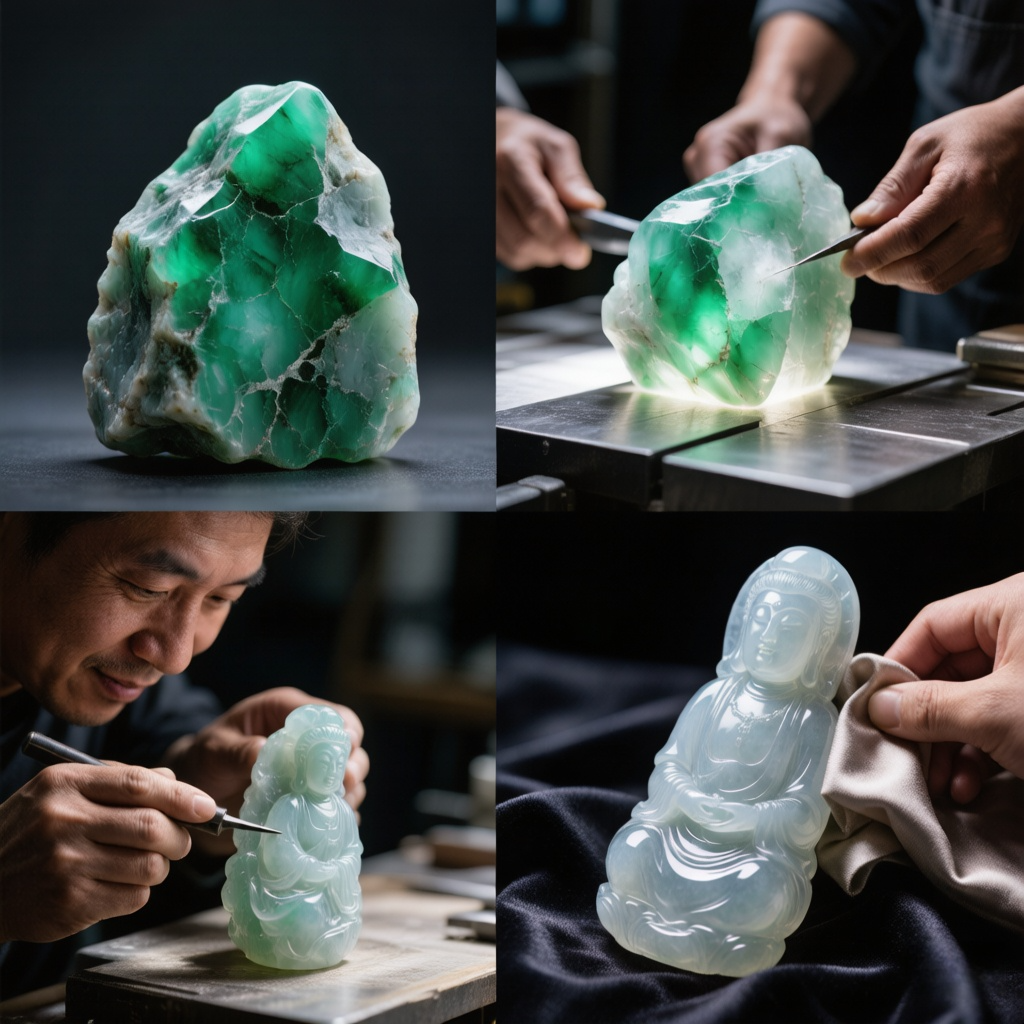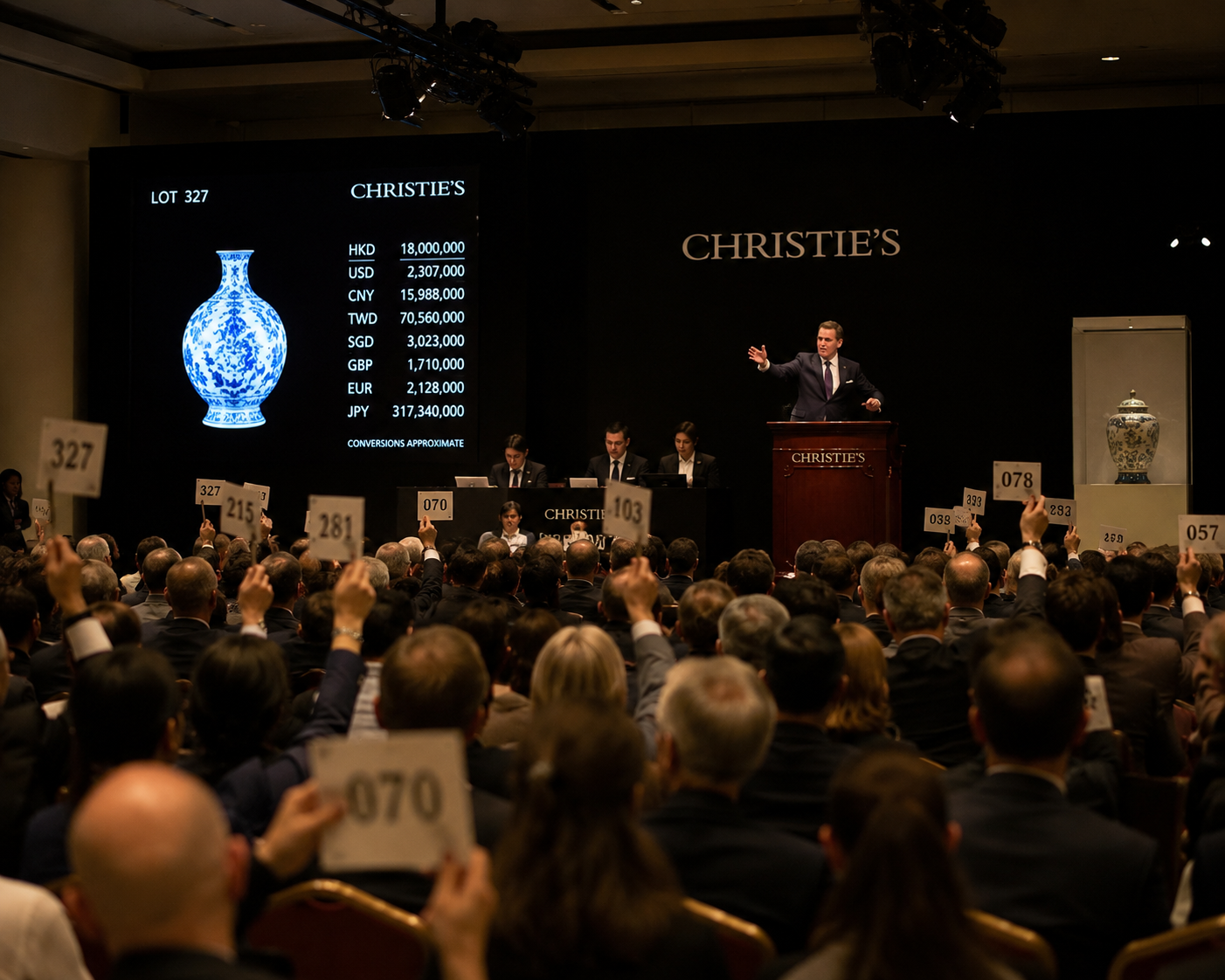
In recent years, as Chinese antique ceramics have continued to attract attention in the international…
Viking Mythology: From Warriors to Global Pop Culture
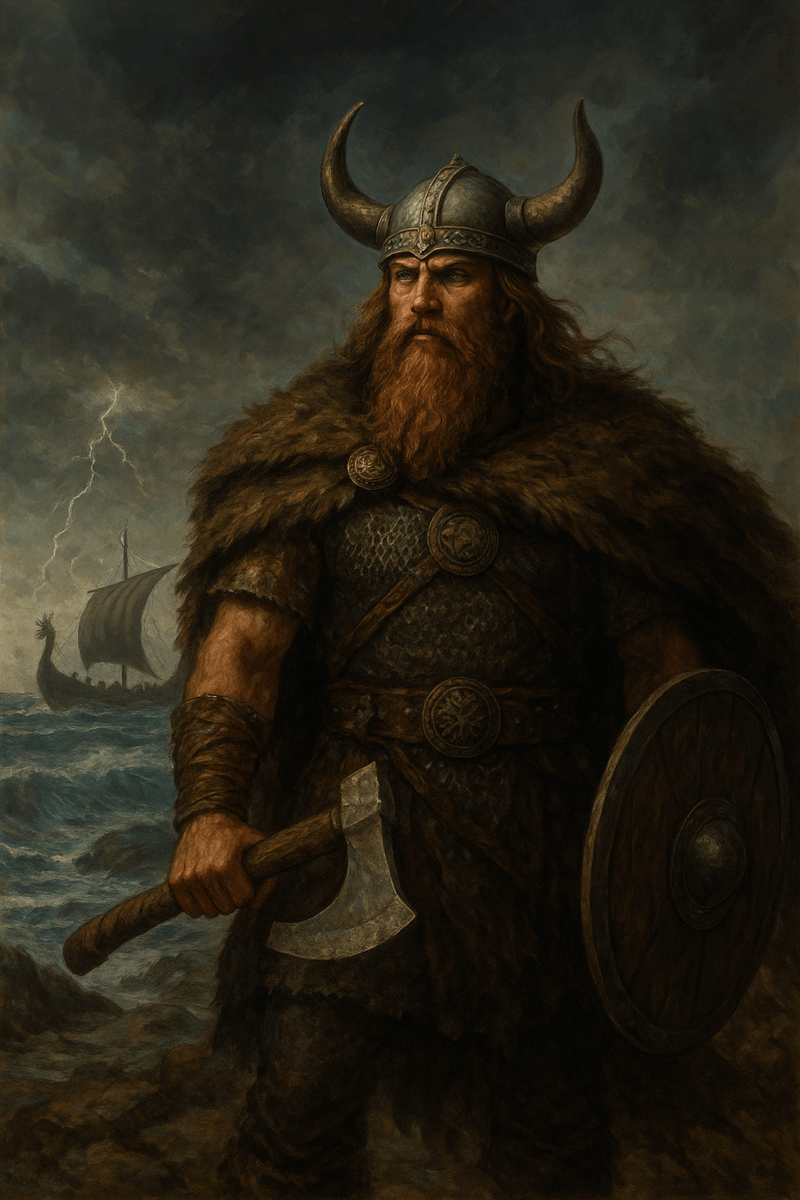
In the cold and mysterious northern lands of Scandinavia, an ancient and magnificent mythological system was born and passed down through millennia—Viking Mythology, also known as Norse Mythology. This mythos not only shaped the worldview of ancient Viking societies, but also profoundly influenced the cultural framework of the Western world. In modern times, it has surged back through contemporary art, film, literature, and gaming, becoming a powerful symbol within global pop culture.
I. The Spiritual Source of a Warrior Civilization
Viking mythology originated between the 8th and 11th centuries within Viking society. During this era, the Norse people lived in harsh, resource-scarce environments, where social structures emphasized courage, cooperation, and honor. They believed the world was governed by the intertwined forces of gods and giants—its order fragile yet sacred.
The Vikings especially revered:
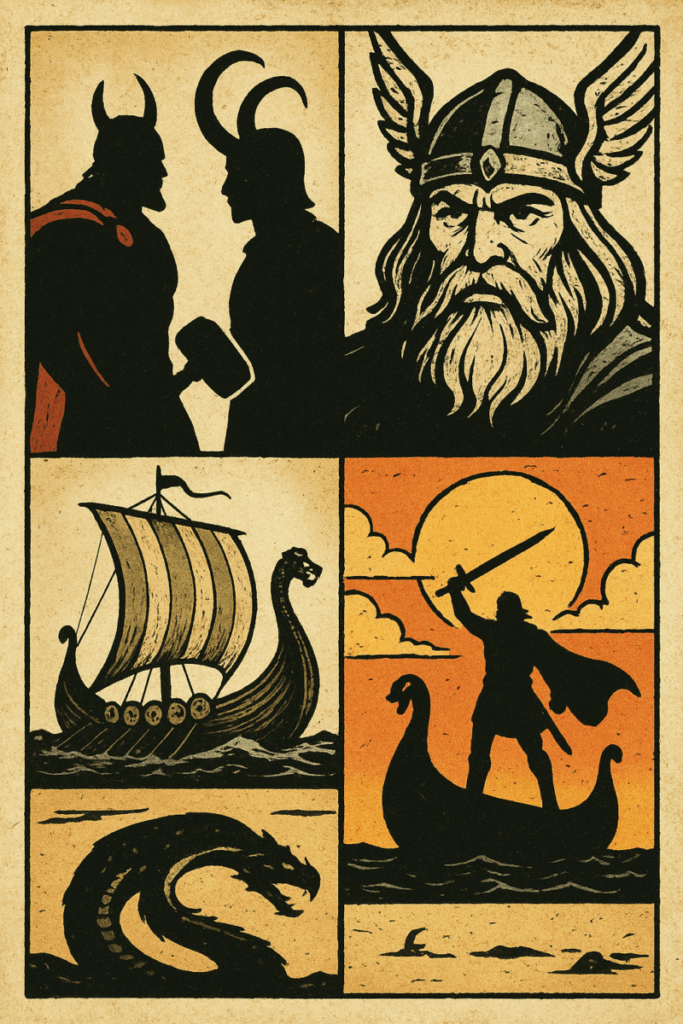
Odin – the chief god, symbolizing wisdom, war, and sacrifice
Thor – the god of thunder, representing might, protection, and indomitable will
Freyja – the goddess of love, fertility, and magic
This mythological worldview led warriors to believe that dying in battle was not an end, but the beginning of honor. Their voyages, raids, and explorations were driven by the conviction that valor on the battlefield opened the path to eternal glory.
II. Ragnarök: A Philosophy of Fate and Cycles
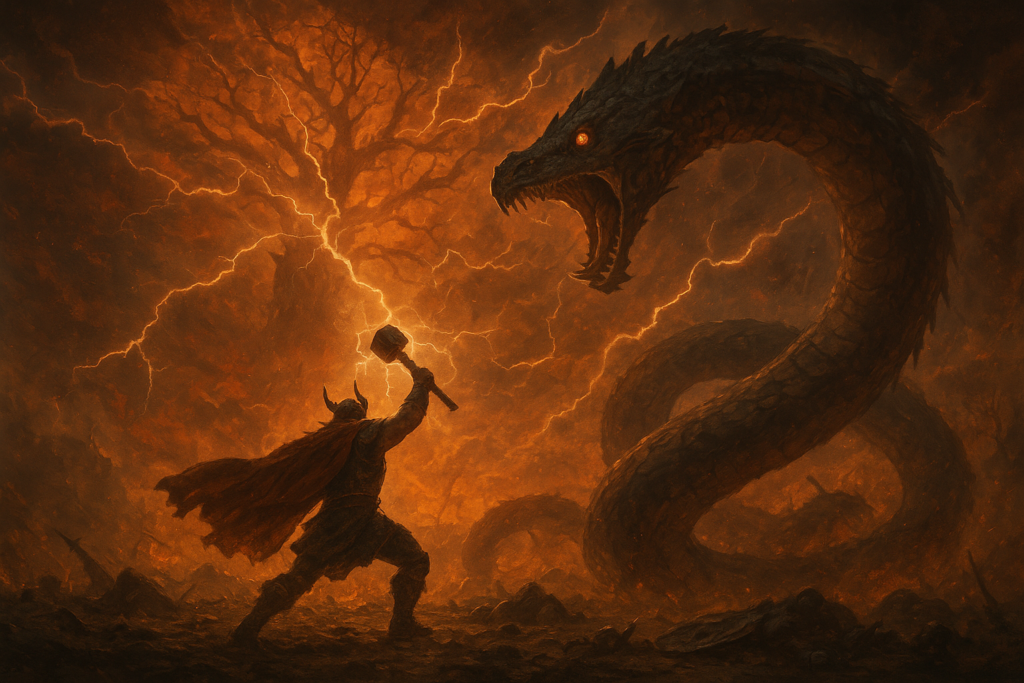
One of the most breathtaking elements of Norse mythology is Ragnarök—a prophesied apocalyptic battle. Unlike the salvation narratives found in many other cultures, Norse mythology emphasizes that:
-
Even the gods cannot escape destruction
-
The world is destined to collapse
-
Existence itself is fragile
Yet after the end, a new world will bloom again. This cycle of “destruction → rebirth” reflects a uniquely Northern view of destiny: greatness is not eternal power, but the resilience to fight against inevitability.
III. Unique Symbols and Imagery Within the Mythos
Norse mythology is filled with imaginative settings and iconic symbols:
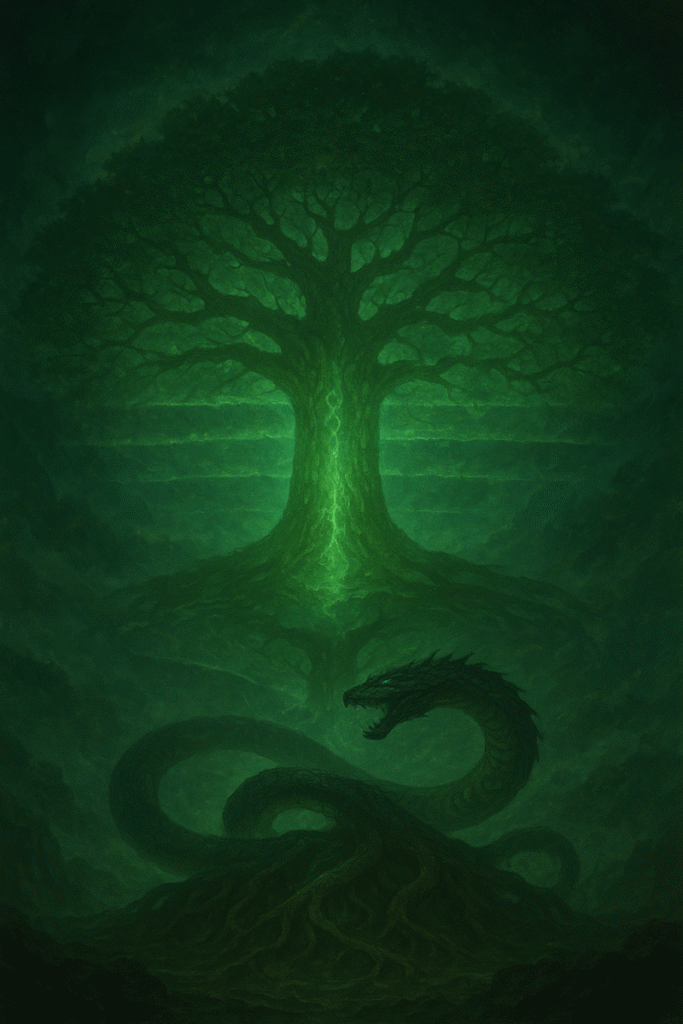
Yggdrasil – the World Tree connecting the Nine Realms
Valhalla – the ultimate hall for warriors who fall bravely in battle
Jörmungandr – the World Serpent, embodying apocalyptic force
These figures carry not only religious significance, but also deep cultural psychology: reverence for nature, a sober attitude toward war, and the courage to face death head-on.
IV. From Obscurity to Pop Culture: The Power of Film and Media
For a long time, Norse mythology remained mostly within academic circles and was rarely known to the general public. Modern visual media, however, breathed new life into it. Representative works include:
-
Thor and the Avengers series, bringing Thor and Loki into global mainstream culture
-
Vikings, showcasing the raw appeal of warrior civilization
-
American Gods, reimagining Norse deities as modern symbols
These productions have transformed the public’s perception of Northern mythology—making it cool, mysterious, and visually striking, instead of archaic or obscure.
V. Cultural Revival in Literature and Gaming
Beyond film and television, Viking mythology has also surged in popularity within literature and video games.
In literature:
-
J.R.R. Tolkien’s The Lord of the Rings draws heavily from Norse cosmology and worldview
-
Neil Gaiman’s Norse Mythology retells ancient myths with modern psychological depth
In gaming:
-
The God of War series’ Norse chapters have become iconic
-
Assassin’s Creed: Valhalla reconstructs the social landscape of the Viking Age
-
Titles such as Valorant and League of Legends incorporate Norse symbols into character design
These cultural products transform Norse mythology from texts into immersive, experiential worlds, allowing modern audiences to feel the mythology rather than merely read about it.
VI. Runes and Fashion: The Rise of Visual Symbols
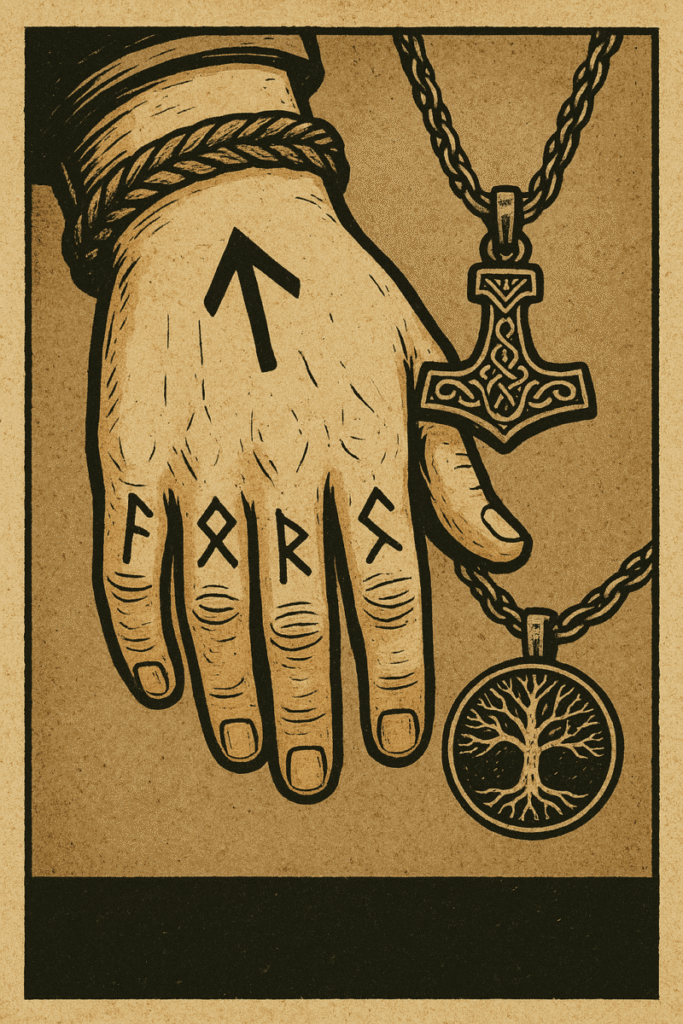
The ancient Norse script—Runes—has become an important element in contemporary fashion and street culture in recent years. Their angular, symbolic lines make them easy to integrate with streetwear, tattoos, and metal music aesthetics.
Common symbols include:
Valknut – representing Odin and warriors
Mjölnir (Thor’s Hammer) – symbolizing strength and protection
The World Tree (Yggdrasil) – embodying life and interconnectedness
These symbols combine a sense of power, geometric beauty, and spiritual meaning, enabling consumers to “express themselves” through personal style.
VII. Why Norse Mythology Fits Modern Society
Viking mythology has risen to prominence in global pop culture because its underlying spirit resonates deeply with contemporary anxieties:
Uncertainty of fate
In an increasingly complex world, people connect with themes of destiny and inevitability.
Anti-heroism
The Norse gods are not flawless—they are flawed, conflicted, and imperfect, aligning with modern aesthetics.
Ecological awareness
The World Tree symbolizes the intertwined fate of nature and humanity.
A spirit of resistance
“Even when defeat is certain, fight to the very end” has become a declaration of our time.
Conclusion: Norse Mythology Is More Than a Symbol
The allure of Viking mythology lies not only in its fantastical battles and pantheon of gods, but in the values it conveys:
The courage to face death
The search for order amidst chaos
Hope amid inevitable decline
When we find ourselves lost in the rapid transformations of modern society, this mythology—born from ice and desolate frontiers—offers unexpectedly warm encouragement.
If the world is destined to fall apart, then meet the dawn as a warrior.
This is the true core of the Viking spirit.
Related Posts