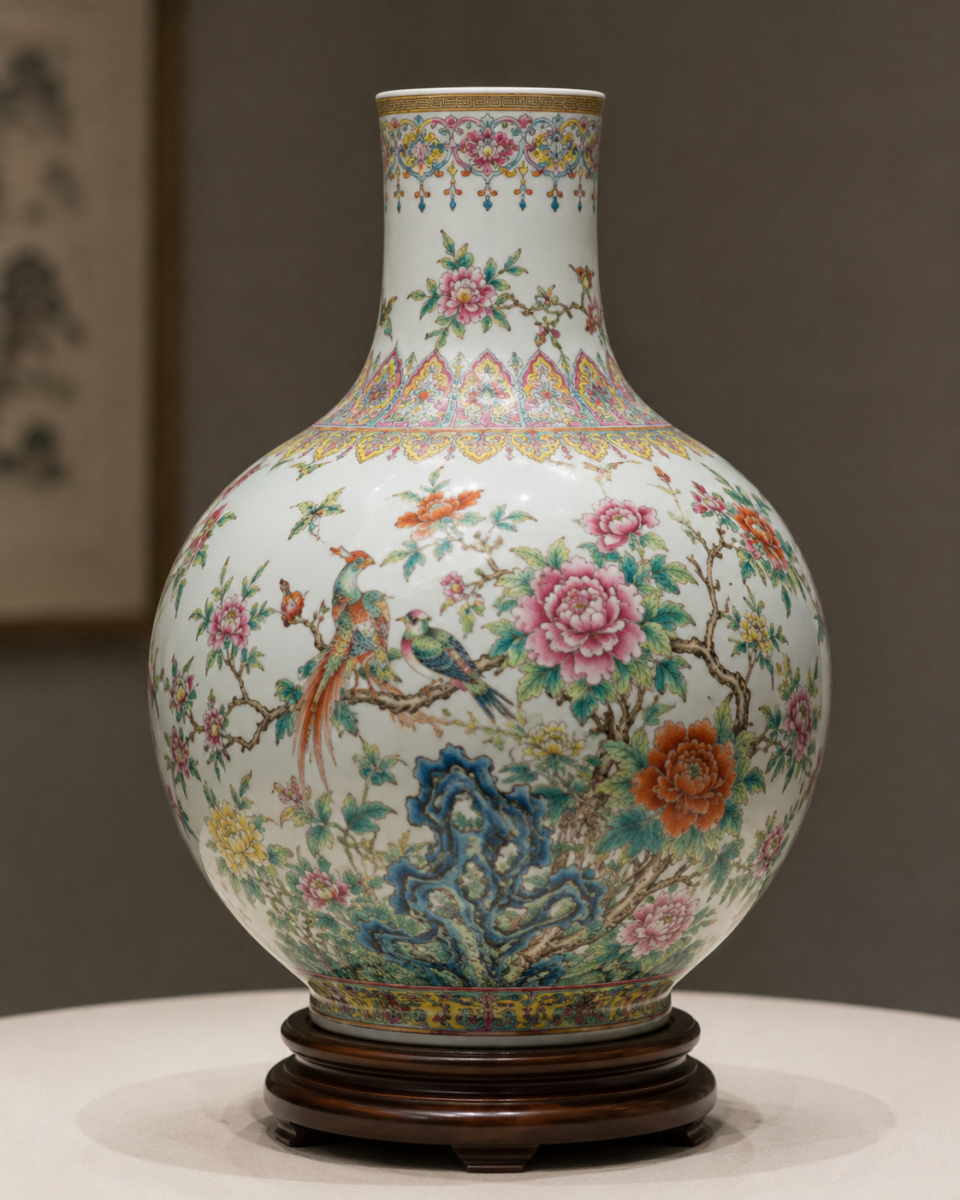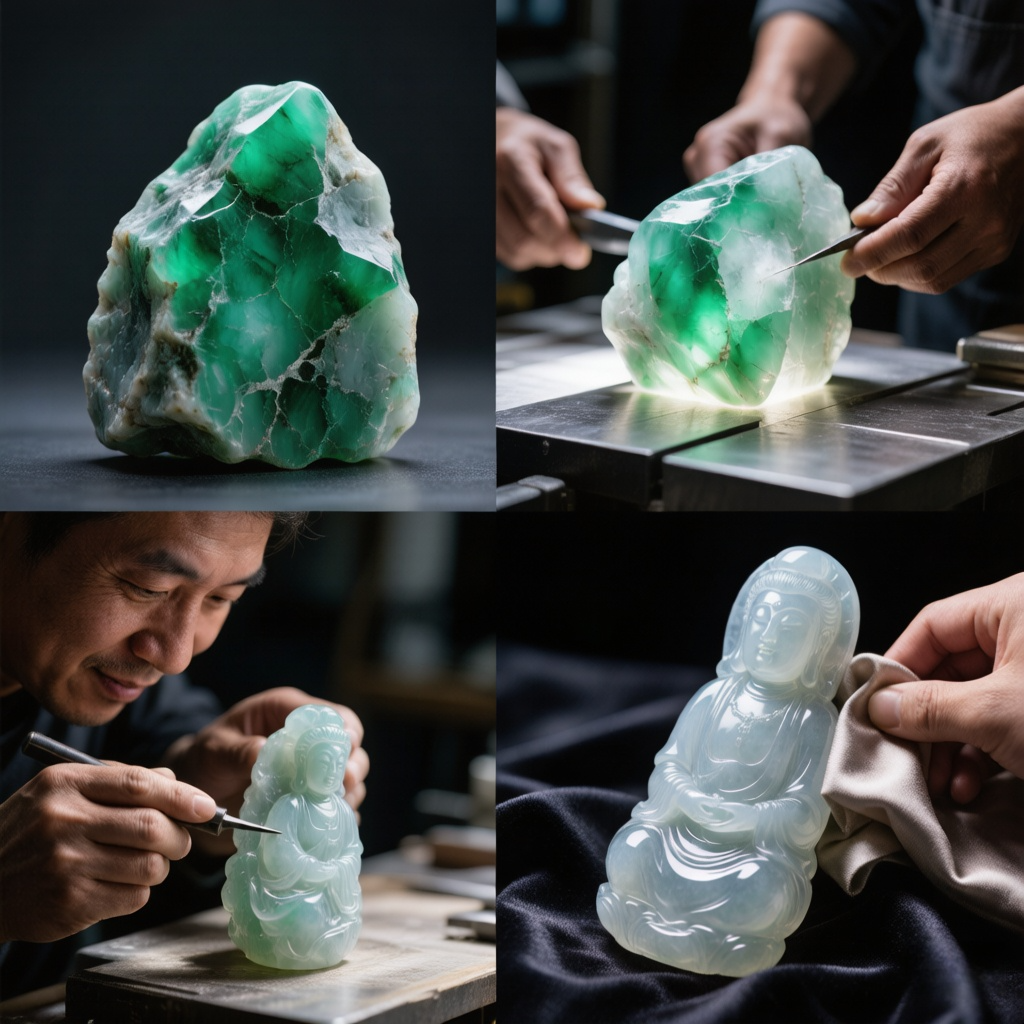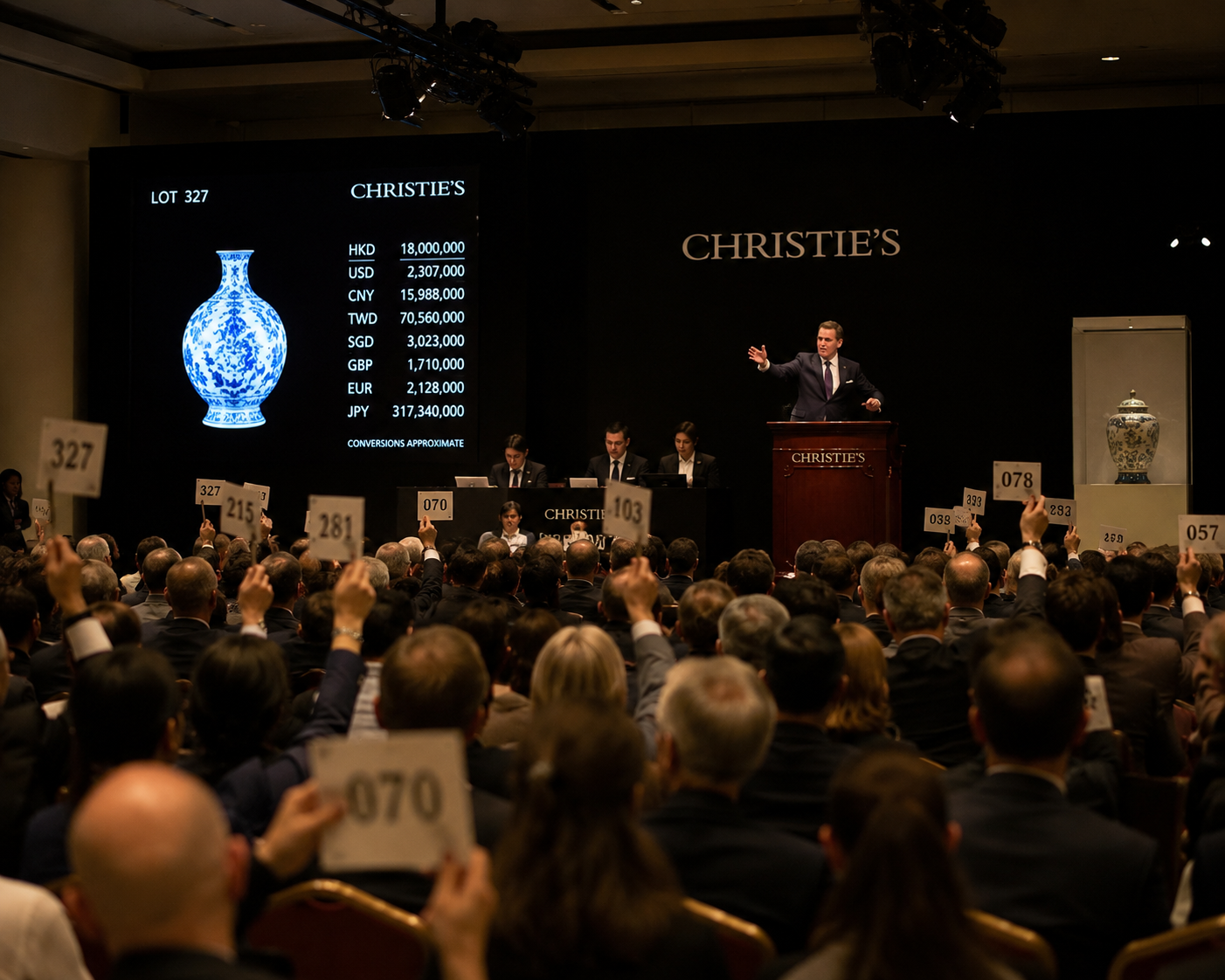
In recent years, as Chinese antique ceramics have continued to attract attention in the international…
Victorian Craftsmanship: Stories Frozen in an Age of Splendor and Contradiction
When we turn the pages of British history, the Victorian era (1837–1901) unfolds like a sweeping epic: the roar of the Industrial Revolution, the stirrings of biology and the humanities, the relentless expansion of an empire. Yet beneath these grand narratives, what truly reveals the texture of the age are the countless crafted objects embedded in everyday life.
Victorian objects were never merely decorations or tools; they were vessels of social structure, shifting aesthetics, and the spirit of their time. Every piece of silverware, every ring, card case, or embroidery is like a small theatre sealed by time, capturing the intertwined stories of desire, morality, class, love, and identity.
I. Craft Blossoming Amid Prosperity:
Refinement as the Signature of an Era
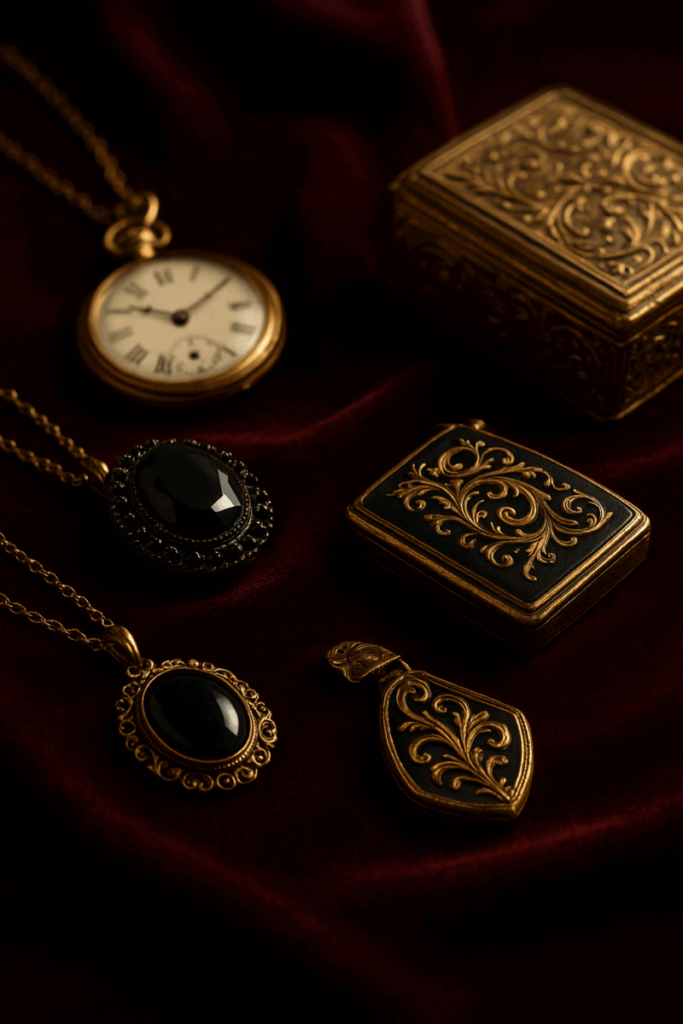
Victorian craftsmanship shared one defining characteristic: almost nothing was simple.
Even the most ordinary objects tended toward lavish, intricate, and symbol-laden designs:
-
silverware densely covered with scrolling foliage patterns
-
enamel boxes hiding tiny hand-painted miniatures
-
metal repoussé flowers rendered with vivid lifelike detail
-
clock movements gleaming with human ingenuity as brilliantly as jewelry
This complexity was not mere ornamentation—it was the aesthetic logic of the age.
The Industrial Revolution made objects reproducible, and refinement became a marker of taste and class.
Elegance, meticulous workmanship, and intricate detail became the cultural emblems of the Victorian era.
II. The Hidden Language of Emotion:
Craft Objects as Vessels of the Heart
Victorians were remarkably reserved—especially when it came to expressing love, sorrow, and longing. As a result, crafted objects carried rich emotional codes, some even becoming a kind of silent language.
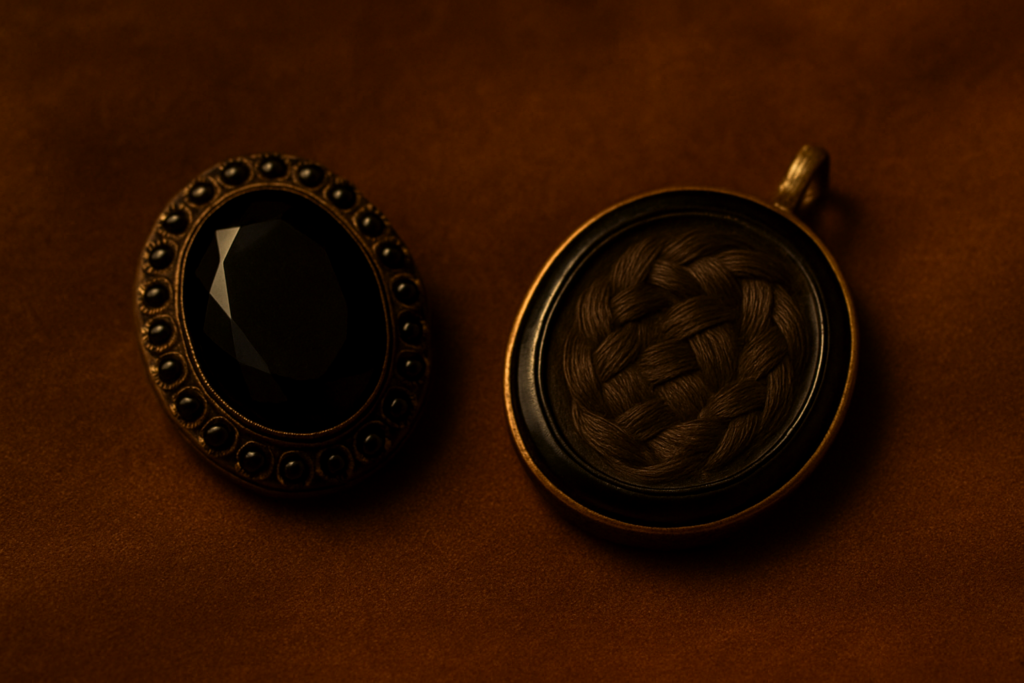
1. Lovers’ Tears and Hairwork Jewelry
In nineteenth-century Britain, it was common to weave the hair of a lover or family member into delicate patterns and transform it into:
-
brooches
-
rings
-
pendants
-
the back panels of portrait frames
Such pieces may seem unusual today, but they were among the most sincere expressions of emotion at the time.
A single lock of hair was regarded as an eternal, intimate memory.
2. Mourning Jewelry: Extending Love Beyond Death
After Queen Victoria mourned her late husband in black for many years, a full “mourning culture” swept across the era.
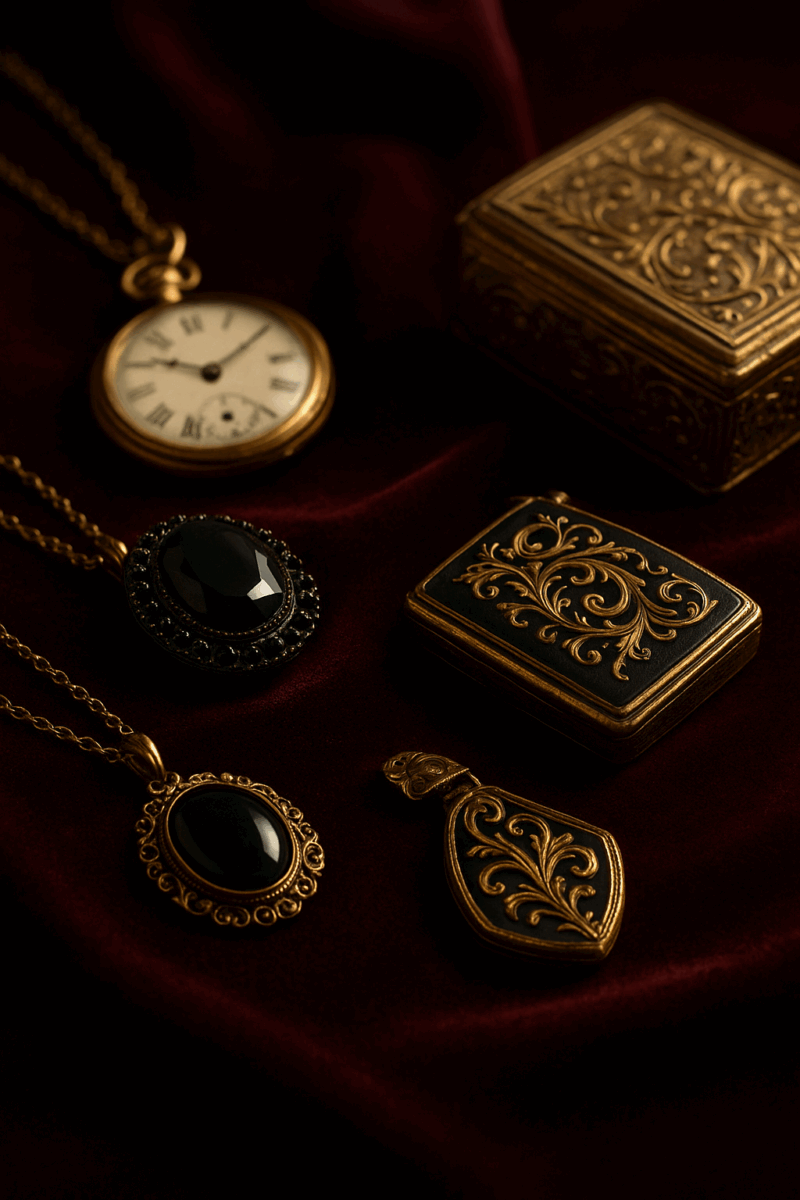
Jewelry made from black enamel, onyx, or jet became a way to express deep and enduring affection.
These pieces were not symbols of sadness, but of dignity, loyalty, and remembrance.
3. Poetic Symbols: The Language of Flowers and Animal Motifs
Victorians were fascinated by symbolism, and every motif on a crafted object carried meaning:
-
violets symbolized humility
-
daisies represented purity
-
lilies signified the soul and light
-
swallows meant “safe return”
In this way, craft objects became messages of emotion, allowing feelings to flow silently yet elegantly through symbolic design.
III. The Coexistence of Machine and Handcraft:
An Aesthetic Miracle Born from an Age of Contradiction
The Victorian era marked the height of the Industrial Revolution. Steam engines accelerated the pace of the world, and mechanized production transformed the structure of crafted objects. Yet paradoxically, the more widespread machines became, the more people emphasized the preciousness of handwork.
Thus emerged a rare and fascinating combination:
-
machines produced precise metal engravings
-
yet gemstone setting was still completed entirely by hand
-
glassware could be mass-produced
-
yet its cut patterns relied on the artisan’s skill, intuition, and judgment
Industry and handcraft were not opposites—they coexisted within the very same object.
Together, they formed the most captivating paradox of Victorian craftsmanship:
objects that were products of their time, yet capable of transcending their time through beauty.
IV. Class, Society, and Identity:
The Social Landscape Reflected in Victorian Craft
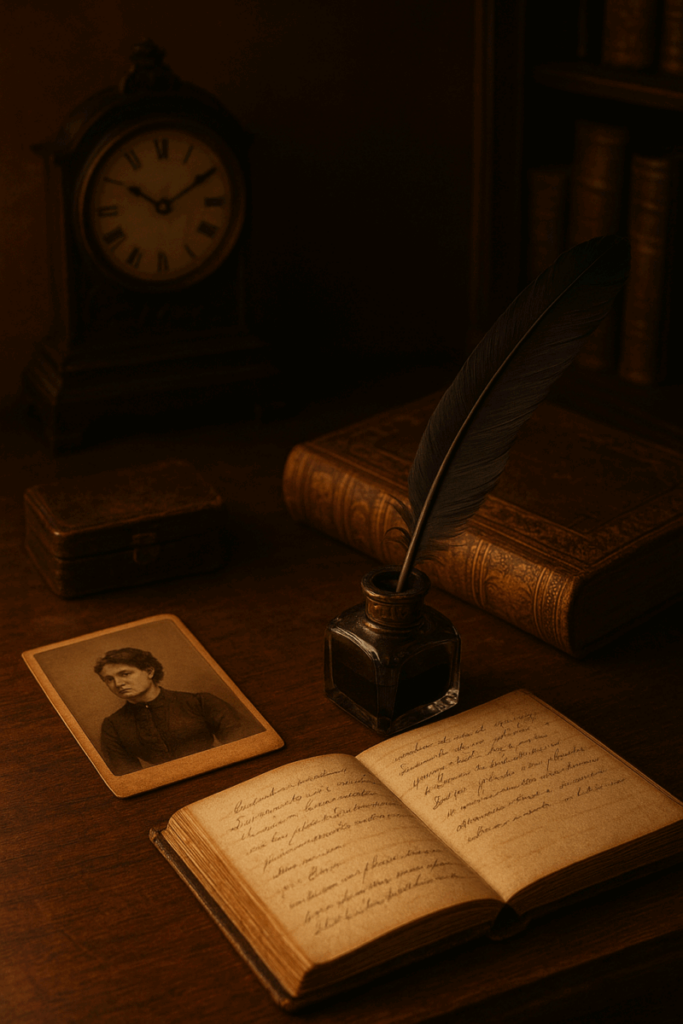
The Victorian era was a time of clearly defined social classes, and objects themselves often served as “social labels.”
The Upper Class
They owned luxury goods sourced from around the world—Indian ivory, East Asian lacquerware, French enamel with gold and silver filigree, Italian micromosaics.
Collecting was their language of identity.
The Emerging Middle Class
They expressed taste, culture, and education through finely made yet affordable craft objects.
From this desire for refinement, the Victorian concept of home aesthetics was born.
The Artisan Class
Artisans used their creations to express dedication to life.
Handcraft was a form of dignity—something they held onto as the world changed rapidly around them.
Thus, behind every Victorian craft object lies a small but vivid slice of society.
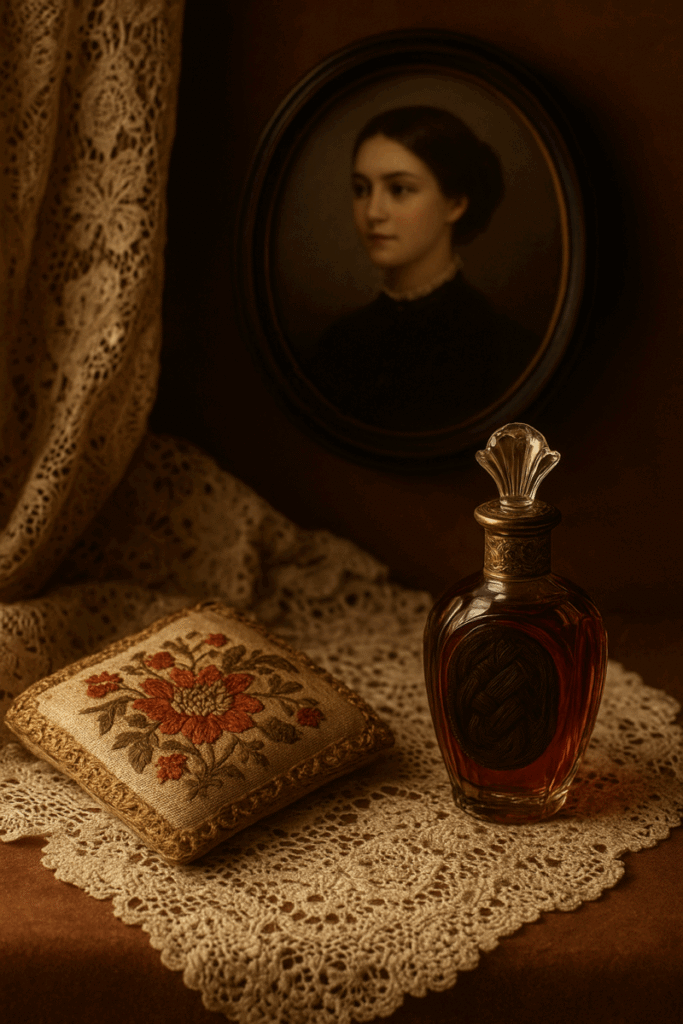
V. Why Do Victorian Craft Objects Hold Such Powerful “Stories”?
Because they emerged during one of the most dramatic periods in human history:
-
rapid technological progress
-
tension between faith and science
-
imperial expansion and cultural entanglement
-
rigid social classes amid shifting ideologies
-
aesthetics oscillating between the classical and the modern
Everything in this era was full of contradiction:
prosperity coexisted with restraint, romance with discipline, machinery with handcraft.
Craft objects were born within these tensions, absorbing the era’s complex emotions.
Their beauty is refined, yet tinged with a quiet, ineffable melancholy.
This is why today’s collectors are so captivated by them:
not because they are old,
but because they are alive.
They are vessels of stories, mirrors of their time, and extensions of memory.
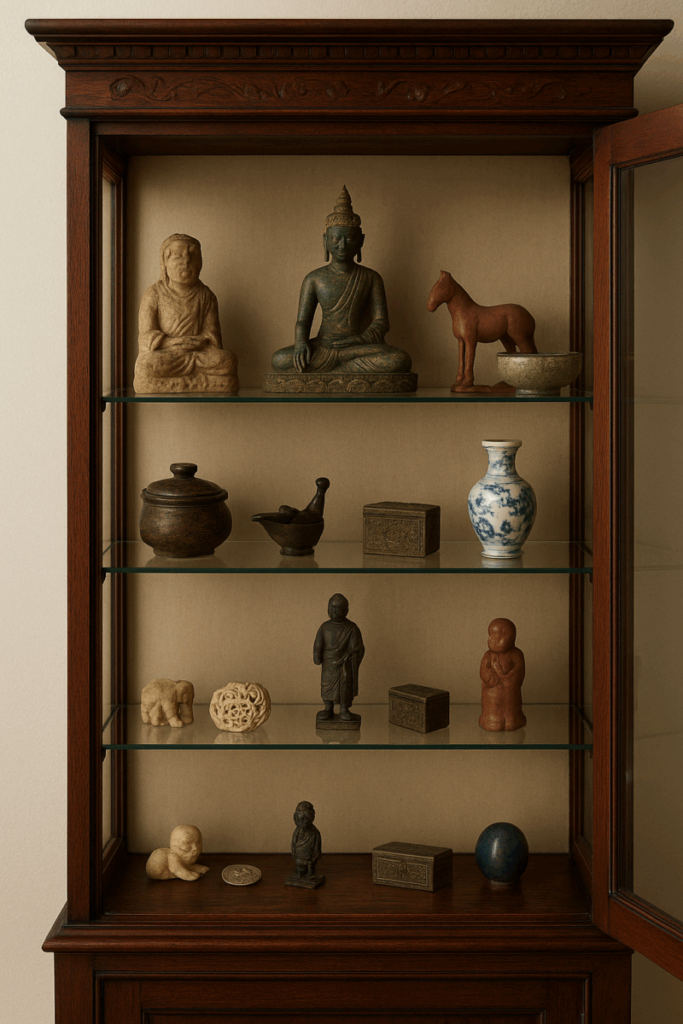
Conclusion: Every Victorian Craft Object Is a Small Piece of History
When you hold an object from the Victorian era, you are in fact holding:
-
an emotion
-
an aesthetic revolution
-
a fragment of social history
-
a set of contradictions from its time
-
the soul of a craftsman
Much beauty in this world fades with time;
but the beauty of Victorian craftsmanship grows deeper because of time.
That is the source of its enduring charm.
Related Posts